
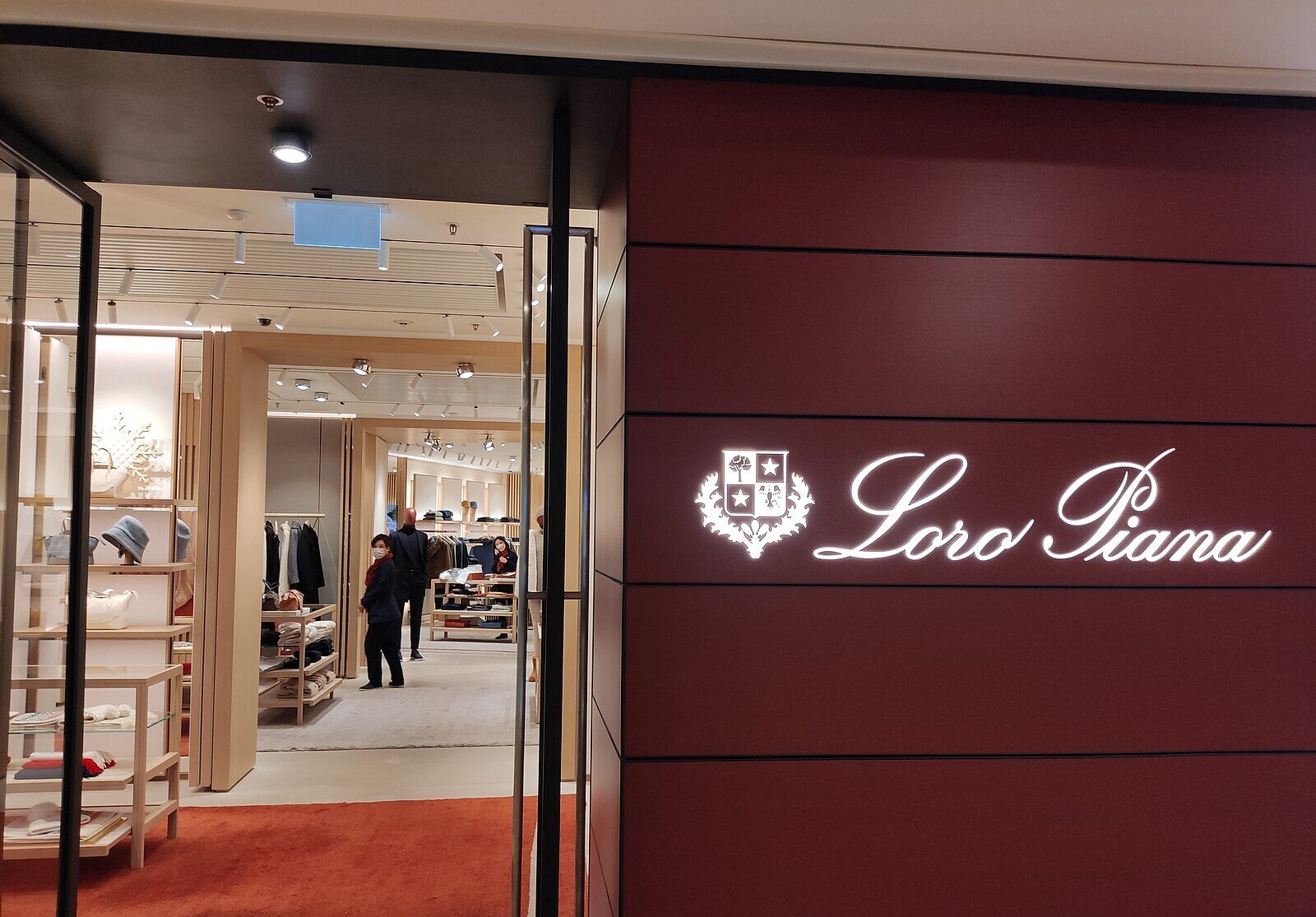
Loro Piana, the luxury brand renowned for its exquisite cashmere and vicuña garments, is under court-mandated monitoring following allegations of systemic labour abuses in its supply chain. The Italian cashmere house, owned by LVMH, is accused of outsourcing production to unauthorised Chinese-run factories employing undocumented workers under exploitative conditions, including wage theft, unsafe workplaces, and violations of labour laws.
Spotlight on Loro Piana’s Labour Practices: A Pattern of Exploitation
While Loro Piana touts ethical sourcing, a Milan court investigation revealed a darker reality: the brand allegedly subcontracted production to a shell company with no production capacity, which further outsourced work to cut costs. These factories, according to Italian authorities, slashed expenses by hiring undocumented labourers, paying poverty wages, and flouting safety regulations.
The case came to light after a Chinese worker reported being physically assaulted by his employer for demanding $11,700 in unpaid wages; an incident that led to the factory’s closure and the owner’s arrest. This follows a broader crackdown on luxury brands like Valentino, Dior, and Armani, which have faced similar judicial oversight in Italy.
Legal Reckoning and Ethical Fallout
Loro Piana claims it severed ties with the implicated supplier within 24 hours of learning of the violations, yet, the court’s one-year monitoring order underscores deeper systemic failures. Critics argue that the case exposes the luxury industry’s reliance on an opaque supply chain, where subcontracting dilutes accountability.
The scandal forces an uncomfortable question: Can “quiet luxury” coexist with loud exploitation? As consumers demand transparency, Loro Piana’s response may redefine not only its reputation but also the standards of an entire industry.
FASHION LAW JOURNAL INSIDER
Join designers, brand founders and fashion lawyers who get the biggest brand battles, IP fights and career moves in fashion law, straight to their inbox.