

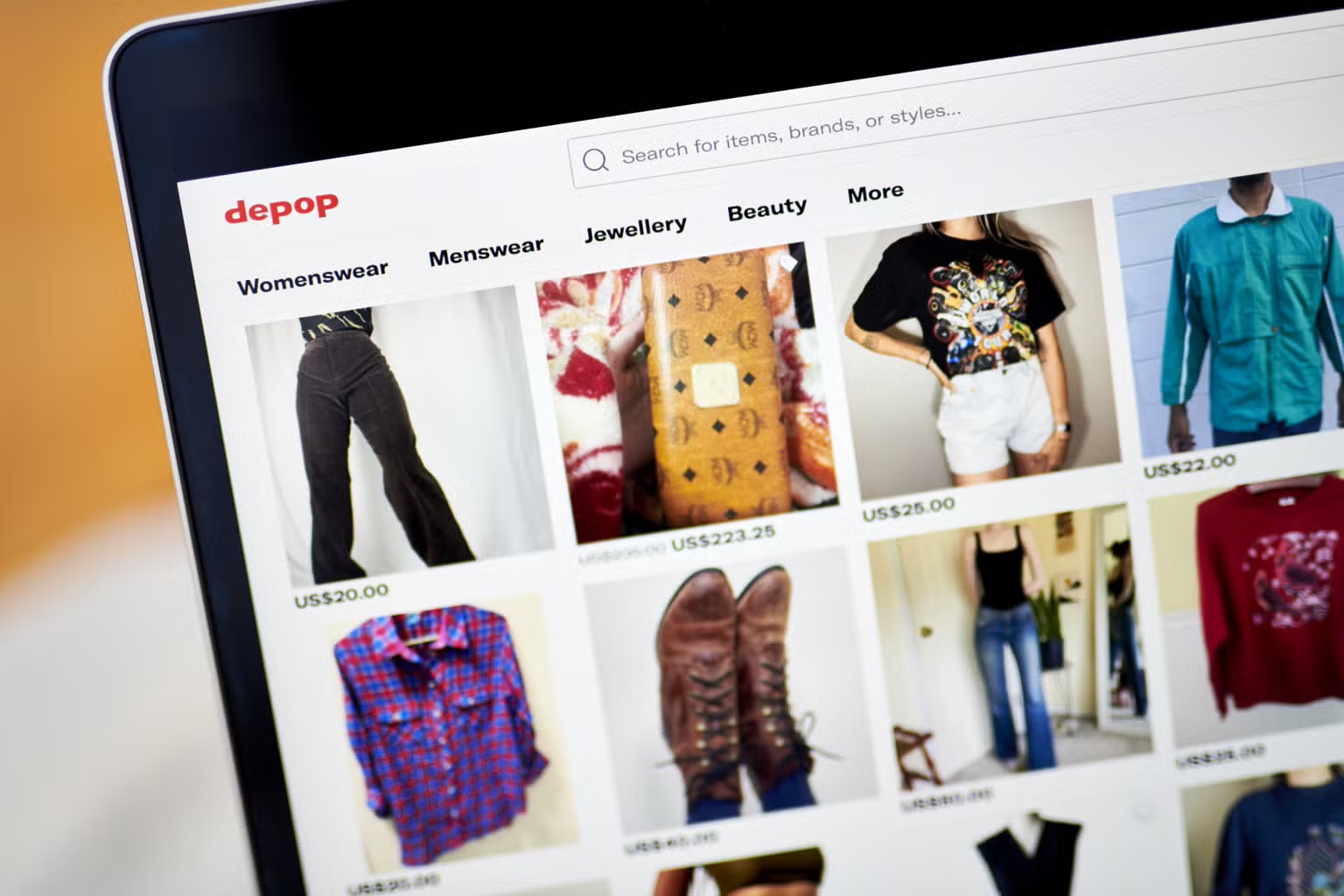
So, the eBay Depop deal just dropped a bombshell on the fashion resale scene. Dropping $1.2 billion to snag this Gen Z hotspot from Etsy? Yes, that’s bold… but is it genius or panic-buying for relevance? All I know is that this move seems to subtly indicate how we’re all rethinking spending, style, and sustainability. Let’s chat about what this really reveals: about how we’re all changing how we shop, spend, and flex style in a world obsessed with secondhand swagger.
The Depop Deal: Why eBay Went All-In on Secondhand Cool
eBay, the auction house grandpa of e-commerce, just dropped $1.2 billion cash for Depop- a mobile-first app that’s basically an Instagram-laced thrift store. Depop’s stats show 7 million active buyers and 3 million sellers, with 90% under 34 (primarily Gen Z and young Millennials). Its U.S. GMV neared $1 billion in 2025, up 60% year-over-year. So why pay a premium? Because consumer wallets are voting with their feet (or thumbs in this instance) toward resale.
Fast fashion is losing its grip, and we can clearly see that with new green regulations, sustainability-focused fashion laws, etc. Post-pandemic, Gen Z paused impulse-buying Shein hauls. Instead, they’re hunting Depop for vintage Levi’s or indie streetwear that screams “me.” eBay’s fashion GMV already tops $10 billion annually (growing 10% YoY), but Depop injects fresh blood, sort of proving that the shift to circular spending is mainstream. Maybe eBay is admitting that people spend where value meets vibe?
Decoding Gen Z Wallets: The Real Why Behind the Resale Obsession
Let’s talk consumer behaviour 101: Depop users aren’t casual browsers. They log in daily, flipping pre-loved gems for profit, clout, and conscience. 39% of young shoppers hit social commerce for secondhand last year, per reports, drawn by affordability (items under $50 dominate), uniqueness (no duplicates in your feed), and eco-brags (“I saved a tee from landfill”). I can personally attest to the same, noting that my Screen Time on Vinted averaged 19 hours per week.
And marketing’s cracked the code: TikTok lives and Insta Reels turn hauls into social proof. Gen Z spends 2x more time (and cash) on resale than legacy sites, prioritising self-expression over status logos. This comes after a shift in consumer behaviour following the slow death of micro-trends. People want to be more authentic instead of chasing every small trend that will cause a dent in their wallet. Compared to eBay’s older crowd chasing deals on toasters, this demo is fashion-forward, sustainability-savvy, and fickle. And the acquisition is hard evidence that spending habits are pivoting. Resale’s hitting $53.7 billion globally by 2026, growing 11% CAGR. People aren’t necessarily cutting back, but priorities have shifted in a world where inflation rises more than our jeans, so people are redirecting dollars smarter.
Culture Clash Incoming: Can eBay Keep the Gen Z Magic Alive?
Depop’s sauce was the social-first feeds, seller follows, and community chats. eBay’s a powerhouse, but it feels like a digital flea market. Post-deal, eBay vows to run Depop as a standalone brand, adding shipping perks and Authenticity Guarantees, which is smart since Gen Z loyalty hinges on feeling seen, not sold. But if you botch the culture? I guarantee users will bolt to Vinted or Poshmark.
From a consumer lens, this tests behavioural glue: People spend where they belong. Marketing that force-feeds corporate polish kills it (incoming rant on IRL marketing and influencer fatigue). 72% say secondhand stigma’s gone, but vibe dilution revives it. And eBay’s challenge is to prove they get the social job-to-be-done: not just transact, but participate in trend ecosystems.
Recommerce Battlefield: Depop’s Secret Weapons in the Mix
Resale’s on fire, projected to hit a massive $367 billion by 2029, growing twice as fast as the whole apparel world. You’ve got ThredUp, Poshmark, and The RealReal scrapping for every sale, but Depop? It’s got this killer Gen Z edge with its streetwear obsession and creator collabs, and now paired with eBay’s global muscle, they’re building a total powerhouse. The roadmap’s stacked: AI-powered recs that nail your style, cross-listings to flood more eyes, and influencer drops that’ll have everyone buzzing.
And the real proof is in how we’re shopping. Nearly 60% of folks are already planning secondhand splurges this year, chasing those affordable gems, the thrill of the treasure hunt, and that feel-good planet-saving vibe. Heck, even Boomers are jumping in. This deal just shines a spotlight on the big spending shift: with 38% of us tightening belts amid economic pinches, resale’s the ultimate hack: stylish, budget-smart, and zero guilt. Platforms that mix that social discovery magic with rock-solid trust in authenticity? They’re the winners. eBay’s move says it: consumers are all-in on brands riding this circular wave.
eBay’s Full Gen Z Playbook: Depop’s Just the Opener
This grabs the headlines, sure, but eBay’s not stopping at Depop. They’re stacking the deck with a whole playbook to win over Gen Z. Think anti-counterfeit AI that sniffs out fakes before they hit your feed, super-personalised recommendations that feel like they read your mind, and cosying up to influencers who actually get the vibe.
And honestly, it makes total sense. Consumers are done with knockoffs; surveys show 69% of us will ghost a site the second we spot something shady. Throw in those slick TikTok glow-ups to amp up the fun factor and sustainability badges that let you flex your eco-cred without even trying.
Depop just proves the whole thesis: spending’s evolved into this perfect mix of social buzz, planet-friendly choices, and straight-up savvy moves. And fast fashion? That’s so yesterday’s news; it’s out, and this circular wave is where the real party’s at.