
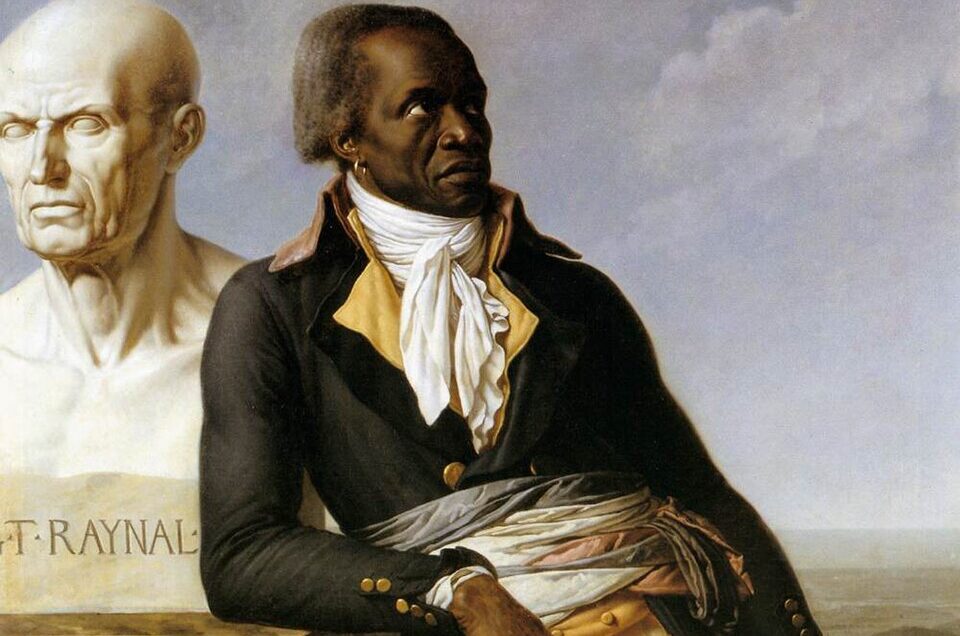
The Georgian Era brought a rich cultural history, societal shifts, marvellous architecture, romantic literature, and English supremacy, which, without a doubt, transformed that period and the modern world as we know it. But what was even more fascinating about that era was its fashion headlines and captivating trends.
Women’s fashion is one of the most talked-about topics in every era, whether in the 21st century or the 14th century. Women dominated the field of fashion gossip columns. Men’s fashion statements, however, are often restricted or highlighted only among the aristocracy.
The late 1700s, however, sparked enthusiasm for changes in men’s fashion, and that is all they could talk about.
Dandyism: Beau Brummell, the Trendsetter
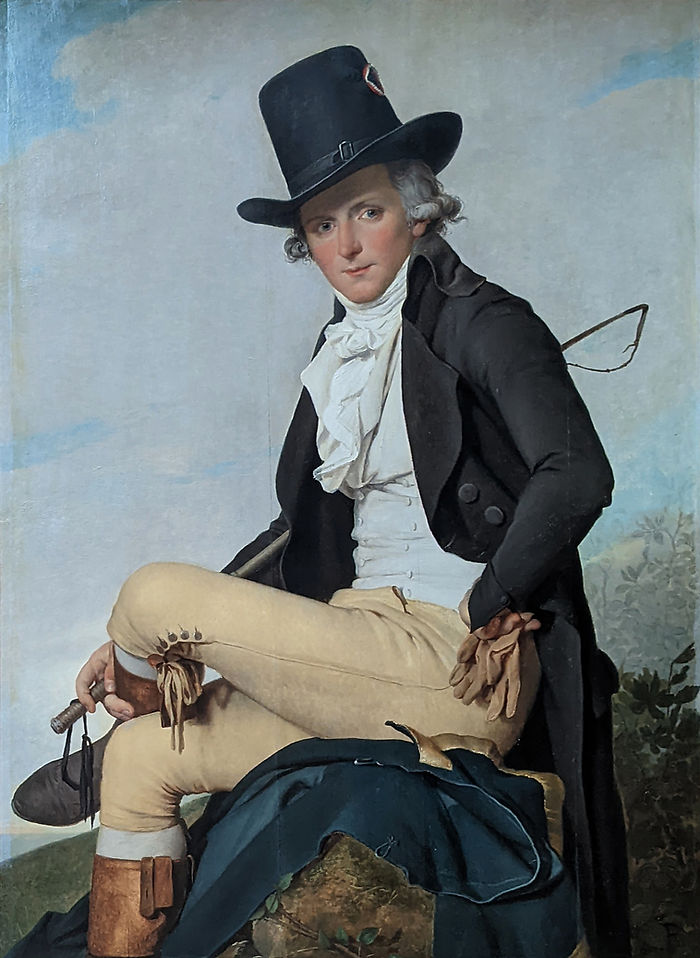
A man who highly prioritises his clothes, his standing in society, and his appearance is often referred to as a ‘dandy’. The era of ‘dandyism’ emerged during the Regency period. Though most would say this genre adhered to restrictions and a polished lifestyle, in the world of fashion it offered liberation from old aesthetics and was phoenixed into a new genre of men’s fashion. This shift in men’s fashion during that period became the foundation of men’s fashion today.
FLJ Insider Pro is open: live fashion law jobs and internships, five career guides and two roadmaps. Early bird USD 12/month. See what's inside
Before the age of dandyism, the ‘macaroni or fop’ aesthetic was all the rage. Men’s fashion was flamboyant, with striking ornamentation, a colourful palette, embroidered clothing, and powdered wigs. As society shifted, it was only fitting to stir the fashion statement itself, and the Regency birthed Beau Brummell.
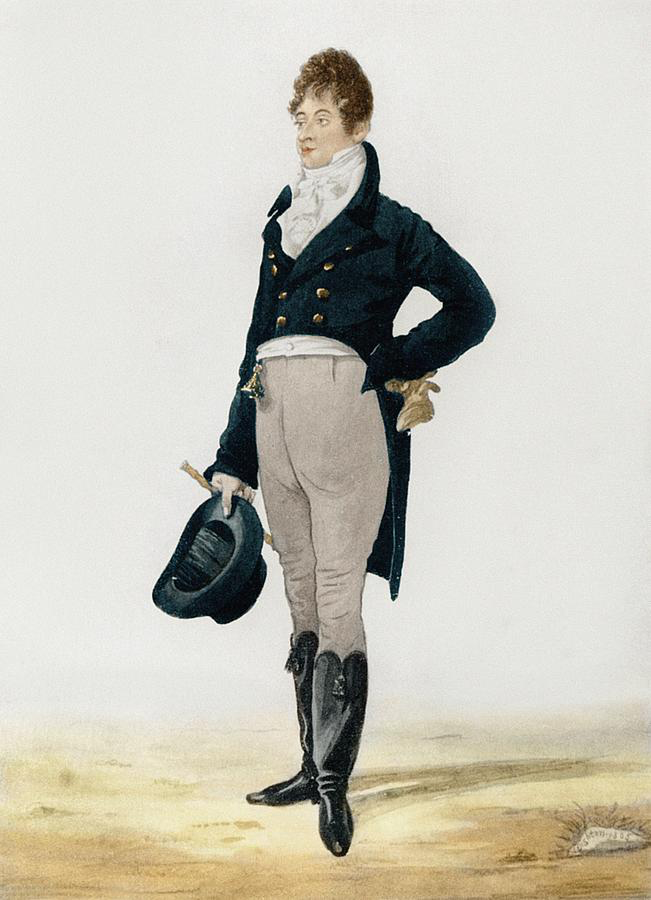
Beau Brummell was the Harry Styles of the Regency era. Born in 1778 in London, George Bryan Brummell was the trendsetter for all elite and educated men. He popularised well-fitted, custom-made clothing: a long dress coat, full- length pantaloons, a starched cravat and polished Hessian boots. His shift towards a clean, fitted attire had all the elite socialites reconsider their options.
The Fashion Pieces
The coat and the waistcoat were ideal outerwear. The front of the frockcoat is shortened to the size of the waistcoat, mimicking riding coats of that era.
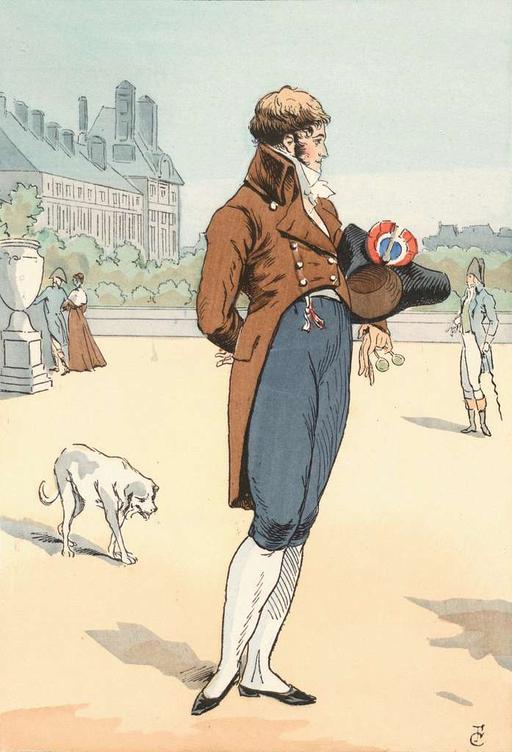
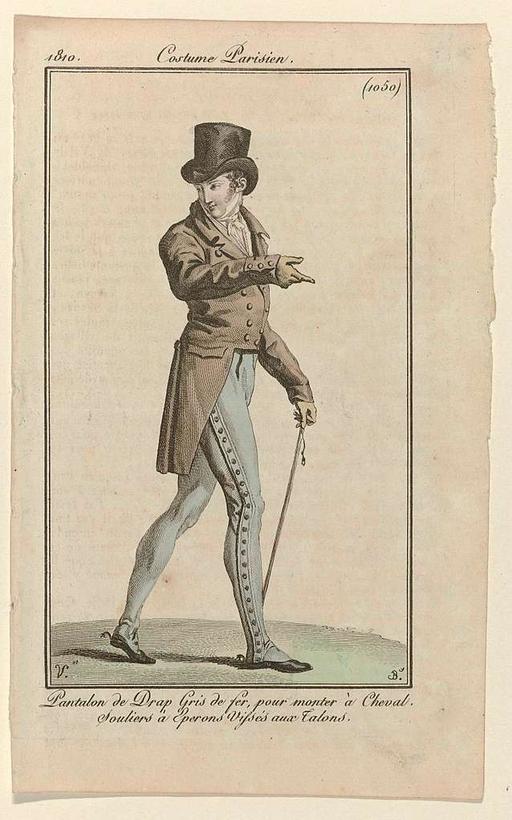
Pantaloons were all the rage for a dandy man. Pantaloons were slimmer-fitting and longer to accommodate the length of the tailcoats, with buttons all the way down to the leg.
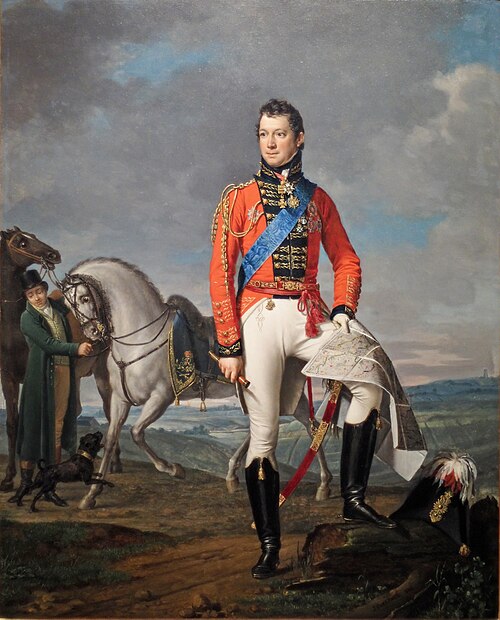
Men of the time opted for Hessian boots. Its unique frame gives it a clean- cut, polished look.
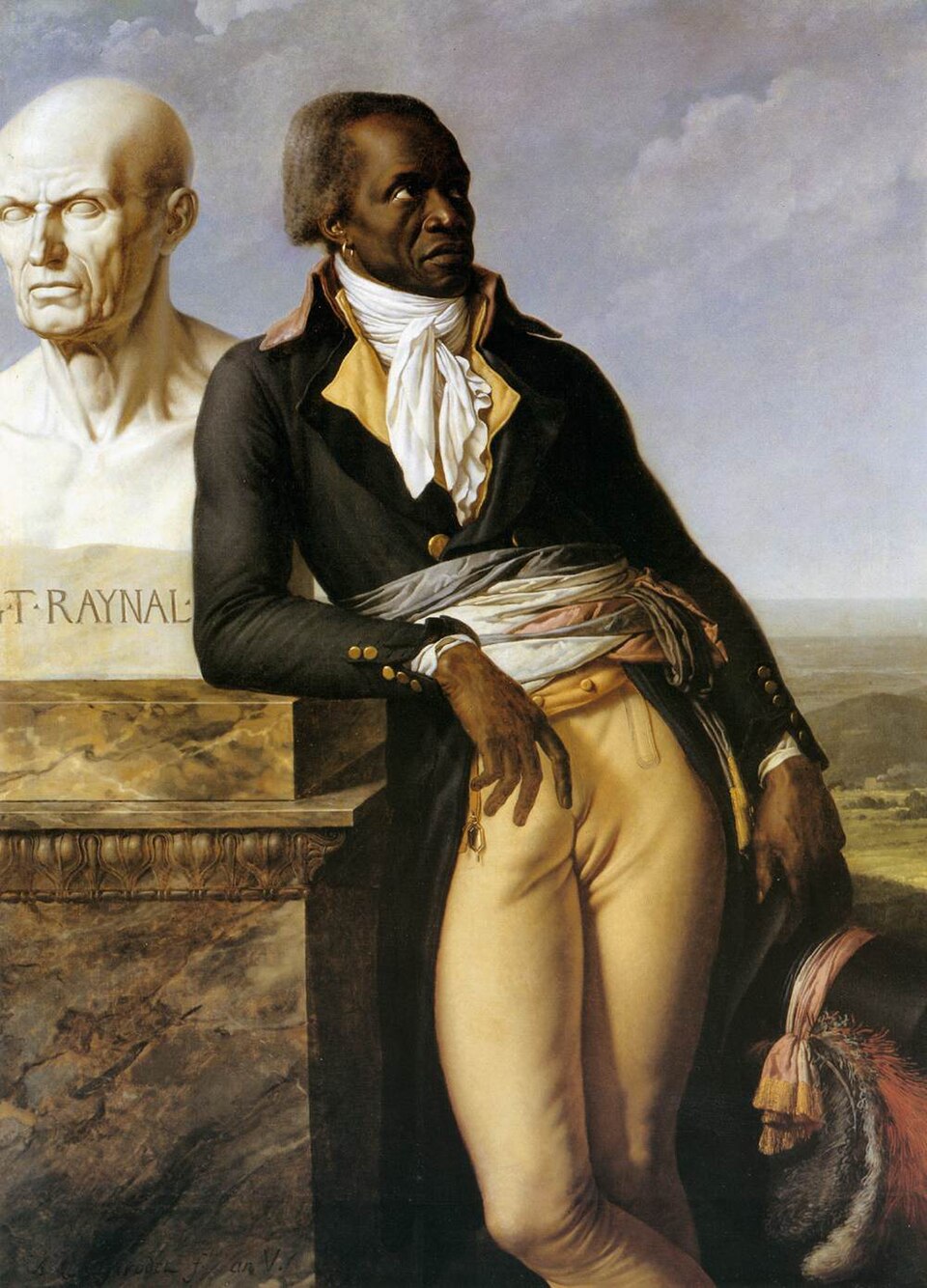
The starched white cravat, the most prominent accessory, was swapped from lace to linen, emphasising the knots of the cravat rather than the frilly lace.
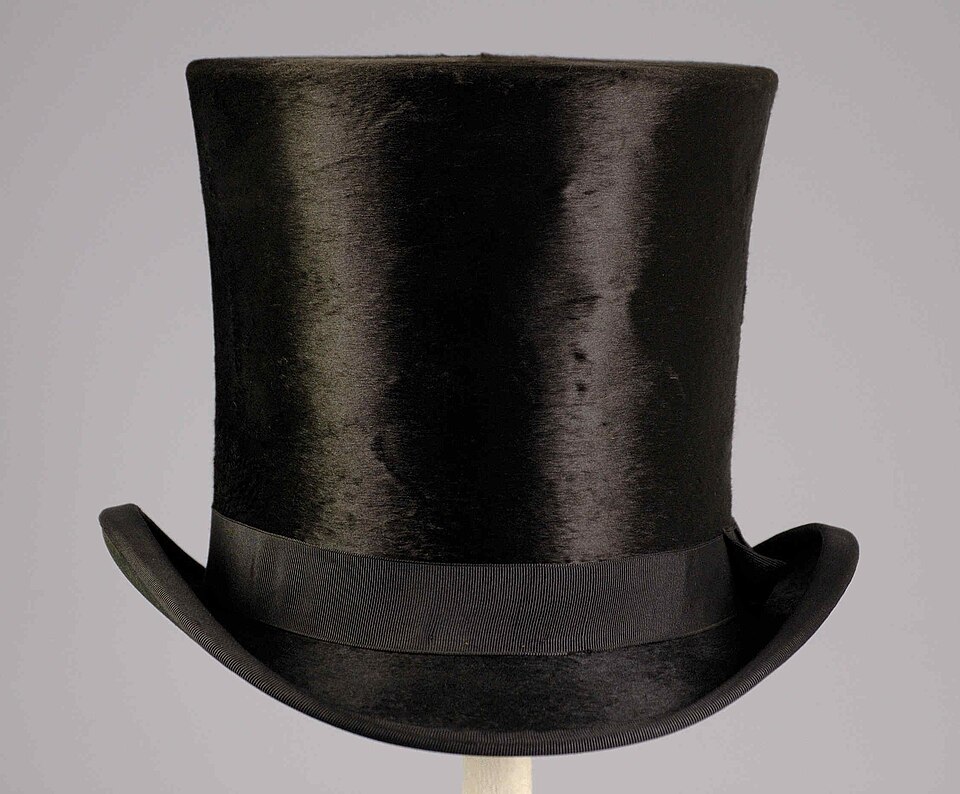
Nothing completes a man’s outfit without a hat. Top hats were in fashion; they were also called beaver hats.
The Legacy
Dandyism did not just transform 18th-century England; it gave life to a whole new dimension to men’s fashion, which is still at play even today. The clean and sharp looks, the polished footwear, and the perfected tailoring summoned an edge to masculinity.
It defined rebellion towards society’s flamboyant expectations, and notable men had done just that. This genre inspired a whole generation of men across the globe. Beau’s vision for the future of men’s fashion is one for the books.
Credits: https://www.paullettgolden.com/post/gentlemen-fashion
Also Read:
FASHION LAW JOURNAL INSIDER
Join designers, brand founders and fashion lawyers who get the biggest brand battles, IP fights and career moves in fashion law, straight to their inbox.