
Paris is the fashion capital of the world, and has been for roughly 150 years. Milan, New York and London follow it, with Tokyo the strongest case outside that group. Paris still holds the position because it controls the calendar’s final and most important week, because haute couture is legally protected there, and because the largest luxury groups are French.
The short version
- Paris ranks first on influence, concentration of luxury houses and legal protection of the couture designation.
- Milan is first on manufacturing and craft, and it is not close.
- New York leads on commerce, retail scale and, increasingly, on regulation.
- London leads on new talent and education, and consistently loses that talent to the other three.
- Tokyo, Seoul, Lagos and Copenhagen matter more each year, but none yet moves the global calendar.
What is the fashion capital of the world?
Paris. If you want one word, that is the word, and almost nobody in the industry seriously argues otherwise.
The reasons are structural rather than sentimental. Paris runs last in the fashion week sequence, which means it gets the final word on every season and the buyers arrive with their budgets still open. The world’s two largest luxury groups are French. And the term haute couture is not a marketing description in France, it is a protected designation with criteria administered by the Fédération de la Haute Couture et de la Mode. A house cannot simply call itself couture. It has to qualify.
That last point is the one people miss, and it is the most durable advantage of the four. Milan can out-manufacture Paris. New York can out-sell it. Neither can legislate a word.
How should fashion capitals be ranked at all?
Honestly, there is no official ranking, and anyone presenting one as objective fact is selling something. Different measures produce different orders, and the sensible thing is to say which measure you are using.
Ours uses five: influence on what gets made globally, concentration of major houses, manufacturing capability, commercial scale, and whether the city’s rules travel beyond its borders. That last criterion is unusual and deliberate. A city that changes how the industry behaves everywhere is doing something no amount of runway coverage matches.
| City | Strongest at | Weakest at |
|---|---|---|
| Paris | Influence, luxury groups, couture designation | Accessibility for new designers |
| Milan | Manufacturing, craft, supply chain depth | Renewal and new names |
| New York | Commerce, retail, regulation | Global creative influence |
| London | Talent, education, experimentation | Retaining anyone it trains |
| Tokyo | Design originality, street culture | Calendar position, export reach |
1. Paris
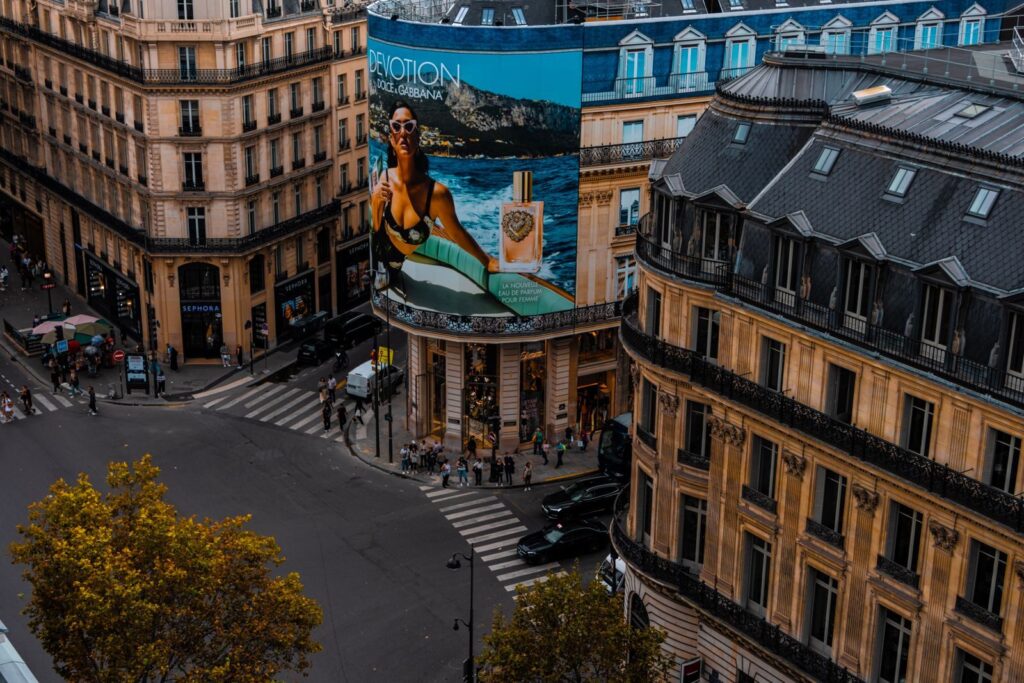
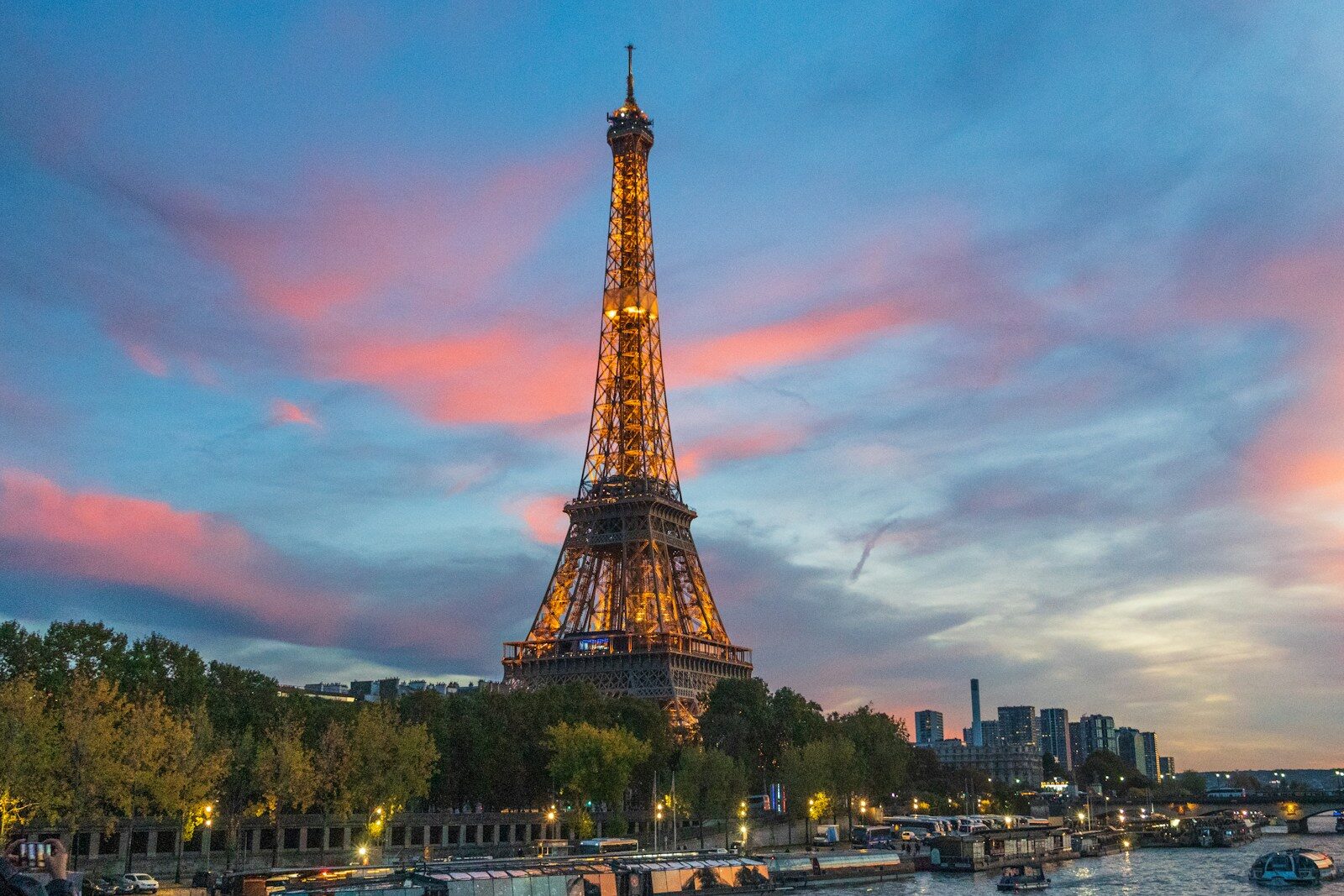
The final week, the biggest groups, and the only city where a category of fashion is legally defined.
Paris Fashion Week closes the season, which sounds like scheduling trivia and is actually the source of a great deal of power. Coming last means Paris shows are the ones people remember when the season is summarised, and the ones that set the direction commentators use to describe everything that came before.
The city’s weakness is the flip side of its strength. It is extraordinarily hard for an unknown designer to matter in Paris, because attention is monopolised by houses with a century of history and marketing budgets to match. Talent goes there to arrive, not to start.
Our longer treatment of the question is in why Paris is called the fashion capital of the world.
2. Milan
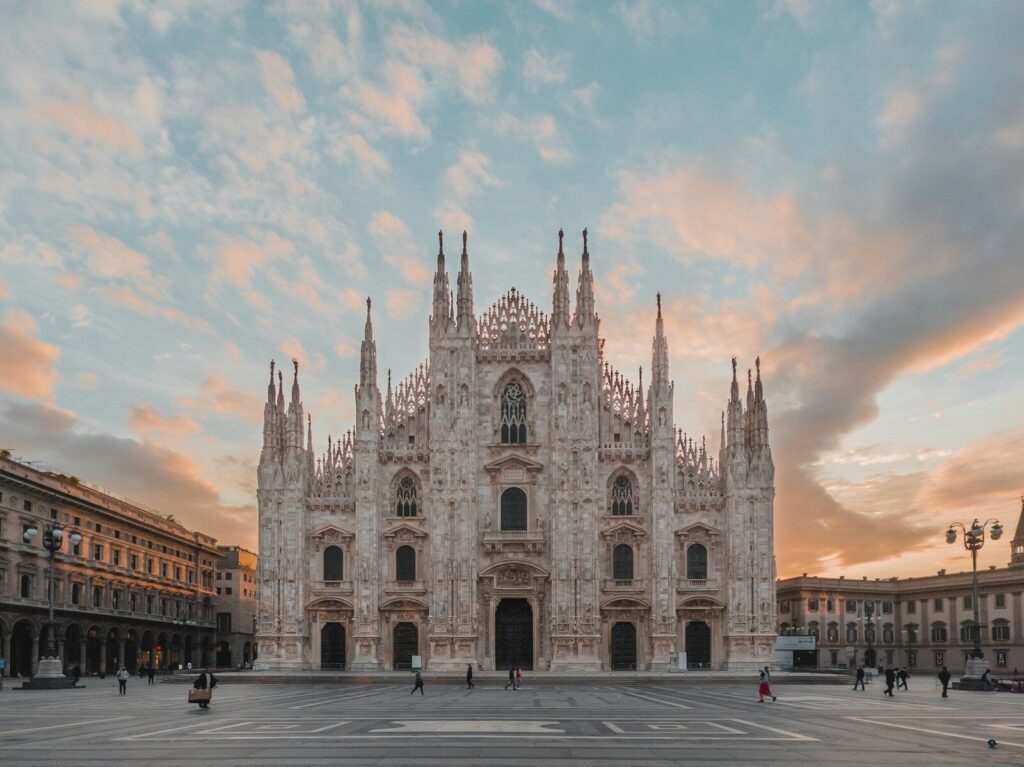
The city that actually makes the clothes.
Northern Italy holds a density of tanneries, mills, embroiderers, shoemakers and small specialist workshops that exists nowhere else at that quality. A French house showing in Paris is very often selling something made a few hundred kilometres away in Italy. That dependency is the real story of Milan’s ranking, and it is why the city sits second rather than fourth despite having fewer globally dominant brands than Paris.
It also has the sector’s most uncomfortable open question. The Italian supply chain has faced sustained scrutiny over subcontracting and labour conditions, and the gap between a luxury price and a workshop wage is a live regulatory issue rather than a journalistic one. Milan’s ranking is secure. Its licence to operate the way it always has is not.
Renewal is the other weakness. The Italian houses that dominate today largely dominated thirty years ago, and the pipeline of new Milanese names is thinner than it should be.
3. New York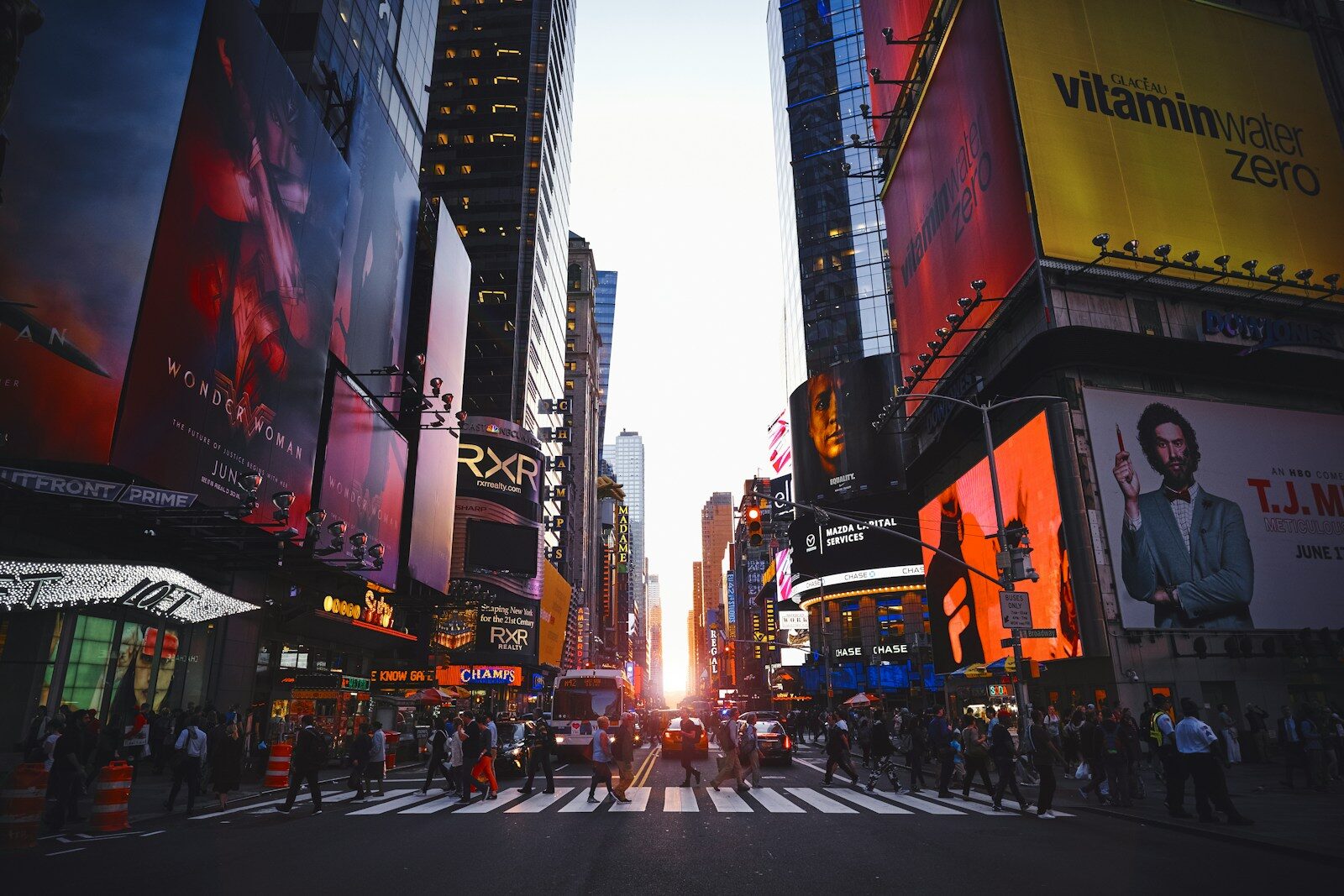

Where fashion is a business first and an art form second, which is a strength as often as it is a limitation.
New York’s claim rests on commerce: the retail infrastructure, the media, the advertising industry and the sheer size of the American market. It opens the fashion week sequence, which gives it first say and no last word.
What has changed recently is regulation. New York has become the place where the industry’s labour and environmental practices are being tested in legislation rather than in press releases, and rules written for the American market end up governing global brands. A house selling into New York complies with New York. That is influence of a kind Paris does not have. We covered the two most significant proposals in the New York Fashion Act and Fashion Workers Act.
4. London
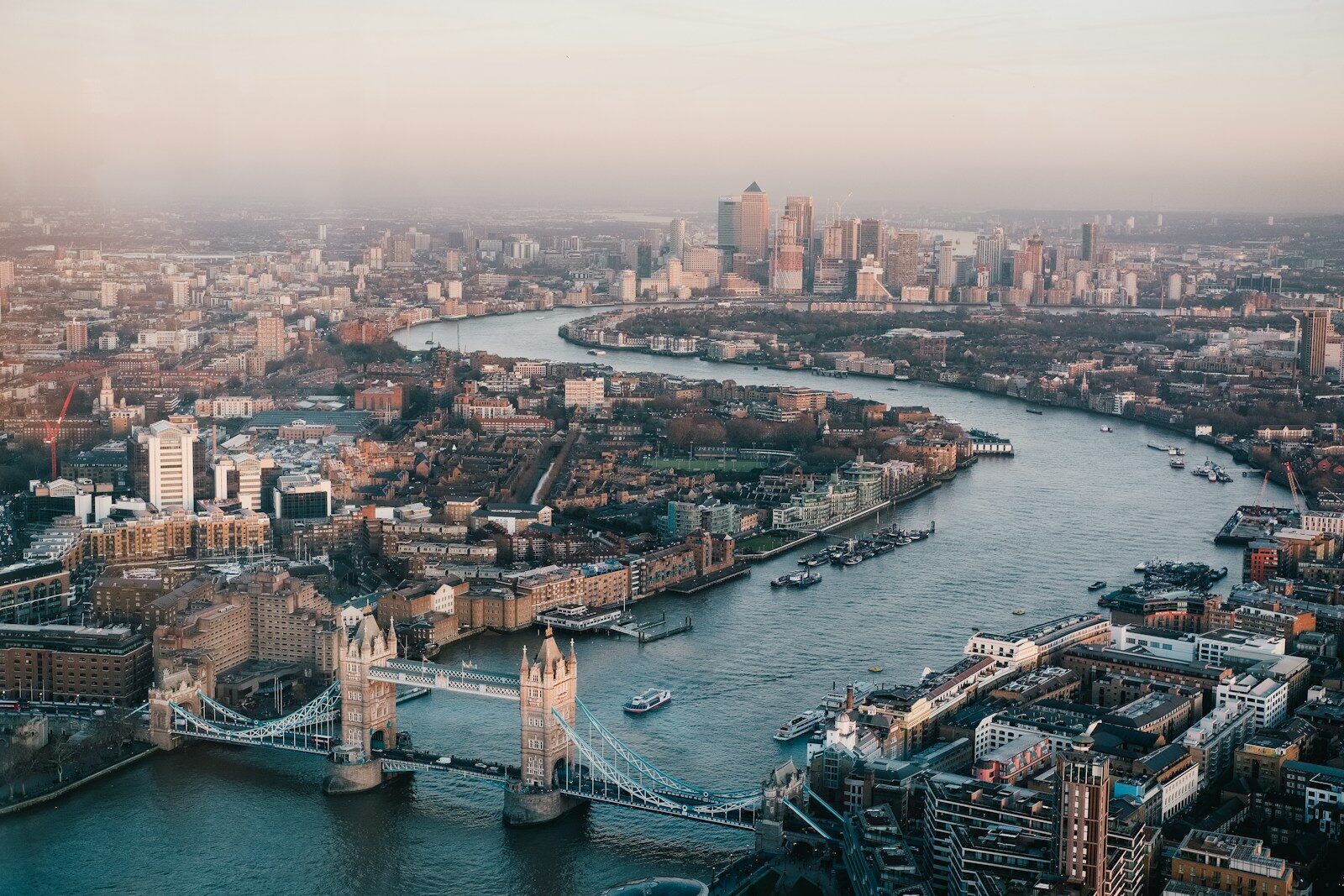 The best place in the world to start and one of the harder places to stay.
London’s schools have trained a remarkable share of the designers running major houses in Paris and Milan, which is both the city’s proudest statistic and its central problem. It produces talent and exports it. The commercial infrastructure to keep a young label alive through its unprofitable years is thinner than in New York and the manufacturing base is a fraction of Milan’s.
What London retains is genuine risk appetite. Its schedule still makes room for shows that no other capital would seat buyers at, and a meaningful number of those become the next decade’s mainstream. It is the research and development department of global fashion, with the funding model that implies.
5. Tokyo
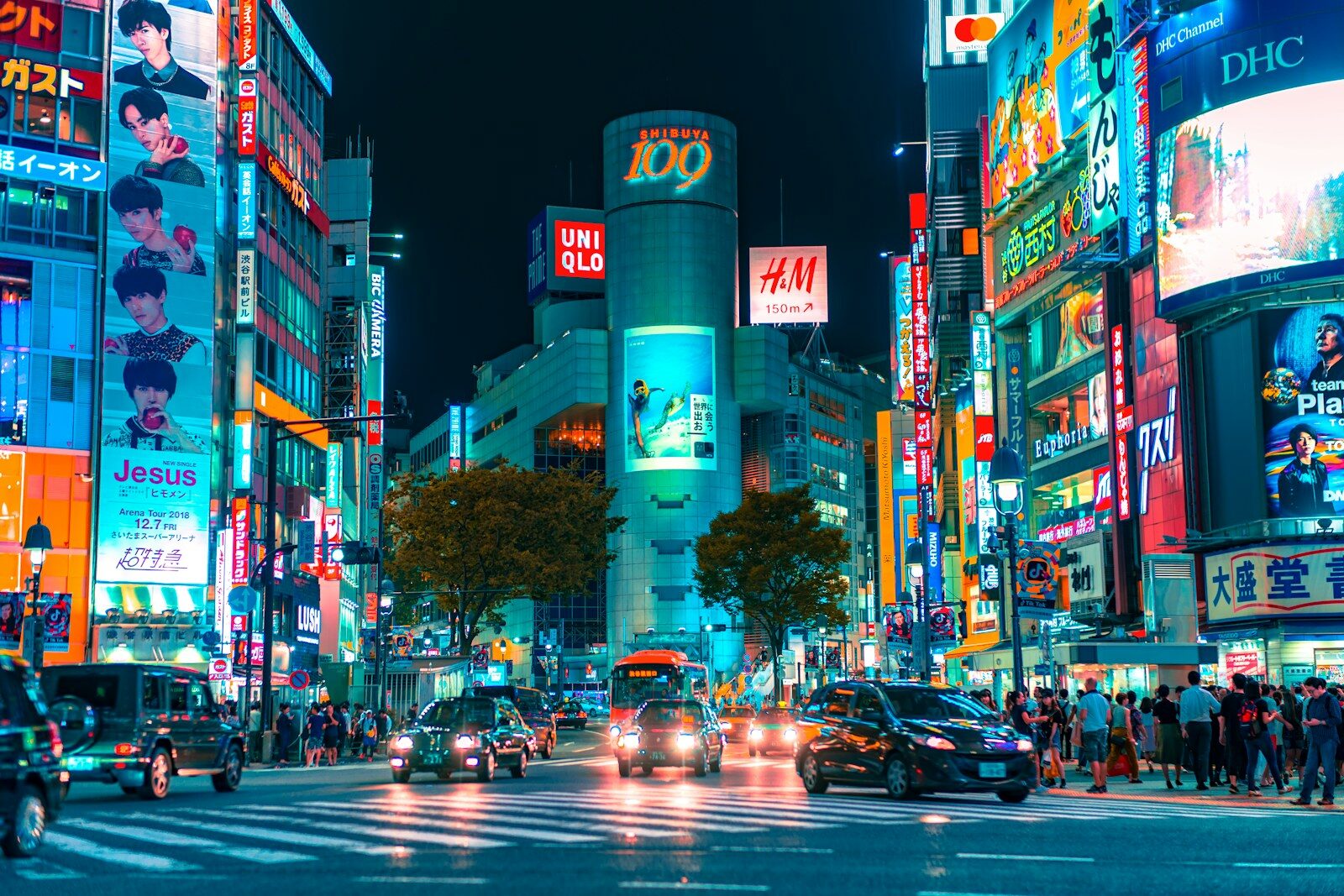 The strongest case for a fifth capital, and the one most often left out for reasons that are mostly about geography and time zones.
Japanese designers reshaped how clothes are cut. The influence of the Tokyo avant-garde on silhouette, proportion and the idea that a garment need not flatter is permanent and global. The city’s street culture has exported ideas for four decades, and the domestic craft base, particularly in denim and indigo, is world class.
Its limitation is structural. Tokyo Fashion Week does not sit at a point in the calendar where international buyers plan around it, and the language and distance barriers are real. Influence without calendar position is a real thing, but it is a different thing.
Which cities are actually closing the gap?
Seoul, on cultural export, where the pull of Korean media has done for Korean fashion what nothing else could have bought. Lagos, where a genuine design ecosystem has formed rather than a scattering of individual names. Copenhagen, which has tied its fashion week to enforceable sustainability requirements for participation, a small idea with disproportionate consequences. Shanghai and Mumbai on domestic market scale.
None of them displaces the top four soon, and pretending otherwise is condescending rather than generous. What is changing is that influence no longer has to route through Paris to become global, because distribution no longer does. A designer in Lagos reaches the same audience a designer in Paris does, at the same moment, at a fraction of the cost. That is a genuine break with how the last century worked, and we looked at part of it in our piece on phygital fashion weeks.
The uncomfortable corollary is that the flow of ideas from those cities into the big four is often uncredited and unpaid. Where a motif, a technique or a garment travels from a design tradition into a luxury collection without acknowledgement, the legal questions get difficult quickly. That is the subject of our piece on cultural appropriation and IP infringement, and the wider framework is in intellectual property in the fashion world.
If this is a field you want to work in rather than read about, where to study fashion law covers the routes.
Frequently asked questions
Which city is the fashion capital of the world?
Paris. It holds the final and most influential week of the fashion calendar, hosts the largest luxury groups, and is the only city where haute couture is a legally protected designation rather than a marketing term.
What are the big four fashion capitals?
New York, London, Milan and Paris. They run in that order each season, which is why Paris gets the last word and New York gets the first.
Why is Paris the fashion capital and not Milan?
Milan is stronger on manufacturing and craft. Paris is stronger on influence, on the concentration of globally dominant houses, and on the legal architecture around couture. Influence outranks production in this particular contest.
Is New York or London more important for fashion?
New York on commerce and regulation, London on talent and experimentation. New York shifts what the industry has to comply with. London shifts what it will look like in ten years.
Is there an official ranking of fashion capitals?
No. Various indexes exist and they disagree with each other, because they measure different things. Any ranking, including this one, is an argument with stated criteria rather than a measurement.
Which is the fashion capital of Asia?
Tokyo, on design influence and craft depth, with Seoul closing fast on cultural export and Shanghai on market scale. None of the three yet holds a position in the global calendar that buyers plan around.
FASHION LAW JOURNAL INSIDER
Join designers, brand founders and fashion lawyers who get the biggest brand battles, IP fights and career moves in fashion law, straight to their inbox.