
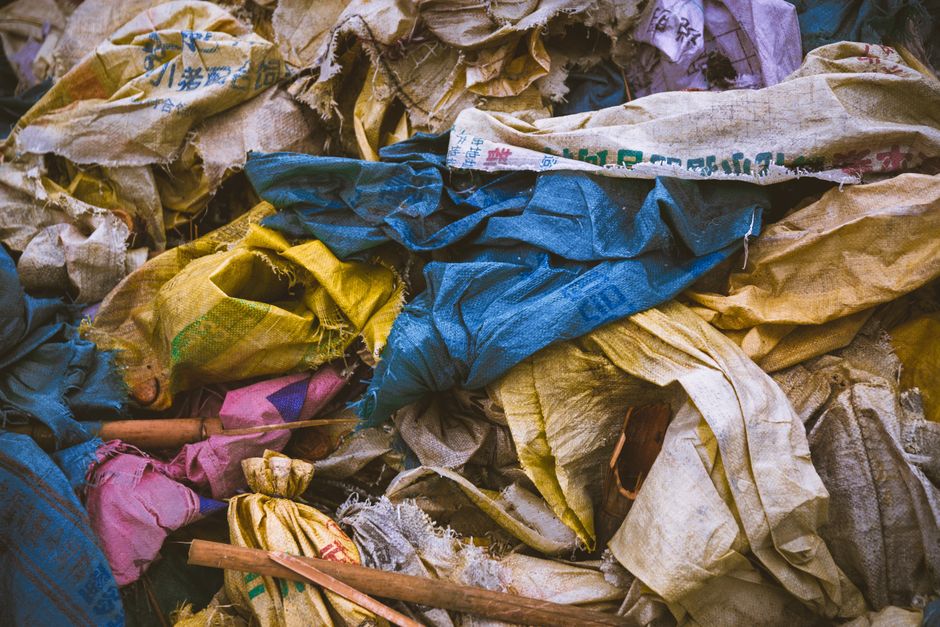
The fashion industry makes more clothing than it sells. UNEP counts 92 million tonnes of textile waste a year, and the European Environment Agency finds that the average share of unsold textile products in the research it reviewed is 21 percent. By the agency’s estimate, about a fifth of that unsold stock ends up destroyed. Rules in the EU, France and California now make parts of that work mandatory, and each law targets a different part of the job.
Start With Overproduction
Waste starts at the production order. A UNEP roadmap reports that McKinsey and the Global Fashion Agenda calculated that cutting overproduction by 10 percent would reduce emissions by about 158 million tonnes in 2030. Brands pursue that goal by ordering smaller first runs and reordering against real sales. Operations researchers call one approach quick response, a system that delays finished-goods production until demand is known.
Brands also have to measure what they waste. Fashion Revolution found, as the European Environment Agency’s research partners report, that only 12 percent of brands worldwide disclosed the volume of post-production waste they generated in 2022. EU law is ending that silence, because large companies must now publicly report how much unsold stock they discard, and a standardised reporting format applies from February 2027.
Keep Garments in Use Longer
Longer use cuts waste at the other end. The same UNEP roadmap reports that doubling the number of times a garment is worn, from 30 to 60, reduced its functional greenhouse gas footprint by about 50 percent in Mistra Future Fashion’s analysis. The Ellen MacArthur Foundation puts the saving from doubling average use at 44 percent. Brands act on that finding through repair and resale services and through designs built to last.
EPR laws push in the same direction. The revised Waste Framework Directive, which entered into force on 16 October 2025, makes textile producers pay for the collection, sorting and recycling of used clothing, and it gives member states 30 months to set up their schemes. The directive calls for fees that vary with a product’s environmental performance, so a garment built to be repaired can cost its producer less than one built to be discarded.
Sell, Donate or Recycle Unsold Stock
Destruction is the practice the law now targets most directly. France acted first. Since 1 January 2022, Article 45 of the AGEC law has required producers, importers and distributors to find a reuse or recycling route for unsold non-food products, with a fine of up to €15,000 per breach for a legal entity. The Ellen MacArthur Foundation describes France as the first country to ban the destruction of unsold non-food products.
The EU followed in 2026. Since 19 July 2026, large companies cannot destroy unsold clothing, accessories or footwear in the EU, and medium-sized companies follow in 2030. The Commission estimates that between 4 and 9 percent of textile products placed on the European market are destroyed before use, which amounts to between 264,000 and 594,000 tonnes a year. Sending unsold goods to a recycler does not satisfy the ban automatically, because the regulation treats recycling as destruction unless one of the ten listed exemptions applies. Micro and small enterprises, those with fewer than 50 employees and turnover of no more than €10 million, fall outside the ban.
Pay for What Is Left: Producer Responsibility
California took a different route. Its Responsible Textile Recovery Act, SB 707, requires producers to join an approved producer responsibility organisation by 1 July 2026 and to participate in its stewardship plan by 1 July 2030, or sooner if CalRecycle approves the plan. The organisation must plan and fund the collection, repair, sorting and recycling of post-consumer apparel and textiles. Non-compliance carries administrative penalties of up to $10,000 per day, or $50,000 per day for intentional violations, and producers with sales under $1 million are excluded.
France has required textile producers to fund collection since 2007, and they now do so through the eco-organisation Refashion. The EU and California are building comparable systems.
What Brands Should Do Now
Track unsold stock by style and by exit route, whether resale, donation, recycling or discard, because the EU requires public figures on discarded stock and compliance guides for France advise keeping proof of each disposal. Sign agreements with resale and donation partners before the season ends, because a large EU company or a brand selling in France needs a lawful exit for every unsold unit. Budget for EPR fees in California and the EU, and register with the California organisation if the brand sells there.
Communications need the same discipline. A brand that calls itself “zero waste” must hold evidence for the claim, and the EU’s EmpCo directive bans generic environmental claims unless a brand can show recognised excellent environmental performance. Waste figures that a brand reports under one law will be read against its marketing under another.
FASHION LAW JOURNAL INSIDER
Join designers, brand founders and fashion lawyers who get the biggest brand battles, IP fights and career moves in fashion law, straight to their inbox.