


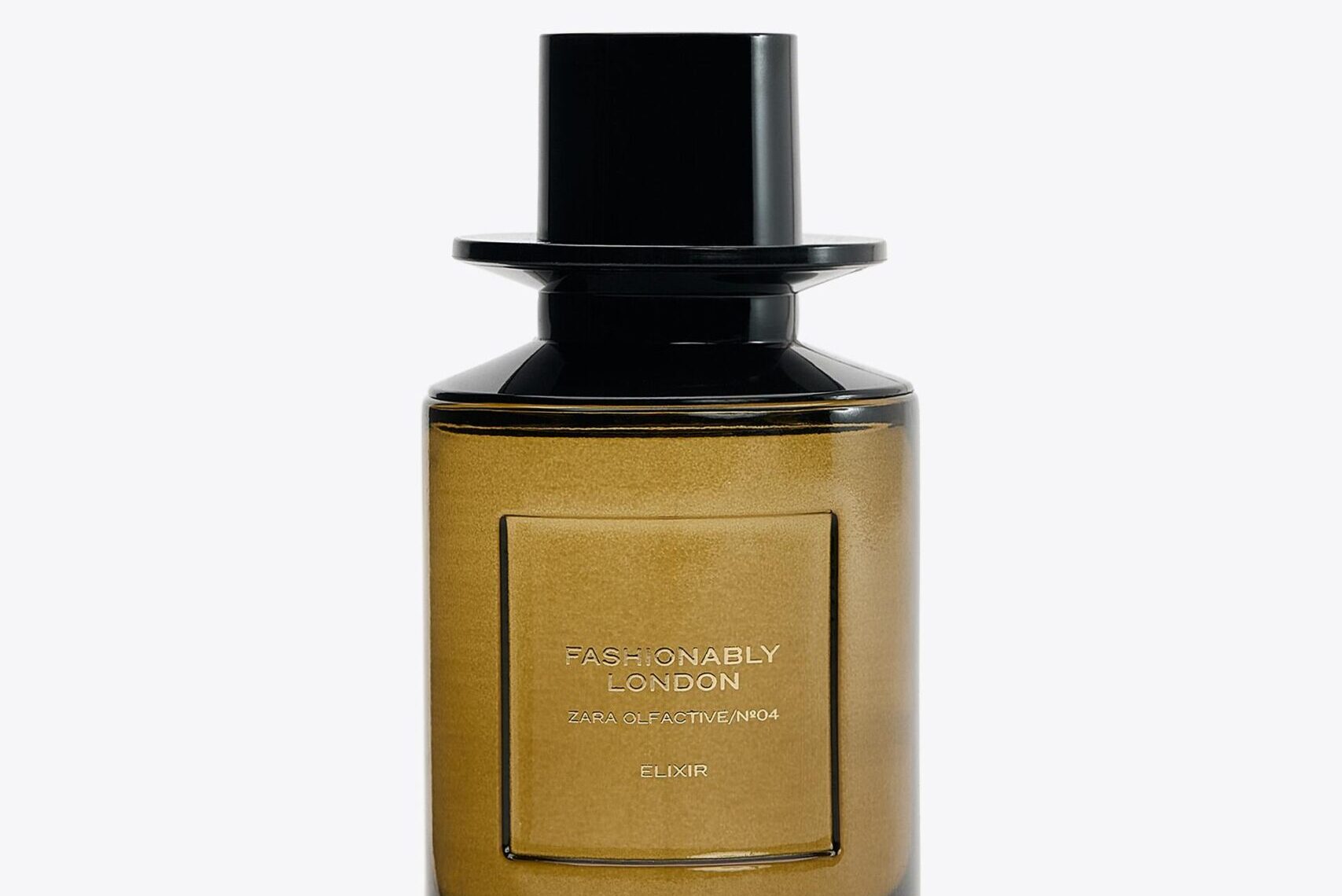
In the beauty industry, a founder’s name often becomes the brand’s most valuable asset. But when that name is sold for commercial use, it may no longer belong to the person who built it. The ongoing dispute between Estée Lauder and British perfumer Jo Malone is a perfect example of why a legal name needs safeguarding and how the legal ownership of a name can outlast the creator behind it.
The Past
Estée Lauder is currently suing British perfumier Jo Malone over her use of her own name in a fragrance collaboration with Zara. The dispute dates back to 1999, when Malone sold her perfume brand, Jo Malone London, to the US cosmetics giant for millions of dollars. The acquisition included not only the brand and its business operations but also the commercial rights to the name “Jo Malone” itself for marketing and branding purposes.
At that time, this deal appeared to be a success story for a founder-led beauty brand. However, the agreement came with significant restrictions. As part of the sale, Malone agreed not to use the Jo Malone name in fragrance branding or marketing and was also subject to a non-compete clause that prevented her from working in the fragrance industry for several years.
Malone later described the sale as “the worst decision of my life,” explaining that the contractual restrictions effectively separated her from the industry she had helped shape. For years after the acquisition, she was unable to commercially use her own name or return to perfume creation in a meaningful way.
When the non-compete clause finally expired in 2011, Malone returned to the fragrance world by launching a new venture of her own called Jo Loves. The brand allowed her to re-enter the market creatively, while carefully avoiding direct use of the Jo Malone trademark in ways that could conflict with Estée Lauder’s rights.
The Present
The current dispute arose from Jo Loves’ collaboration with Zara on a fragrance collection. Packaging and marketing materials for the products reportedly included the phrase “Created by Jo Malone CBE, founder of Jo Loves.” Estée Lauder argues that this reference legally breaches a boundary established in the 1999 agreement.
The lawsuit alleges breach of contract, trademark infringement, and passing off, a doctrine that addresses situations where consumers may be misled into believing that goods are associated with another company. According to Estée Lauder, referencing Malone’s name in connection with fragrances risks trading on the goodwill of Jo Malone London, the brand it has owned since 1999.
At the heart of the dispute is a question common in founder-led industries: how far can creators go in referencing their own identity after selling trademark rights tied to their name? As legal commentary has noted, “the devil will ultimately lie in the details of the original agreement. What rights were transferred, how the restrictions were drafted, and how broadly they were intended to apply.”
The conflict also reflects a broader pattern across the fashion and beauty sectors. Eponymous brands, those named after their founders, often blur the line between personal identity and corporate ownership. Once brands are sold, the founder’s name may legally become a commercial asset controlled by someone else.
Several designers and beauty entrepreneurs have faced similar dilemmas after selling their companies. While founders may seek to build new ventures around their personal identity, previous agreements can limit how that identity is used in marketing or branding.
Editorial Opinion
The Estée Lauder and Jo Malone dispute, therefore, highlights a fundamental risk in selling an eponymous brand: the transfer of trademark rights can place lasting restrictions on how founders present themselves in the same industry.
For lawyers and entrepreneurs alike, the lesson is straightforward but significant. Contracts involving name rights must be drafted with extraordinary precision. Founders should carefully consider whether they are permanently relinquishing the ability to use their own identity commercially and whether any restrictions should be time-limited or narrowly defined.
As the lawsuit progresses, it will test the limits of how personal identity can be referenced after trademark rights are sold. For an industry built on personal storytelling and founder narratives, that question carries substantial legal and commercial implications.
Ultimately, the case serves as a cautionary reminder that selling a brand name may also mean selling a piece of oneself. Ensuring that contracts clearly define what is being transferred and what remains with the founder may be the difference between a successful exit and decades of legal restraint.