

When Fashion Meets Finance
In the infamous Bollywood Film “Zindagi Na Milegi Dobara”, a memorable scene depicting the purchase of a Hermès Kelly bag worth around 12,000 Euros (in 2011) was meant to showcase the extravagance and lifestyle of high-earning individuals.
However, today, the same bag in the secondary luxury market can command a price of up to $25,000–$35,000+ USD. With Luxury handbags showing ~13% annual growth in the Knight Frank Luxury Investment Index, it raises a curious question in this context: can a handbag function as a financial asset?
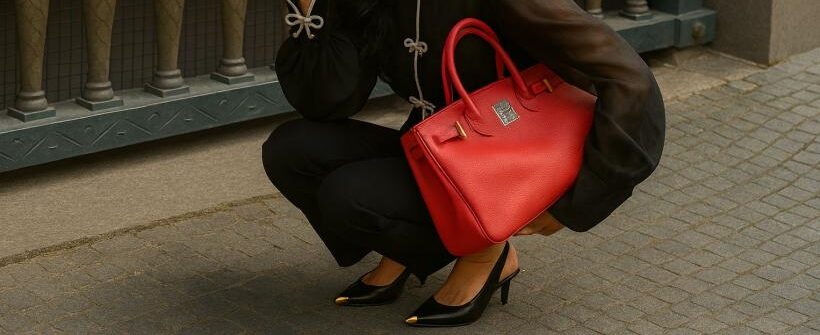
Luxury handbags, particularly the ones produced by Hermès, such as the Hermès Birkin bag and Hermès Bag, have increasingly been discussed not merely as accessories but also as alternative investments. Over the past few decades, these luxury goods have displayed price appreciation patterns contrasting with traditional asset classes such as Gold and Equities. At this crossroad of luxury fashion, economics and law lies an intriguing phenomenon where consumption, status and investment come together at play.
Luxury Handbags as an Alternative Investment
Investors conventionally allocate wealth across stocks, bonds, commodities and other traditional modes. However, alongside these types of investments, there has also been a rise of alternative investments, including art, wine, and Luxury Handbags. Multiple financial analyses indicate that the Birkin bags delivered an average annual return of approximately 14% between 1980 and 2015, marking it an outperformer to many traditional investment instruments in the same period, including the S&P 500 Index.
Furthermore, luxury handbags are a recognised instrument in the global luxury ecosystem, especially for investment. The Knight Frank Luxury Investment Index tracks the performance of collectables such as classic cars, wine and handbags, highlighting the growing financial relevance of such goods. The strongest performers in this index have often been Handbags.
This phenomenon is often considered to be driven by the thriving secondary market for luxury fashion. These luxury handbags transform into tradeable assets through auction houses and resale platforms. Institutions such as Sotheby’s and Christie’s regularly host handbag auctions where rare Hermès pieces can sell for hundreds of thousands of dollars. Even online luxury resale platforms like Vestiaire Collective and Rebag have further democratized access to this market.
In some cases, rare models like the limited-edition Birkins or Mini Kelly bags appreciate sporadically, sometimes achieving price increases exceeding 92 percent in the resale market. As a result, luxury handbags increasingly occupy a space at the intersection of fashion consumption and financial speculation.
The concept of Scarcity and Veblen Goods
The remarkable performance of select luxury handbags can be explained through the economic theory of Veblen Goods – a category of goods where demand is directly proportional to price, as a higher price signals both exclusivity and status. Unlike most fashion brands that aim for maximal sales and distribution, Hermès strictly limits the production of its most desirable handbags. This cultivated scarcity is a deliberate business strategy. Each Kelly is handcrafted by a single artisan, a process that can take up to numerous manual hours. This meticulously designed production method inherently restricts supply.
Moreover, Hermès maintains a tight grasp over distribution channels. For example, you can not simply walk into their store and make a purchase; rather, these bags are generally offered only to select clients who already have a built relationship with the said brand.
From the outlook of finance, scarcity and prestige create a powerful combination that supports price appreciation in the long term. Thereby, it’s considered that Hermès does not merely sell handbags but also status and desirability embedded into a tangible good.
Distribution control in Fashion Law
The legal framework governing the distribution of luxury goods comprises various pillars. One commonly used strategy in this aspect is selective distribution, which allows companies to ensure that certain standards regarding pricing and store presentation are maintained. Hermès has created an environment where access to its most coveted products is restricted to prevent overexposure and discounting. However, with this strategy, certain questions surrounding the legality of this approach are also raised. With many consumers alleging Hermès of practising the concept of ‘pre-spending”
From the perspective of fashion law, these practices raise concerns surrounding tying arrangements. Tying arrangement refers to when the sale of one product is directly or indirectly dependent on the purchase of another. Under the antitrust law framework of various jurisdictions, tying agreements may be scrutinised if the company possesses significant market power and/or if such a practice restricts consumer choice.
Whether this approach constitutes an unlawful tying arrangement still remains debated. With supporters terming it “a relationship-based retail experience’ and critics terming it “anti-competitive conduct”.
The Potential Risk of Fashion as an Investment
While analysing the impressive performance of some luxury handbags, financial experts argue against regarding fashion goods as traditional investments. When compared to stocks and index funds, luxury items lack standardised pricing mechanisms and also depend on subjective factors such as condition, accessibility and consumer preferences. These risks include, but are not limited to: Volatility of Resale Market, Dependence on Fashion trends, havoc of storage and maintenance to preserve value.
Liquidity is another challenge in this aspect, where stocks can be sold with ease in public markets, but at the same time, luxury handbags require auctions or resale platforms, again adding to time and transaction fees. Therefore, luxury handbags occupy the category- part lifestyle purchase and part speculative asset.
Conclusion
The rise of luxury handbags as financial assets reveals a unique convergence of fashion, economics and law. Hermès Birkin and Kelly bags are products that depict how brand identity, controlled identity and symbolism can transform an accessory into a highly sought-after investment accessory.
Yet this phenomenon raises questions about value and whether these handbags are truly financial assets or are they mere sophisticated expressions of status enforced by careful legal and economic positioning.
The answer lies somewhere in the middle, wherein luxury handbags blend financial potential with artistry and prestige; while some cherish their status, others find comfort in simple investments.
