
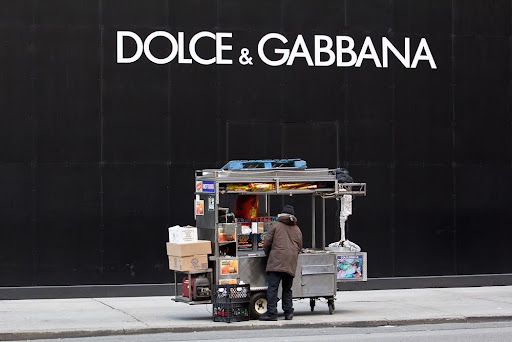
Dolce & Gabbana, generally known for its dramatic runway shows, bold campaigns and unmistakably Italian image, is now dealing with a very practical problem: rising debt and falling profits.
The privately owned Italian fashion group has reached an agreement with its lending banks after breaching financial conditions attached to its loans. The deal provides the company time to improve its finances, but it also means Dolce & Gabbana now has to find new ways to bring cash into the business.
The company’s latest financial statements show that revenue fell by around 2% to €1.86 billion for the financial year ending March 31, 2026. At the same time, its operating loss was just over €100 million. Net financial debt rose sharply to €464.5 million, compared with €379.6 million a year earlier. For a company that remains independent while many other major luxury brands have joined larger groups, these numbers are notable.
Banks Give Dolce & Gabbana More Time
The agreement with its lenders effectively gives Dolce & Gabbana some breathing room. The banks have waived the remedies that could have followed the company’s breach of its financial covenants and suspended the usual covenant testing until March 31, 2028. In simple terms, the company has been given time to get its finances back on track rather than immediately facing the consequences of missing those loan requirements.
But this also comes with conditions.
Dolce & Gabbana has committed to carrying out what its financial documents describe as “extraordinary financing transactions” to strengthen liquidity. The company aims to bring its net debt-to-EBITDA ratio below three times by March 2028.
Selling Assets to Raise Cash
One option being explored is selling some of Dolce & Gabbana’s properties. Earlier reports indicated that the company was considering selling real estate assets such as properties in central Milan and potentially leasing them back afterwards. A sale-and-leaseback arrangement would allow the fashion house to unlock money tied up in property while continuing to use the buildings.
The company has not said it is selling its core fashion business. Instead, these moves appear to be focused on freeing up cash without disrupting its everyday operations. For Dolce & Gabbana, the immediate objective is to improve liquidity while keeping control of the business.
A Positive Side
However, not every part of the business is struggling in the same way. According to Reuters, growth in Dolce & Gabbana’s beauty division helped offset weaker performance in its core fashion business during the year, with Beauty becoming an increasingly important part of the group’s strategy, particularly as luxury companies look beyond traditional ready-to-wear and accessories for growth.
The company has also already found another source of cash. In April, Dolce & Gabbana extended its existing eyewear licensing agreement with EssilorLuxottica until 2050, raising €150 million through the deal. That move shows that the company is not relying on just a singular solution but also using licensing, potential asset sales and financial restructuring to improve its position.
Why This Matters for Luxury
Dolce & Gabbana’s situation reflects a bigger change happening across the luxury industry. Luxury brands have traditionally been associated with enormous spending on stores, fashion shows, advertising, real estate and global expansion. But when consumers become more cautious, those costs can become harder to support.
What makes Dolce & Gabbana’s case particularly interesting is its independence. Unlike brands owned by large luxury groups, it does not have the same kind of corporate parent that can easily provide financial support during a difficult period. Business of Fashion reported earlier this year that the company’s lenders were seeking up to €150 million in fresh funds as part of a wider refinancing of around €450 million of debt. The latest agreement suggests that the company is now taking concrete steps to address that pressure. For now, there is no indication that Dolce & Gabbana is stepping away from fashion. Its collections, stores and beauty business continue to operate. What is changing is what happens behind the scenes.
The brand may still look the same from the outside, but financially, the next few years will be about something much less glamorous: managing debt, raising cash and protecting its independence.
Frequently Asked Questions
- Why did Dolce & Gabbana need a debt waiver?
The company’s net financial debt rose to €464.5 million while it recorded an operating loss of more than €100 million, causing it to breach conditions attached to its bank loans. - What has the bank agreement changed?
The lending banks waived remedies linked to the breaches and suspended covenant testing until March 31, 2028, giving Dolce & Gabbana additional time to strengthen its finances. - Is Dolce & Gabbana selling its fashion brand?
No. The reported plans involve raising cash through financing measures and potentially selling assets such as real estate. There is no reported plan to sell the core fashion house.
FASHION LAW JOURNAL INSIDER
Join designers, brand founders and fashion lawyers who get the biggest brand battles, IP fights and career moves in fashion law, straight to their inbox.