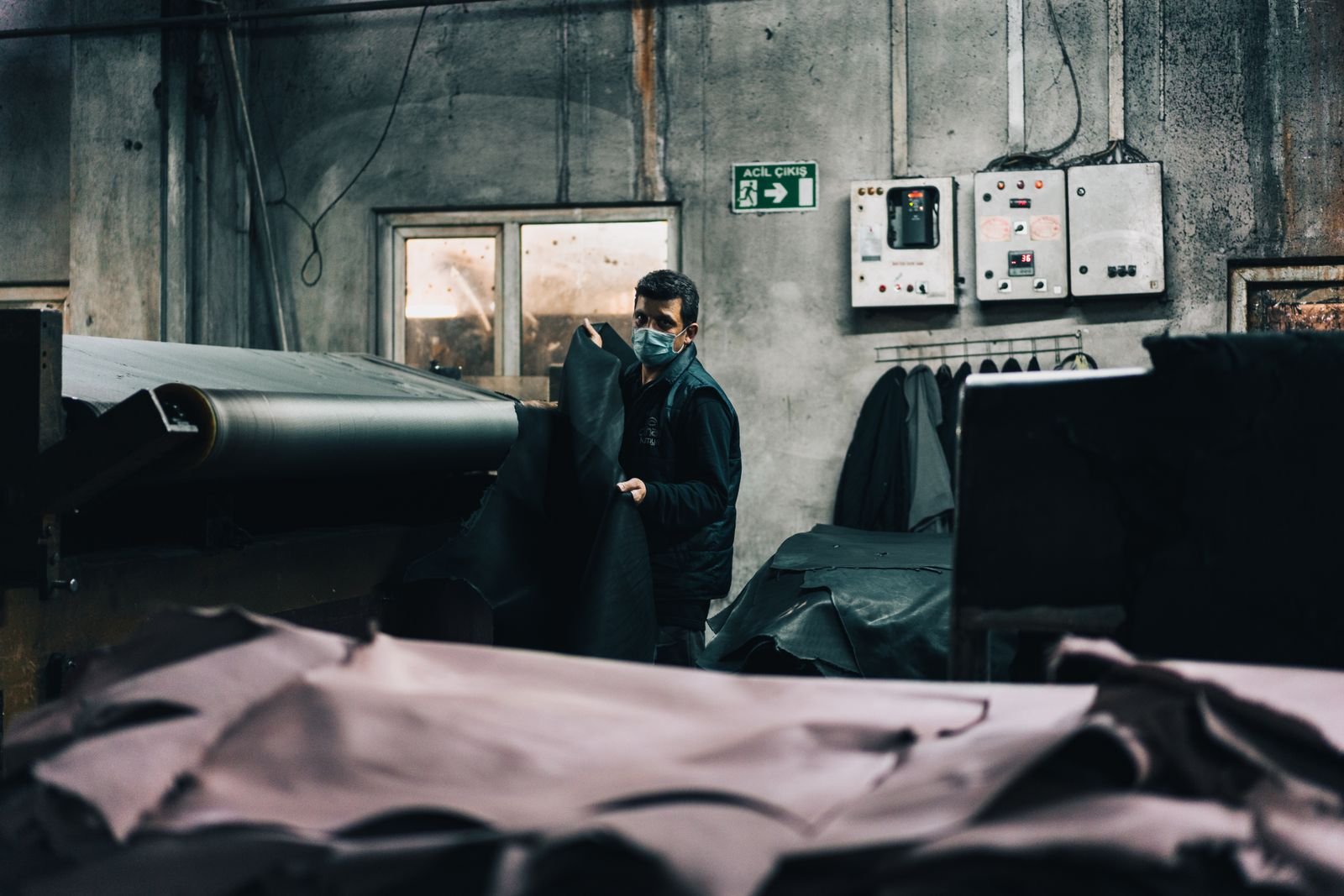
For three years the EU Deforestation Regulation hung over the leather trade. Raw hides, tanned hides and finished cattle leather were all listed in the law, which meant tanneries and the brands buying from them were preparing to trace each hide back to the farms where the animal was kept. On 18 September 2026 that changed: a Commission delegated regulation took cattle hides, skins and leather out of the EUDR. This guide explains what happened, why, when the rest of the EUDR applies, what due diligence would have involved, and what still matters for fashion.
Short answer: Leather is no longer covered by the EUDR. Delegated Regulation (EU) 2026/2102, in force since 18 September 2026, deleted raw hides (HS 4101), tanned or crust hides (4104) and finished cattle leather (4107) from Annex I. Live cattle and beef remain in scope, the EUDR applies from 30 December 2026, and leather’s inclusion will be reconsidered in a 2030 review.
Key takeaways
- The Commission adopted the delegated act on 13 July 2026; it was published in the Official Journal on 17 September 2026 and entered into force the next day.
- Leather goods such as bags and shoes were never listed in the EUDR, so with hides and leather gone, cattle leather supply chains now sit outside it.
- The EUDR applies from 30 December 2026 for large and medium operators and from 30 June 2027 for most micro and small operators.
- Penalties for in-scope products include fines of at least 4% of EU turnover, confiscation and exclusion from public procurement for up to 12 months.
Is leather still covered by the EUDR?
No. Regulation (EU) 2023/1115 bans placing seven commodities, and products made from them, on the EU market or exporting them unless they are deforestation-free, legally produced and covered by a due diligence statement. The commodities are cattle, cocoa, coffee, oil palm, rubber, soya and wood. Which products count is decided by the list in Annex I, and as adopted in 2023 that list included three leather entries for cattle: raw hides and skins (ex 4101), tanned or crust hides and skins (ex 4104) and leather further prepared after tanning or crusting (ex 4107).
Commission Delegated Regulation (EU) 2026/2102 of 13 July 2026 deleted all three. It was published in the Official Journal on 17 September 2026 and entered into force the day after, with no transition period for the removals. The Commission’s July 2026 announcement listed “cattle hides, skins and leather” among the removals, together with retreaded tyres, soybeans for sowing, some vulcanised rubber articles, conveyor and transmission belts, and aircraft and motor vehicle seats.
FLJ Insider Pro is open: live fashion law jobs and internships, five career guides and two roadmaps. Early bird USD 12/month. See what's inside
Cattle themselves stay in. Live cattle, now defined as animals of the genus Bos, beef and edible cattle offal remain in Annex I, and the delegated act adds frozen cattle tongues from 30 December 2027. One oddity: the Commission’s general EUDR overview page still gives leather as an example of a derived product. The Official Journal text is what counts.
Why did the Commission take leather out?
The reasons are in recital 5 of the delegated regulation. Hides and leather are by-products of cattle raised for meat, and the leather value chain is separate from the meat chain. Hides are worth relatively little compared with meat, so EU tanneries and importers have limited leverage to demand traceability data from the slaughterhouses and farms further up the chain. The recital also accepts a structural flaw: because finished leather products were never in scope, covering hides and leather but not the bags and shoes made from them created what it calls a “fragmented and incoherent approach”, which could move deforestation risk elsewhere instead of eliminating it.
The change came out of a wider simplification process. In December 2025 the EU legislature agreed a second round of amendments, and on 4 May 2026 the Commission published its simplification review with a draft delegated act proposing to exclude leather. It estimated the simplification measures would cut annual compliance costs for companies in scope by about 75% compared with the original EUDR. The European leather industry body COTANCE had campaigned for the exclusion and welcomed the adoption.
The exit may not be permanent. Recital 2 says that the inclusion of “hides, skins and leather of cattle and derived products” will be considered in the general review of the regulation in 2030 under Article 34(2).
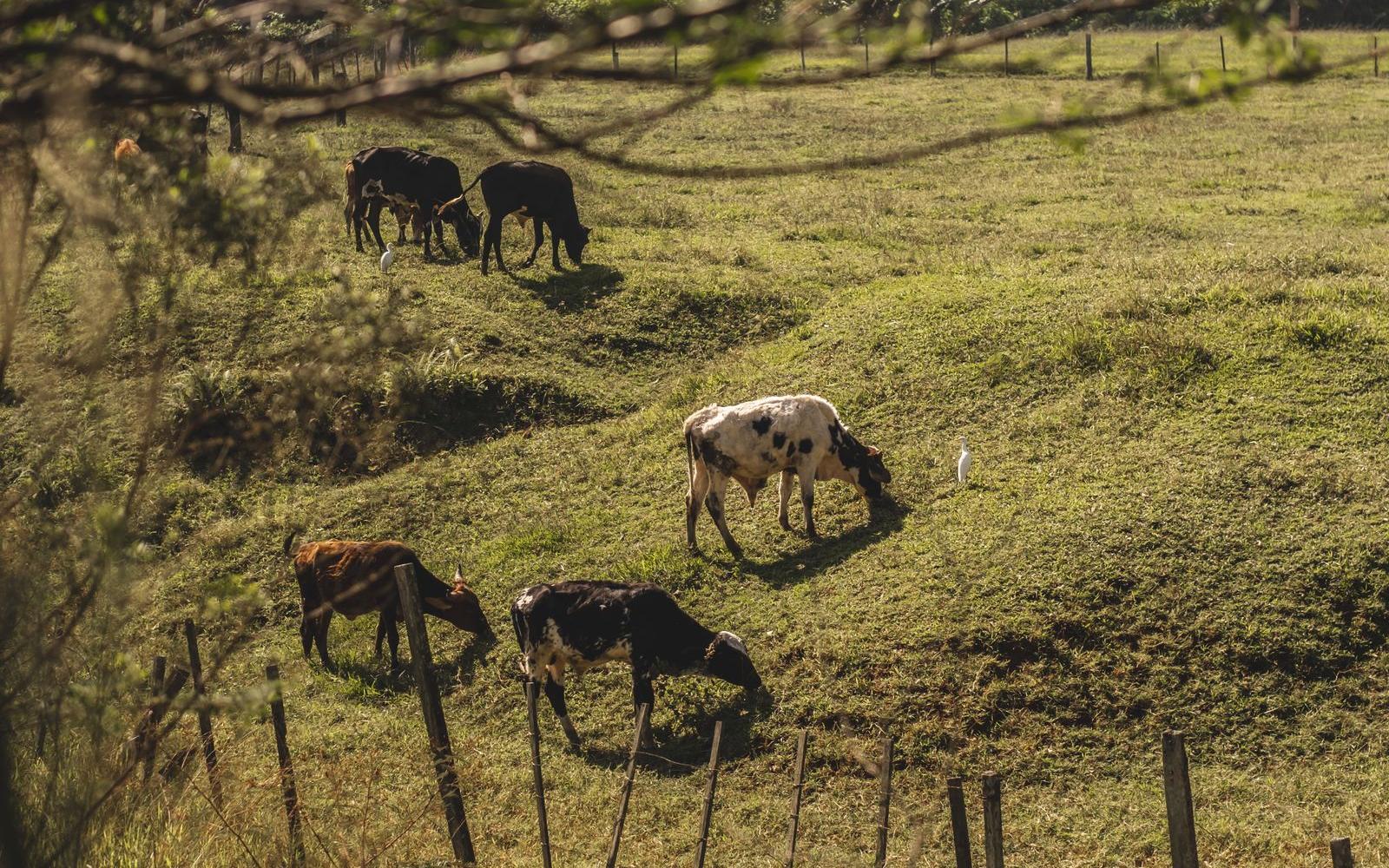
When does the EUDR apply now?
The EUDR entered into force in June 2023 but its obligations have been postponed twice. A first amendment in December 2024 delayed the start. A second, Regulation (EU) 2025/2650, adopted in December 2025, set the current dates and simplified the duties of companies further down the supply chain, according to the Commission’s Access2Markets summary.
| Date | What happens |
|---|---|
| June 2023 | Regulation (EU) 2023/1115 enters into force, with cattle hides and leather in Annex I |
| December 2024 | First amendment postpones application |
| December 2025 | Regulation (EU) 2025/2650 postpones again and simplifies downstream duties |
| 4 May 2026 | Commission publishes simplification review and draft scope changes |
| 13 July 2026 | Delegated Regulation (EU) 2026/2102 adopted |
| 18 September 2026 | Delegated regulation in force; hides, skins and cattle leather leave scope |
| 30 December 2026 | EUDR applies to large and medium operators, and to micro and small operators already covered by the EU Timber Regulation |
| 30 June 2027 | EUDR applies to other micro and small operators |
| 30 December 2027 | Newly added products, such as soluble coffee and frozen cattle tongues, come into scope |
| 2030 | General review, including whether to bring leather back |
The 2025 amendment means only the operator that first places a product on the EU market files a due diligence statement. Downstream operators and traders keep the reference number of that statement instead of filing their own, and all operators must keep records of suppliers and customers for five years.
What would due diligence and geolocation have meant for tanneries?
Even with leather out, it is worth knowing what was required, because the same rules still govern live cattle and beef and could return for leather after 2030. Under the EUDR text, an operator must collect information, assess risk and, where the risk is not negligible, mitigate it before placing a product on the market. The core test is that the commodity was produced on land not deforested after 31 December 2020, and in line with the laws of the country of production.
Geolocation was the hard part for leather. For most commodities it means latitude and longitude coordinates of every plot of land, with polygons for plots over four hectares. For cattle, Article 9 says the geolocation must refer to all the establishments where the cattle were kept. A hide often passes through a slaughterhouse, a hide trader and one or more tanneries before it becomes finished leather, and hides from many animals are mixed along the way. Tracing each to every farm the animal lived on was the burden recital 5 accepted EU buyers could not realistically impose.
The Commission also classifies countries as low, standard or high risk, and operators sourcing from low-risk countries follow a simplified process. For brands that had already started mapping their hide supply, that work is not wasted. It feeds other legal duties, as explained below.
What are the penalties under the EUDR?
Member States set and enforce the penalties, but Article 25 fixes what they must include. For products still in scope, that means fines proportionate to the environmental damage and the value of the goods, with a maximum of at least 4% of the operator’s or trader’s total annual EU turnover; confiscation of the products; confiscation of the revenues from the transaction; temporary exclusion for up to 12 months from public procurement and public funding; and, for serious or repeated breaches, a temporary ban on placing products on the market or exporting them. None of this now applies to cattle hides or leather, but it does apply to the remaining cattle products and to the other six commodities.
What still matters for fashion brands?
Other commodities. Natural rubber from Hevea brasiliensis (ex 4001) remains in Annex I, which matters for footwear makers who import it. Some paper and paperboard articles remain too, although the 2026 changes exclude single-use packing material, used and second-hand products and waste. Companies should check the CN codes of what they actually import.
Due diligence laws. The EUDR was never the only rule asking about leather. The Corporate Sustainability Due Diligence Directive still expects the largest companies to identify environmental harm in their chains of activity, even after the Omnibus cuts, as set out in FLJ’s guide to CSDDD and fashion due diligence.
Green claims. Removing leather from the EUDR does not make leather deforestation-free. A brand that tells customers its leather is “deforestation-free” or “traceable” still needs evidence, and the EU’s rules on generic environmental claims have applied since 27 September 2026, as covered in the EU greenwashing ban. The same caution applies to alternatives marketed against leather, discussed in FLJ’s piece on vegan leather.
Traceability data. Digital product passports for textiles and footwear will eventually ask for supply chain information, and hide traceability built for the EUDR can be reused there. FLJ’s explainer on digital product passports sets out the timetable.
For US and UK suppliers selling into Europe, the change mostly shows up in fewer data requests from EU importers of hides and leather. The Commission’s EUDR pages carry the latest guidance and FAQs.
Frequently asked questions
Is leather covered by the EUDR?
Not any more. Delegated Regulation (EU) 2026/2102 removed raw hides and skins, tanned or crust hides and finished cattle leather (HS 4101, 4104 and 4107) from Annex I. The change took effect on 18 September 2026, before the EUDR’s obligations started to apply.
Were leather bags and shoes ever in the EUDR?
No. Annex I listed hides and leather but not finished leather goods such as handbags or footwear. The Commission’s delegated regulation cited this gap as one reason for removing hides and leather, saying it created a fragmented and incoherent approach for the sector.
When does the EUDR start to apply?
On 30 December 2026 for large and medium operators, and for micro and small operators already covered by the EU Timber Regulation. Other micro and small operators follow on 30 June 2027. Products newly added in 2026 come into scope on 30 December 2027.
Could leather come back into the EUDR?
Possibly. The delegated regulation says the inclusion of cattle hides, skins, leather and derived products will be considered in the general review of the EUDR in 2030. Any return would need a further legal change, so the current exclusion is not guaranteed to be permanent.
Are cattle still in scope of the EUDR?
Yes. Cattle remain one of the seven relevant commodities. Live cattle of the genus Bos, beef and edible cattle offal stay in Annex I, and frozen cattle tongues are added from 30 December 2027. Operators placing these on the EU market must carry out due diligence.
What are the penalties for breaching the EUDR?
National authorities must be able to impose fines with a maximum of at least 4% of total annual EU turnover, confiscate products and revenues, exclude companies from public procurement and funding for up to 12 months, and in serious or repeated cases temporarily ban them from placing products on the market.
This article is general information, not legal advice. It reflects the EUDR, the 2025 amendment and Delegated Regulation (EU) 2026/2102 as published at the time of writing; check the CN codes of your own products against the current Annex I.
FASHION LAW JOURNAL INSIDER
Join designers, brand founders and fashion lawyers who get the biggest brand battles, IP fights and career moves in fashion law, straight to their inbox.