The fashion industry is often associated with creativity, innovation, and luxury, but behind every collection lies a complex network of manufacturers, logistics providers, warehouses, and retailers. These operations involve significant legal responsibilities, particularly when it comes to workplace safety, transportation, and accident prevention.
As fashion brands expand their international supply chains and accelerate delivery schedules to meet consumer demand, questions of liability and regulatory compliance have become increasingly important. From garment factory accidents to transportation incidents involving commercial delivery vehicles, fashion businesses must navigate legal obligations that extend well beyond intellectual property and trademark protection.
Understanding these responsibilities is essential for fashion companies seeking to protect their workers, maintain ethical supply chains, and minimise legal exposure.
Workplace Safety and Legal Responsibility in Fashion Manufacturing
Fashion manufacturing remains a labour-intensive industry, with millions of workers employed in garment factories, textile facilities, and distribution centres worldwide.
FLJ Insider Pro is open: live fashion law jobs and internships, five career guides and two roadmaps. Early bird USD 12/month. See what's inside
The legal obligations of fashion brands and manufacturers vary across jurisdictions, but occupational health and safety regulations generally establish requirements concerning workplace conditions, machinery, fire prevention, and employee protection.
Garment factories can present numerous occupational hazards, including unsafe equipment, inadequate ventilation, chemical exposure, and overcrowded production facilities.
When workplace accidents occur, legal questions may arise concerning employer negligence, regulatory violations, and the responsibilities of contractors or other businesses involved in the production process.
For international fashion brands, these questions can become particularly complicated when manufacturing is outsourced to independent suppliers.
Although a brand may not directly employ factory workers, its contractual arrangements, operational control, and applicable supply chain legislation can influence the extent of its legal obligations.
Transportation Accidents and Liability in Fashion Logistics
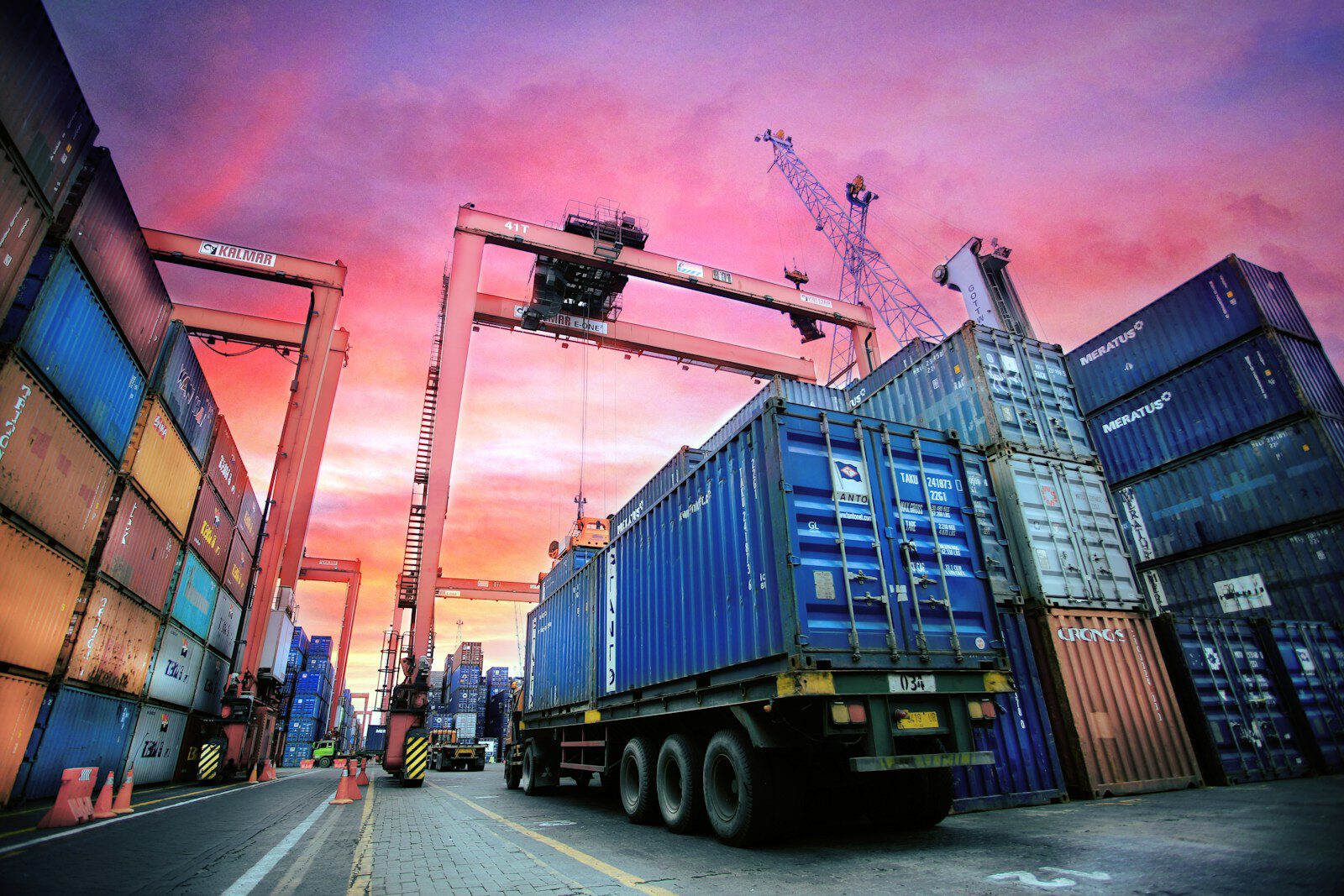
Transportation is an essential but frequently overlooked component of the fashion industry. Clothing, footwear, textiles, and accessories move through extensive logistics networks before reaching retail stores or consumers.
These networks depend on commercial trucks, delivery vans, freight operators, and third-party distribution companies.
As fashion retailers increasingly adopt rapid inventory replenishment and next-day delivery models, transportation safety has become an important consideration in supply chain management.
Commercial vehicle accidents can raise complex questions concerning driver conduct, vehicle maintenance, employer responsibility, and contractual relationships between fashion brands and logistics providers.
For example, when a truck transporting garments to a distribution centre is involved in a collision, liability may depend on whether the driver was employed directly by the retailer, an independent transportation company, or another contractor.
The legal expertise required in these circumstances can differ significantly from conventional fashion-related commercial disputes. While fashion law specialists may advise on transportation contracts, insurance obligations, and supply chain risk allocation, a truck accident lawyer may be needed to address collision-related liability and claims arising from the incident.
For fashion businesses, the broader lesson is that transportation contracts should clearly define insurance requirements, safety obligations, and the allocation of legal responsibility between commercial parties.
Fashion Warehouses and Distribution Centre Safety
The expansion of e-commerce has increased the importance of warehouses and fulfilment centres within the fashion industry.
Online retailers frequently operate large distribution facilities where employees process incoming merchandise, manage inventory, prepare orders, and coordinate deliveries.
These environments can present workplace hazards involving forklifts, conveyor systems, heavy lifting, and repetitive physical activities.
Under applicable occupational safety laws, employers may be required to implement appropriate training, equipment maintenance, hazard assessments, and accident reporting procedures.
Fashion companies outsourcing fulfilment operations should also consider the safety practices of their logistics partners.
Although contractual arrangements can allocate certain commercial risks, they do not necessarily eliminate statutory duties or other legal responsibilities.
Consequently, fashion businesses should evaluate workplace safety standards when selecting warehouse operators and distribution partners.
Supply Chain Transparency and Corporate Accountability
Fashion supply chains have faced increasing scrutiny over labour conditions, worker protection, and corporate accountability.
High-profile industrial disasters have demonstrated the consequences of inadequate workplace safety measures and weak supplier oversight.
These incidents have also contributed to broader discussions about the responsibilities of international fashion brands when serious accidents occur within overseas manufacturing facilities.
In some jurisdictions, legislation requires certain companies to identify, assess, or report risks relating to human rights and working conditions in their supply chains.
Other regulatory frameworks impose due diligence obligations that may extend to occupational safety and the prevention of serious workplace harm.
For fashion companies, compliance increasingly involves more than simply including ethical sourcing provisions in supplier agreements.
Effective oversight may require independent inspections, documented safety procedures, corrective action plans, and transparent reporting mechanisms.
These measures can help businesses identify potential problems before they result in accidents, regulatory investigations, or reputational damage.
Product Safety and Consumer Liability in Fashion
Fashion law also intersects with accident prevention through product safety and consumer protection.
Although clothing and accessories are generally considered everyday consumer goods, defective products can create risks of physical harm.
Examples include children’s clothing with unsafe drawstrings, footwear with structural defects, accessories containing hazardous materials, and garments that fail to comply with applicable flammability requirements.
In the United States, the Consumer Product Safety Commission oversees various product safety requirements relevant to apparel and related merchandise.
Fashion businesses may face regulatory action, product recalls, or civil claims when products fail to meet applicable safety standards.
The legal responsibilities of manufacturers, importers, distributors, and retailers can vary depending on the circumstances and governing law.
Brands should therefore incorporate product testing, quality assurance, and regulatory compliance into their design and manufacturing processes.
Product safety is not simply a matter of avoiding litigation. It is also an important component of consumer confidence and brand reputation.
Contractual Risk Management in Fashion Supply Chains
Commercial contracts play a central role in determining how fashion businesses manage operational risks.
Agreements with manufacturers, freight companies, warehouse operators, and distribution partners should address responsibilities for safety compliance, insurance coverage, incident reporting, and dispute resolution.
Indemnification provisions may allocate certain financial liabilities between contracting parties, although their enforceability depends on applicable law and the circumstances of a dispute.
Insurance requirements are another important consideration.
Depending on their operations, fashion businesses may need commercial general liability insurance, product liability coverage, workers’ compensation arrangements, and commercial transportation insurance.
Companies should also assess whether their suppliers and logistics providers maintain appropriate insurance coverage.
Clear contractual provisions and effective oversight can reduce uncertainty when accidents or operational disruptions occur.
Why Accident Prevention Is Becoming Part of Fashion Law
Traditionally, fashion law has been associated with intellectual property, brand protection, licensing, and retail regulation.
However, the industry’s increasingly complex operations have made workplace safety, product liability, and transportation risk relevant to legal professionals advising fashion businesses.
The rise of fast fashion, global sourcing, and accelerated e-commerce fulfilment has increased pressure on manufacturers and logistics networks.
These commercial developments make it especially important for fashion brands to understand how their purchasing practices, delivery expectations, and supplier relationships may affect safety.
Legal professionals working with fashion companies can help identify regulatory obligations, structure supplier agreements, and develop compliance programmes that address these operational risks.
Preventing accidents and establishing clear responsibilities can also support broader environmental, social, and governance objectives.
Building a Safer and More Legally Responsible Fashion Industry
Fashion law encompasses much more than protecting creative designs and brand identities. It also involves the legal frameworks governing how products are manufactured, transported, distributed, and sold.
As fashion supply chains become more sophisticated, companies must pay closer attention to workplace safety, transportation liability, product standards, and contractual risk allocation.
For designers, manufacturers, and retailers, understanding these obligations is an important part of building commercially resilient businesses.
By prioritising safety compliance, strengthening supplier oversight, and establishing clear contractual responsibilities, fashion companies can reduce legal risks while contributing to a safer and more accountable global industry.
FASHION LAW JOURNAL INSIDER
Join designers, brand founders and fashion lawyers who get the biggest brand battles, IP fights and career moves in fashion law, straight to their inbox.