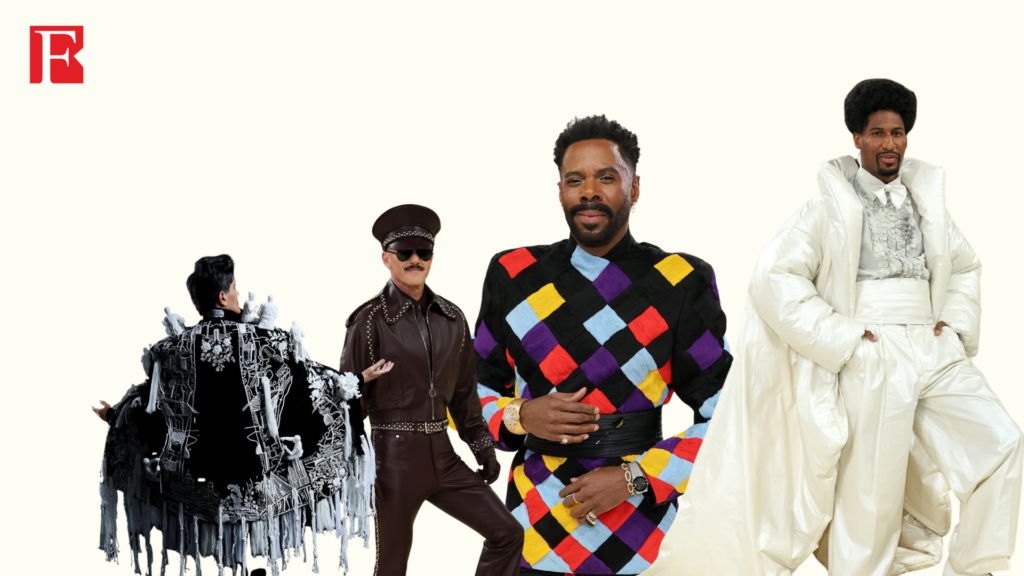

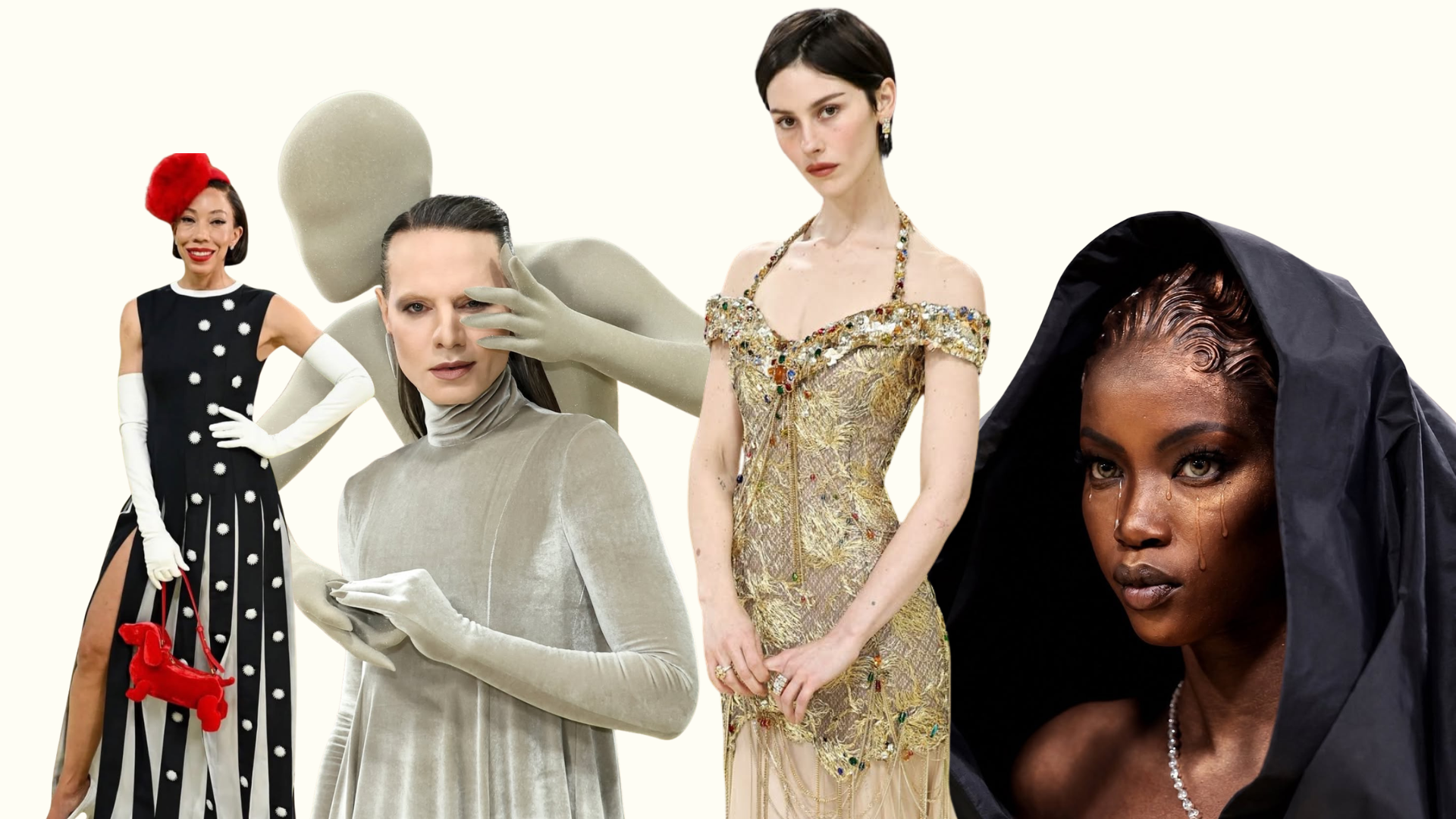
The Met Gala 2026 is no longer merely a celebrity red-carpet event. It has evolved into a real-time global content economy where couture looks are photographed, dissected, algorithmically amplified, and commercially replicated within hours.
Today, a gown worn for ten minutes on the Met Gala carpet can become a “budget recreation” on social media before the original collection even reaches retail stores. Instagram reels, TikTok edits, Pinterest mood boards, and “Met Gala on Amazon” videos now fuel a parallel fashion marketplace driven less by originality and more by speed, visibility, and consumer recall.
The modern fashion dupe economy is no longer operating in secrecy. It is functioning openly, strategically and at an industrial scale.
And that raises an increasingly important legal question:
FLJ Insider Pro is open: live fashion law jobs and internships, five career guides and two roadmaps. Early bird USD 12/month. See what's inside
When does inspiration become infringement?
The Rise of the “Legal Dupe”
Unlike counterfeit products, most modern fashion dupes do not carry fake logos or falsely claim affiliation with luxury brands. Instead, they imitate the overall aesthetic of high-fashion products while carefully avoiding direct trademark infringement.
This distinction matters.
A counterfeit attempts to deceive consumers into believing a product is genuine. A dupe, however, operates in a legally grey space. It borrows silhouettes, colour palettes, embellishments, textures, styling cues, and overall visual impressions while avoiding the exact identifiers protected under traditional intellectual property laws.
In many cases, the product is intentionally marketed as “inspired by” luxury fashion rather than pretending to be luxury fashion itself.
This is precisely why fast fashion companies have become extraordinarily sophisticated at navigating the boundaries of intellectual property law.
Fashion’s IP Problem: The Law Was Never Built for Viral Trends
Fashion occupies an unusually complicated position within intellectual property law.
In India, there is no standalone legislation specifically designed to comprehensively protect fashion designs. As a result, designers rely on a patchwork of protections under copyright law, design law, trademark law, and passing off remedies.
Each offers only partial protection.
Under the Copyright Act, 1957, artistic works such as sketches, prints, embroidery, and surface artwork may receive copyright protection. However, Section 15(2) creates a significant limitation: once a design capable of registration under the Designs Act is industrially reproduced more than fifty times, copyright protection may cease.
For fashion businesses, this creates a commercial paradox. The more successful a design becomes, the weaker its copyright protection may eventually become.
The Delhi High Court addressed this issue in Ritika Private Limited v. Biba Apparels Private Limited, where garment patterns and prints lost copyright protection after crossing the industrial reproduction threshold.
The Designs Act 2000 offers protection for novel visual features such as shape, configuration, pattern, and ornamentation. However, fashion moves faster than registration systems. By the time a designer files an application, runway images and celebrity photographs may already have circulated globally online, potentially affecting novelty requirements.
This legal gap is exactly what allows the dupe economy to thrive.
Fast fashion businesses make subtle modifications to garments while preserving the overall commercial impression of the original design. Legally, this becomes difficult territory because intellectual property law traditionally protects specific expression rather than broad aesthetic inspiration.
Why Trademark Law Is Becoming Fashion’s Strongest Weapon
As design protection becomes harder to enforce, luxury brands are increasingly relying on trademark law, trade dress protection, and brand identity enforcement.
Today, fashion value is often concentrated not merely in the garment itself, but in recognisable identity markers:
- signature colour combinations,
- stitching patterns,
- packaging,
- monograms,
- bottle or accessory architecture,
- store layouts,
- campaign aesthetics,
- and even digital presentation styles.
In the age of social media, consumers frequently identify sources not through labels, but through visual familiarity.
This is where trade dress and brand identity become commercially powerful.
The Delhi High Court’s decision in Christian Louboutin SAS v. Nakul Bajaj reinforced the growing responsibility of digital marketplaces in facilitating infringing or counterfeit sales. But modern dupes often avoid direct trademark liability altogether by carefully removing logos while retaining the recognisable “look and feel” of luxury fashion.
That creates a difficult enforcement challenge:
The product may appear ethically questionable while remaining technically lawful.
The AI Problem: Fashion Duplication at Algorithmic Speed
Artificial intelligence has intensified this problem dramatically.
AI systems can now analyse runway photographs, identify trending aesthetics, predict consumer preferences, and generate design-adjacent products almost instantly. Some platforms are already experimenting with AI-generated “celebrity-inspired” shopping recommendations based on viral fashion content.
AI no longer merely accelerates copying.
It industrialises aesthetic prediction.
The Met Gala 2026 demonstrated this in real time. Within hours of the event:
- AI-generated celebrity outfit recreations flooded social media,
- digital “try-on” edits went viral,
- and online marketplaces began advertising “Met Gala-inspired” collections almost immediately.
Even celebrities who did not attend the event became part of the digital fashion cycle through AI-generated imagery circulating online.
This raises entirely new legal questions around:
- authorship,
- originality,
- personality rights,
- digital replicas,
- algorithmic inspiration,
- and ownership of AI-generated fashion outputs.
Fashion, Celebrity Identity, and Personality Rights
Modern fashion is no longer just about garments. It is deeply tied to celebrity identity, influencer culture, and digital persona.
A celebrity’s look today is a monetizable commercial asset.
When brands imitate not just clothing but also styling, poses, makeup aesthetics, campaign moods, or recognizable celebrity associations, personality rights concerns may arise.
Indian courts have increasingly recognized such protections in cases including Titan Industries Ltd. v. Ramkumar Jewellers and Anil Kapoor v. Simply Life India.
As AI-generated likenesses and digitally recreated appearances become more common, personality rights may become one of the most important legal battlegrounds in fashion and entertainment law.
The Real Shift: Fashion Is Moving From Product Protection to Memory Protection
The larger issue is this:
Luxury fashion today is no longer competing only on craftsmanship. It is competing for recognisability within seconds of a social-media scroll.
The “source” of a fashion product may no longer be defined solely by its label. Increasingly, it is defined by how deeply the brand has occupied consumer memory.
This explains why modern fashion disputes are gradually shifting beyond conventional trademark battles into areas such as:
- trade dress,
- experiential branding,
- digital discoverability,
- algorithmic visibility,
- influencer association,
- and platform dominance.
In many ways, consumer memory itself is becoming the most valuable territory brands are trying to protect.
The Way Forward: What Fashion Brands and Fashion Law Teams Must Now Prioritise
The future of fashion protection cannot rely only on traditional registration systems. Fashion businesses and legal teams must evolve alongside technology and digital commerce.
Some critical priorities now include:
- Build Protectable Brand Ecosystems
Brands should focus not only on logos, but also on trade dress, packaging, signature visual identity, colour schemes, and distinctive digital presentation.
- Invest in Early Design and Trademark Strategy
Fast-moving collections require faster filing strategies, coordinated international filings, and aggressive portfolio management.
- Strengthen Online Monitoring and Marketplace Enforcement
Fashion brands must actively monitor:
- marketplaces,
- social media platforms,
- AI-generated content,
- influencer collaborations,
- and keyword-driven infringement activity.
Online enforcement can no longer be reactive.
- Prepare for AI-Driven Fashion Risks
Fashion companies should begin developing internal AI policies concerning:
- AI-assisted design creation,
- ownership of generated outputs,
- licensing risks,
- and use of celebrity likenesses or prompts.
- Treat Personality Rights as Commercial Assets
Celebrity collaborations, campaign identities, and influencer aesthetics should be contractually and strategically protected as part of broader brand enforcement programmes.
- Think Beyond India
Fashion disputes today are inherently cross-border. A design uploaded in Paris may be replicated in Shenzhen, marketed through Dubai, and sold to consumers in Mumbai within days. Enforcement strategies, therefore, need international coordination from the outset.
Conclusion
The “Met Gala effect” reflects a much larger transformation within the fashion industry.
Fashion is no longer moving at seasonal speed. It is moving at algorithmic speed.
And intellectual property law is struggling to keep pace.
The future of fashion disputes may no longer revolve around who designed first, but around who succeeded in embedding their identity deepest into consumer memory.
In the era of dupes, AI-generated aesthetics, and viral discoverability, exclusivity itself is being redefined.
FASHION LAW JOURNAL INSIDER
Join designers, brand founders and fashion lawyers who get the biggest brand battles, IP fights and career moves in fashion law, straight to their inbox.