
Fashion moves quickly. Trends disappear within weeks, designers change houses, social media can turn an unknown label into a global name overnight, and AI is now changing how campaigns are even created. Yet, some of the best ways to understand fashion were made long before any of this happened.
In 2026, films like The Intern and Phantom Thread still feel surprisingly relevant because the fundamentals of the fashion industry have not changed as much as we might think. Behind the technology and the constant trend cycle, fashion is still about people, business, creativity, image and power. Here are 5 films worth revisiting if you want to understand the industry beyond the clothes.
The Intern: Fashion Was Always a Business
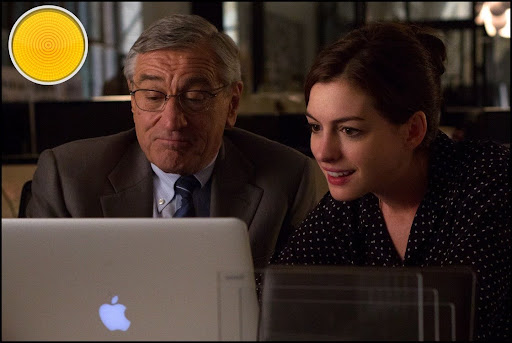
It is easy to remember The Intern as the comforting Anne Hathaway and Robert De Niro film, but watching it through a fashion lens in 2026 makes it feel rather different.
The 2015 film follows Jules Ostin, the founder of an online fashion retailer, as she tries to manage a rapidly growing business while struggling with the pressure that comes with being its face. A decade later, that premise feels even more familiar. Fashion brands today are increasingly built around founders who are expected to be designers, CEOs, content creators and public personalities at the same time.
FLJ Insider Pro is open: live fashion law jobs and internships, five career guides and two roadmaps. Early bird USD 12/month. See what's inside
The film also captures something that has become even more important since its release: fashion is no longer confined to physical stores or traditional fashion houses. E-commerce, branding and the ability to build a direct relationship with consumers can be just as important as the clothes themselves. The Intern may look dated in parts, but its central question is not: what happens when a creative idea becomes a business much bigger than the person who started it?
Phantom Thread: The Garment Is Still About the Person Making It
There is very little that feels rushed about Phantom Thread, and perhaps that is why it continues to stand out.
Set in the world of 1950s London couture, Paul Thomas Anderson’s film follows designer Reynolds Woodcock and his relationship with Alma, his muse and partner. It is a film about clothes, but it is equally about control, perfectionism and the almost obsessive relationship between a designer and their work. In an industry that increasingly celebrates speed, micro-trends and instant production, Phantom Thread feels almost deliberately out of time. Its focus on fittings, construction and craftsmanship offers a reminder of what fashion looks like when a garment is treated as something to be built rather than simply consumed.
It also asks an uncomfortable question that remains relevant in 2026: where does creative control end and personal obsession begin?
Personal Shopper: The People Behind Luxury
Personal Shopper is not the film most people would immediately recommend as a fashion movie. That is exactly what makes it interesting. Kristen Stewart plays Maureen, a personal shopper working for a wealthy celebrity in Paris. She spends her time selecting clothes, accessories and other luxury goods for someone who remains largely absent from the process.
The film takes us away from the runway and the designer’s studio and focuses on someone whose job is to make luxury function for somebody else. In an industry obsessed with visibility, Maureen represents the people who remain largely invisible.
That feels particularly relevant today. Fashion may look increasingly automated and digital from the outside, but there is still an enormous amount of invisible labour behind luxury: stylists, assistants, buyers, personal shoppers, PR teams and countless others who make the final image possible.
The Dressmaker: Clothes Have Always Had Power
The Dressmaker takes a much less conventional route into fashion. The 2015 Australian film stars Kate Winslet as Tilly Dunnage, a dressmaker who returns to the small town she was forced to leave years earlier. She begins making extraordinary clothes for the women around her, gradually changing the way they see themselves and the way the town sees them.
It is part revenge story, part dark comedy and part fashion fantasy. But beneath all of that is a very familiar idea: clothes can change how people treat you.
That idea has only become more visible in 2026. Personal branding, fashion content and the pressure to constantly present a particular version of yourself have made clothing even more closely tied to identity. The Dressmaker understands this without ever needing to explain it. A dress can attract attention, create confidence, change social status or become a form of rebellion. Sometimes, fashion is not just what you wear. It is how you enter a room.
Saint Laurent: When the Designer Becomes the Brand
Fashion today is heavily driven by personalities. Designers have become public figures, creative directors move between major houses like headline-making appointments, and consumers often follow the person behind a label as closely as the clothes.
That makes Saint Laurent particularly worth revisiting.
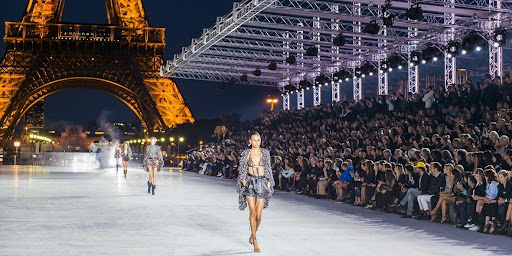
Bertrand Bonello’s 2014 film follows Yves Saint Laurent during one of the most significant periods of his career. Rather than presenting a neat rise-to-success story, it explores the designer’s creativity, relationships and personal struggles alongside the world of his fashion house.
What remains relevant is the complicated relationship between a designer and the identity of a brand. Today, a creative director can influence the entire public perception of a fashion house. A change at the top can affect everything from collections to campaigns and even the cultural relevance of a label.
Saint Laurent shows that this connection between personality and fashion is not new. The fashion world has long understood that sometimes, the person behind the clothes becomes part of the product itself.
Why These Films Still Matter
None of these films can tell you everything about fashion in 2026. They were made in completely different moments, before TikTok transformed fashion discovery, before AI-generated campaigns became a serious industry conversation and before the current speed of the trend cycle and yet that is what makes them worth watching.
The technology around fashion has changed dramatically. The basic tensions have not. Who gets to create? Who gets to decide what is beautiful? Who has the power? Who does the invisible work? And what happens when creativity becomes commerce?
Maybe understanding fashion has never really been about keeping up with every new trend. Sometimes, it is about understanding the industry underneath them.
FASHION LAW JOURNAL INSIDER
Join designers, brand founders and fashion lawyers who get the biggest brand battles, IP fights and career moves in fashion law, straight to their inbox.