

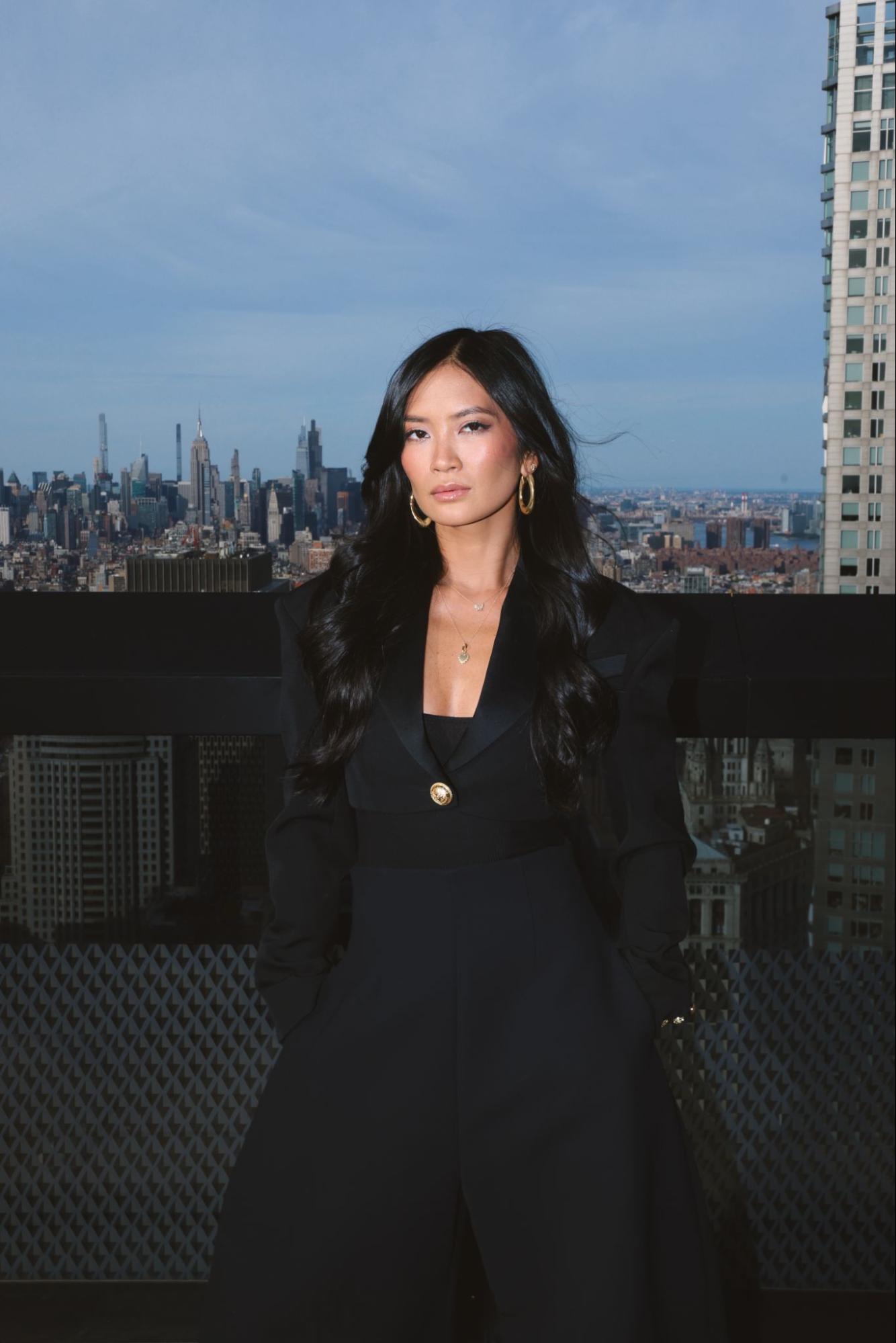
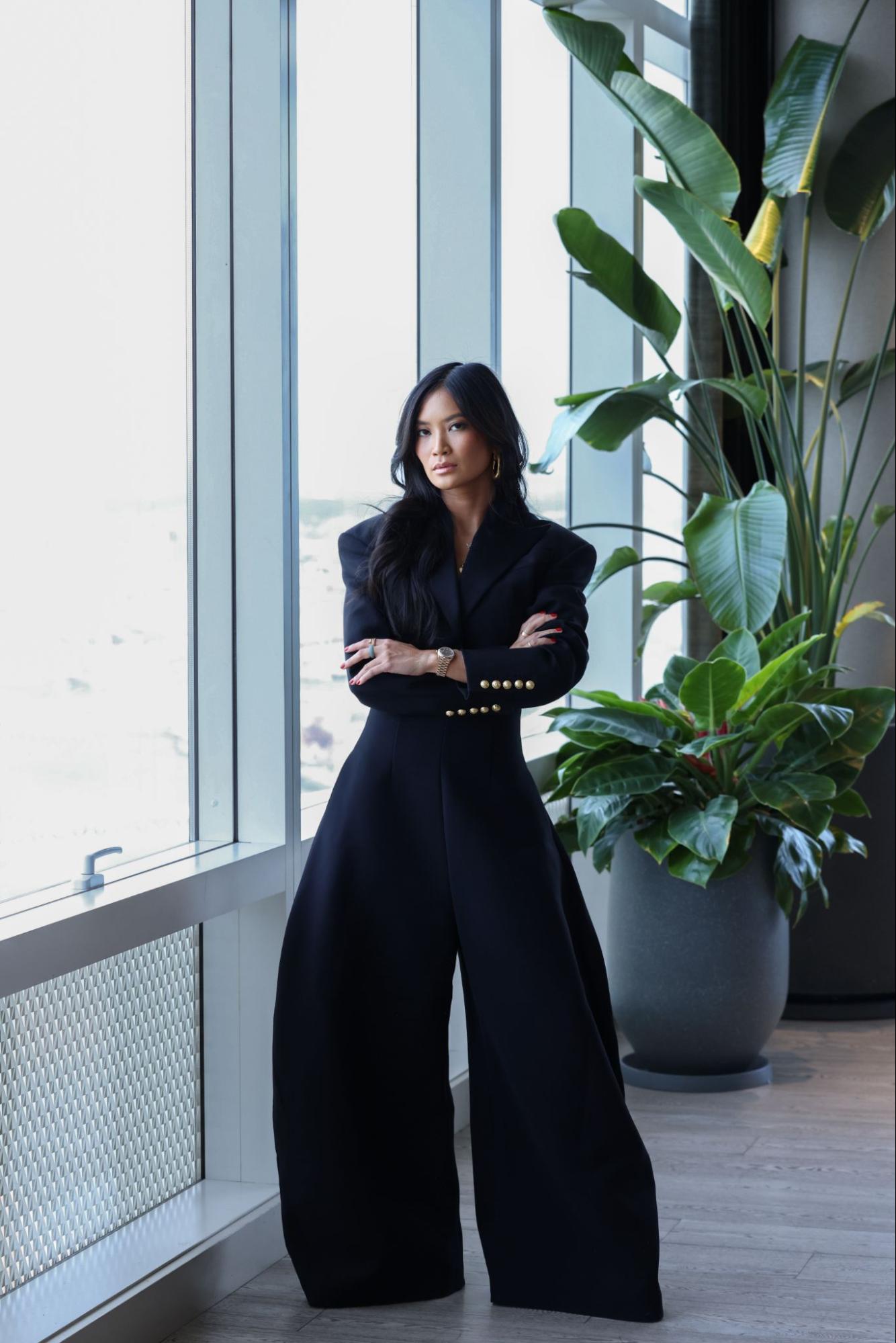
Photography: Maddie Young Media
Raised in Southampton, New York, in the heart of the Hamptons, Phung Truong’s introduction to fashion began much like that of many young girls.
At 16, she landed her first retail job at LF Stores, a popular chain of fashion boutiques, largely because she wanted the employee discount to buy clothes she otherwise couldn’t afford. What began as a teenage love of fashion would eventually take her from the shop floor to the upper ranks of the global luxury industry, with senior leadership roles at Alice + Olivia, Valentino, Chloé, Jimmy Choo, Marni and Jil Sander, before her appointment as President of Balmain Americas in 2026.
In this instalment of Behind the Seams, Fashion Law Journal’s Chloe Lei sits down with Truong, dialling in from her New York City office, for a candid conversation about ambition, getting ahead, and why the smartest career move is sometimes knowing when to walk away.
FLJ Insider Pro is open: live fashion law jobs and internships, five career guides and two roadmaps. Early bird USD 12/month. See what's inside
Make Yourself Useful, and the Right People Will Notice
Take me back to the beginning. What was your first foray into fashion retail, and how did you go from working on the shop floor to being entrusted with more senior responsibilities?
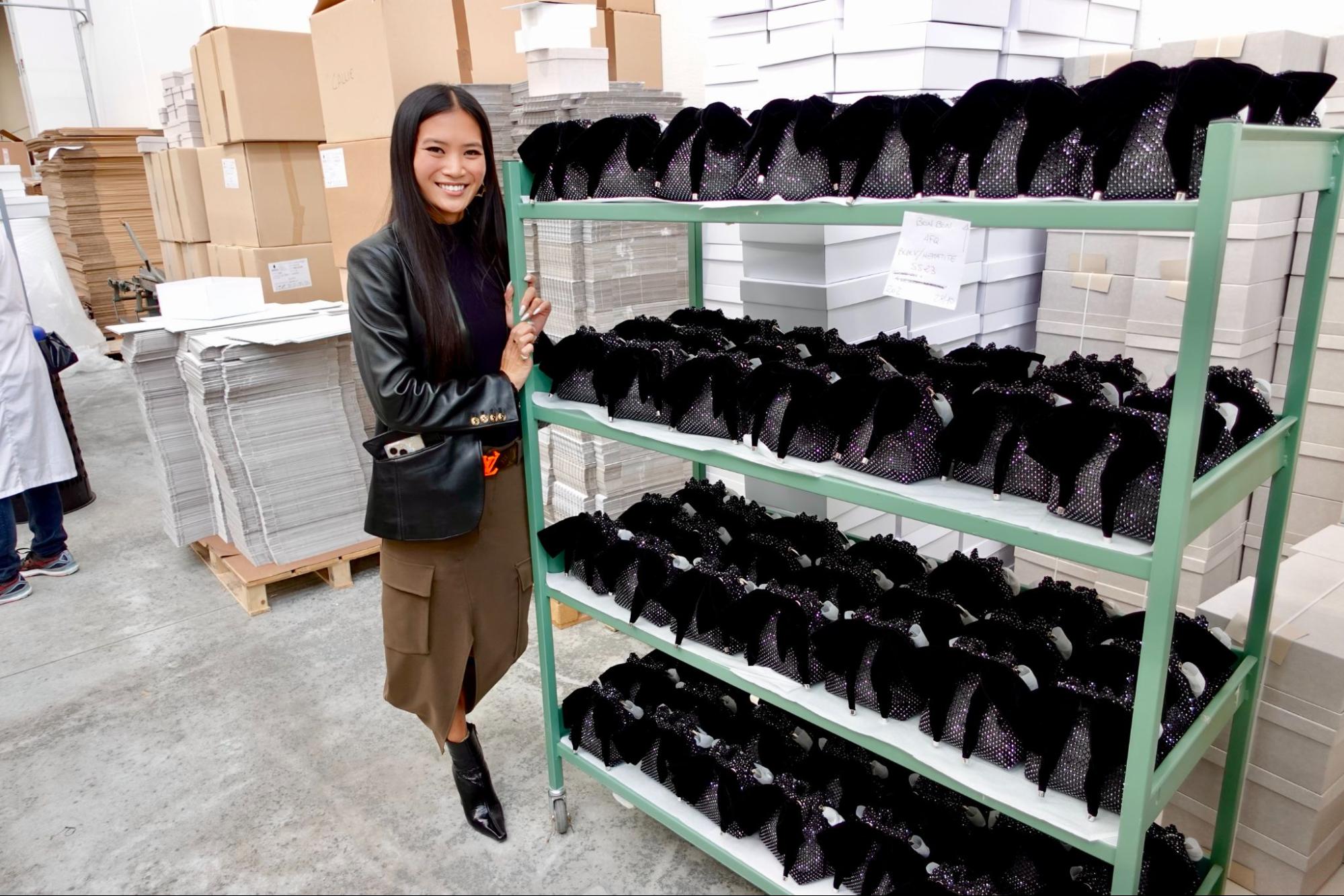
I remember being a terrible salesperson when I first started working in retail. I was socially awkward and felt uncomfortable talking to strangers.
I knew I had to “engage” with clients; I just had a really hard time with clients that were unengaging. My managers would probe me after each client interaction and question why the client didn’t purchase anything — and even when they did, asked me why it was only one item. I remember the day it clicked for me.
We used to have these end-of-season sales, where everything in the store was 70% off, and I was responsible for clearing the leather table, which was our highest price point. That sale period was a turning point for me… At 70% off, I was so confident in selling.
I remember thinking, “What do you mean you’re not going to buy this jacket that used to be $1,500 and is now only $450? It’s Italian lamb leather!”
I sold the majority of the leather on the table in a day. That’s when I realised I just needed to apply that same confidence and conviction when the clothes were full price. Everything changed after that. I became the top salesperson in the company.
You eventually moved to Alice + Olivia, where you developed a relationship with founder Stacey Bendet and took on several different roles. How did those opportunities come about?
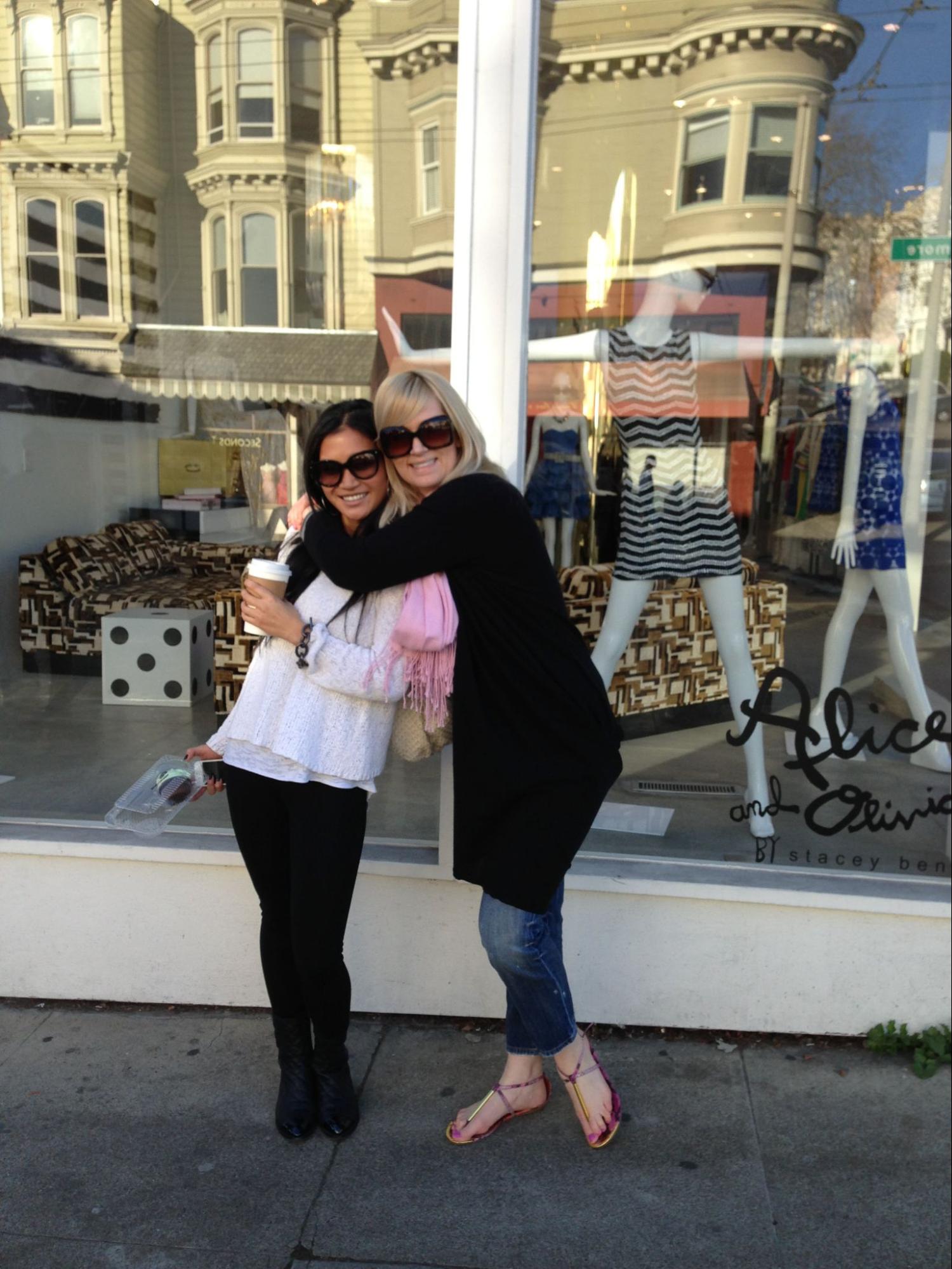
I was one of their top sellers when I started, and the company was really small, so you had more opportunity for exposure. I joined the Southampton location and then transferred to Bryant Park (NYC location). Similar to at LF, I gained exposure, first, because I became one of the top sellers at Alice + Olivia.
I was promoted to various roles during my time there: first, key holder, then VIP relations manager, store manager, training manager and district manager. I basically took whatever job they offered me.
I think a major key here was I had a great manager who trusted me and really believed in me (she was my manager at LF and recruited me to Alice and Olivia when she went there). We had a great relationship, and wherever she needed support, I was willing to support. I was one of her key players, and I was useful to her and the company. As she grew in her roles with the company, she brought me along with her. When I started, there were only five stores. By the time I left, there were 17, so I was there during a period of significant retail expansion.
Their corporate office in New York City was right above the Bryant Park location, where I had transferred to. I had the opportunity to interact with many members of the corporate team, including Stacey Bendet when she would come into the store. I just gave her feedback on the product, like what was selling, what clients were looking for, just qualitative information, which I think she appreciated.
Corporate Politics Are Part of the Job
How did you begin to build trust and relationships with senior leadership early in your career?
I always say this: the biggest component of this job is “corporate politics.” Corporate politics are just your ability to work well with others and get people on board with your mission. There is very much a likeability factor.
People have to enjoy working with you, and you have to be effective at what you do so that people enjoy working with you.
A lot of my time in leadership roles is spent mediating, bringing teams together and keeping everybody focused on a central mission. That requires everybody to work together and be effective at their individual roles and responsibilities.
I think you learn that early on when you’re dealing with managing your own teams or even clients. Everybody is different, and you have to be able to effectively collaborate with different personalities. Emotional intelligence is necessary.
I think I was successful in building relationships with senior leadership early on in my career because I wasn’t afraid to use my voice. I expressed my feedback, ideas, and concerns. I built credibility with leadership, which led to trust, and long-lasting relationships. That’s what I look for in my teams now – people who aren’t necessarily “yes men”, but understand the mission and can help bring their ideas to the table and execute effectively.
Beyond being personable, how did you establish credibility with people at the top?
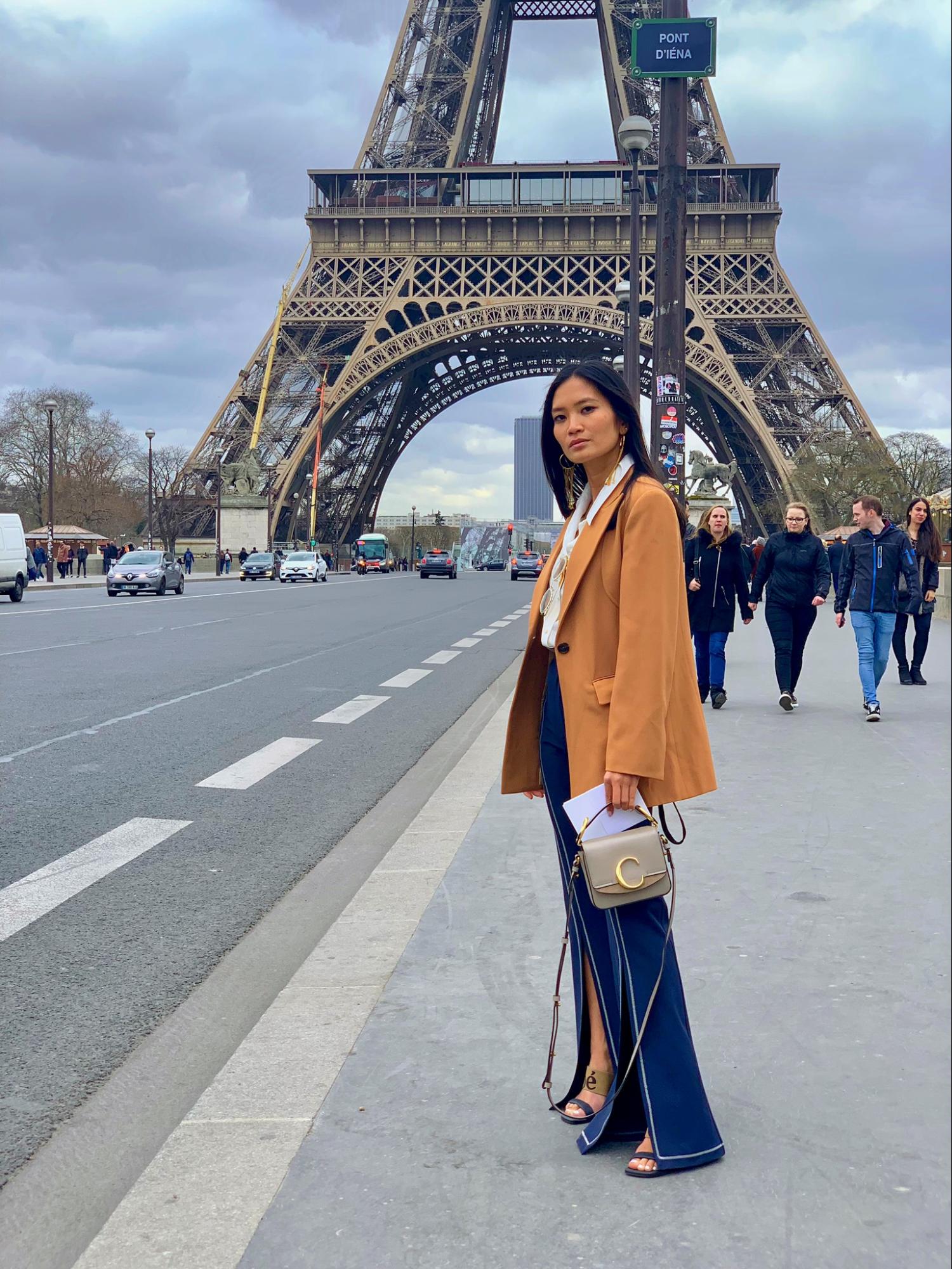
I made sure that when I spoke to people, I had something useful to say.
For example, I could tell a designer, “We sold 10 units of this dress this week because clients wanted to wear it to their weddings.” Suddenly, that gives them insight into how customers are actually wearing their clothes.
Nobody wants to hear somebody talk just to talk.
Even now, when I visit stores, of course I can make small talk. But I want to know about the business. I want to know what clients think, why things are selling or aren’t selling, and what’s happening in the market.
I remember explaining that we could have sold another five pairs of leather leggings if we’d had the right sizes available. That represented another $5,000 in sales.
I always tried to share information that was useful to the business. I think it got me far because people respected what I had to say.
Build the Résumé for the Job You Want
Looking at your career, you’ve moved deliberately between retail, wholesale, merchandising and e-commerce. Was becoming a President or CEO of a luxury house always the goal?
Yes. I wanted to gain experience wherever I could, while staying focused on the end goal, which was always to become a president and eventually a CEO.
But breaking into luxury wasn’t easy. I interviewed with so many luxury brands, including Miu Miu and Prada, and they wouldn’t hire me because I didn’t have luxury experience.
At the time, I was already a district manager. I remember getting to my fifth round of interviews with Miu Miu for an assistant boutique manager role, which I thought I was overqualified for. I was willing to take a step back, but I kept hitting this wall.
Eventually, I joined REDValentino as Director of Stores. My primary responsibility was running the stores, but because the brand had a relatively small team, I was able to take on much more.
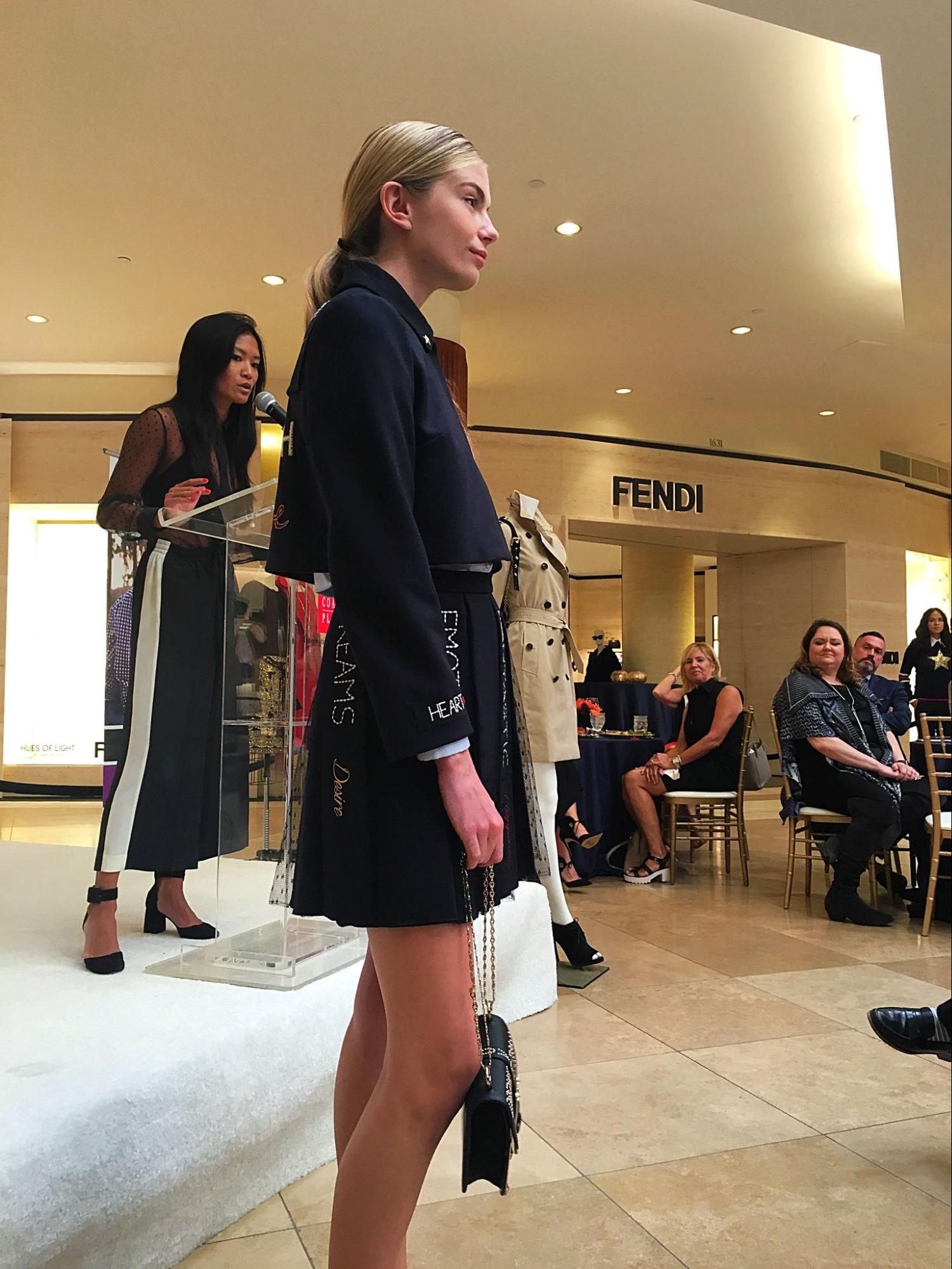
I started learning buying, merchandising and planning, and eventually took on wholesale. My attitude was always, “If you can show me how to do the job, I can do the job. Just teach me.”
After Valentino, I went to Chloé because I wanted to move into mainline luxury. But I found myself doing only retail again, and I wanted to broaden my experience.

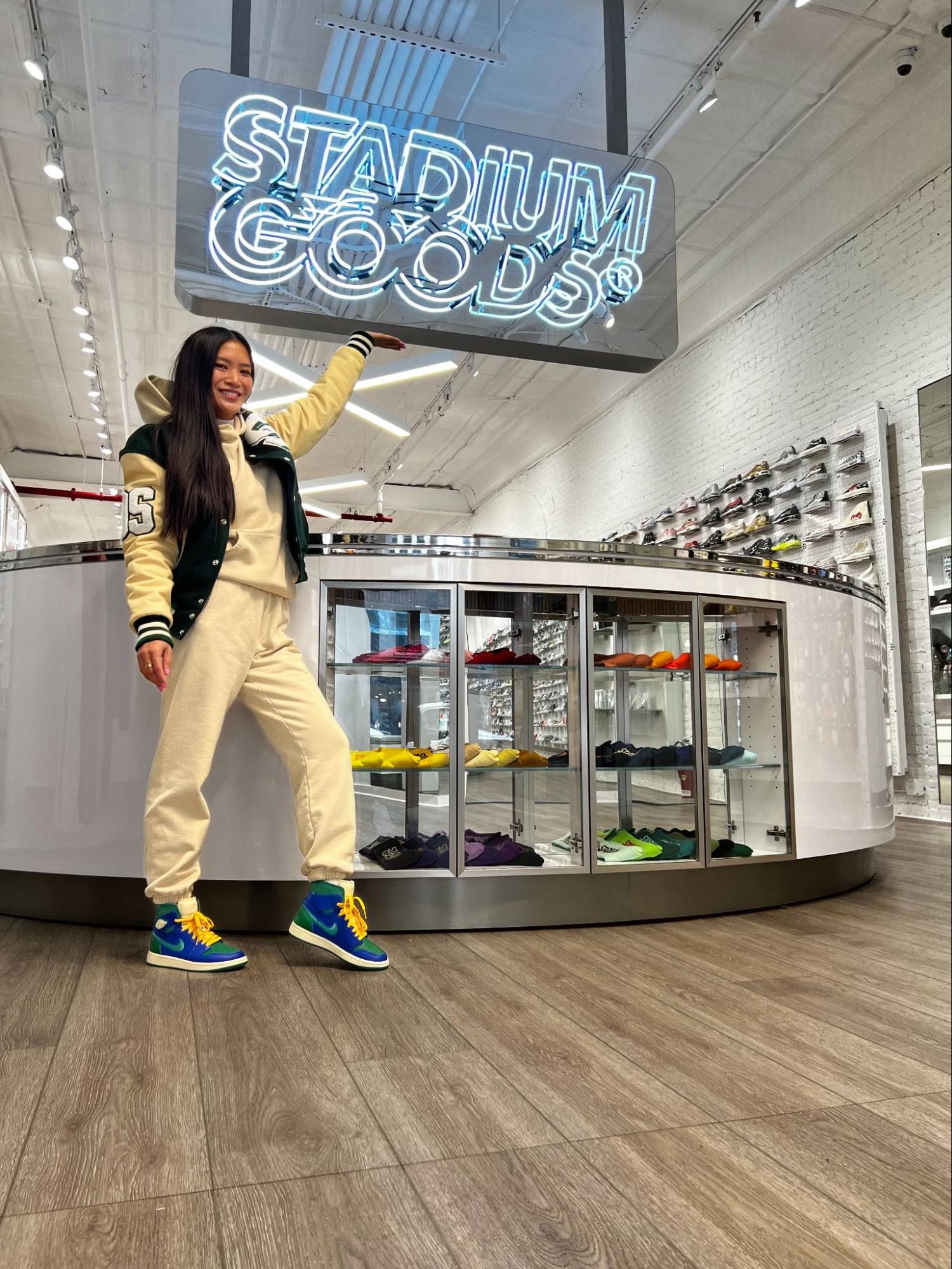
That’s why I moved to Stadium Goods, which had just been acquired by Farfetch. I knew that if I wanted to become a CEO, I had retail and wholesale experience, but I didn’t have digital experience.
Stadium Goods was about 90 per cent digital, so it was an opportunity to learn an entirely different business model. I later returned to luxury at Jimmy Choo, where I managed 46 stores, the largest network I’d overseen.
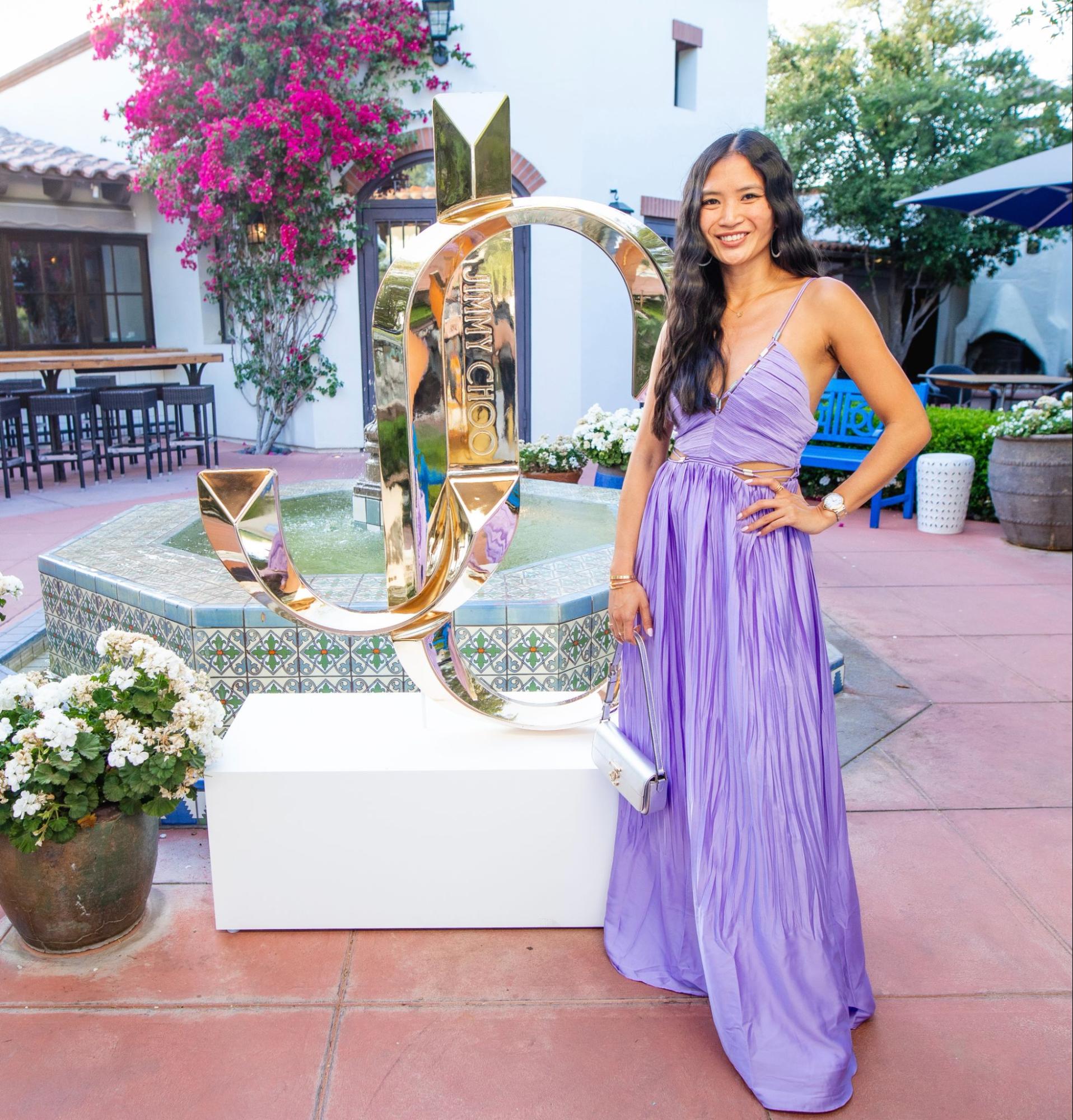
I wanted to build what I call a “360-degree résumé”, one that would prepare me for the job I have today.
Not Every Promotion Is a Step Forward
Looking back at your journey to senior leadership, were there any defining moments or decisions that you feel were particularly instrumental in getting you to where you are today?
I get a lot of calls, but I don’t take every opportunity. I always ask myself whether it’s the right step towards my end goal.
Last year, I was approached about becoming CEO of a non-luxury fashion brand in the US.
I took the first call, then went into one of their stores and looked at the product. I immediately thought, “No. I can’t do this.”
Of course, I would have had the title, but I knew I didn’t have a connection to the product. I believe that you sell what you love. I am big on being a Brand Ambassador for every company I work for, but for me to do that authentically, I have to love the product. The product just didn’t resonate with me, so I withdrew from the process.
It was partly what I wanted: the title, the package and the responsibility. But it wasn’t the whole package.
I knew that if I waited a little longer, eventually I would get a call from a luxury brand that I could connect to. A few months later, Balmain called.
Fashion Needs Business People Too
What do you wish more young people understood about careers in fashion?
I often speak to people working in retail stores and ask them what they want to do. They’ll say, “I want to work in fashion.“
And I’ll ask, “But what do you actually want to do?“
I originally wanted to be a fashion journalist. I went to school for journalism, but I stumbled into this side of the industry that I didn’t even know existed, and discovered that I could build a really good career doing it.
I wish people understood how big the fashion industry is. You can work in fashion and work in finance. You can work in fashion and work in legal. There are so many different opportunities, but you have to be exposed to them.
One of the most common things I hear from fashion students is that they want to be buyers.
I’ll ask them, “Are you good at maths? Do you know Excel?”
Because “buying” is also about financial planning and product merchandising. Choosing pieces from a collection is the fun part, but the numbers have to make sense. You’re entering orders into spreadsheets and working out sizes and quantities.
I used to stay in showrooms sizing orders until midnight. That part isn’t glamorous.
People tend to focus on the beautiful clothes and the creative side of fashion, but there is an entire business behind it.
And that’s before you even consider the global operations of a fashion house, from the ateliers and design teams to research and development and sustainability.
It’s a much bigger world than people realise. I wish more young people understood that so they wouldn’t feel so boxed in.
The Significance of Being Seen
When Truong’s appointment as President of Balmain Americas was announced in a WWD exclusive, the news travelled quickly across newsfeeds and group chats around the world.
For many young women and men aspiring to build careers in fashion, the announcement came as a shining beacon of hope. Seeing a first-generation Vietnamese American woman ascend to the upper ranks of a storied French luxury house offered both a moment of celebration and a glimpse of what might be possible.
For Truong, who has spent much of her career building towards the next opportunity, perhaps the most unexpected impact is one she hadn’t planned for: becoming someone the next generation can look up to.
Has becoming President of Balmain Americas sunk in yet?
Honestly, it hasn’t hit me yet. Sometimes you’re moving so fast and constantly trying to get to the next thing. You might understand that coming from an Asian family.
One of the most humbling parts of this entire experience has been the outpouring of messages I’ve received, particularly from young Asian women, telling me that my story gives them hope and inspires them.
It’s beautiful. I hope my story can touch other people because it took many years of hard work. Some days, I still can’t believe I started where I did and that I’m here now.
But one day it’ll hit me.
FASHION LAW JOURNAL INSIDER
Join designers, brand founders and fashion lawyers who get the biggest brand battles, IP fights and career moves in fashion law, straight to their inbox.