
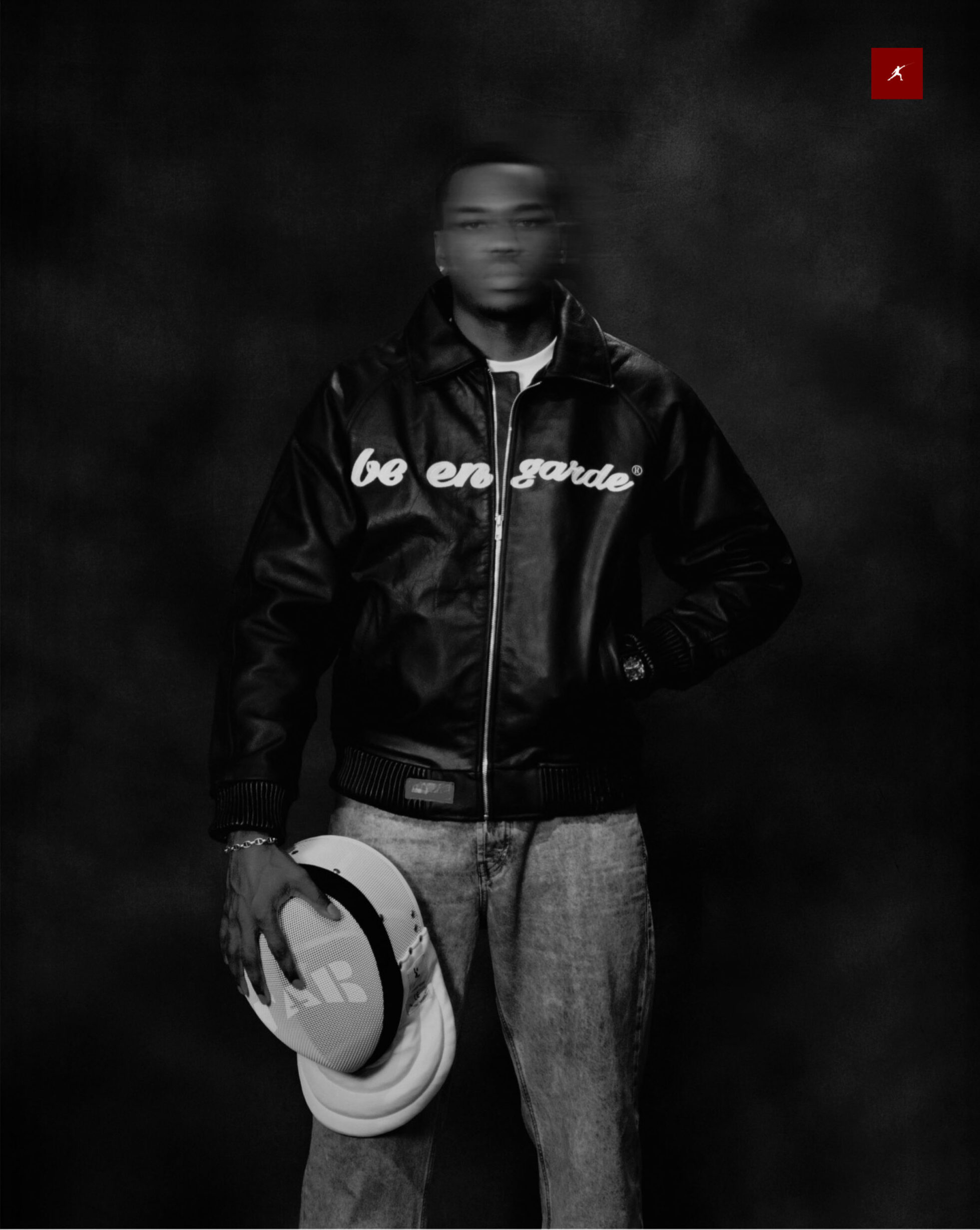
Fencing apparel did not exist as a category in luxury fashion until Tylen Butler decided it should.
A 3x state champion, 3x Jr. Olympics fencer, and current men’s epee competitor training toward the 2028 Los Angeles Olympics, Butler founded TAB DEPT to fill a gap he had spent his entire competitive career staring at: a sport with centuries of history and elegance, and nothing resembling a real brand behind it.
For Tylen, what started as a personal frustration has become something far more ambitious: a self-funded, founder-led label that has moved from athletic wear into streetwear and now toward luxury, building manufacturing relationships across Italy, Spain, and Dubai along the way, all while he retains creative control over every part of the process, from design to photography to the trademark filings protecting it.
Rather than paraphrase his story, we wanted readers to hear it directly from him: the origin, the philosophy behind Be En Garde, the legal groundwork behind protecting an idea in a category with no precedent, and where he sees TAB DEPT heading next. What follows is Tylen Butler, in his own words.
FLJ Insider Pro is open: live fashion law jobs and internships, five career guides and two roadmaps. Early bird USD 12/month. See what's inside
The Origin Story
Could you tell us the story behind TAB DEPT and what inspired you to create the world’s first fencing apparel brand?
As a kid, I was always into fashion and design. I even won a few awards for taking first place in fundraising events at my church lol. And when I was around 9 to 12, I used to burn my own Christmas playlist mix CDs and sell them to people so I’d have funds to buy my family gifts for Christmas. So I’ve always had that business mindset. Around 8 or 9, I sewed my dad a shirt and my mom a bag. Definitely wasn’t my best work lol, but it was something I was proud of, and something I think they still have.
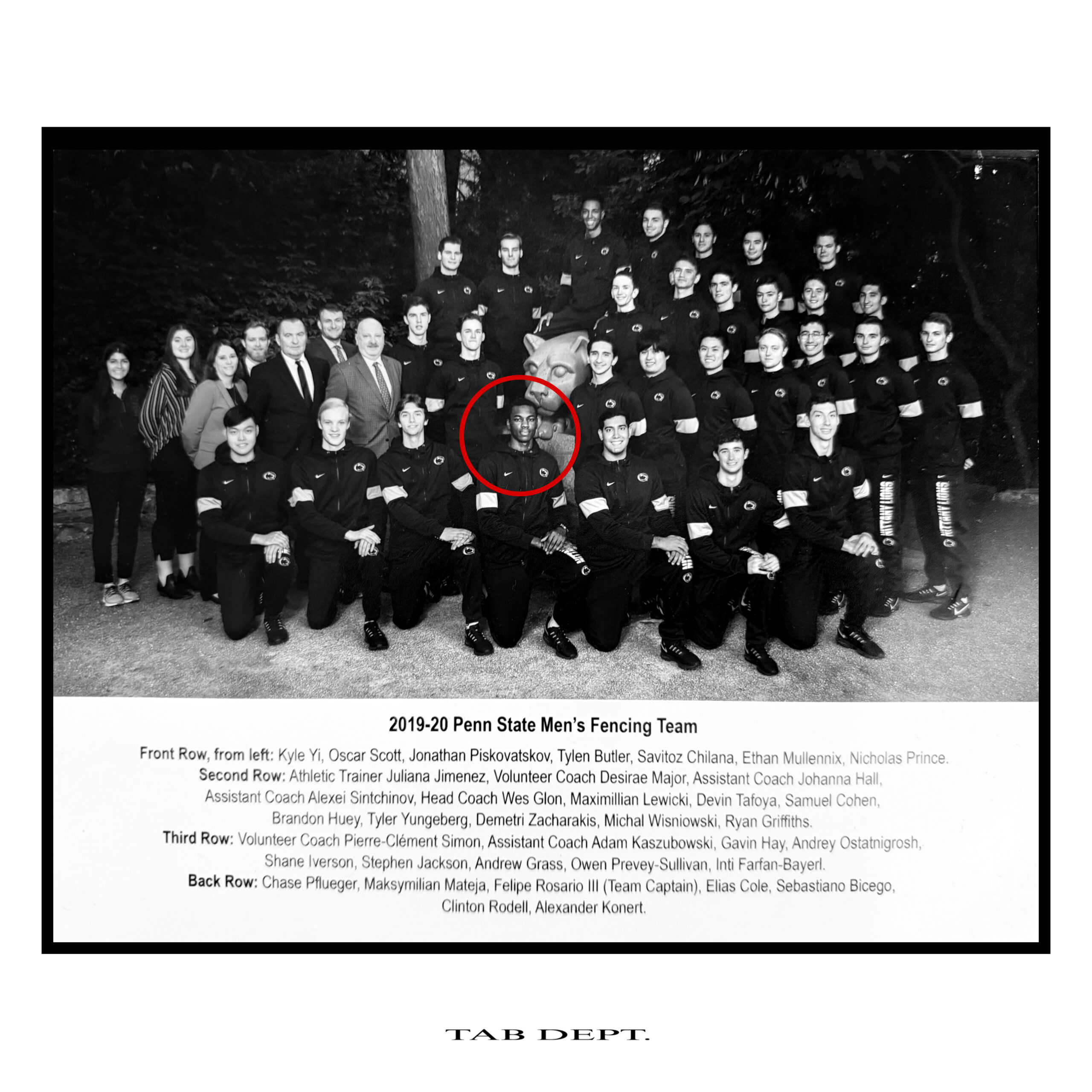
Fast forward years down the line, I started fencing at 13, pretty late compared to most fencers I knew growing up, and now. I played a lot of sports before that: fútbol, basketball, swim, tennis, football, a lot of what you’d call the “mainstream” sports. But in my first-ever fencing tournament, I placed first, and I stuck with it ever since.
I always wanted to represent my sport, but there was literally nothing out there that was a real brand. Only random Etsy sellers with a shirt that said “fencing” across the chest, or “en garde” lol. It definitely wasn’t fashionable. No real fencers were buying that, let alone someone who doesn’t know one thing about the sport. And it honestly always bothered me. Fencing is one of the oldest sports in the world, and there was nothing.
Fencing apparel was essentially an unclaimed category in luxury fashion before TAB DEPT. What made you see that gap, and why did you decide to fill it?
It’s nothing new; fencing has been used in creative marketing campaigns for years by all kinds of brands. But that’s all it ever was, a placement. None of those brands knew anything about fencing, and I doubt anyone behind them ever fenced themselves. I believe it’s more authentic for a luxury fashion brand in this space to be built by a real creative who’s also a real fencer. Fencing is already elegant on its own, so the fit was already there.
TAB DEPT exists at the intersection of streetwear, athletic performance, and luxury fashion. How do you balance these three elements in both your design philosophy and your brand strategy?
When I started the brand, I told everyone who was interested in what I was building that it would come in stages. Starting with athletic wear, because at the end of the day fencing is a sport, and I wanted fencers and other athletes to be able to rep it in style and be comfortable. As that grew, we merged into more streetwear-driven projects, so people who aren’t necessarily athletes but are into streetwear could wear it too. And lastly, luxury, which is the end goal, and where we’re headed now. That’s where the heavy hitters come in, the pieces I’ve been working on for a long time. So many ideas and mock-ups you wouldn’t even believe. But good things take time, and I can’t drop everything at once.
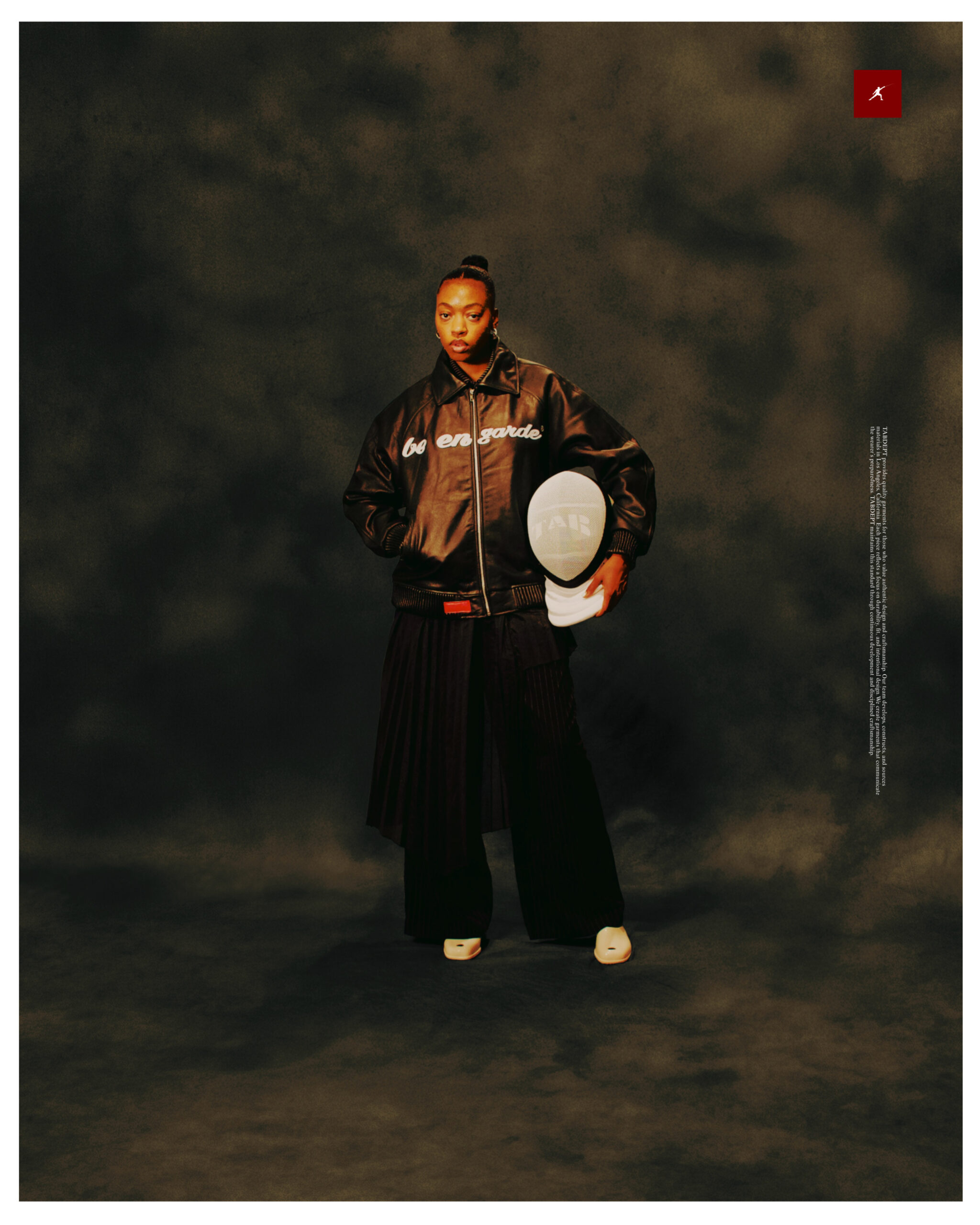
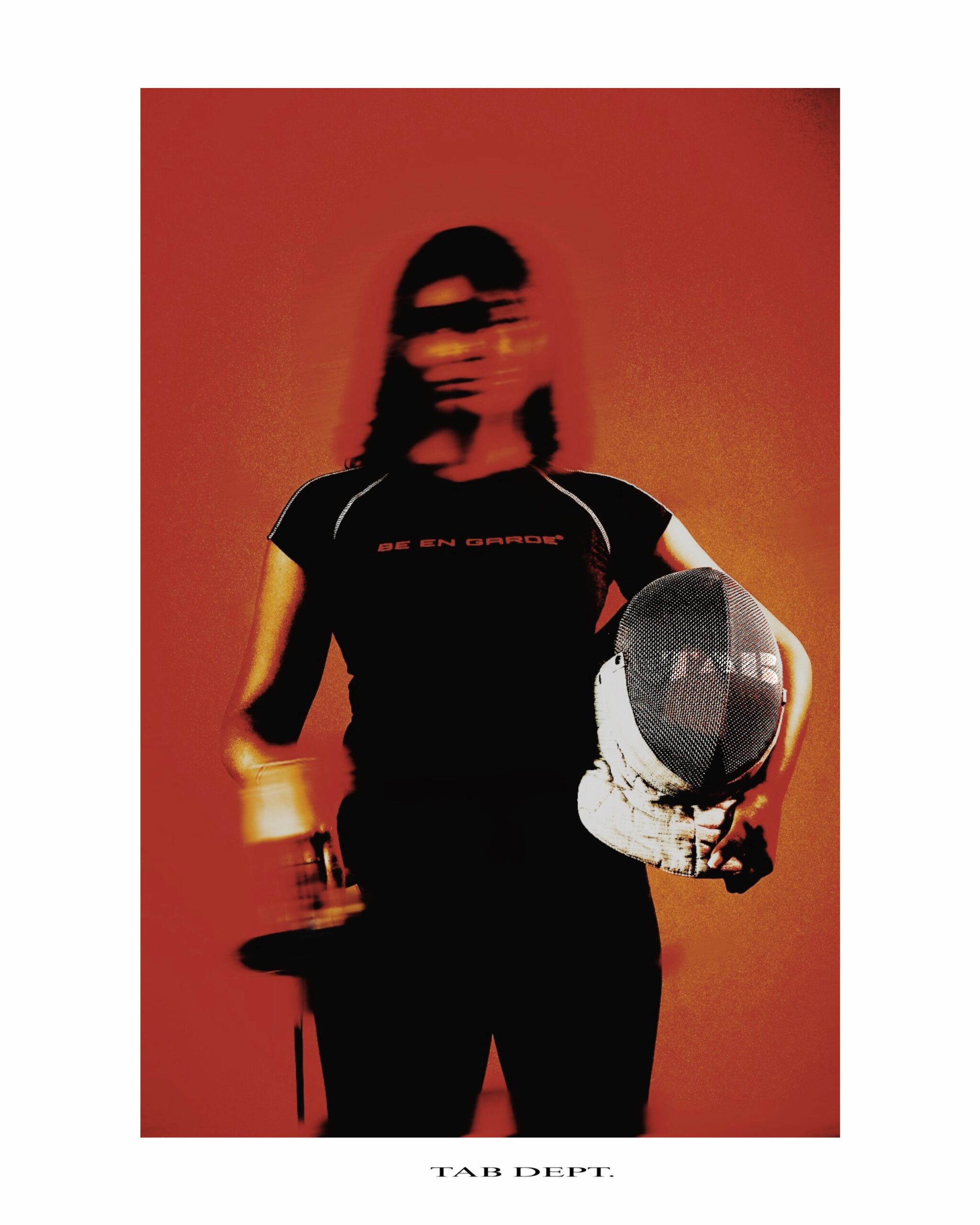
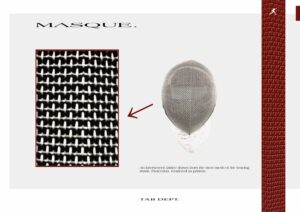
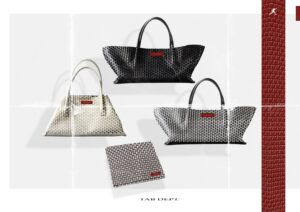
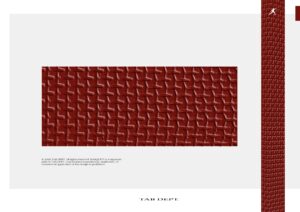
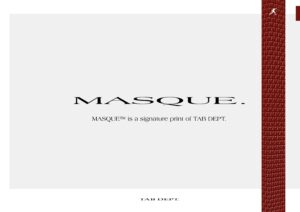
You can see all three living together in the current work. MASQUE is our signature print, built from an original photograph I took of fencing mask mesh. COQUILLE is our tote, PLASTRON is our billfold, both named after actual fencing terminology, because the language of the sport is French and I wanted the brand to speak it properly rather than just borrow the aesthetic.
“The thing I love about this brand is that I’m not boxed in.”
I can move in any direction I choose, and it still covers every aspect of fencing and fashion.
Trademarks, Copyright, and Protecting an Original Idea

As a founder-designer building an independent luxury brand, you’ve navigated trademark registration and copyright protection for your original designs. Can you walk us through your IP strategy and the key decisions you made early on to protect TAB DEPT’s intellectual property? What made you see the need?
Navigating it was definitely a pain at first; I had no clue what I was doing. But after a lot of dedicated research and time, I learned the ins and outs of IP law and how important it is to protect yourself and your brand. Had to be en garde with that one lol.
If you can’t navigate it yourself, it’s important to seek help. Some attorneys will answer questions for free, point you in the right direction, or take pro bono work. It’s better to do it right the first time than waste money and time.
On the concrete side, our BE EN GARDE wordmark is now federally registered (Reg. No. 8,377,801, registered August 4, 2026), and we tracked the fencer logo mark through the process as well. For MASQUE, our signature print, I’m filing copyright as a derivative work based on my own original photograph of fencing mask mesh. That distinction mattered to me. The print isn’t a stock pattern or a licensed graphic; it comes from a photo I took myself, and protecting it that way means the ownership chain starts and ends with me.
Unfortunately, in today’s society, people are always taking other people’s ideas and claiming them as their own. I’ve noticed a few “fencing inspired” brands pop up after I started TAB DEPT, and I don’t believe in coincidences. Even someone I considered a friend started their own “fencing brand” after asking me questions about mine in the early stages: sales, ideas, future goals and claiming they wanted to invest in the brand. So yeah, this industry can be really grimy at times, and it’s hard to protect an original idea or design against both smaller brands and bigger corporations.
I have a good amount protected already, and there’s a lot more I plan to trademark and protect going forward. But as we all know, that’s costly and time-consuming on top of everything else you’re already carrying as a business owner. People love to hop on trends, but I’m not building a trend. I’m building something long-lasting, a movement. And when the so-called hype comes, I want to be as protected as I can be.
One thing I love about people, though, is
“People can smell authenticity a mile away. They support the real ones, the first creators, even when corporations and copycats take the idea and run with it.”
Building Without a Roadmap
What were the biggest challenges in building an independent brand in luxury fashion, particularly when entering a completely unclaimed category with no established players or distribution models?
Building a community is the hardest thing when there’s no community for what you’re trying to build. Thankfully, I’ve been blessed with a strong group of people and supporters who understand the brand and what I’m creating. This isn’t a trend or a fad. I’m building a long-lasting movement and community that truly resonates with the brand’s philosophy.
The other challenge is that there’s no roadmap for the operational side either. No established players in the category means no template for who to manufacture with, where, or how. I built those relationships from scratch and now have manufacturing partners in Italy, Spain, and Dubai, and we’ve shot campaigns in London, Paris, and Puglia. Figuring all that out independently, without capital and without anyone to model it after, was probably the steepest part of the climb.
It’s inspiring to watch people who had no idea what fencing even was join the movement and the conversation. But I love a challenge, and building a community basically from scratch is what motivates me every day.
Be En Garde: The Philosophy Behind the Brand

“Be En Garde”: guard your mind, heart, and spirit from negativity and outside influences, to be ready, to be prepared. How does this core belief shape TAB DEPT’s brand identity, your design decisions, and your approach to building the company?
Yes, I’m selling apparel, but it’s more than that. I believe what you represent is important, and what you wear is just as important.
Some people just make clothes for money, because it seems cool, because it’s trendy, because they think it’s a get-rich-quick scheme (far from the truth lol). A lot of brands have no real meaning behind them. It’s just clothes. No original story, no design language, no purpose.
“What does this brand make you feel? How do you feel when you’re wearing it? What does what I’m wearing represent?”
Those are the questions I asked myself before creating this brand. I knew I didn’t want it to be generic. I knew I wanted something long-lasting that anyone could remember, relate to, and carry with them wherever they go, and that ties directly to fencing.
Be En Garde is the foundation of everything. It’s important that we’re on guard against negative people, comments, influences, and thoughts. Be on guard in every aspect of your life. Be ready for whatever comes next. Be prepared when the next opportunity arrives. Be on guard against anything or anyone that keeps you from your goals.
Designing as an Athlete, for Athletes
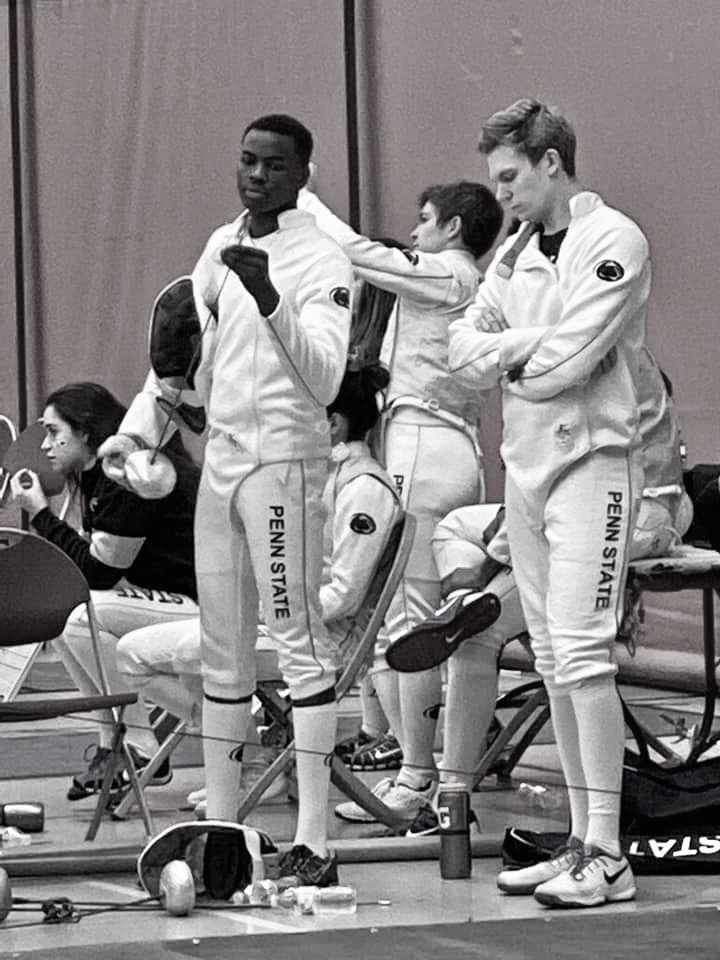
You are actively training toward the 2028 Los Angeles Olympics in men’s epee. How does your athlete’s perspective inform your design process, product development, and understanding of what your customers actually need in fencing apparel?
So important, you don’t even understand how many times I wished I had a specific fit, piece, or material as an athlete. My friends who compete had the same complaints about certain gear. I make things I would actually wear, and I never make anything I wouldn’t. As a designer and CEO, selling a product you wouldn’t use yourself makes no sense to me lol.
Every piece you create comes from a founder’s hands-on involvement in design and brand building. Why has maintaining that level of creative control and direct involvement remained non-negotiable for TAB DEPT?
Very important. We take the quality of our pieces seriously and make sure we partner with the right people and manufacturers to put out something that actually lasts. I’ve always been quality over quantity, and I’ll carry that with this brand forever. I never want to be in a position where I’m choosing quantity over quality and lowering the brand’s standards.
On the creative side, I still do all of it myself. Creative direction, photography, videography, graphic design, the website, all of it. Part of that is practical; I launched this without outside capital, so early on there simply wasn’t a choice. But it’s stayed that way because the vision lives in my head and every hand it passes through is a chance for it to get diluted. When I shoot a campaign, I already know what it’s supposed to feel like before the camera comes out. That’s hard to brief to someone else.
I’ll bring people in as we grow; that’s necessary. But the final decision and the direction stay with me. That’s non-negotiable.
How do you build and nurture community around TAB DEPT, especially within the fencing world? What does that relationship between athlete, brand, and consumer look like for you?
Honestly, just be real and authentic, and I do that the best way I know how. I love hearing feedback from customers. It’s super important. You have to listen to the people who support you. I’m a consumer myself, and I’d want the businesses I support to have that same level of care, respect, and attention to detail. I’ve been the customer looking in from the outside, so I know exactly how I’d want a brand I support to operate.
We also recently signed our first sponsored athlete, which was a real milestone for me. It’s not just a logo placement. It’s about building an actual ecosystem where the brand and the athletes competing in this sport grow together, rather than the brand just borrowing the sport’s imagery and giving nothing back.
What Comes Next
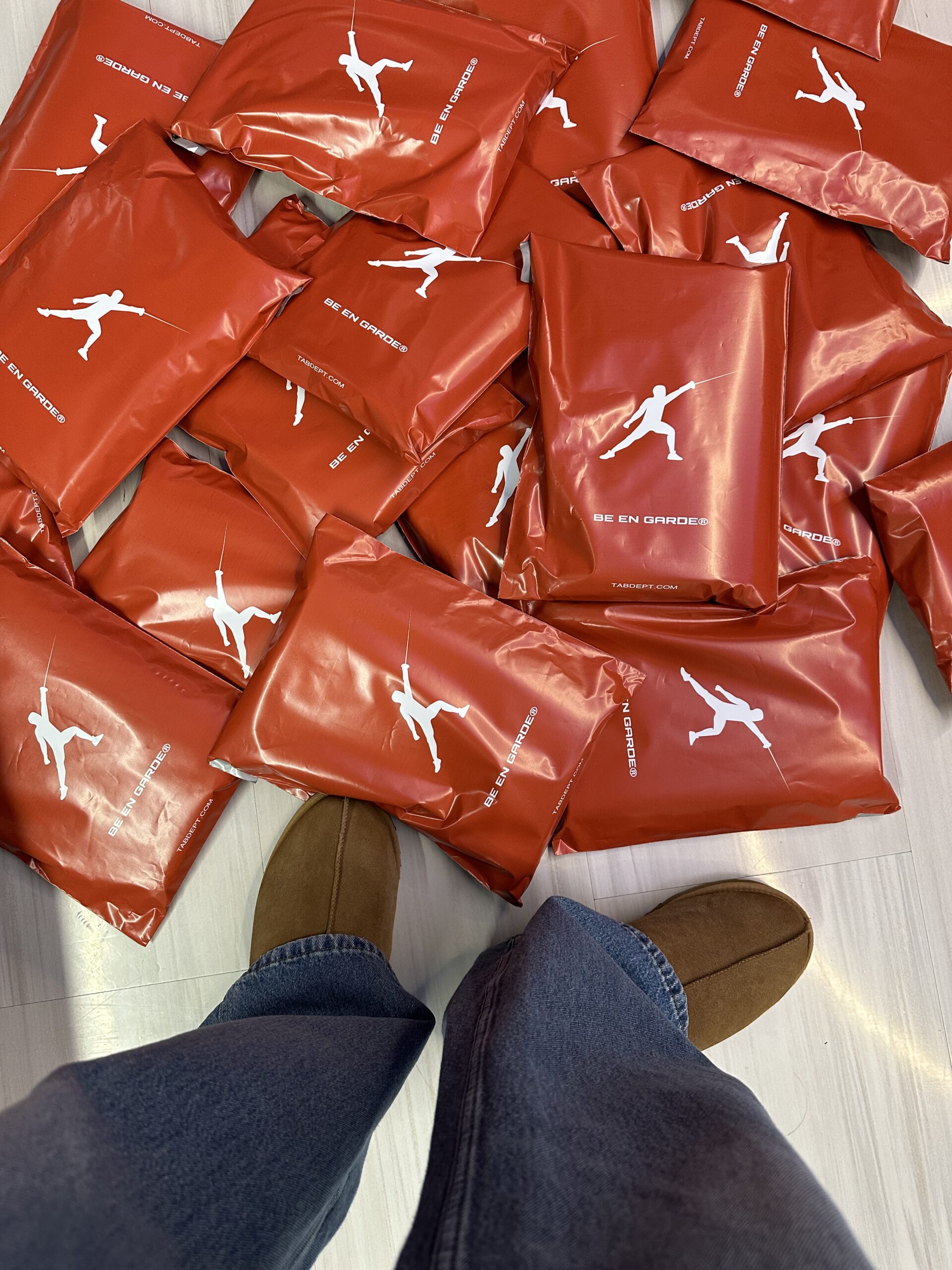
Looking ahead, what does scaling TAB DEPT look like, and how do you plan to preserve the brand’s independence and founder-led identity as demand grows?
Looking ahead is exciting and nerve-wracking at the same time. I know for a fact this brand will be a multi-million, if not billion-dollar brand. I know the brand’s potential, and I know my own.
I hate to lose more than I like to win. I know the dedication, hard work, and sacrifices I’ve made and will keep making; and we’re just getting started. I’m the type of person who’s going to figure it out no matter what, even if I have to do it alone. But I’ve been blessed with a great circle and people like yourself who believe in the brand, the vision, and the world I’m creating.
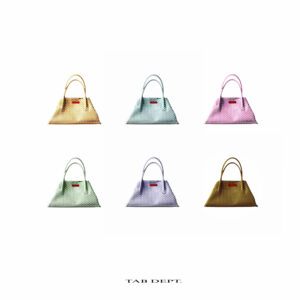
There’s a lot more coming: tighter, more focused fencing-driven designs, shoes, suits, dresses, jewelry, bags. I’m excited to start rolling those out when the time is right.
I most likely will never sell this brand, because I don’t think anyone has the vision I have for it. I’ll welcome investors, of course, but I’d hate to lose creative control and final say and watch someone push it in a direction it was never meant to go. So
“authenticity, creativity, and relationships will be the key to a successful TAB DEPT.”
What advice would you give to other athlete-founders or independent designers hoping to build a globally recognised luxury brand in a niche space without giving up creative control?
Be real to you, your own journey, and your own ideas. The road may be long and difficult, but it’s YOURS. No one has the ideas, drive, passion, or story you have. Don’t be artificial, and don’t allow anything artificial into your creative process or your space.
Keep grinding regardless of how it looks right now, regardless of whether “friends” or “family” support you. Your supporters will come if you keep going.
Believe me, there are plenty of people I know, and so-called friends, who have never supported the brand or offered a word of encouragement or advice. People who just watch and say nothing. But you can’t take that to heart. You just learn how to move.
I’ve learned to put my energy into the people who do support instead of the ones who don’t. I actually keep track of everything, so I know who to bring with me and bless as I grow. From some of the first purchases, to the first follows, to the people who expressed genuine interest early. I look forward to blessing the people who believed in me and the brand before the hype, the recognition, and the articles.
And let’s say you only have a few supporters right now. That’s just fewer people you have to bring up with you when you make it lol.
What’s the next chapter for TAB DEPT, and how does the vision evolve as the brand matures?
Long term, I see multiple storefronts: Charlotte, NYC, Cali, the major cities across America, then Italy, Paris, Cairo, Lagos, Casablanca. You name it, I want TAB DEPT there.
I also want this brand to introduce the incredible sport of fencing to people who’ve never touched it. Our own fencing events, shows, competitions, partnerships. I want us at NYFW & our own runway shows.
When you think fencing, sword fighting, duels, protecting yourself, being en garde, I want you to think TAB DEPT. We’re building a whole stage, a whole world of its own, and I want people to be part of the movement.
“No matter how long it takes, one day, no matter where you go, you’ll see TAB DEPT. Our logo, our symbol, our philosophy.
Be En Garde. Not Just a Brand. A Movement.”
A First Look: TAB DEPT FW’26
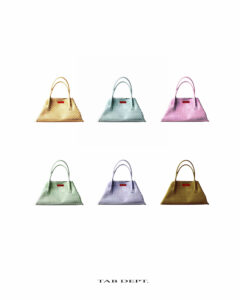
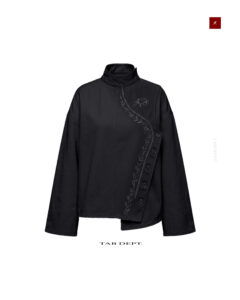
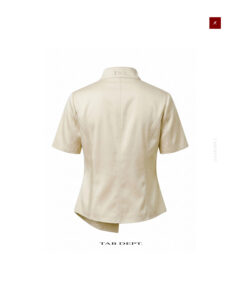
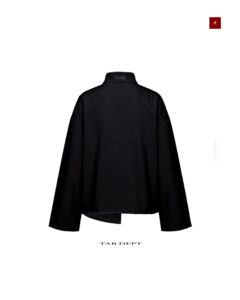
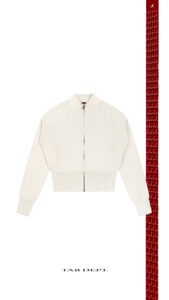
While this piece was already underway, Tylen let us in on something not yet public: an early look at pieces from TAB DEPT’s upcoming FW’26 collection. The designs carry through everything he described throughout this conversation: fencing-driven, deliberately unhurried, and built the same way everything at TAB DEPT is built, entirely in-house, with Tylen behind the direction of every shot. What follows is an exclusive first look at a handful of pieces ahead of the wider reveal.
FASHION LAW JOURNAL INSIDER
Join designers, brand founders and fashion lawyers who get the biggest brand battles, IP fights and career moves in fashion law, straight to their inbox.