

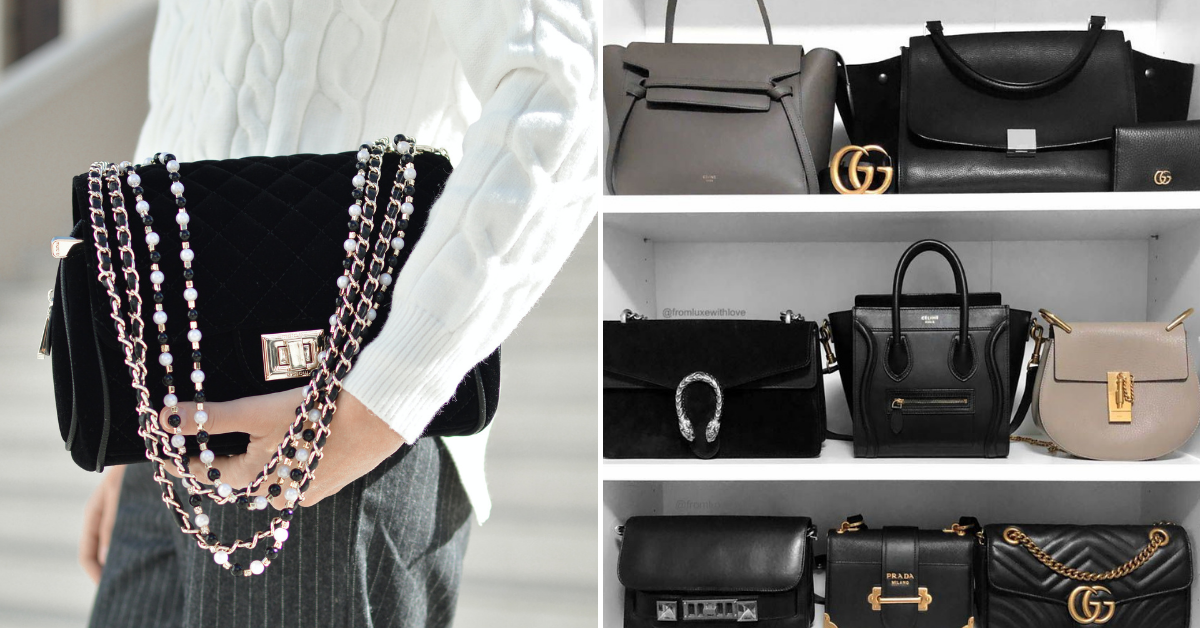
A property isn’t just fabric or thread; it’s the work and experience involved in creating the desired pattern and choosing materials, as well as researching the market. It is the process of turning the unique idea into a sought-after piece of clothing. If someone takes the design and mass-produces it, claiming the piece is a substitute for the original, that is not inspiration; it is using someone else’s creative work and financial resources without giving anything back.
When a duplicate (dupe) product appears on the market, it not only competes with the original, but it utilizes the results of market research conducted by the original’s creators. Market research matters in any creative process, and counterfeits benefit from another person’s efforts. The original creators take all the risks, trying to predict whether their design will sell, including financial and other risks. Dupes enter the market when demand already exists because of the creators’ previous marketing efforts.
Unlike original designs, there are no risks involved with dupe production. Dupes don’t have to take the risks the designer assumed before the creation gained popularity and started selling. They let someone else do the hard work, then step in and profit from it. It is not a fair competition.
Dupes are deliberate copies. It is not a coincidence that dupes are advertised using such slogans as “get designer style for cheap” or “copy of [designer name] for one tenth of the price”. Dupes often compare photos and use hashtags that mention the original item. All of those methods are used for a reason, since dupes depend on people knowing exactly what they are trying to copy. They put effort into making their product look similar to the one they are copying, so the resemblance itself becomes the main selling point.
FLJ Insider Pro is open: live fashion law jobs and internships, five career guides and two roadmaps. Early bird USD 12/month. See what's inside
However, people claim that dupes cannot be considered theft because they remain legal, lack logos or trademarks, and therefore cannot be considered infringements. However, legality and wrongfulness are two different things. Copyright laws were not developed specifically for fashion, and clothing was not considered a design, so copyright does not fully protect the clothes. In other words, the absence of any kind of legal action in response to a certain situation means only that there is no legal solution to it, but does not prove that there is no wrong committed.
Research shows that when designers explicitly say buying a dupe is equivalent to theft, it does not influence consumer behaviour. People often treat buying a dupe as a reasonable purchase or as a fair response to the high prices of luxury goods. But this does not mean the underlying claim is false. A message that fails to change someone’s behaviour only shows that people can normalise an action even when it harms someone else; it says nothing about whether the harm is real.
This is exactly why the issue cannot be left to consumer conscience alone. If moral appeals are not enough to stop the harm, and the harm to designers is real regardless of how consumers choose to justify their purchases, then the responsibility shifts to the law. The law exists precisely for situations where individual behavior will not correct itself through awareness or guilt. Apparel not fitting neatly into existing intellectual property categories is a limitation of how the law was written, not a reason to leave creators unprotected. The law should be updated to reflect the harm that is actually taking place, instead of waiting for consumers to arrive at that conclusion on their own.
References:
https://www.sciencedirect.com/science/article/abs/pii/S0007681322000969
Author: Anshika Mittal
Disclaimer: The views expressed in this article are those of the author and do not necessarily reflect the views of Fashion Law Journal
FASHION LAW JOURNAL INSIDER
Join designers, brand founders and fashion lawyers who get the biggest brand battles, IP fights and career moves in fashion law, straight to their inbox.