
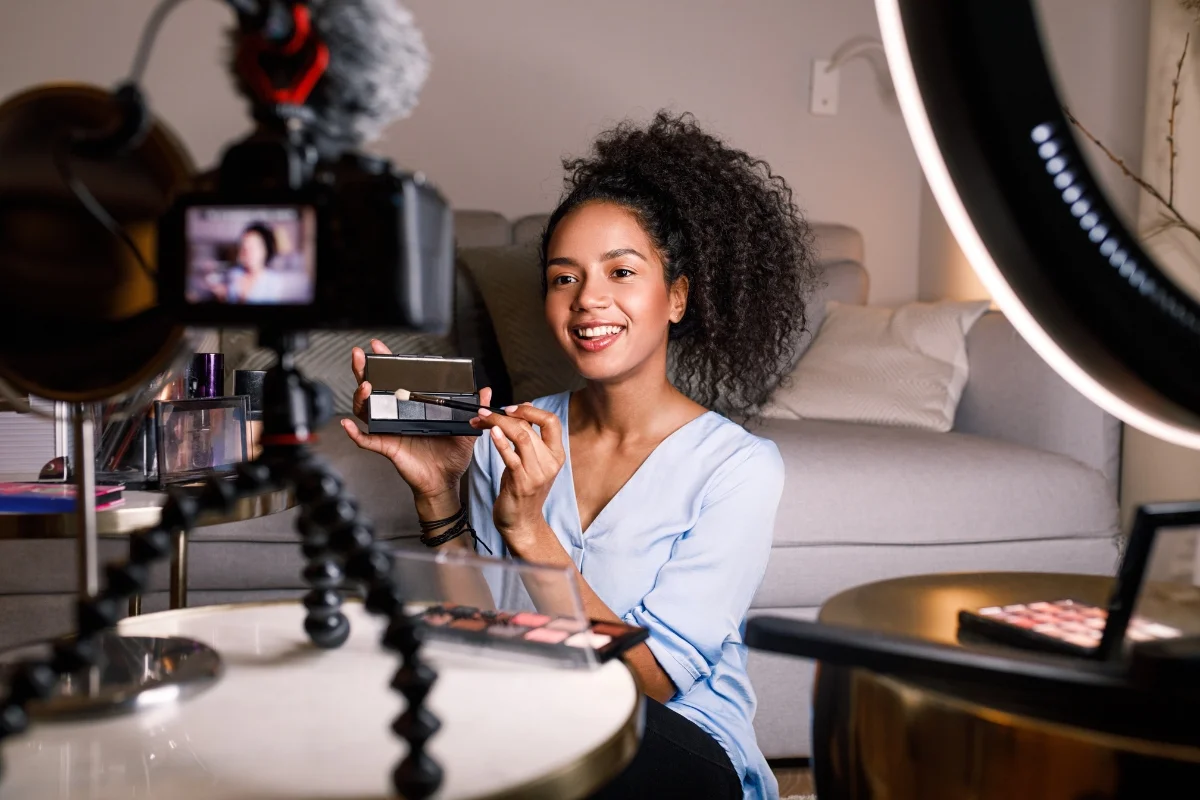
A free product in a PR package triggers a disclosure duty in the United States, the United Kingdom and India, and an influencer who posts about it must say so. The brand shares that responsibility, which is why the note tucked into the box matters as much as the product inside it. This guide sets out the disclosure rules in each market and ends with a gift note template that works in all three.
Why a Free Gift Triggers Disclosure
The FTC’s Disclosures 101 for Social Media Influencers lists free or discounted products among the perks that create a material connection with a brand. A gift with no obligation to post does not change that. The disclosure duty attaches to the influencer who posts, and the brand answers for the campaign it set in motion.
The FTC tells brands what to do when they send an unsolicited product and nothing else. According to its guide on endorsements, the company should ask the influencer to disclose the gift clearly and conspicuously in any resulting post and explain how to do it, and it should ask the influencer to tag the brand. Training material alone falls short, and the company should monitor the tagged posts that follow.
What Disclosure Looks Like in the United States
The FTC wants plain language. A line such as “Thanks XYZ for the free product” is good enough when the product is all the influencer received, and so are words like “ad” and “sponsored.” Stand-alone terms such as “thanks,” “collab” or “ambassador” do not explain the connection. The disclosure must also sit where viewers cannot miss it.
Video follows stricter rules. The FTC advises influencers to place the disclosure in the video itself, in both audio and visuals, because viewers often skip the text beneath it. A disclosure that appears only in a YouTube description is not enough on its own. A platform’s built-in partnership label does not settle the question either, since the FTC would still ask whether the tool by itself conveys the connection clearly.
The UK Rule: “Ad” Comes First
The United Kingdom asks for more. The government’s guidance for brands says that a business sending free gifts should include clear instructions that any resulting content must be labelled as an “Ad”. It recommends the words “Ad” or “Advert,” and it warns that a brand is at risk if it keeps working with a creator who repeatedly fails to label content.
The guidance for creators lists words to avoid, including “#gifted,” “#gift,” “thank you” and “PR haul.” A gift therefore needs the word “Ad” in a clear, upfront position. Two regulators apply here. The Advertising Standards Authority explains that a gift or other perk brings a post under consumer protection law, and the UK Advertising Code applies as well when the brand controls the content.
The Indian Rule: Even Unsolicited Gifts Count
India’s Advertising Standards Council defines a material connection broadly. Its FAQ lists free products “with or without any conditions attached including those received unsolicited” among the benefits that create one. ASCI’s accepted labels include “Ad,” “Advertisement,” “Sponsored,” “Collaboration,” “Partnership,” “Employee” and “Free gift,” and its updated guidelines add “Affiliate” and platform-specific disclosure tools. The label must be upfront, prominent and easy to understand, and the brand shares responsibility for the post.
One Label That Works in All Three Markets
A label that opens with “Ad” and then names the sender covers the ground. “Ad: gifted by [Brand]” meets the FTC’s wording guidance, the UK expectation that “Ad” comes first and ASCI’s list of accepted labels. In a video, the creator should say it aloud and show it on screen at the start, as the FTC advises. In a caption, it belongs in the first line, before the “see more” cut.
A Gift Note Template
Include a short note in every package so the instructions arrive with the product. Adapt the wording to your brand’s voice.
Hello [Name],
We chose this [product] for you because we admire your work. It is a gift with no strings attached. You can post about it or not, and you can share your honest opinion either way.
If you do share it, please make clear that we sent it. Start your caption with “Ad: gifted by [Brand].” In a video, say it aloud and show it on screen at the beginning. A platform’s partnership tool is not enough on its own. Please also tag @[brand].
Questions? Write to [email address].
Thank you, [Sender name], [Brand]
Each line does a job. The first paragraph tells the influencer that no post is required, which keeps the gift a gift. The second paragraph follows the FTC’s advice to brands by explaining how to disclose and asking for a tag. The video sentence tracks the FTC’s rule on audio and visual disclosures, and the sentence on partnership tools reflects US and UK guidance that a built-in label does not replace a clear one in the caption.
What to Do After the Post Goes Live
The note starts the process and does not finish it. The FTC says a company should monitor the tagged posts that result from a gift, and the CMA’s guidance, as summarised by Osborne Clarke, says a brand should work with the creator to correct a post that lacks a label. Keep a record of what you sent and the instructions that went with it. A brand that agrees formal terms with a creator should put the disclosure duty in writing, and FLJ’s influencer collaboration agreement template covers usage rights, exclusivity, payment terms and kill fees alongside it.
This article gives general information about influencer gifting and disclosure and should not be taken as legal advice. Requirements differ between the United States, the United Kingdom and India, and regulators update their guidance often. Check the current rules for each market where your campaign runs, and consult a qualified lawyer for advice on your own agreements and campaigns.
FASHION LAW JOURNAL INSIDER
Join designers, brand founders and fashion lawyers who get the biggest brand battles, IP fights and career moves in fashion law, straight to their inbox.