
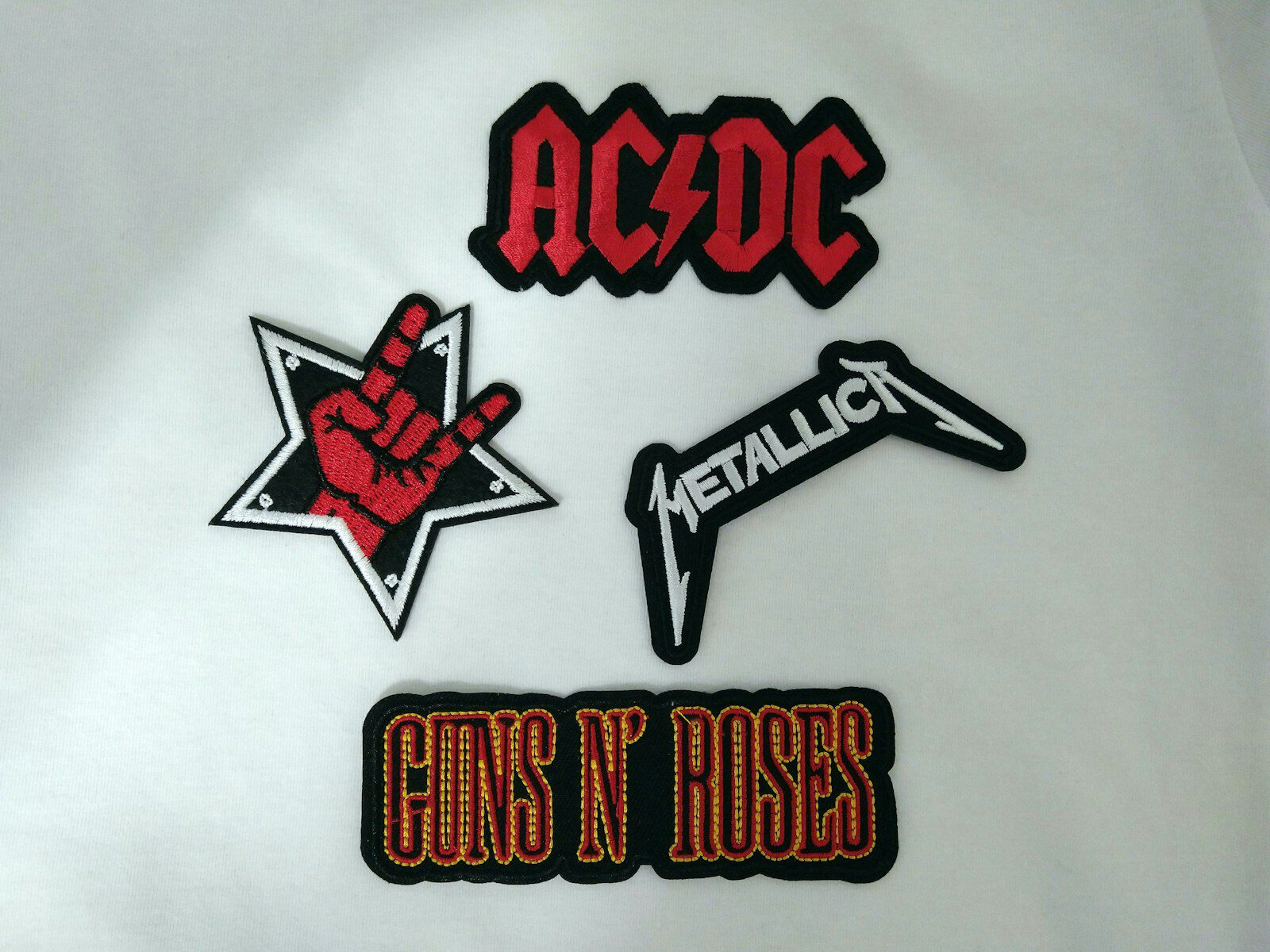
Every major tour draws the same parking lot economy: a handful of vendors selling t-shirts that look close enough to the official merch table to fool a fan walking in, gone within minutes of the last encore. Chasing down sellers who vanish the moment a show ends does not fit neatly into ordinary litigation, which is exactly why courts built a legal tool specifically for this problem, one most other industries never need to touch. Festivals face the same exposure on a larger scale, since dozens of acts, each carrying its own trademarks, converge on one venue at once, multiplying the number of marks a bootlegger could infringe on a single afternoon.
The Tool Built Just for This Problem
Touring artists and their merchandise licensees combine Federal Rule of Civil Procedure 65 with the Trademark Counterfeiting Act of 1984 to get what amounts to real-time enforcement against sellers nobody can identify in advance. The combination stacks five tactics courts generally dislike: emergency proceedings, ex parte seizure orders granted without the other side present, seizure without a prior hearing, defendants named only as “John Doe” because their real identities are unknown, and restraining orders that can cover an entire remaining tour rather than one city. Courts routinely voice discomfort with all five even while granting them, because the alternative leaves rights holders with no real remedy at all. A bootlegger selling out of a duffel bag disappears along with the proceeds the moment a show lets out, which makes an ordinary lawsuit filed weeks later almost worthless as a deterrent. The policy logic runs the same way courts reason about any request for emergency relief: without the ability to seize goods on the spot, the rights holder suffers real, irreparable harm that no later judgment could actually undo, since there would be no defendant left to collect from and no inventory left to seize.
Precision Is What Makes the Order Enforceable
A seizure order only works if a US Marshal standing outside a venue can look at a shirt and decide, on the spot, whether it counts as counterfeit. When Phish obtained its order in 2024, the terms authorized seizure of counterfeit merchandise within a 20-mile radius of upcoming shows, starting ten hours before each concert and continuing six hours after, extending to any bag, carton, vehicle or other container carrying the goods. That specificity is not incidental. Courts often narrow, or “blue-pencil,” an overly broad request down to something a law enforcement officer can actually apply in the field, since a vague order asking marshals to judge originality or design quality in real time would collapse the moment it left the courtroom.
Timing Decides Whether a Court Grants the Order at All
Courts have drawn a real line between artists who wait for actual bootlegging to start and artists who try to get ahead of it. Phish filed its request after the tour was already underway, once bootleggers had shown up and the harm had become concrete, and named the specific remaining cities on the schedule rather than asking for blanket nationwide coverage. That approach succeeded. AC/DC took the opposite route in March 2025, filing before the tour began and seeking nationwide relief against defendants nobody had identified yet, a request that legal commentary flagged as considerably harder to justify under the same standard. The pattern shows up on the losing side too. A federal judge denied Live Nation’s request to seize bootleg Fleetwood Mac merchandise in 2018 specifically because the company pointed only to a general history of bootlegging around other artists rather than any actual bootlegger spotted on that tour, which the court found insufficient to show real injury. Coachella lost a similar request in 2016 for the opposite reason, having known about the bootlegging risk for months and waiting until a week before the festival to ask a court for help.
One Rights Holder Makes Enforcement Much Cleaner
The tool works best when a single entity controls all the merchandise rights and never licenses outside vendors to sell at the show. Phish and WWE both fit this model, which removes the hardest question a marshal would otherwise face at the gate: telling an authorized seller apart from an unauthorized one. If the band or promotion never licenses third-party booth vendors at all, any outside seller carrying branded merchandise is automatically unauthorized, no judgment call required. A music festival booking a dozen different acts, each with its own separate merchandise licensee, loses that clean line entirely, since a marshal now has to distinguish between several categories of legitimately licensed sellers and the bootleggers mixed in among them.
This Keeps Happening Because the Volume Never Stopped
The practice remains fully active today, not a relic of an earlier touring era. Live Nation’s merchandise arm filed suit ahead of Bruce Springsteen’s April 2026 show at the Prudential Center in Newark, HYBE sought the same relief ahead of BTS’s Arirang tour dates in Tampa, and Bravado pursued bootleggers trailing A$AP Rocky across multiple tour stops the same year. Fashion Law Journal’s coverage of a comparable counterfeiting dispute, Fendi Adele S.r.l. v. Ashley Reed Trading, shows the same underlying Lanham Act framework doing similar work in a retail setting, proof that the legal theory behind a concert seizure order and a counterfeit handbag case share the same statutory root even when the enforcement mechanism looks completely different.
The Duffel Bag Economy Meets a Very Specific Court Order
Merch bootlegging survives because it moves fast and disappears faster, and the legal tool built to stop it had to match that speed exactly, right down to naming a radius in miles and a window in hours rather than filing a normal lawsuit and waiting. Getting a court to grant one of these orders comes down to showing up with the receipts, real bootleggers already spotted on this specific tour, not a general reputation for the problem, and asking for exactly the geographic and time-bound scope a marshal can actually enforce rather than a sweep broad enough to make a judge uneasy.
FASHION LAW JOURNAL INSIDER
Join designers, brand founders and fashion lawyers who get the biggest brand battles, IP fights and career moves in fashion law, straight to their inbox.