
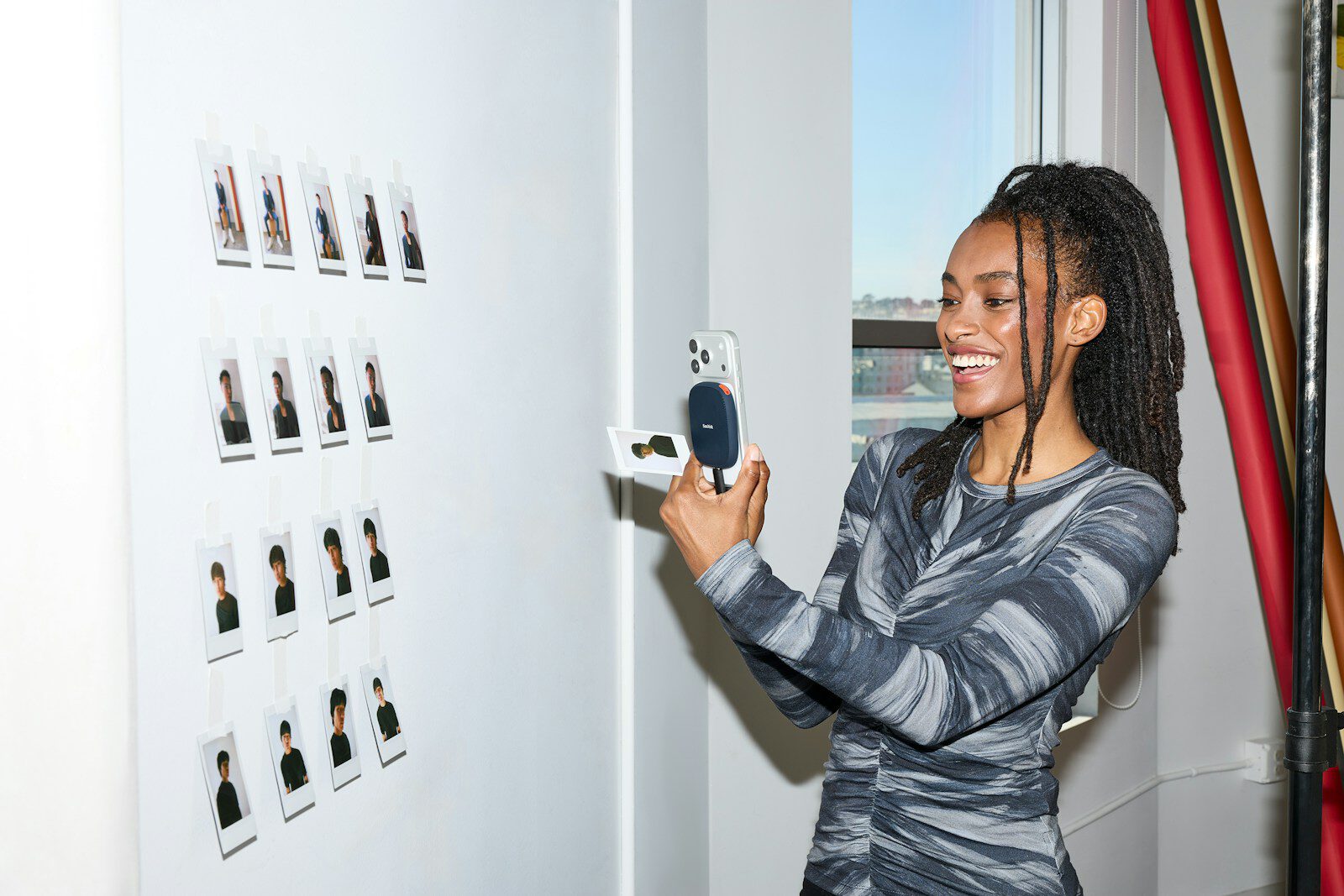
A modeling portfolio does two jobs at once. It shows agencies and clients what a model looks like on camera, and it carries a set of legal questions that many models never ask until a photograph appears somewhere it should not. Who owns the picture, who may use it and whether the model has any say all depend on paperwork signed before the shutter clicks. This guide sets out what a strong portfolio contains and how the ownership rules work in the United States.
What a Strong Portfolio Contains
Agencies and casting directors look for a short, clear set of images. Most models build a portfolio around a few headshots, a full-length photograph, and a range of looks that show their versatility, including a close-up and an outdoor image. A composite card, often called a comp card, usually sits beside the portfolio. It places several of the strongest photographs on one page and lists the model’s measurements, height and contact details.
Clear, unretouched images matter most. An agency will want to see the model’s natural features before deciding whether to offer representation, so heavy editing can backfire at the first meeting. Photographs should also be recent. A portfolio that shows a model from several years and several looks ago gives a misleading picture of what the agency is signing.
Agencies expect this material to be accurate. The Fashion Workers Act in New York requires model management companies to be registered and to provide models with a written deal memo, which gives a model a clear record of how their image will be used once an agency takes them on.
FLJ Insider Pro is open: live fashion law jobs and internships, five career guides and two roadmaps. Early bird USD 12/month. See what's inside
Who Owns the Photograph
The person who presses the shutter owns the copyright in the photograph, and the model in front of the camera does not. The US Copyright Act makes the author the first owner of a work, and the photographer is usually the author of a portrait. A model who pays for a test shoot does not acquire the copyright by paying, and a model who appears in dozens of images holds no copyright in any of them.
The photographer can transfer that copyright, but the law requires a written, signed document. Section 204(a) of the Copyright Act states that a transfer of ownership is not valid unless it is in writing and signed by the owner. A verbal promise that a model may keep the images does not count, and the same applies to a promise that the photographer will never use them. Models who want to control the files should read their agreement for a clause that assigns the copyright or grants a licence, and they should check how long the licence lasts.
Many shoots operate on a trade for prints basis, often called TFP or time for prints. The model poses in exchange for edited photographs, and no money changes hands. A TFP agreement usually leaves the copyright with the photographer and grants the model a licence to use the images for their portfolio. Model release forms commonly sit alongside those agreements, and their terms vary widely. Some grant the photographer a broad right to use the images for any lawful purpose, while others limit use to portfolio and personal promotion.
The Model’s Right to Control Commercial Use
Copyright does not settle everything. A model also holds a right of publicity, which protects the commercial use of their name and likeness. In New York, Sections 50 and 51 of the Civil Rights Law make it unlawful to use a person’s name, portrait or picture for advertising or trade without written consent. A photographer may own the copyright and still need the model’s written consent before using the image in an advertisement.
The Second Circuit tested that rule in 2021. According to a law firm’s summary of the decision in Electra v. 59 Murray Enterprises, the court held that releases which granted broad rights to photographs did not satisfy the statute’s requirement of written consent for the commercial uses at issue. Models should read that decision in full before relying on any release, because it shows that a copyright grant and a publicity consent are separate matters.
California follows a similar path. A practitioner’s explanation of Civil Code section 3344 describes the statute as protecting a person’s likeness from commercial use without consent, and it provides remedies for unauthorised use. Models working in several states should therefore check the rules where each photograph will appear.
Reading a Release Before Signing
A model should check four points before signing any release. The first is the scope of use, meaning whether the photographer may use the images for portfolio, social media, advertising or any other purpose. The second is the duration, since some releases run for life. The third is the territory, which can be worldwide. The fourth is whether the release assigns copyright or merely licenses the images. A release that answers all four questions in plain language protects both parties, while a vague clause invites a dispute later.
Models should also keep copies of every agreement, along with the dates and the shoot details. A dated record makes it easier to trace which images were taken under which terms, and it helps when an image appears somewhere unexpected. FLJ’s guide to model contracts sets out the clauses that matter most in a modeling agreement, and it pairs well with this checklist.
When a Photograph Appears Without Permission
A model who finds an unauthorised image should first preserve the evidence, starting with the URL and a dated screenshot. The model should then check the agreement and the release to establish what the photographer was allowed to do. If the release does not cover the use, a written demand letter that cites the publicity statute and asks for removal can resolve the matter without litigation. A model who has no signed release at all stands in a stronger position on publicity claims for commercial use, though the copyright question remains with the photographer.
FLJ’s coverage of employment law and the rights of fashion models shows how courts have treated unauthorised photograph use within agency disputes, and it offers useful context for any model whose images have been used beyond what they agreed.
A Portfolio That Protects Its Owner
A strong portfolio shows a model clearly and recently. The paperwork behind it protects the model just as much as the images do. Before the next shoot, a model should ask who will own the photographs, how long the photographer may use them and whether a commercial release is needed. Those three questions, answered in writing, will do more to protect a career than any single picture.
FASHION LAW JOURNAL INSIDER
Join designers, brand founders and fashion lawyers who get the biggest brand battles, IP fights and career moves in fashion law, straight to their inbox.