

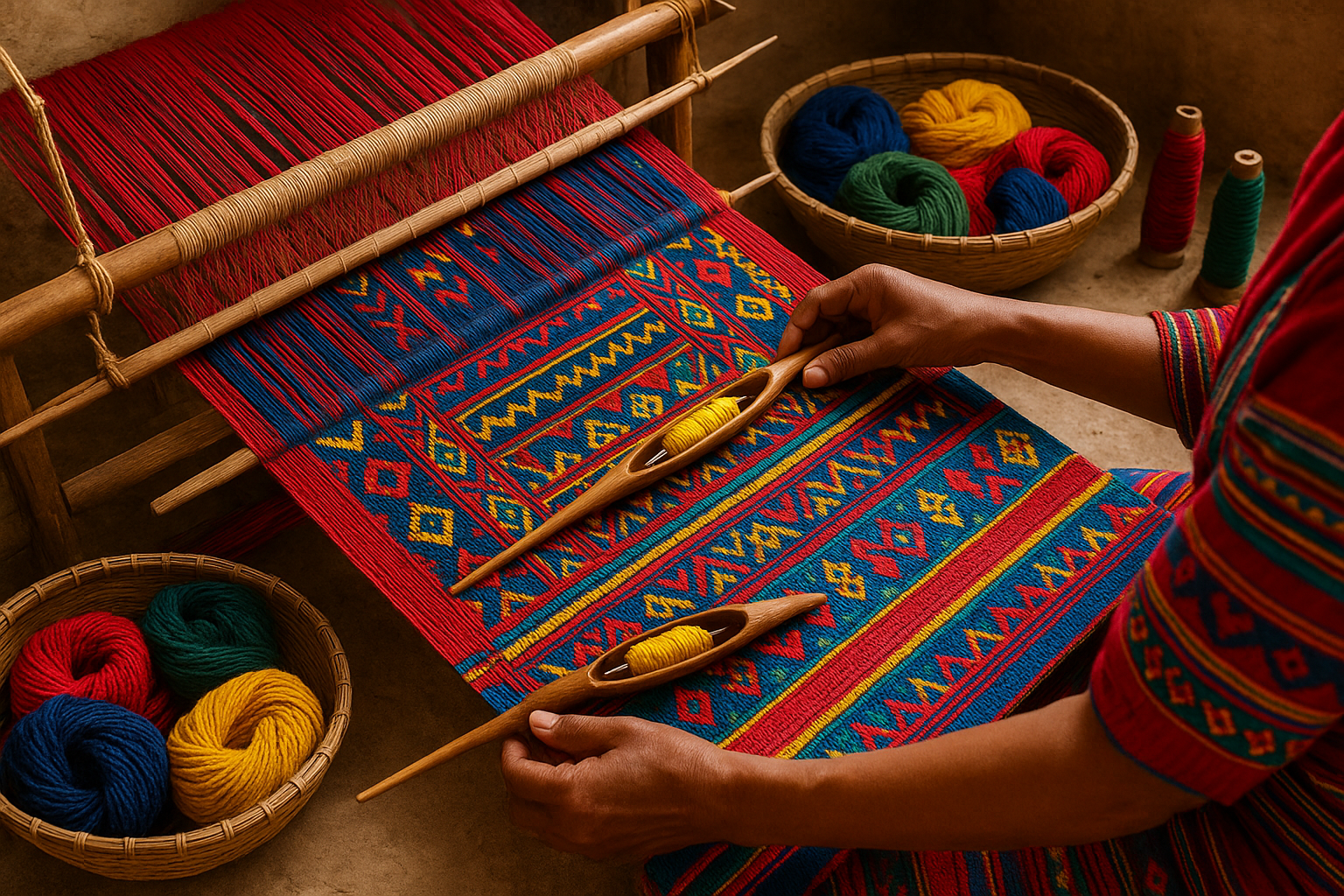
Indigenous fashion goes beyond clothes; it is an indicator of a people and culture’s history, identity, beliefs, and cultural heritage. Traditional textiles, handwoven fabrics, embroidery, patterns, ornaments, and symbols are passed down through the generations. But when big fashion brands profit from designs without permission, credit, or fair wages for indigenous communities, and use them in ways that harm their heritage, current intellectual property laws offer little protection.
The main problem is that standard intellectual property law tends to protect specific creators and original works. Indigenous designs tend to be built collectively and passed down over time. The World Intellectual Property Organization (WIPO) acknowledges this issue in its efforts regarding traditional cultural expressions and the fashion industry.
The legal protection gap
Traditional indigenous designs are commonly considered traditional cultural expressions (TCEs). These expressions include everything from traditional indigenous textiles and clothing to ornaments, art designs, symbols, and more—anything that represents a community’s cultural identity (WIPO).
FLJ Insider Pro is open: live fashion law jobs and internships, five career guides and two roadmaps. Early bird USD 12/month. See what's inside
But a design must have certain requirements in most intellectual property systems for that to happen legally. These can be, for example, originality, identifiable authorship, novelty, or even the need to be registered. Because so many traditional patterns have been around for ages and the laws are designed around protecting brand-new works, it is difficult to claim exclusive rights to them.
This could lead to a fashion brand taking a familiar motif and modifying it for commercial use. The community that has kept that design alive might find it hard to legally stop such use. Not every use is legal; legal recourse is very much at the mercy of state laws and the details of individual cases.
Relevant international laws and legal frameworks
United Nations Declaration on the Rights of Indigenous Peoples (UNDRIP), 2007
Article 31(1) recognizes that indigenous peoples have the right to preserve, manage, safeguard, and enhance their cultural heritage, traditional knowledge, and expressions of culture (visual arts and designs). Article 31(2) requests countries to take action and take measures to respect and protect such rights.
This part of the declaration provides a crucial global human rights framework for defending indigenous fashion. However, UNDRIP is nothing more than a declaration and is not a binding international intellectual property law. How individual countries enact and enforce their own laws around these matters will have an actual legal impact on the matter.
Berne Convention for the Protection of Literary and Artistic Works.
The Berne Convention sets up global guidelines for copyright protection of literary and artistic creations. Things like original textile art, embroidery designs, photos, and modern takes on traditional patterns are all part of this.
But even if a work is copyrighted, it doesn’t mean you own rights to every traditional design out there. How original it is, how long copyright protection lasts, and whether it is still under copyright according to the relevant laws are all important considerations. And there’s that problem: communities can’t just rely on copyright to manage designs that have been passed down through generations.
The TRIPS Agreement, 1994
The Agreement on Trade-Related Aspects of Intellectual Property Rights (TRIPS), overseen by the World Trade Organization, sets forth fundamental standards for the protection of intellectual property.
Article 25 specifies the conditions necessary for safeguarding independently developed industrial designs that are either new or original. Article 26 outlines the rights associated with protected industrial designs, which include measures to prevent certain unauthorized commercial applications. Article 22 offers a structure for geographical indications, which identify products whose qualities, reputation, or other distinguishing traits are fundamentally linked to their geographic origin. These stipulations can assist in safeguarding registered textile patterns, fashion items, or qualifying geographical indications. Nevertheless, they do not create a blanket or automatic ownership right for all traditional indigenous designs.
WIPO and the safeguarding of traditional cultural expressions.
WIPO has frequently highlighted the inadequacy of traditional intellectual property law in the fashion industry for cultural appropriation. It has been involved in discussions in the context of more robust protections for traditional cultural expressions and ethical partnerships between indigenous communities and fashion companies.
The significance of WIPO’s work is that it recognizes that legal protection needs to be based not only on copying, but also on consent, attribution, cultural awareness, and equitable sharing of commercial gains.
Why existing intellectual property laws are insufficient
Why current Intellectual Property Laws Fail. The deficiencies in intellectual property protection can be explained by four main issues:
Collective Ownership: Traditional designs are owned by a lot of communities as opposed to one person. Traditional ownership laws are no longer applicable to a single identifiable individual in a society of people who have ownership in general.
Originality and Novelty Criteria: Established designs will not satisfy the originality and novelty standards necessary to protect new artistic works or industrial designs.
Limited control over commercial exploitation: Even if a current adaptation receives protection, the traditional design may still exist for others to reproduce and use freely.
No Benefit-Sharing Mechanisms: Current intellectual property regimes do not mandate that fashion brands compensate the communities from which traditional designs have been drawn for their commercial collections.
These challenges illustrate why standard copyright, trademark, and design registration systems offer only limited levels of protection.
Addressing the Legal Gap: Proposed Solutions
To close this gap, a more robust legal framework is needed that integrates current intellectual property rights with strategies specific to indigenous communities.
Sui Generis Legislation: Nations should consider sui generis laws specifically designed to safeguard a community’s cultural expressions. The laws would need to formally acknowledge community custodianship and regulate commercial use of such expressions.
In terms of Indigenous communities: Fashion companies must also seek free, prior, and informed consent from the communities when needed for their operations. They should also recognize and credit cultural origins in negotiations for compensation or benefit-sharing arrangements.
Using Intellectual Property tools: Indigenous artists and businesses can apply for intellectual property protection in the most effective way, including intellectual property rights or protection from copyright, industrial design registration, trademark registration, and geographical indications, as long as they satisfy certain legal requirements. Furthermore, agreements and licensing agreements can also be structured as part of contracts to establish enforceable terms for cooperative agreements.
WIPO’s information about indigenous peoples in the fashion industry is helpful to organizations wanting to take respectful approaches to traditional cultural expressions.
Conclusion
The current legal gap in the protection of indigenous fashion designs highlights a fundamental weakness of traditional intellectual property laws that favors individual commercial innovation over the shared cultural expressions that have been developed over generations. While international agreements like UNDRIP, the Berne Convention, and TRIPS are important, they do not provide indigenous communities with a single, comprehensive right to control the commercial application of their ancestral designs.
To close this gap, we need to have stronger national laws, participation from the communities, consent protocols that are appropriate, and fair allocation for benefit sharing. Indigenous fashion protection goes beyond merely preventing imitation; that is, we need to protect our cultural heritage and ensure that the communities who live in it and protect it from commercialization can have an impact on its commercial development.
Threads of Identity: GI Tags’ Relevance in Protecting Northeast India’s Fashion Heritage
FASHION LAW JOURNAL INSIDER
Join designers, brand founders and fashion lawyers who get the biggest brand battles, IP fights and career moves in fashion law, straight to their inbox.