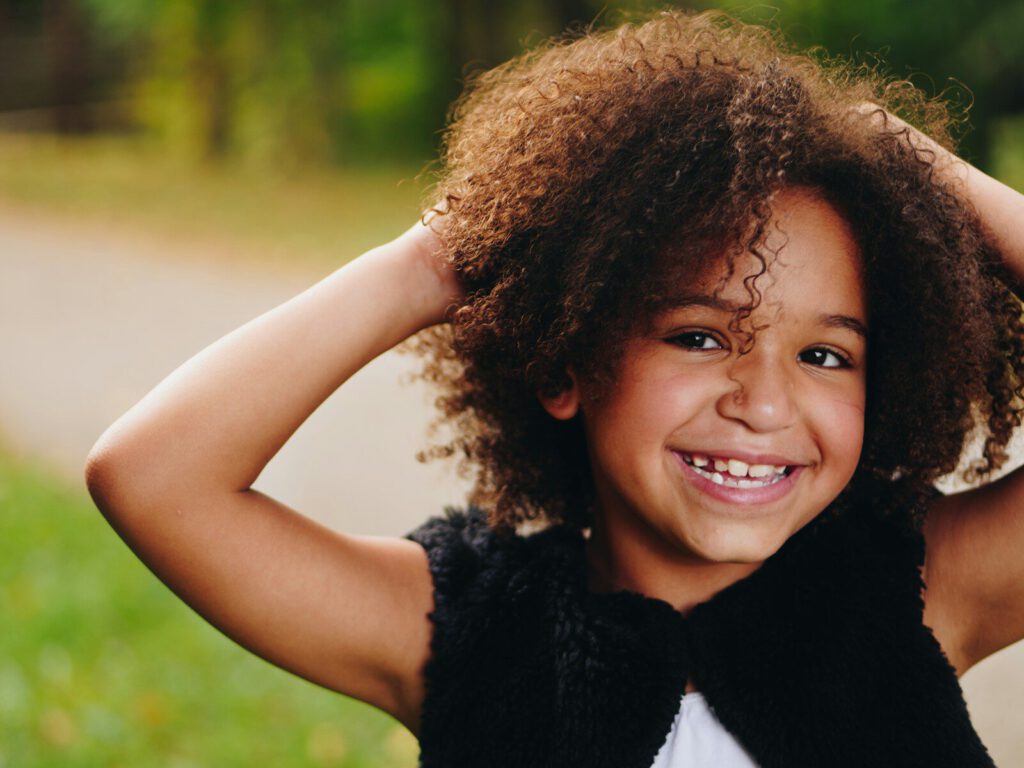
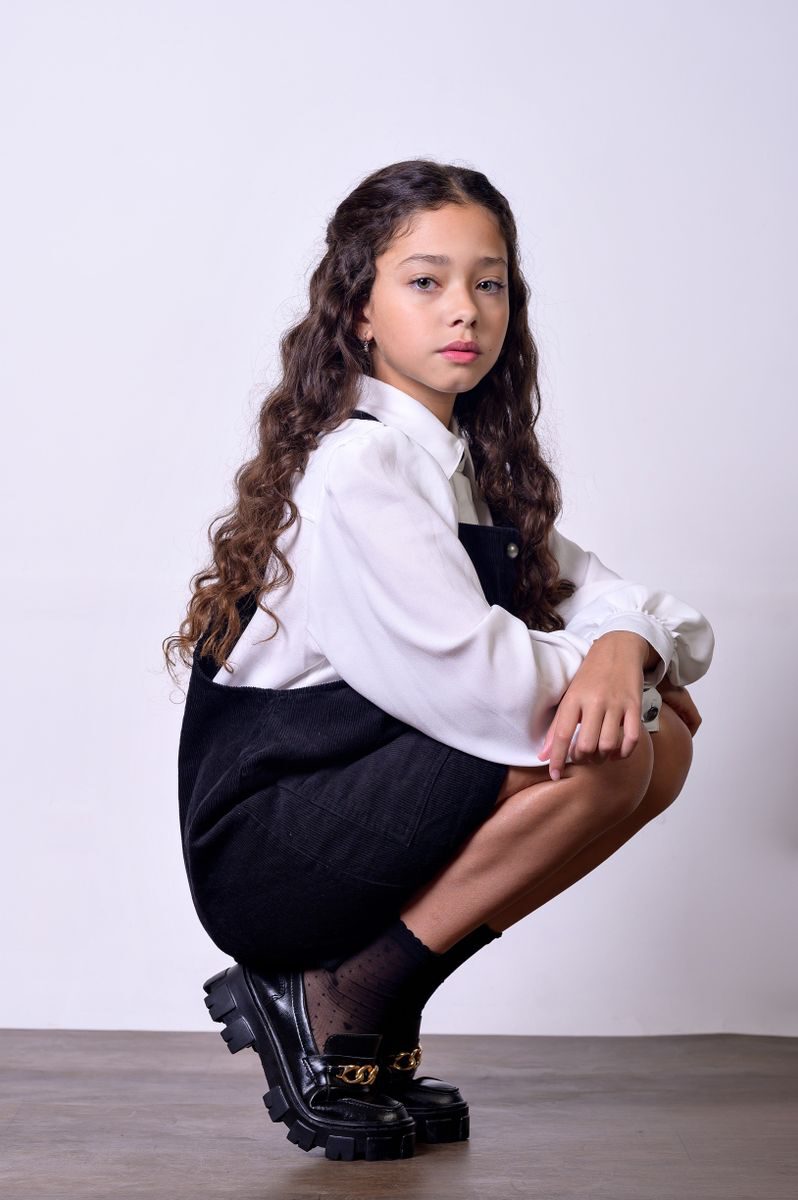
Until November 2013, a model under 18 in New York could walk a runway or sit for a print campaign with fewer legal protections than a child who appeared in a television advertisement. The state’s labour law covered child actors, dancers and musicians, and it did not cover models. A single amendment closed that gap, and the change now shapes how brands, agencies and families plan every shoot that involves a minor.
How the Law Came About
The campaign for change came from outside Albany. The Model Alliance, a New York nonprofit founded in 2012 by the former model Sara Ziff, pressed legislators to extend the protections, and the group worked with the state Department of Labor on the drafting. In June 2013, Senators Jeffrey Klein and Diane Savino announced the proposal at a press conference at Lincoln Center. Both houses of the legislature passed it that month, and the Model Alliance’s account of the Act records the unanimous votes in both chambers.
Governor Andrew Cuomo signed the bill on 21 October 2013. The amendment took effect 30 days later, on 20 November 2013, in time for New York Fashion Week that February. The Proskauer alert on the amendments confirms that the law brought runway and print models under 18 within the Labour Law’s child performer provisions.
Who the Law Covers
The Act amended section 150 of the Labor Law, which defines a child performer as a minor who renders artistic or creative services. The 2013 change added runway and print models to that definition. Under the same amendment, the state repealed section 35.05 of the Arts and Cultural Affairs Law. Schools had issued child modelling permits until then, and the state Education Department’s memo on the change confirms that the Department of Labor’s Division of Labor Standards took over that responsibility.
FLJ Insider Pro is open: live fashion law jobs and internships, five career guides and two roadmaps. Early bird USD 12/month. See what's inside
The reach extends beyond New York’s borders. Frankfurt Kurnit Klein & Selz notes that the law applies to any model who resides in New York, whether or not the services take place there. A model who lives in New York and travels to Paris or Milan for a show remains covered by the state’s rules.
The Permit Scheme
A child model who works in New York must hold a Child Performer Permit before work begins. The Department of Labor issues the permit, which the Department’s frequently asked questions describe as free and valid for one year. The same page explains that a temporary permit allows a child to work for 15 days, which suits a one-off campaign or a single show. The Department also requires a parent or guardian to review information about eating disorders before applying for a permit.
The employer carries its own obligations. Under the amended law, an employer that engages a child model must hold a general Employer Certificate of Eligibility from the Department before the first booking. It must also file a Notice of Use at least two days before it employs the child, which gives the state time to check the paperwork. The Frankfurt Kurnit alert explains that the employer’s duty covers a child who is engaged directly or through an agency or loan-out company, so the obligation covers the agency as well as the brand that books the child.
Supervision on Set
The Act requires supervision that depends on the child’s age. An employer must have a designated responsible person on set at all times for any child performer under 16. For an infant, the employer must provide a nurse as well as the responsible person. The rule places a named adult on set with each young child, so supervision does not depend on the family alone.
These supervision rules matter most on busy days. A casting that runs late, a fitting that moves between venues or a show schedule that changes at short notice all create risk for a young model. Employers need to plan for supervision as part of the booking, not as an afterthought on the morning of the shoot.
Hours, Breaks and Trust Protections
The Labor Law’s child performer provisions also limit working hours, require breaks and address schooling. Coverage for models brought those limits into the modelling industry for the first time. Models under 18 now receive the same working-time protections as other child performers, which sets a defined limit on how long a child may work in a day.
The Model Alliance describes the Act as giving child models the same employment and educational protections as other child performers. Financial protection in New York works through trust arrangements for a child’s earnings. Press coverage at the time of enactment reported a 15 percent set-aside, but that figure needs checking against the current statute and the Department’s guidance before a brand writes it into a contract. Employers should confirm the trust requirements with the Department before any payment is made.
Penalties and Enforcement
The Department of Labor enforces the Act, and a violation carries financial penalties. Coverage from 2013 reported fines of up to $3,000 for each violation. Those figures come from press reports at the time of enactment, so the current penalty schedule should be confirmed in the Labor Law itself before it is quoted in a contract or policy.
Enforcement reaches the whole chain of employment. A brand that books a child through an agency, and an agency that places a child with a brand, both fall within the employer definition, so each should hold the certificate and make the notice. FLJ’s analysis of the rights of fashion models describes the Child Model Act within the wider framework of model employment law.
What Brands and Families Should Check
Before a child model starts work in New York, the brand or agency should confirm that it holds a valid certificate, that it has filed the notice, that the child holds a permit and that a responsible person will be on set. The family should check the permit’s validity period, the schooling and hours arrangements and the trust account. A checklist completed before the first call sheet protects every party and honours the purpose behind a law that took years of advocacy to pass.
FASHION LAW JOURNAL INSIDER
Join designers, brand founders and fashion lawyers who get the biggest brand battles, IP fights and career moves in fashion law, straight to their inbox.