
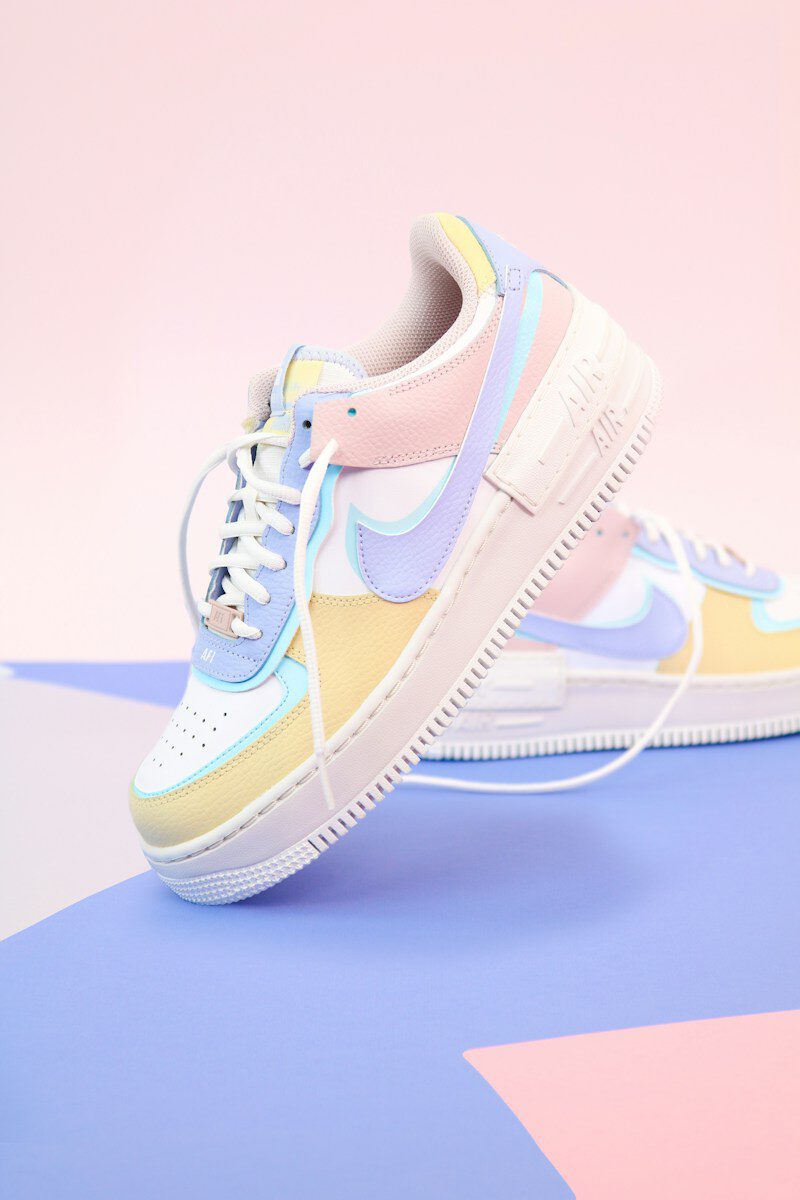
A sneaker is no longer just a shoe. Today’s fashion world has turned sneaker shape, color scheme, stripe design, sole style, or logo into a major commercial identity. So the sneaker industry is not only a territory of intellectual property law but also a place where it can go.
Every great sneaker has an important legal issue: “Where does one brand’s identity end and another designer’s creative liberty start?”
When a Sneaker Becomes Intellectual Property
A sneaker can start as a shoe, but once people associate a particular stripe, sole, shape, or logo with a brand, it becomes something much more significant: intellectual property.
So the sneaker world today isn’t just about who has the best design or the best marketing, but also a legal battle over who gets to claim the brand’s visual identity.
FLJ Insider Pro is open: live fashion law jobs and internships, five career guides and two roadmaps. Early bird USD 12/month. See what's inside
For big players like Adidas and Nike, this fight is played out through trademarks, industrial designs, copyrights, and laws against unfair competition. At a higher level, TRIPS, the WIPO Madrid System, and the Hague System all have major rules for protecting these valuable assets from competition in different countries.
The Trademark: More Than Just a Logo
Trademark law is all about protecting signs that help people tell one company’s goods or services apart from another’s. TRIPS Agreement Article 15 lays down this basic idea, while Article 16 provides for protections against unauthorised uses that might confuse consumers.
This protection is not limited to the word mark for sneaker brands.
A brand can also protect logos, patterns, colour combos, position marks, or any other unique aspect, as long as it meets the legal criteria. That is important commercially, as customers might recognise a brand even if they don’t know its name.
A famous example is the Louboutin red-sole case.
Christian Louboutin SAS v Van Haren Schoenen BV (C-163/16) saw the Court of Justice of the European Union evaluate a Benelux trademark for the color red on the sole of a shoe. The Court held that such a mark is not automatically disqualified from trademark protection just because it relates to how footwear looks.
The case shows how a physical characteristic of shoes can take on its own trademark status. That sole, more precisely, can be a brand’s signature feature.
Adidas and the Three-Stripe Battle
Few sneaker brands have a visual identity as strong as Adidas.
Their trademark three-stripe design is one of the most recognisable symbols of the brand. But just because they have trademark protection doesn’t mean every version of three stripes automatically gets that same coverage.
In Adidas AG v EUIPO Shoe Branding Europe (T-307/17), the General Court of the European Union examined an adidas figurative mark with three parallel stripes. The court considered whether adidas could prove that this particular mark had gained a certain character and decided that the evidence was insufficient to support this kind of distinctiveness across the whole European Union.
This ruling matters because it highlights a key concept in trademark law. Brands need to show that they recognize the mark they are seeking to protect legally.
So even a renowned brand cannot just assume every tweak of its visual identity will automatically get the same level of trademark protection.
Design Law: Protecting the Sneaker Itself
Trademark law focuses on identifying brands and their origins, while industrial design law looks at the product’s appearance.
Under Article 25 of TRIPS, new or original industrial designs created independently must be protected. Meanwhile, Article 26 grants exclusive rights against specific actions involving those protected designs.
For sneaker brands, design protection can include features such as:
- the overall shape and appearance of a shoe;
- decorative elements;
- unique patterns;
- surface embellishments; and
- different arrangements of parts.
The WIPO Hague System allows eligible applicants to apply for international design protection in one application, which covers many countries. This is really useful for global sneaker companies in that they can create a shoe in one country and launch it in several others at the same time.
So the legal approach becomes a bit complex:
– Trademark → protects brand identity.
– Design → protects visual appeal.
– Copyright → may cover some of the original artistic expressions.
These rights can overlap but serve different legal purposes.
The International Dimension
The sneaker industry is really global. A single shoe can move through a supply chain that includes designers, manufacturers, distributors, and consumers from all around the world.
But intellectual-property rights are still pretty much local.
The WIPO Madrid System provides a way to get international trademark protection with only one application based on an existing national or regional “basic mark.” WIPO doesn’t create a universal trademark right; each country’s intellectual property office determines how protection works based on its own laws.
The same goes for designs. The Hague System assists in international registrations, but the actual level of protection still depends on the laws of the relevant jurisdictions.
For sneaker brands, developing an international IP strategy starts way before any knockoff hits the market. It’s first and foremost about knowing where and how to safeguard the brand’s identity.
The Real Battle: Owning Brand Identity
And sneaker wars are not simply about replicating a shoe; they’re about replicating the recognition that comes with it.
When customers see a logo, they immediately associate it with one brand. People may recognise a unique sole, stripe pattern, or shape without even seeing the brand name. This kind of recognition is very important economically, and intellectual property laws will attempt to determine when that value merits protection.
But the law also needs to keep competition alive and support creative freedom. Trademark laws can’t allow one company to have exclusive rights over every shoe that looks somewhat similar, and design laws shouldn’t give blanket monopolies on everyday product features.
This balancing act is what makes sneaker disputes so intriguing from a legal standpoint.
The next big sneaker battle would be centered around more than just a logo, though: colour, sole design, shape, or an element of a brand’s identity that people associate with a brand.
In a way, distinguishing between inspiration and infringement can be razor-thin. It comes down to distinctiveness, originality, registration, evidence, and more.
And that is the real battle in the sneaker game.
FASHION LAW JOURNAL INSIDER
Join designers, brand founders and fashion lawyers who get the biggest brand battles, IP fights and career moves in fashion law, straight to their inbox.