
So we all read the headlines, right? Taylor Swift’s latest trademark strategy is smart not because trademark law is a magic shield, but because it gives her another layer of control in a legal area where AI is moving faster than doctrine. The filings are best understood as part of a broader brand-protection play: Swift is using intellectual property law to reinforce control over the commercial signals attached to her name, voice, and image.
Why this matters now
Generative AI has made it easy to create convincing fake audio, images, and videos of public figures, which means a celebrity’s “identity” can now be cloned at scale. Taylor Swift’s move lands in that exact moment, and the sources frame it as a response to AI misuse, deepfakes, and synthetic impersonation.
That is why this story matters beyond pop culture. For lawyers, brands, and creators, it is a sign that celebrity-rights protection is shifting from a narrow focus on recordings and merchandise into a broader fight over identity as an asset.
What Swift appears to have filed
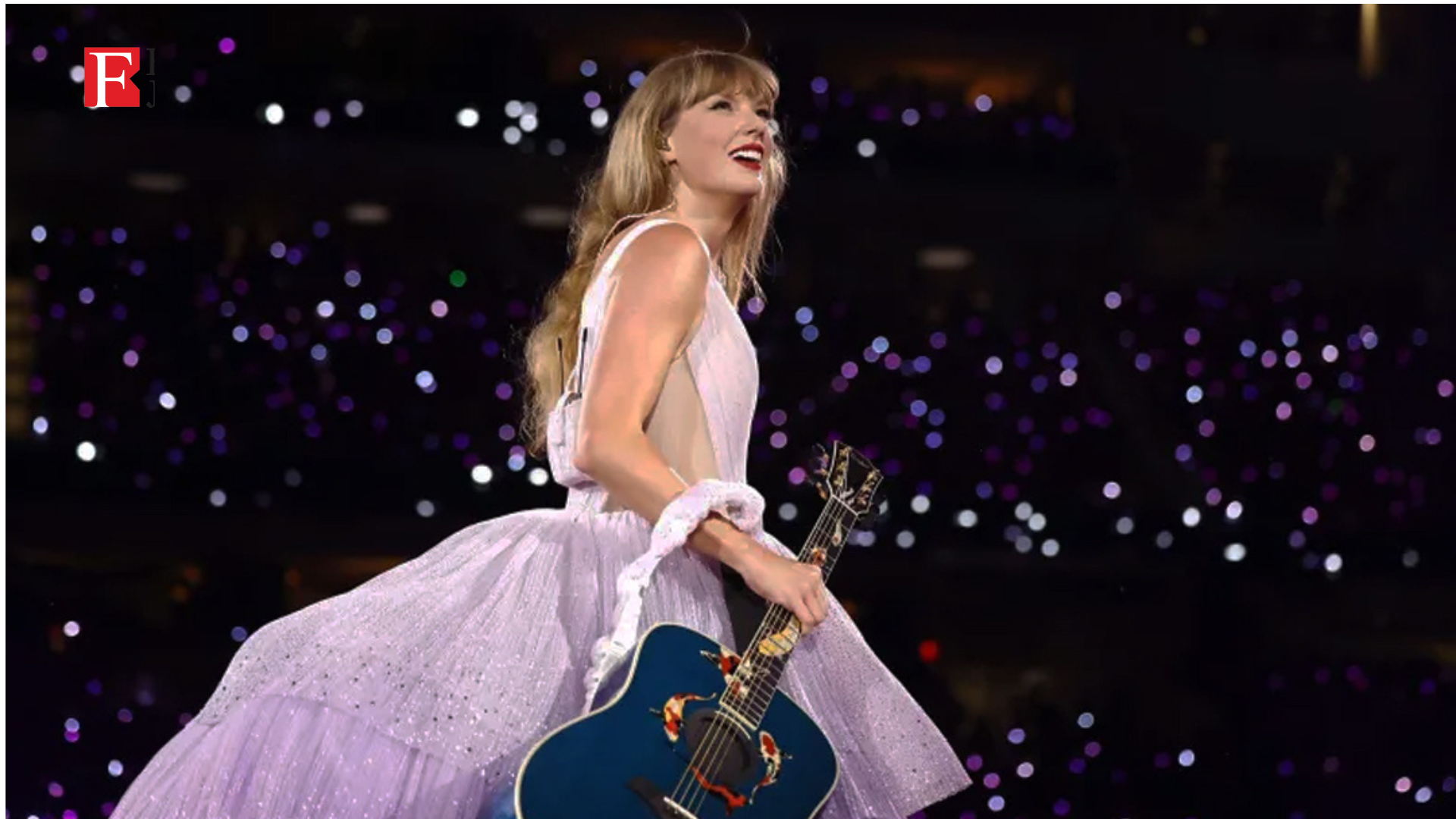
According to the reporting, Taylor Swift’s company, TAS Rights Management, filed three trademark applications in the United States: two sound marks and one image-based mark. The sound marks cover audio clips of Taylor Swift saying phrases such as “Hey, it’s Taylor Swift” and “Hey, it’s Taylor,” while the image file relates to a photo of Swift performing.
That detail is important because this is not a routine word-mark filing for a tour name or album title. It is a more novel attempt to protect elements of her persona that fans and consumers instantly associate with her.
Why trademark, not just copyright
This is the legal pivot that makes the move interesting. Copyright usually protects a fixed creative expression, such as a recording, a song, a photograph, or a video. But AI often creates outputs that imitate a person’s style or voice without directly copying one particular protected work.
Trademark law, by contrast, is about source identification and consumer confusion. The theory behind Taylor Swift’s filings is that if a phrase, sound, or visual cue has become strongly associated with her brand. Then, unauthorised use of something confusingly similar may create a trademark problem even where copyright law is less helpful.
The AI problem she is trying to solve
The practical issue is that AI can now generate celebrity-style content that looks and sounds close enough to fool audiences. That creates a market for fake endorsements, cloned voice clips, and deepfake videos that trade on a star’s reputation without permission.
Taylor Swift has also been one of the most visible targets of AI-generated misuse, which makes her a particularly fitting test case for how the law might adapt. The filings suggest a proactive strategy: create more legal hooks before misuse spreads further.
Why this is a smart IP move
From an intellectual property perspective, the move is clever for four reasons.
First, it gives Swift another enforcement tool. Even if a challenger argues that copyright does not neatly cover an AI-generated imitation, trademark claims may still be available if the use confuses consumers or suggests endorsement.
Second, it expands protection beyond the exact recording. A sound mark can help protect the association between a voice, a phrase, and a specific commercial identity, which matters in an era of voice cloning.
Third, it sends a deterrent message. Even if the legal theory is untested, the filing itself can chill would-be imitators and platforms that might otherwise assume the rights holder will not act.
Fourth, it fits Taylor Swift’s long history of brand control. She has filed many trademarks over the years for names, titles, and phrases connected to her music and business empire, so this is consistent with her larger IP strategy rather than a one-off stunt.
The legal limits
That said, this is not a guaranteed win in court. Trademark law has not yet fully settled how far it can go in protecting a celebrity’s voice or likeness against AI-generated replicas, so these filings are best seen as an aggressive, forward-looking test of the boundaries.
The biggest challenge will likely be proving infringement in a way that fits trademark doctrine, especially if the AI output is not an exact copy but only a close imitation. The legal fight may turn on confusion, association, and whether consumers think the output is endorsed or authorised.
There is also a bigger doctrinal point here: trademark law is not traditionally designed to police personhood, which is why publicity rights and copyright have usually done more of that work. Swift’s filing reflects a growing view that, in the AI era, those older categories leave gaps.
What this means for fashion law and celebrity branding
For fashion and entertainment lawyers, Swift’s move is a strong reminder that celebrity identity is now a multi-layered brand architecture. The name, voice, silhouette, imagery, and even signature phrasing can all become commercially valuable identifiers that deserve protection.
That is especially relevant in fashion, where likeness, styling, image rights, and endorsement value are constantly monetised. If AI can manufacture a fake celebrity front row appearance, a synthetic campaign voice-over, or an unauthorised avatar in a branded setting, the old legal tools may not be enough on their own.
In that sense, Taylor Swift is not only protecting herself but also stress-testing the system for every celebrity, model, and creator whose image is part of the commercial ecosystem.
The bigger IP lesson
The broader lesson is that the most valuable intellectual property in the AI era may be identity itself. As synthetic media becomes cheaper and more convincing, rights holders are likely to rely on a mix of trademark, copyright, contract, and publicity law to build a layered defence.
Swift’s filings are smart because they recognise that no single doctrine can do all the work. Trademark law may not solve every deepfake problem, but it can help establish a legal perimeter around the brands, cues, and associations that AI imitators are increasingly tempted to exploit.
For a figure like Taylor Swift, whose commercial identity is as carefully managed as her music catalogue, that kind of perimeter is not just strategic. It is increasingly necessary.
FASHION LAW JOURNAL INSIDER
Join designers, brand founders and fashion lawyers who get the biggest brand battles, IP fights and career moves in fashion law, straight to their inbox.