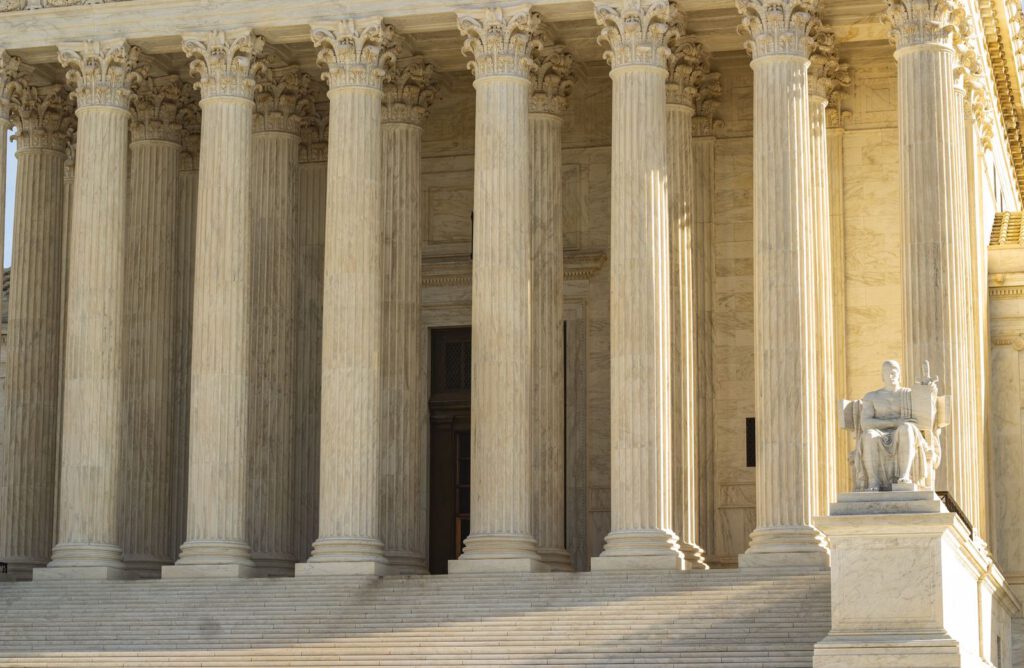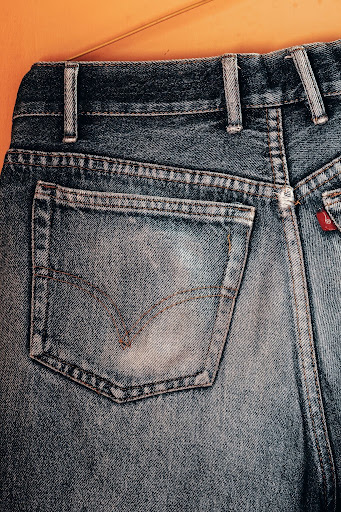

A brand sells a lipstick, a handbag or a jacket, and the sale is supposed to end its control over that particular item. Few brands know how far that principle reaches. The first sale doctrine, which courts have applied to copyright and patent rights for over a century, decides whether a brand can stop a reseller from selling a product it has already sold. For fashion and beauty companies that run selective distribution, parallel imports and resale programmes, the answer shapes both their margins and their legal strategy.
The Origin of the First Sale Doctrine Rule
The doctrine began as a common law principle against restraints on the sale of goods. In Bobbs-Merrill Co. v. Straus (1908), the Supreme Court refused to let a publisher use a copyright notice to control the retail price of a book after it had sold the copies. The idea that a sale exhausts the owner’s control over that copy has shaped every later version of the rule.
Congress codified the principle for copyright in 1976. Section 109(a) of the Copyright Act provides that the owner of a lawfully made copy may sell or otherwise dispose of that copy without the copyright owner’s permission. A bookseller can resell a novel without the publisher’s permission. The copyright owner keeps the right to make new copies, but it loses the power to control what happens to the particular copy it has sold.
Quality King: Hair Care, Gray Markets and Imports
The beauty industry’s most important first sale case involved hair products. In Quality King Distributors v. L’anza Research International (1998), L’anza sold its salon hair care products to a distributor in Malta on terms that restricted resale outside designated markets. The distributor sold the products to Quality King, a New York company, which shipped them back to the United States and sold them to discount retailers. L’anza sued under the Copyright Act’s importation ban, arguing that the goods were not authorised for sale in the US.
FLJ Insider Pro is open: live fashion law jobs and internships, five career guides and two roadmaps. Early bird USD 12/month. See what's inside
The Supreme Court unanimously held that the first sale defence applied to the imported copies. Justice Stevens wrote that once a copyright owner places a copyrighted item in the stream of commerce by selling it, the owner has exhausted its exclusive statutory right to control its distribution. The decision established that a brand cannot use copyright law to block the return of its own goods to the market where it sold them, provided those goods were lawfully made.
Kirtsaeng: Foreign Manufacture and the Global Market
The question returned fifteen years later, this time for textbooks. In Kirtsaeng v. John Wiley & Sons (2013), a student from Thailand bought English-language textbooks at lower prices abroad and resold them in the United States. Wiley argued that the books were made abroad and sold under a licence limited to foreign markets. In a 6-3 decision, the Supreme Court held that the first sale doctrine applies to copies manufactured and sold abroad, provided the copies were lawfully made under the Copyright Act.
The ruling matters for fashion and beauty because so much of the industry depends on products made abroad and sold in different territories. A fragrance produced in France, sold in Dubai and resold in New York sits within the same logic as a textbook printed in Asia. Brands that sell the same product at different prices across regions should note that Kirtsaeng gives resellers a defence for copyrighted elements, such as packaging artwork and printed designs, when the copies were lawfully made.
Trademark Exhaustion: Where Brands Still Have Control
Copyright is only one of the rights a brand can assert. Trademark law applies the same principle differently. A brand can usually resell its own goods without infringing trademark rights, but a reseller who sells genuine goods can still infringe if the goods have been materially altered or if the reseller presents them in a misleading way.
The leading case is Zino Davidoff SA v. CVS Corp. (2d Cir. 2009), in which the Second Circuit considered grey market perfume. The retailer had sold genuine fragrances from which the universal product codes had been removed, so the brand could not track the products or confirm their origin. The court held that the first sale defence failed where the product’s removal of identifying codes made it materially different from the goods the brand had sold. Brands therefore have a practical tool: they can use product codes, serial numbers and other markings to show when a product has been altered.
The same principle applies to fashion goods that have been relabelled, repaired or reconditioned in ways that affect quality or origin. A reseller can sell a genuine handbag. A reseller who removes the brand’s markings, replaces a component or misrepresents the product’s history has crossed the line.
Patents: Exhaustion After a Sale
The doctrine also reaches patent rights, although the mechanics differ. In Impression Products v. Lexmark International (2017), the Supreme Court held that a patent holder’s authorised sale of an item exhausts its patent rights in that item, even when the sale carries a contract that restricts reuse or resale. Lexmark had sold printer cartridges with a single-use restriction and sought to enforce that restriction through patent infringement suits. The Court rejected that approach and held that the patent owner could enforce the restriction only through contract law.
For fashion brands, the lesson is that a restriction printed on a product or in a sales agreement does not automatically bind every later buyer. Brands that want to limit resale have to build that restriction into contracts with direct purchasers. The Court also held that the patent exhaustion rule applies to sales made abroad, which matters for design patents covering shoes, bags and hardware sold across markets.
First Sale Doctrine: What Brands Should Do
Brands should start by identifying which rights they are trying to protect. Copyright in packaging artwork, trademark in the name and patent in a product design each follow a different exhaustion rule, so a single policy will not fit all three. Next, brands should mark products with codes and serial numbers that help them show when goods have been altered. Those markings are central to the trademark argument in cases like Davidoff.
Selective distribution agreements remain important as well. A contract with an authorised retailer can restrict the retailer’s conduct, such as online sales outside a territory or the use of a brand’s advertising. Those restrictions bind the retailer, but they do not stop a consumer or a secondary reseller from reselling the item once it has been sold. FLJ’s analysis of counterfeits and dupes sets out the line between lawful copying and infringing goods, and it helps brands decide which resale cases they can pursue.
The first sale doctrine gives resellers a powerful defence, but it does not give them free rein. Brands can sell their goods and still protect the features that make those goods identifiable. The practical task for any fashion or beauty company is to know where that line sits before a grey market dispute reaches its distributors, its retailers or a courtroom.
FASHION LAW JOURNAL INSIDER
Join designers, brand founders and fashion lawyers who get the biggest brand battles, IP fights and career moves in fashion law, straight to their inbox.