
Jewellery had set the stage way earlier than we could have imagined. We often see paintings of people in power, and photographs of the elite drenched in gold, silver, diamonds and pearls and wonder how jewellery even came into being. Even tribal cultures have their own style and design to mark the unique features of their tribe.
To answer the question of how it all began, we need to take a ride on a time-travelling machine to get a glimpse of the ancient world and how they came up with their statement pieces.
For this piece, we will look at the Baroque Era, Rococo Period, Georgian Era, Edwardian Jewellery, and Contemporary Movements.
Jewellery in the Baroque Period
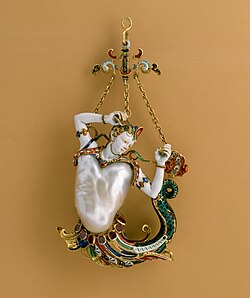
The Baroque period embraced a theatrical style with a dynamic twist, unlike the Renaissance. The jewellery pieces were elaborately designed with various gemstones. The jewellery pieces featured various motifs like flowers, leaves and other elements like scrolls and cherubs. Religious pieces, like the crucifix, pendant, and other pieces, expressed the people’s devotion to the Church. Gold was used extensively during this period. Gemstones like diamonds, rubies and emeralds were used to make the jewellery pieces exquisite and were designed to sparkle and blind the crowd. Stomacher brooches were very common during this era as well.
FLJ Insider Pro is open: live fashion law jobs and internships, five career guides and two roadmaps. Early bird USD 12/month. See what's inside
The jewellers emphasised symmetry over anything else, along with intricate techniques and the use of gold surfaces. Baroque jewellery displayed the wealth and prestige of the bearer. These pieces also communicated the bearer’s faith and abundance as well.
Jewellery in the Rococo Era
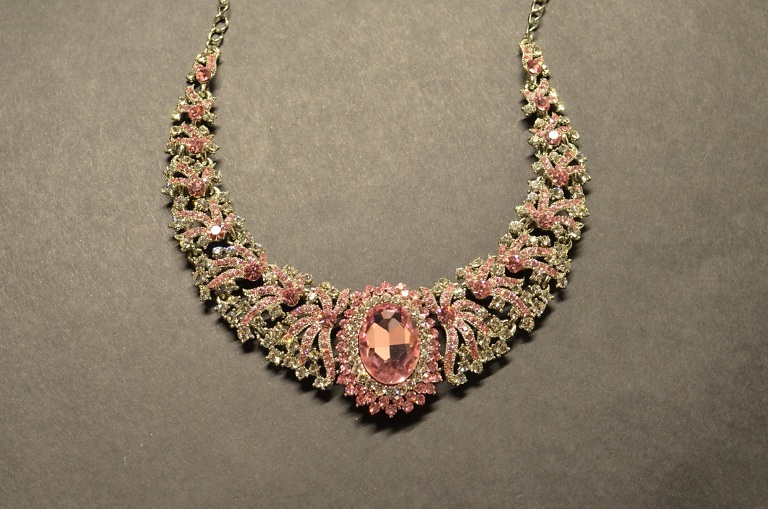
Just like other jewellery pieces of the previous eras, the jewellery in the Rococo era serves as a symbol of wealth and prestige. It was at the heart of France, in the mid-1700s, when the jewellery pieces came to life. The jewellery of this era had an asymmetrical flow and lightness. Gold was a favourite for all those who owned jewellery.
Diamonds were the aristocracy’s best friend and were mostly incorporated into silver jewellery. Other common gemstones that were in fashion at the time were yellow chrysoberyl and orange topaz; they were in style as they resembled the pastel aesthetic. The gemstones were often arranged in a bouquet pattern. Common Rococo motifs included ribbon bows and floral designs.
Georgian Jewellery
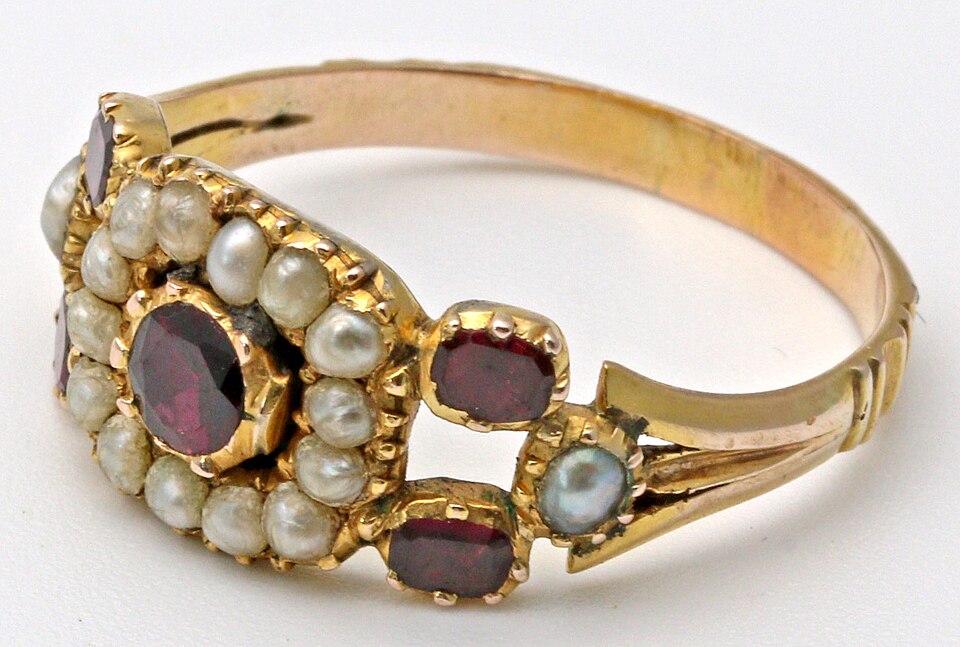
The Georgian Era in the UK was during the reigns of King George I, George II, George III, George IV and William IV (1714 to 1830) of the House of Hanover.
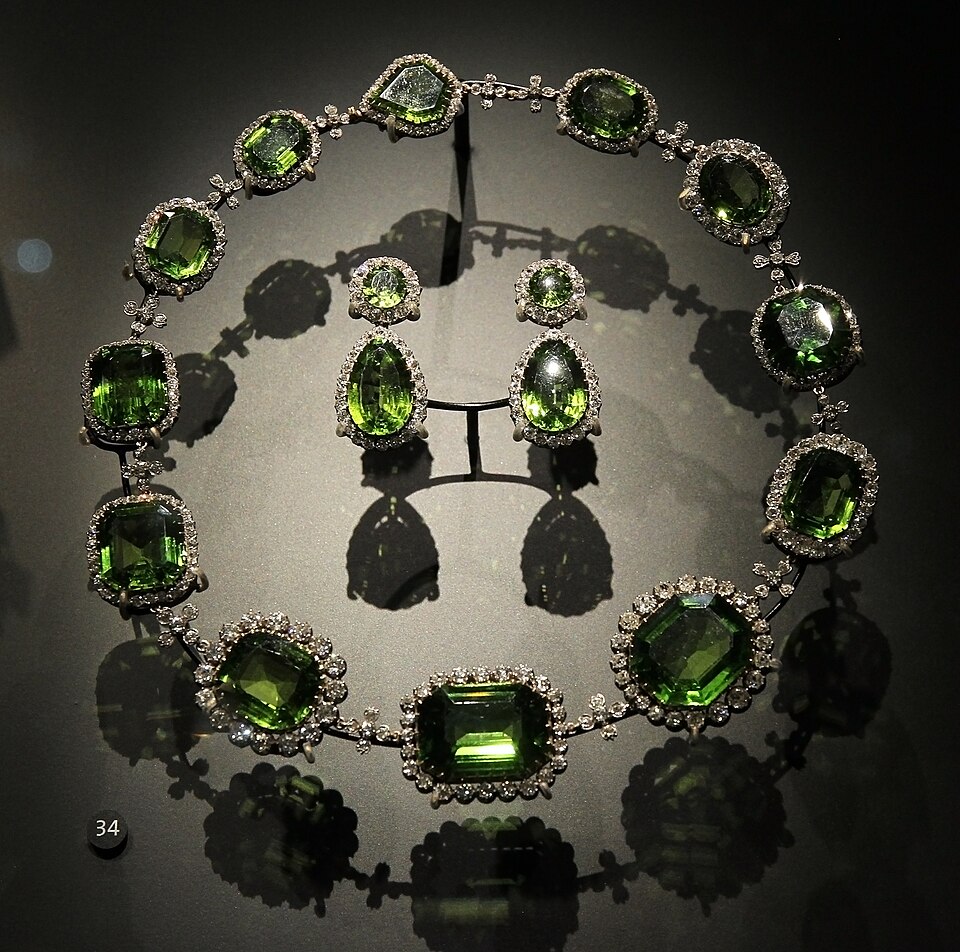
What made the jewellery pieces of this age different was that they became more symmetrical, perfectly balanced, with a touch of elegance and regality. Gold and silver were just as extensively used as they were centuries ago. Famous motifs that were mostly used in jewellery pieces were roses, fuchsias, cornflowers and leaves.
The most worn jewellery piece was the ring, often seen with a half hoop design with a single or a double row of gemstones. Another famous piece was the tiara, with various designs. An example of this was the Bandeau, which was a flat, horizontal headpiece similar to a ribbon or a headband. Other pieces would include earrings, pendants and bracelets. Tie pins were also a famous jewellery piece. For men, the family crest was also a must-have item, often engraved in bloodstone, carnelian, citrine, quartz, amethyst, smoky quartz or chalcedony.
Victorian Jewellery
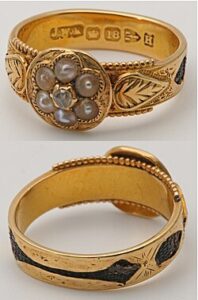
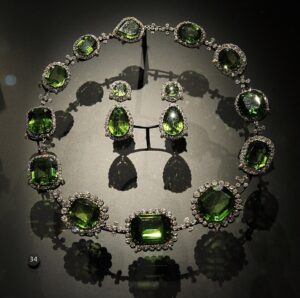
During the long reign of Victoria, it was clearly evident that changes were bound to happen in every angle of life. Her reign brought about numerous possibilities, and this also applied to the jewellery pieces of that time.
The jewellery during the early Victorian era, or the Romantic period (1837- 1860), was marked with a romantic touch, embodying emotions and connection. The pieces were sentimental, with hearts, flowers and ribbons as motifs. Gold was mostly used along with gemstones and turquoise.
Gold was opted for the evening look, but ivory, seed pearls and coral were opted for morning wear. Earrings were not that big a deal during this time, unlike bracelets.
The jewellery of the Grand Period (1860-1885) was marked with luxurious designs. They were intricate, detailed and ornate. Mourning jewellery was also popular at the time. After the death of Prince Albert, Victoria made this jewellery a national headline. A lock of hair from the deceased was plaited and placed in lockets and brooches. Seed pearls and black enamel were used in this jewellery, symbolising tears and the loss of a loved one. The jewellery shops were flooded with mourning jewellery after the death of the Queen’s beloved husband.
The Aesthetic period (1885-1901) saw a huge societal change, and this led to the decline of grandiose jewellery pieces. Women either wore no jewellery or smaller versions of it. Pearl studs were worn during the day and diamonds in the evening. Jewellery was seen to be produced in bulk using machines due to the rise of the middle class.
Contemporary Movements
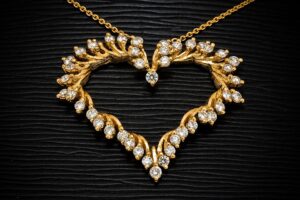
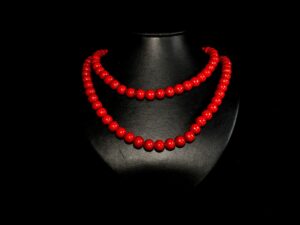
An integration of jewellery and art is what contemporary jewellery is. It is often seen as a radical movement. Most of the pieces are customised to the liking of the individual.
The 1950s portrayed the importance of abstract design with references to space and science. Diamonds and gemstones are still as prominent as ever, but mostly for evening wear. What was more popular was the single-strand pearl necklace. The stones during the 1960s were larger and more colourful, with different designs on them. This period was a redesign of the 1920s, but on a more elaborate scale.
The 1970s to 1990s had a more unconventional approach to jewellery making. Plastics came into the picture, and artificial stones were produced on a larger scale, which meant people could afford to have multiple jewellery pieces to go with each outfit. This era was also when cross-cultural influence was at its peak. This meant that jewellery during this era was inspired by many cultures and societies.
Jewellery has really gone from a grand phenomenon to a minimalistic pov and to a more artistic form. Each had its meaning. What was worn and adorned by the aristocrats to portray their wealth and power is not a common sight in every individual’s vanity. It really went from elaborate gold and gemstones to plastic beads of shapes, colours and sizes to fit the fashion that is evolving. The world has moved forward, and it is amazing to see that fashion and jewellery have moved along with it.
The History of Jewellery: The Ancient World, The Medieval Era and the Renaissance (Part 1)
FASHION LAW JOURNAL INSIDER
Join designers, brand founders and fashion lawyers who get the biggest brand battles, IP fights and career moves in fashion law, straight to their inbox.