
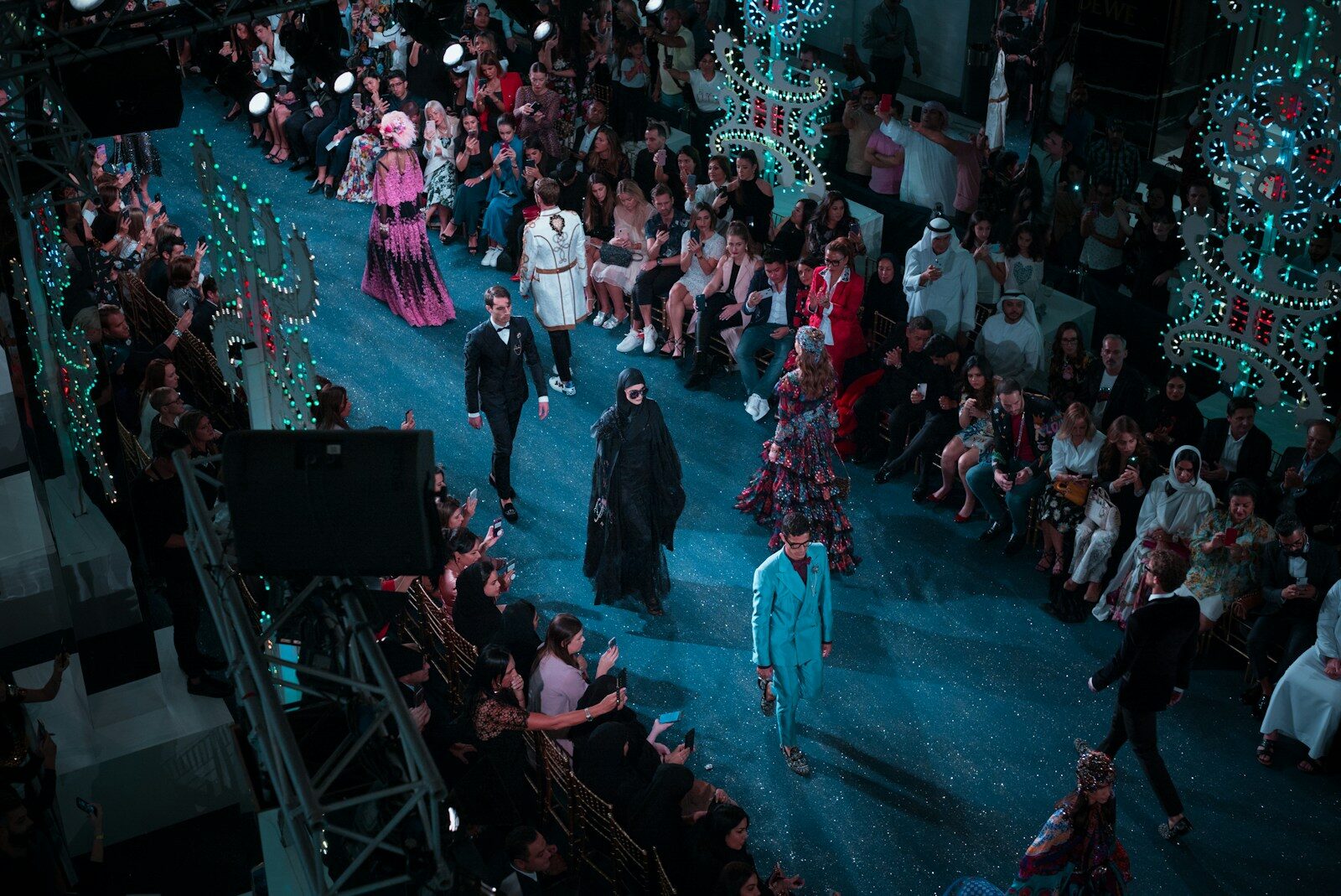
Unlike usual marketing campaigns, fashion week is a different kind of beast for brands to tackle. The increased exposure brought on by the event means the opportunity for increased sales – and with it, the need for more creative forms of marketing so brands stand out in a sea of competitors.
The fashion industry is incredibly fast-paced, with consumer demand for products fluctuating at astonishing speeds. The increased demand for products has led brands to adopt more direct, quick methods of providing consumers access to purchasing platforms.
Since 2021, brands have been livestreaming to increase their connection with consumers and stimulate sales. It seems that the livestream model stuck post-pandemic, with many brands today still adopting this approach – especially during large events like fashion weeks. This approach marks a shift in fashion sales, with larger brands recognising the selling opportunity of a live feed that significantly decreases the lag time between consumers viewing an item and purchasing it.
During the 2024 New York Fashion Week, LA-based brand STAUD sold exclusive and archival items during a livestream of their runway show. By partnering with Whatnot, the US’ largest livestream selling platform, STAUD was able to stimulate their sales during the show by providing consumers a real-time opportunity to purchase the products showcased on the runway.
FLJ Insider Pro is open: live fashion law jobs and internships, five career guides and two roadmaps. Early bird USD 12/month. See what's inside
On top of that, the brand released an exclusive bag available only during Fashion Week and hosted a large WhatNot sale after the show, allowing consumers to purchase more STAUD pieces. Despite being largely online, this model allowed STAUD to successfully boost their sales by increasing consumer access through a digital purchasing platform and generating ‘buzz’ around their brand through exclusive drops and sales.
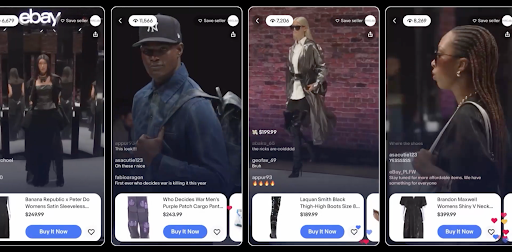
In 2025, eBay featured their ‘Endless Runway’ show at the London and New York Fashion Weeks, showcasing more accessible runway fashion with a sustainable edge. The online shopping platform featured archival pieces from famous brands – including Tom Ford, Ralph Lauren, Vivienne Westwood, and Alexander McQueen – which were available for purchase on the eBay website. In addition, the entire show was livestreamed, allowing consumers to buy runway pieces in real time. Following last year’s success, which boosted eBay’s fashion sales by 11%, the show sees its 2026 return in the upcoming London Fashion Week this September.
Both brands combined the visual elements of a runway show, presenting pieces in a fashionable and appealing way, with the digital accessibility of livestreams and online shopping platforms.
This year, it seems the appeal of easy access to purchasing goods doesn’t just stop at livestreaming and online availability.
This September, Marks & Spencer takes the ‘See-Now, Buy Now’ model one step further by making all of their products readily available for purchase both in-store and online. As the brand reaches its centennial year, M&S also celebrates its runway debut, which features a menswear and womenswear collection immediately available for consumer purchase at the time the show begins. In addition, M&S plans to stream the show across its social media platforms and official websites to increase the collections’ exposure to consumers. The live stream and immediate retail availability distinguish Marks & Spencer’s approach from the traditional fashion week model, where collections typically reach stores months after a runway presentation. Instead, M&S is using the platform as a combined marketing and sales event and aims to secure both brand exposure and sales through its own official channels.
While this modified ‘buy now’ model has yet to be implemented, M&S’ approach to Fashion Week marketing for its debut is certainly an exciting display of how brands can innovate pre-existing methods to increase their collections’ reach and make purchasing even more accessible for consumers by ensuring both online and in-store availability.
Despite the prevalence of digital methods of exposure, brands also aim to maximise the live experience of the Fashion Week events themselves – and it doesn’t just stop at the brands walking the runway.
During this year’s New York Fashion Week in February, fashion veteran L’Agence collaborated with Google to create an AI-powered ‘Dream Closet’, which featured designs from the brand’s Seduction collection. Guests could upload images of themselves and virtually try on ten different pieces from the new collection, with the option to pre-order items on the spot.
In another act of creative presentation, Alexis Bittar presented his fall/winter 2026 accessories collection through an immersive live reenactment of his viral social media series called ‘The Executions of Amanda Gates’. In one of the production’s viewing rooms, Bittar highlights key pieces: exquisitely handcrafted statement necklaces, sculptural earrings, signature stacked bangles, and jewel-laden handbags, displayed on seemingly floating black pedestals marked by evidence cards. This unique presentation shows how designers can step out of the box, as Bittar merged the craftsmanship of his jewellery with cinematic storytelling to forge a distinct brand image during Fashion Week.
Aside from runway collections, the entire February NYFW saw many off-the-runway brands setting up playful and interactive pop-ups around the city. Highlights include Sensodyne’s Repair + Reset Lounge at The Cut’s NYFW Afterparty (which featured the brand’s newest Clinical Repair toothpaste in a lavishly decorated bathroom) and TRESemmé’s A-List salon – a hair-styling pop-up that allowed guests access to free styling and products from TRESemmé’s newest haircare collection. These pop-ups were memorable for consumers, while creating buzz around newly launched products during a large, international event with maximum exposure.
Overall, fashion weeks over the past few years have seen brands generally take two routes to turn shows into sales: the first boosts sales directly by giving consumers real-time access to purchase new releases. The second approach stimulates sales by creating ‘buzz’ through innovative displays and exclusive experiences, which encourages purchasing by crafting an atmosphere of novelty.
Author: Eunice Yang
Disclaimer: The views expressed in this article are those of the author and do not necessarily reflect the views of Fashion Law Journal
Fashion Weeks and Event Law: Liability, Sponsorship, and Performer Rights
FASHION LAW JOURNAL INSIDER
Join designers, brand founders and fashion lawyers who get the biggest brand battles, IP fights and career moves in fashion law, straight to their inbox.