The Campaign
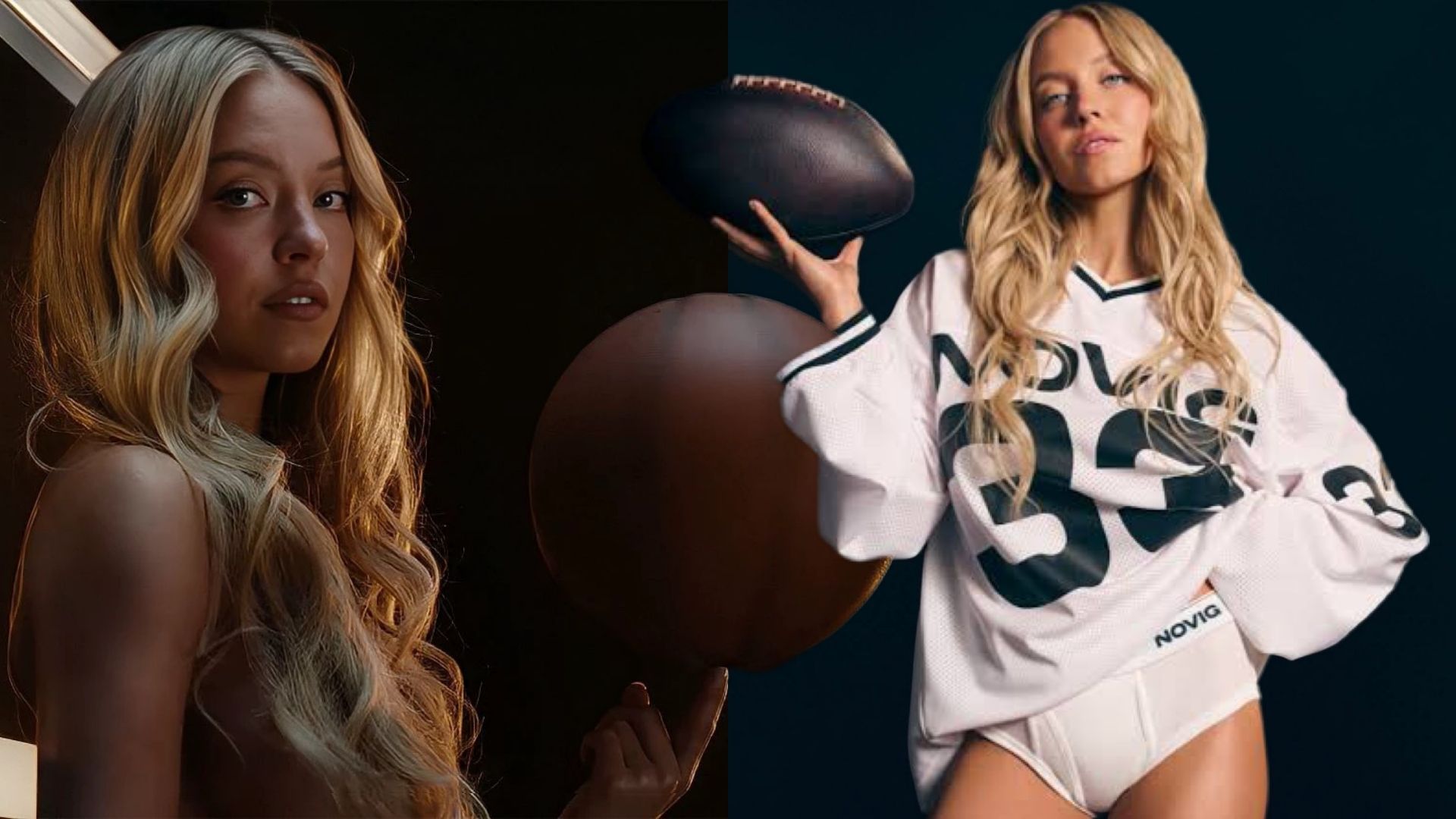
As we all know, Sydney Sweeney is not an athlete. Yet this week, the actress became the face of a campaign for Novig, a sports betting platform, appearing nearly nude while posing with sports equipment. The campaign quickly went viral, and she was criticized from all over the internet. I agree with much of the criticism surrounding the campaign, but not with the fact that when a woman becomes the center of a controversial image, the hate wave almost always finds its way back to her. Have you ever stopped to think about why?
The answer lies in the way women have historically been positioned in the media, which is a reflection of the people looking at them. The culture at large, by that I mean ‘men’, continues to place a great emphasis on how women look, and these beauty standards have drastic impacts on how we see ourselves.
The Gaze
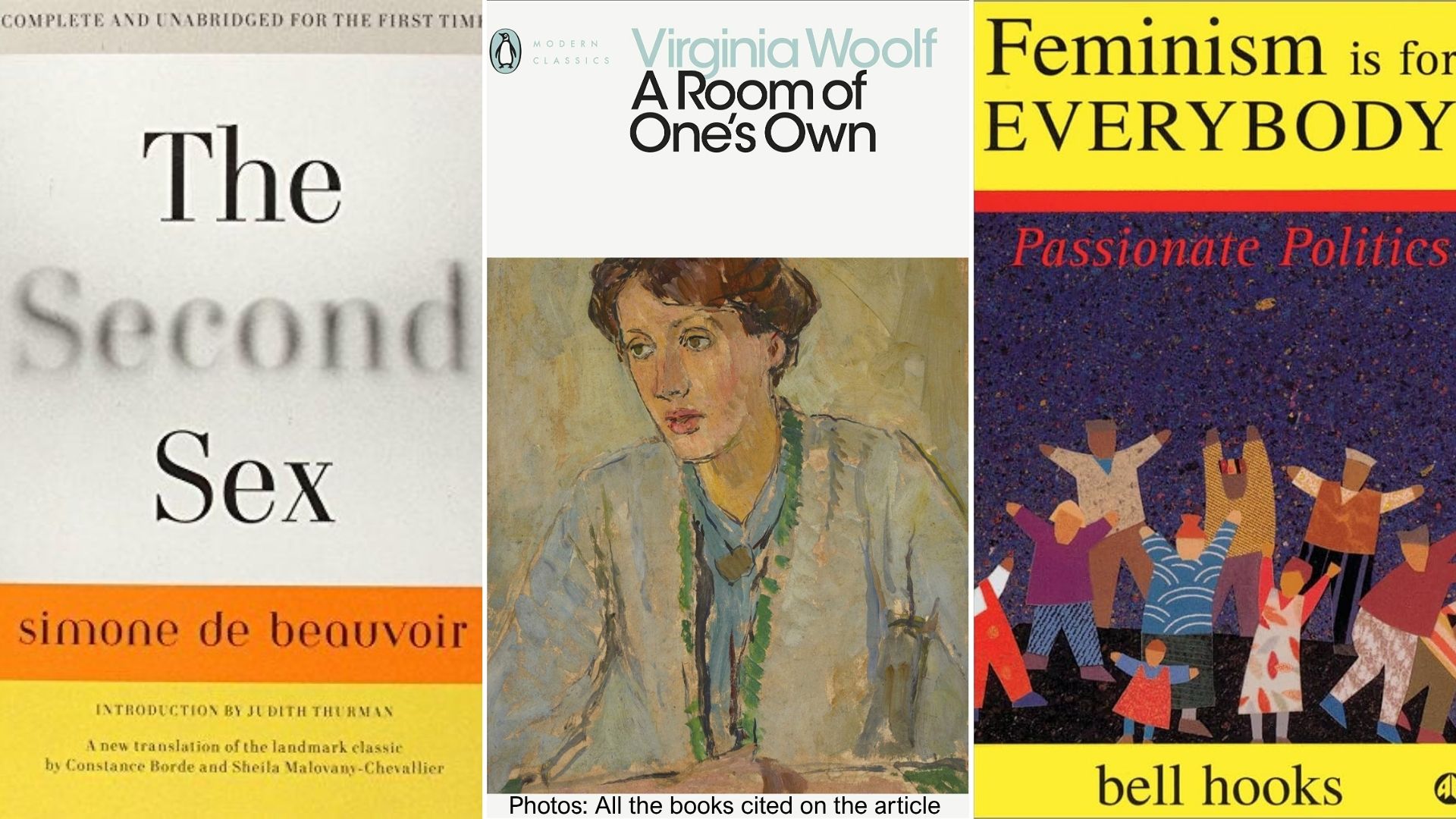
In the book, “The Second Sex”, Simone de Beauvoir argues that women have been constructed in society as the “Other,” while man occupies the position of the essential subject. What happens is that the woman’s image is constructed by the man’s view of her. Whether a woman is visible or how she is allowed to exist within that visibility comes secondhand to the image men have about them.
The Novig campaign reminded me of that book and what Beauvoir has to say about that because it turns Sweeney’s body into the central language of a sports advertisement, which is seen as a man’s interest. She is not being presented for her athletic achievements, because she has none to sell in this context, so her body is the product’s visual hook while her sexuality becomes the spectacle, but where are the sports? I don’t see it. That distinction matters when the campaign is placed next to the reality of women who have spent years training their bodies to compete, only to continue fighting for sponsorships, media coverage, commercial opportunities and recognition.
The Body
Don’t get me wrong, that does not mean Sweeney is responsible for the entire system surrounding the campaign, nor does it mean that a woman loses her agency when she participates in a sexualized advertisement. A woman can choose to be naked, sexy and make money from her appearance; none of these things is inherently contradictory to feminism. But what exactly are we selling when a woman’s body becomes valuable to an industry only because it can be looked at?
The fact is, even if she agreed, the culture surrounding that image has not stopped objectifying women. Yes, Sydney Sweeney, you can choose to participate in the campaign, but women’s bodies should not be the easiest way to make commercials interesting. Still, Novig and a hierarchical society benefit from this visual language.
In A Room of One’s Own, Virginia Woolf examines how women’s ability to create and be recognized has always been connected to access and power. Her argument that a woman needs money and a room of her own to write was ultimately an argument about independence, because without the material conditions to produce her own work, a woman remains dependent on structures controlled by men that can also control the values established by society, determining what is considered serious or worthy of attention.
In an industry where attention is currency, who gets to define the value of a woman? Because a pair of beautiful boobs on the screen seems to be doing it.
The Power
Bell Hooks in “Feminism Is for Everybody”, defines feminism as a movement to end sexist exploitation and oppression, deliberately shifting the focus away from the idea that men themselves are the enemy and toward the systems and beliefs that reproduce sexism. The problem is not that men look at women, or that women can be sexual, but a culture in which women’s bodies can so easily become objects of consumption and commercial value, while the structures behind that process remain unquestioned.
This is also why directing all the anger at Sydney Sweeney can reproduce part of the very problem people are criticizing. If the conversation becomes only about whether she should have agreed to the campaign, we risk turning another woman into the object of public judgment. Her body becomes the thing everyone feels entitled to defend or condemn, while the larger commercial system becomes secondary.
Ironic, isn’t it? A campaign “praising” women’s bodies has produced another enormous discussion about a woman’s body. Everyone has an opinion about what Sweeney wore, how she posed, whether she should have done it and whether she deserves the backlash. Once again, the woman becomes the object around which everyone else gets to form an opinion.
The Reality
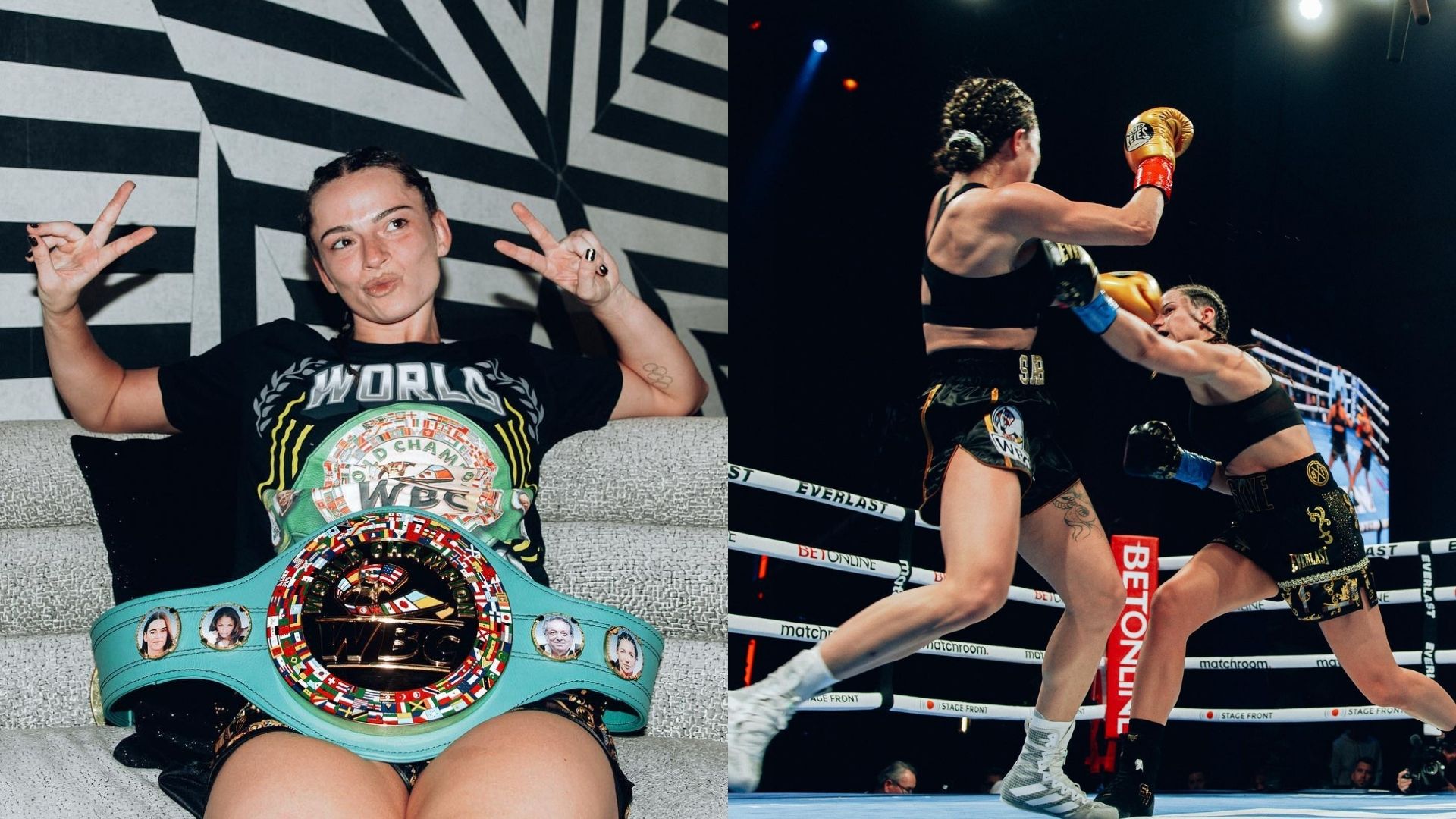
Some female athletes criticized the campaign, looking for the reality of women in sport. American gymnast Gracie Kramer was one of the first to respond with an Instagram reel reading: “idk what Sydney Sweeney was doing, but this is what a woman in sport looks like”, while world boxing champion Skye Nicolson posted a statement on her Instagram account (@skyebnic) that there is a difference between looking sexy while practicing a sport and using sex to sell sport. So, instead of asking whether Sydney Sweeney is sexy or empowered enough, I’m asking myself why a sports campaign needs a woman’s sexuality to generate attention in the first place.
A 2019 study by Lucimara Fabiana Fornari and co-authors, “Gender Perspective in Reports on Women Athletes in Rio 2016 Olympic Games”, examined 51 articles and 87 images published by two Brazilian national newspapers during the Rio 2016 Olympics. The researchers found that although female athletes were given visibility, media coverage could still reproduce socially constructed sexist patterns and stereotypical representations of femininity.
What this research really says is that we, women, are still viewed by society as a desirable spectacle, and athletes are lacking the same degree of commercial attention given to the bodies that are removed from athletic achievement and placed into a more familiar visual language: beauty.
Indeed, Bell Hooks reminds us that sexism is not sustained by individual actions alone, but by systems of thought that normalize exploitation and inequality. And men still think our worth is determined by our bodies.
I assure you, women in sport are not asking to be protected from sexuality. Just to be recognized for something more than their sexuality; actually, we all are. We can be a bunch of things, and none of the qualities cancels each other out.
I’m not really interested in why Sydney Sweeney should not have taken the campaign, but I can’t stop thinking why, in 2026, a woman’s nude body can still be treated as easy bait to make things worth paying attention to? And why are we falling for it?
FASHION LAW JOURNAL INSIDER
Join designers, brand founders and fashion lawyers who get the biggest brand battles, IP fights and career moves in fashion law, straight to their inbox.