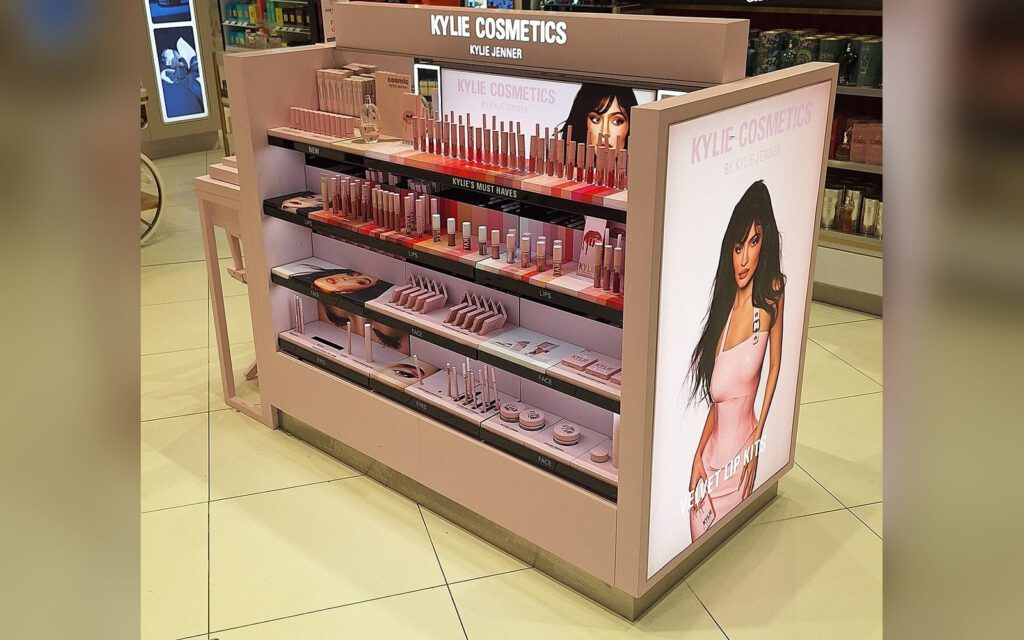



Every trade mark application has to say which goods and services the mark will be used for, and every trade mark office sorts those goods and services into the same 45 numbered trademark classes. For a fashion label the choice of classes decides what the registration covers, what it costs and how far the brand can stretch before it needs another filing. A T-shirt brand that registers only in Class 25 owns nothing in tote bags, earrings or a lip balm collaboration. The rules also changed this year: the 13th edition of the Nice Classification took effect on 1 January 2026 and moved sunglasses out of the class most fashion lawyers used to file them in. This guide explains the classes that matter for fashion brands, what each one covers, and what filing in them costs at the USPTO, the UK IPO and the EUIPO as of 17 November 2026.
Short answer: Most fashion brands start with Class 25 (clothing, footwear, headwear) and add Class 18 for bags and leather goods, Class 14 for jewellery and watches, Class 3 for cosmetics and fragrance, and Class 35 for retail services. Since 1 January 2026 sunglasses go in Class 10, not Class 9. Each office charges per class, so every extra class adds cost.
Key takeaways
- The trademark classes come from the Nice Classification run by WIPO; the current version is the 13th edition, version 2026 (NCL 13-2026), in force since 1 January 2026.
- Under NCL 13-2026, spectacles, contact lenses and sunglasses are in Class 10, and electrically heated clothing has moved into Class 25.
- The USPTO charges $350 per class, plus surcharges for incomplete or free-text descriptions. The UK IPO charges £205 online for one class and £60 for each extra class from 1 April 2026.
- The EUIPO charges €850 online for one class, €50 for the second and €150 for each class from the third.
What are trademark classes and where do they come from?
Trademark classes are the 45 categories of the Nice Classification, an international system set up under the Nice Agreement of 1957 and administered by the World Intellectual Property Organization. Classes 1 to 34 cover goods and Classes 35 to 45 cover services. WIPO publishes a new version of the current edition each year, and national offices apply the version in force on the filing date.
The class does not decide whether your mark is infringed. Trade mark law protects against confusingly similar marks on similar goods, and goods in different classes can still be similar. What the classes do decide is the fee and the formal scope of the registration. If a product is not covered by the goods listed in a class you have registered in, you are relying on the much weaker protection of an unregistered mark. FLJ’s trademark class finder lets you look up an individual product.
FLJ Insider Pro is open: live fashion law jobs and internships, five career guides and two roadmaps. Early bird USD 12/month. See what's inside
Which classes cover fashion products?
The table below uses the class headings and explanatory notes of the 13th edition, version 2026. The headings are summaries; what counts is the specific list of goods in your application.
| Class | What it covers for fashion | Common traps |
|---|---|---|
| 25 | Clothing, footwear and headwear, including sportswear, belts for clothing (including leather belts), pocket squares and, since 2026, electrically heated clothing | Protective clothing and helmets go in Class 9; orthopaedic footwear in Class 10; clothing for animals in Class 18 |
| 18 | Leather and imitation leather, handbags, luggage and travel bags, wallets, card cases, umbrellas, pet collars and pet clothing | Bags made for a specific product, such as laptop or camera bags, go in Class 9; leather clothing goes in Class 25 |
| 14 | Jewellery, including imitation jewellery, cufflinks, tie clips, key rings, jewellery charms and boxes, watches and clocks | Smartwatches go in Class 9; charms other than for jewellery or key rings go in Class 26 |
| 3 | Non-medicated cosmetics, perfumes, toiletries, nail products and false eyelashes | Essential oils are now split by use: cosmetic in Class 3, medical in Class 5, food in Class 30 |
| 9 | Smartwatches, smart glasses, phone cases, protective helmets and protective clothing, downloadable software and digital goods | Sunglasses and spectacles left Class 9 on 1 January 2026 |
| 10 | Spectacles, contact lenses and sunglasses (since 2026), compression garments and orthopaedic footwear | Novelty spectacles go in Class 28 |
| 26 | Buttons, zips, buckles, lace, embroidery, ribbons, hair bands, wigs and hair decorations | Jewellery charms go in Class 14; false eyelashes go in Class 3 |
| 24 | Textiles and substitutes for textiles, fabric by the metre, household linen and textile handkerchiefs | Finished garments are Class 25, not Class 24 |
| 35 | Retail and online retail services, wholesale, advertising and marketing services | Selling your own goods is not itself a service; Class 35 covers the retail service of bringing goods together for customers |
Source: WIPO, Nice Classification 13th edition, version 2026, class headings and explanatory notes.
Class 25 is where almost every apparel brand begins, and FLJ explains its quirks in Trademark Class 25 explained for apparel founders. The other classes become relevant as soon as a label moves into accessories, beauty or its own shop.

What changed for fashion in the 2026 Nice edition?
Three changes in NCL 13-2026 matter to fashion brands. The biggest is eyewear. Class 10’s heading now includes “spectacles, contact lenses and sunglasses”, and Class 9 points to Class 10 for them, while smart glasses stay in Class 9. A brand launching sunglasses in 2026 should file in Class 10. Registrations already granted in Class 9 remain valid; whether an office reclassifies them on renewal depends on its own practice, so brands with eyewear lines should also check that their watch services cover Class 10.
Second, electrically heated garments moved from Class 11 into Class 25, which brings heated jackets and gloves into the same class as the rest of the clothing range. Third, essential oils are now classified by purpose, so cosmetic oils sit in Class 3. The USPTO confirms that NCL 13-2026 has been its current edition since 1 January 2026, and the UK trade mark body CITMA has said the change applies to new filings from that date.
How much does each class cost at the USPTO?
Since 18 January 2025, the USPTO has charged a single base application fee of $350 per class for applications filed under Sections 1 and 44, replacing the old TEAS Plus and TEAS Standard options. According to the USPTO’s summary of the 2025 fee changes, three surcharges can be added per class: $100 if the application lacks required information, $200 for describing goods in the free-form text box instead of picking entries from the Trademark ID Manual, and $200 for each extra 1,000 characters of free-form text beyond the first 1,000.
Later fees are also per class. The USPTO fee schedule lists $150 per class for a statement of use, $125 per class for each six-month extension to file it, and, at the ten-year renewal, $325 per class for the Section 9 renewal plus $325 per class for the Section 8 declaration of use that goes with it. A brand filing in Classes 25, 18 and 14 using ID Manual wording therefore pays $1,050 at filing. Before paying anything, run a clearance search: FLJ’s guide on how to run a USPTO trademark search shows how.
How much do UK and EU trade mark classes cost?
UK IPO fees rose by an average of 25% on 1 April 2026, the first trade mark fee rise in nearly three decades. Its published fee table shows an online application now costs £205 for the first class (up from £170) and £60 for each additional class (up from £50). Renewal is £245 plus £60 per extra class. The Right Start service, which lets applicants pay in two stages after an examination report, costs £125 per stage plus £30 per extra class at each stage.
The EUIPO charges €850 online for an EU trade mark covering one class, €50 for a second class and €150 for each class from the third. One EU registration covers all 27 member states for ten years and can be renewed indefinitely.
| Office | One class | Each extra class | Example: Classes 25, 18 and 14 |
|---|---|---|---|
| USPTO (United States) | $350 | $350 (plus any surcharges) | $1,050 |
| UK IPO (online, from 1 April 2026) | £205 | £60 | £325 |
| EUIPO (online) | €850 | €50 for the second, €150 from the third | €1,050 |
Official fees only, checked 17 November 2026. Lawyers’ fees, search costs and US use filings are extra.
How should a fashion brand choose its trademark classes?
- File for what you sell now and will sell soon. US applications based on intent to use need a bona fide intention to use the mark on each item, and UK and EU registrations can be challenged for non-use after five years.
- Write the goods list carefully. “Clothing” is broad; listing T-shirts, hoodies and caps gives clearer protection and, at the USPTO, using ID Manual wording avoids the $200 free-text surcharge.
- Add Class 35 when you run your own shop. An online store selling your clothing is a retail service, and a Class 35 registration helps against copycat store names.
- Think about collaborations early. Beauty, eyewear and jewellery partnerships are common, and a licensee will expect the brand to hold registrations in Classes 3, 10 or 14.
- Check the name before filing. A name that is descriptive for clothing can still be refused, whichever class you pick. FLJ’s guide to clothing brand names you can actually trademark covers the common grounds for refusal.
For the filing itself, step by step, see how to trademark a clothing brand.
This article is general information about trade mark classification and official fees as of 17 November 2026, not legal advice. Fees change; check the office’s own fee page before filing.
Frequently asked questions
What trademark class is clothing?
Clothing, footwear and headwear are in Class 25 of the Nice Classification. Protective clothing is in Class 9, medical clothing such as compression garments in Class 10, and clothing for pets in Class 18.
What class are handbags in?
Handbags, luggage, wallets and other leather goods are in Class 18. Bags made for a particular product, such as laptop bags, are classified with that product, usually in Class 9.
Are sunglasses in Class 9 or Class 10?
For applications filed from 1 January 2026, sunglasses, spectacles and contact lenses are in Class 10 under the 13th edition of the Nice Classification. Smart glasses stay in Class 9.
How much does a US trademark cost per class?
The USPTO base application fee is $350 per class. Surcharges of $100 or $200 per class apply for missing information or free-form descriptions of goods.
Do I need Class 35 for an online clothing shop?
Not to protect the clothes, which Class 25 covers. Class 35 covers retail services, so it helps if your brand name is also the name of your shop or website.
Can I add classes after filing?
Only to a limited extent. The USPTO and EUIPO do not let you widen the goods after filing, so products outside the original description need a new application. The UK IPO allows extra classes to be added in limited cases following examination, for a fee.
FASHION LAW JOURNAL INSIDER
Join designers, brand founders and fashion lawyers who get the biggest brand battles, IP fights and career moves in fashion law, straight to their inbox.