
A fashion designer creates clothing, footwear and accessories, and the job runs from a rough sketch to a garment on a rail. The US Bureau of Labor Statistics counted about 25,700 fashion designers in 2024 and put their median annual wage at $80,690. The agency projects employment to grow 2 percent from 2024 to 2034, slower than the average for all occupations. Each stage of the work carries a legal question, and designers who know those questions early protect their work and their income.
Fashion Designer Duties, Step by Step
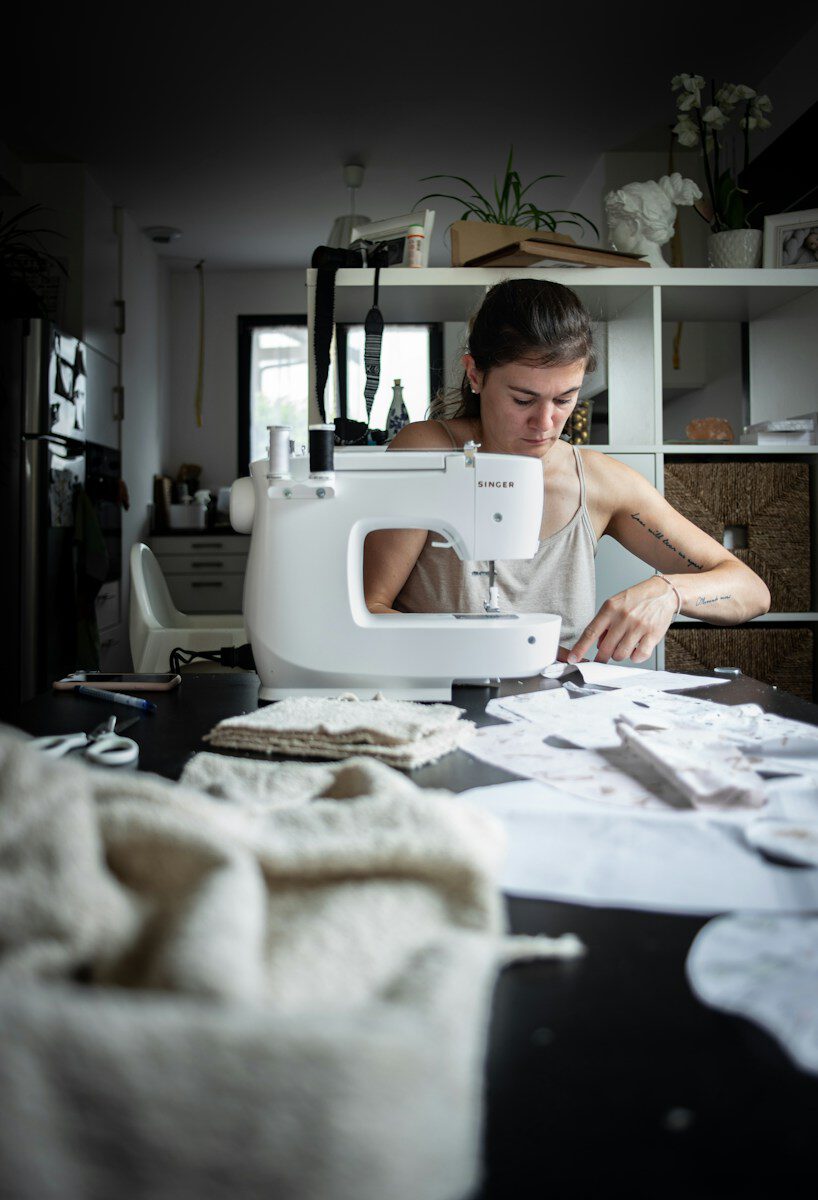
The work starts with research. Designers study fashion trends and anticipate which designs will appeal to consumers, and they gather that information from runway shows, textile showrooms, trade publications and street style. They then turn ideas into drawings. BLS notes that most designers still sketch by hand first, and many now also sketch digitally in computer-aided design programmes that let them test colours and shapes on virtual models before any fabric is cut.
Selection comes next. Designers choose the fabrics, embellishments, colours and style for each garment or accessory, then produce a prototype, often in a cheaper material than the final product will use. They refine the prototype, make samples in the real materials and present the design to a creative director or show it at a trade event. In the final stage they work with manufacturers and textile suppliers and oversee production, which means the creative role ends with instructions on how to make the garment and a check that the factory follows them.
What the Law Protects in a Designer’s Work
Every stage produces something with a different legal status. A sketch or a printed graphic earns copyright protection the moment it exists. The cut and silhouette of the garment itself mostly falls outside copyright, because US law treats clothing as a useful article. In Star Athletica v. Varsity Brands, the Supreme Court held that only design elements that can be separated from the garment’s function qualify, which protects a print and leaves the shape unprotected.
Designers working on shoes and bags have another route. A design patent protects the ornamental appearance of an item for 15 years from grant, and it can claim the whole shape of a sneaker or a handbag. The brand name and logo sit under trademark law, which protects them separately from any garment. A designer who registers a clothing brand files in Class 25, and the USPTO charges $350 per class when the application uses its pre-approved goods descriptions. FLJ’s guide to protecting designs without a legal budget shows how a small designer builds a paper trail for each of these rights.
Who Owns the Designs
Ownership turns on how the designer works. Under Section 101 of the Copyright Act, work an employee prepares within the scope of employment counts as a work made for hire, so the employer owns the copyright. A designer on a company payroll therefore hands the ownership of every sketch and print to the company by default.
A freelance designer starts from the opposite position. Work by an independent contractor qualifies as made for hire only when it fits one of nine statutory categories and both sides sign a written agreement saying so, and most prints and illustrations fall outside those categories. A freelancer keeps the copyright unless the contract assigns it, which makes the assignment clause the most important sentence in the agreement.
Sharing Designs With Factories
Production means sending designs outside the studio. Trade secret law protects only information an owner takes reasonable efforts to keep secret, so a signed non-disclosure agreement before a technical pack reaches a factory turns a verbal understanding into evidence. A manufacturing agreement should also state that the patterns and technical files stay the designer’s property once production ends.
When the Designer Becomes the Brand
Designers who launch their own label take on duties that an employee never sees. The Textile Fiber Products Identification Act requires a label that states the generic fibre names and percentages by weight, the manufacturer’s name or registered identification number and the country of origin. The FTC Care Labeling Rule adds a permanent care label that tells the wearer how to wash, dry, iron and clean the garment. A designer who sells under their own name answers for both labels, and a missing or inaccurate one belongs to the brand owner.
Creative Work With Legal Consequences
The daily duties of a fashion designer are research, sketching, selection, prototyping and production oversight. The legal duties run beside them: protecting each design with the right tool and settling ownership and labelling before the garment ships. Designers who treat those tasks as part of the job protect the value of everything they create.
FASHION LAW JOURNAL INSIDER
Join designers, brand founders and fashion lawyers who get the biggest brand battles, IP fights and career moves in fashion law, straight to their inbox.