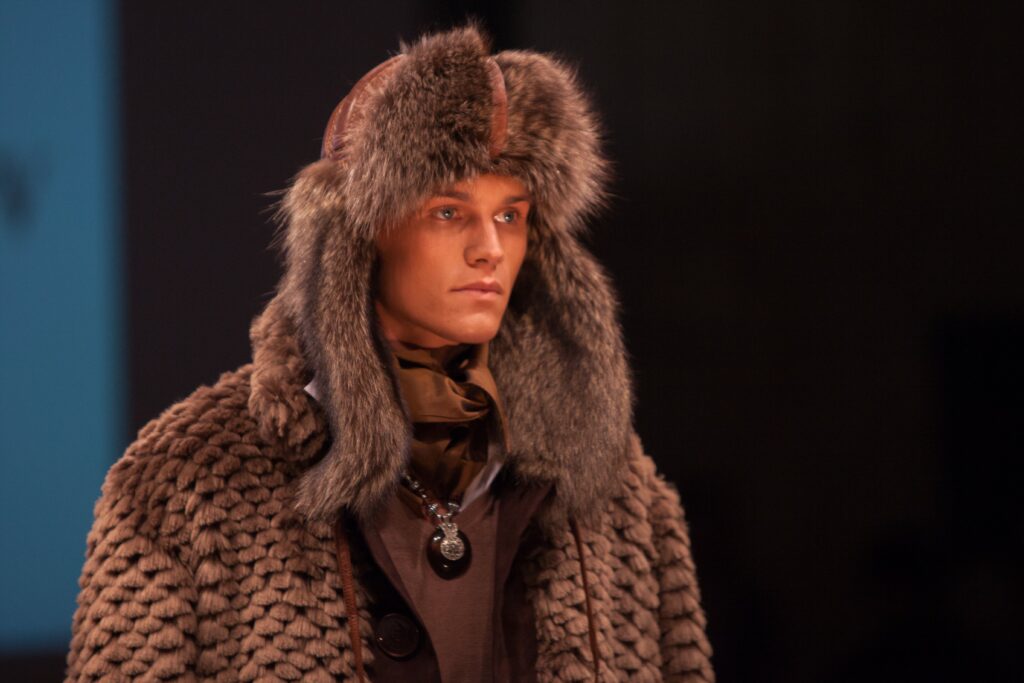

Cottagecore had a puffy uniform. Mob wife had a coat. Whimsy and chic have no edges at all, and that turns out to be the most expensive trend fashion has ever sold us.
A few weeks ago, my colleagues and I visited a local fair, and after 2 long hours surrounded by baked goods, the aroma of coffee, lines of shoes and clothes, handmade articles, and the cigarette smell that my hair took back home, I caved in and bought a mushroom-shaped candle holder and told my colleagues that it felt whimsical. I was not shopping for clothes that day. I did not need a candle holder either. I later confessed I wanted to experiment with being whimsical for an article.
Along with the cigarette smoke on my hair, the word “Whimsy” followed me home as well. Within a week, I had rearranged a bookshelf around it, started drying flowers upside down on a piece of string, and begun describing my own free Sunday mornings as whimsical, as if a mood could be scheduled. The thing is, I never tried on a puff-sleeve dress, nor have I ever searched for a fairy-core outfit. The word whimsy did the work clothes used to do, and it did that work everywhere at once, in my kitchen, on my windowsill, in the caption I wrote under a photo of tea I did not particularly enjoy making.
When a Trend Comes with a Uniform
Fashion has trained us to expect a trend to arrive with instructions. Cottagecore started on Tumblr in 2018, and two years later a pandemic that had everyone staring at their own four walls pushed it into the mainstream. Tumblr posts tagged cottagecore rose 150% between March and May 2020 alone. Somehow, the aesthetic came with a rather specific shopping list: puff sleeves, gingham, milkmaid necklines, a prairie dress you could picture baking bread in. It spread into home decor magazines, which photographed sun-bleached linens and dried wildflowers as if they were reporting the news, and Taylor Swift released two albums that looked and sounded like the word. Cottagecore looked like something specific, and everyone knew exactly what that something was.
FLJ Insider Pro is open: live fashion law jobs and internships, five career guides and two roadmaps. Early bird USD 12/month. See what's inside
Mob wife worked the same way, only faster. Kayla Trivieri, a creator, posted a video on January 6, 2024, that defined winter’s aesthetic in a single afternoon. Fur coats and gold jewellery became the uniform overnight. Even people who did not smoke carried a cigarette like a prop, because the look called for one. Trivieri’s video passed one million views, and the hashtag mobwife crossed 100 million views within weeks. Nobody had to guess what a mob wife wore. The look told you exactly what to buy and exactly when you had bought enough.
Clean girl arrived first, in late 2021, and by 2022 it had become its own category on Google Trends. It grew out of the earlier ‘that girl” trend and came with a routine as strict as any uniform: slicked-back buns, a five-step skincare regimen, matcha instead of coffee, pilates instead of running. Black and Brown women had worn the same slicked-back hairstyles and brown lip liner for years and heard the word trashy. White creators popularised the identical look a few years later and heard the word aspirational instead. The double standard mattered because it proved the aesthetic had a shape specific enough to steal.
Whimsy and Chic Do Not Play by The Same Rules

Whimsy and chic do not have a shape. That is the difference, and it changes what the words are asking of us. I have written about how fast a microtrend can rise and fall, but a mood word does not behave like a microtrend at all. A microtrend still tells you what to wear. A mood word tells you what to become.
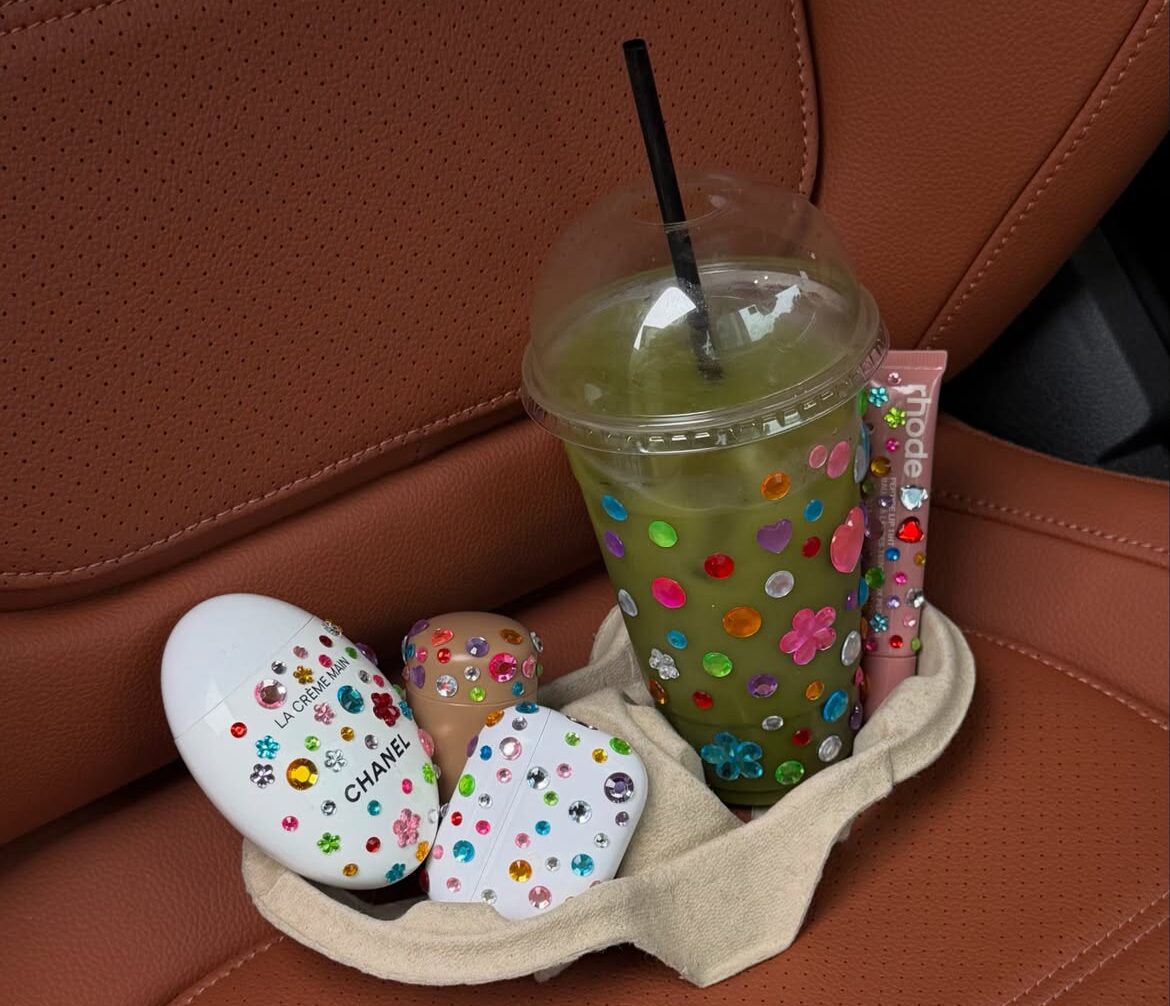
Search interest in the word whimsy rose 400% this spring, and the hashtag whimsical alone carries close to 529,000 TikTok posts. Scroll through them and you will find no single silhouette repeating. Whimsy has attached itself to candles, bedazzling, rolling down a hill, “whimsymaxxing”, colourful rooms, unique pet accessories, thrifted home goods; categories that have nothing to do with a dress code and everything to do with a disposition. Small business marketing guides now list whimsy as a defined branding strategy for 2026. The word has stopped describing a look and started describing an entire personality that a company can license.
Chic tells a stranger version of the same story. Search traffic for the word hit its highest point since 2004 this year, even as sentiment analysis of the term fell 14% every month starting in March, according to the fashion data account @databutmakeitfashion. People are typing the word more than ever while trusting it less than ever. A word that once meant a very specific, very earned kind of restraint now attaches itself just as easily to AI poster fatigue.
A Word Has No Stop Sign
A look word tells you what to buy and where the spending stops, like puff sleeves or fur coats. A mood word gives you no edge to stop at, because a personality has no natural size. If chic can describe a candle and whimsy can describe a rug, buying into either one is never really finished. The wardrobe was only ever the entry fee. The rest of the bill comes due in your kitchen, your bookshelf, your captions, and eventually your entire understanding of who you are on a given Tuesday.
What Happens When the Whimsy Mood Passes?
Moods pass faster than most people can afford to keep up with them. Global secondhand apparel sales grew 13% last year while sales of new clothing stayed almost flat, and the American resale market is now growing four times faster than traditional retail. The company projects the global secondhand market will reach $393 billion by 2030. ThredUp’s chief executive James Reinhart has compared the shift to the slow rise of off-price retailers like TJ Maxx, which existed quietly for decades before a financial crisis finally made discount shopping feel less like a compromise and more like common sense. Whimsy will have its own version of that reckoning. The mushroom candle holder does not stay whimsical forever. Eventually it becomes inventory.
Mine is still on my shelf, for now. But today, I described it out loud to a friend as a bit much. Not whimsical, and definitely not chic. Just a bit much, sitting where a word used to be.
FASHION LAW JOURNAL INSIDER
Join designers, brand founders and fashion lawyers who get the biggest brand battles, IP fights and career moves in fashion law, straight to their inbox.