
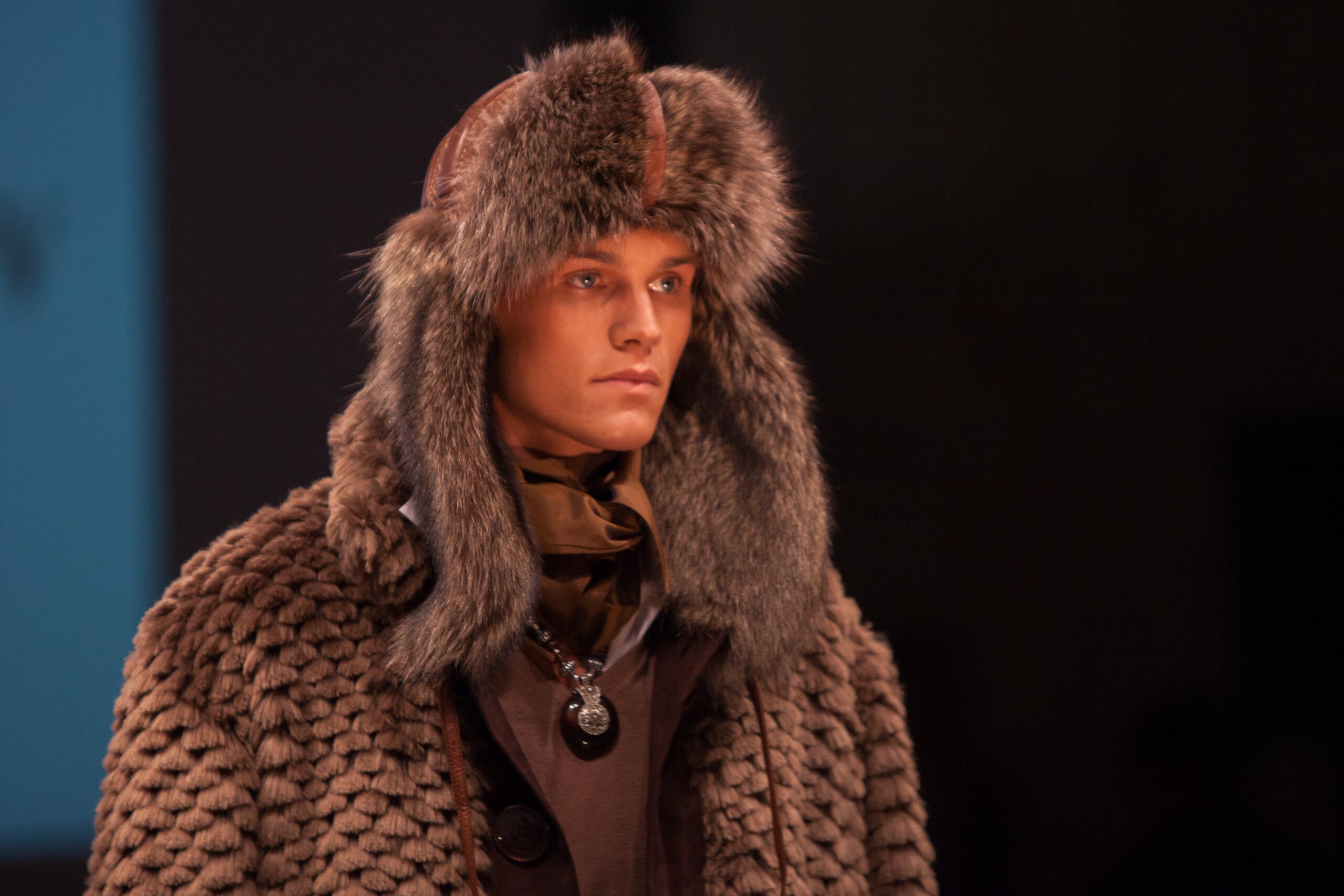
“Fur is back.”
These three words have been plastered across a recent wave of articles in the fashion industry. Each of these pieces equated fur, whose very existence requires killing an animal, to a fashion fad as mundane as skinny jeans or stripes. The message that animal cruelty is an acceptable trade-off for a new handbag is one that the fashion industry has long dispelled. While trend cycles and consumer preferences will always ebb and flow, beyond just trending fabrics, there has been a far more permanent shift in society’s moral and ethical compass. Embodied by a shift in both legal precedent and the fashion industry at large, fur is clearly on the decline, and it should stay that way.
According to the Animal Legal Defense Fund (ALDF), animals on fur farms are usually killed via “suffocation, electrocution, gassing or poisoning”, and that’s just the tip of the iceberg. Sometimes they are bludgeoned in the head repeatedly, subject to anal or vaginal electrocution, or skinned alive while still conscious. These farms serve as breeding grounds for diseases, as animals are crammed into tiny cages with poor sanitation and little room to engage in natural behaviors. These animals “frequently resort to self-mutilation, obsessive pacing, and infanticide.”
Once consumers got wind of the atrocities and abuses involved in the fur trade, fur’s reputation as a coveted status symbol plummeted. Organizations like PETA, The Fur Free Alliance, and the ALDF worked hard to expose the hidden cruelties of the fur industry and hold brands accountable for their fur usage. The material became intrinsically tied to animal rights abuses. The global fur trade has now declined by around 85% over the last decade, and over 1600 brands have adopted fur-free policies. Amidst this decline, fur regulation has become a hot topic for governments across municipalities, states, and countries.
FLJ Insider Pro is open: live fashion law jobs and internships, five career guides and two roadmaps. Early bird USD 12/month. See what's inside
The anti-fur legislative sentiment has been around since the turn of the century, when the United Kingdom made history as the first country to ban fur farming in 2003. Since then, more than 30 nations have regulated fur production, either banning it outright or imposing strict guidelines. There has been a recent uptick in prohibiting fur sales as well, with Israel becoming the first country to ban the sale of fur outright in 2021. India and São Paulo, Brazil have also phased out fur imports.
Several countries’ legal regulations were expedited after evidence of poor living conditions and animal cruelty was found in their farms. Norway, once the world’s largest producer of fox fur, abruptly shut down their fur production industry in 2023, two years ahead of schedule, after overwhelming evidence of animal welfare violations came to light. The Netherlands shut down mink farming four years before their proposed phase-out date after a COVID-19 outbreak spread across more than a dozen Dutch mink farms, causing a public health crisis.
This global shift towards fur regulation has also made its way into state and local legislatures across the U.S. In 2019, California became the first state in the nation to ban fur sales, making it unlawful to sell, trade, or otherwise distribute a fur product within the state. The law was enacted after West Hollywood, Berkeley, San Francisco, and Los Angeles all banned fur sales at the local level.
However, this did not go uncontested. In 2020, the International Fur Federation sued San Francisco over its fur sale ban, arguing the ordinance violated the Commerce Clause by improperly burdening interstate commerce. The district court disagreed, holding that the Commerce Clause does not prevent a municipality from ridding its marketplace of products it deems cruel. This ruling served as a landmark precedent for the anti-fur legislation that followed.
Since 2020, eight municipalities across Massachusetts have banned the sale of new fur products, and a statewide bill S.551/H.990 prohibiting the sale of newly farmed fur products is currently under review. In addition, New York’s A1923A bill covers multiple angles of fur regulation– it both prohibits the manufacture and sale of farmed fur products, and grants local governments authority to prohibit trade in fur products. Hawaii also proposed HB719/SB687, a bill which would have banned new fur sales, clearing House committee stages but ultimately dying in the 2025 session.
While the path to a fur-free future isn’t linear, the world’s transition away from fur in the past two decades is indicative of a larger trend of social and environmental agendas garnering real legal change. As fast fashion and other harmful practices accelerate, the fashion world and regulatory bodies should use fur regulation to assert that cruelty is no longer a defensible business model. Regardless of the current trend forecasts, it’s clear that fur is out.
Sources:
Animal Legal Defense Fund. (2020). Fur bans FAQs [PDF]. https://aldf.org/wp-content/uploads/2020/08/Fur-Sale-Ban-FAQs.pdf
California State Legislature. (2019). Assembly Bill No. 44: Fur products: Prohibition (Chapter 764, Statutes of 2019). California Legislative Information. https://www.leginfo.legislature.ca.gov/faces/billTextClient.xhtml?bill_id=201920200AB44
Fur Free Alliance. (n.d.). Fur bans. Retrieved August 10, 2026, from https://www.furfreealliance.com/fur-bans/
MSPCA-Angell. (2026). Prohibit the retail sale of fur. https://www.mspca.org/animal-policy/fur-bill/
New York State Senate. (2025). Assembly Bill A1923: Prohibits the trade of farmed fur products. https://nysenate.gov/legislation/bills/2025/A1923
New York State Senate. (2026). Assembly Bill A1923A: Prohibits the trade of farmed fur products (amended version). https://www.nysenate.gov/legislation/bills/2025/A1923/amendment/A
Smith, P. J. (2025, March 20). We’re witnessing the end to fur in fashion. CFDA. https://cfda.com/news/were-witnessing-the-end-to-fur-in-fashion/
Author: Isabel May Chan
Disclaimer: The views expressed in this article are those of the author and do not necessarily reflect the views of Fashion Law Journal
FASHION LAW JOURNAL INSIDER
Join designers, brand founders and fashion lawyers who get the biggest brand battles, IP fights and career moves in fashion law, straight to their inbox.