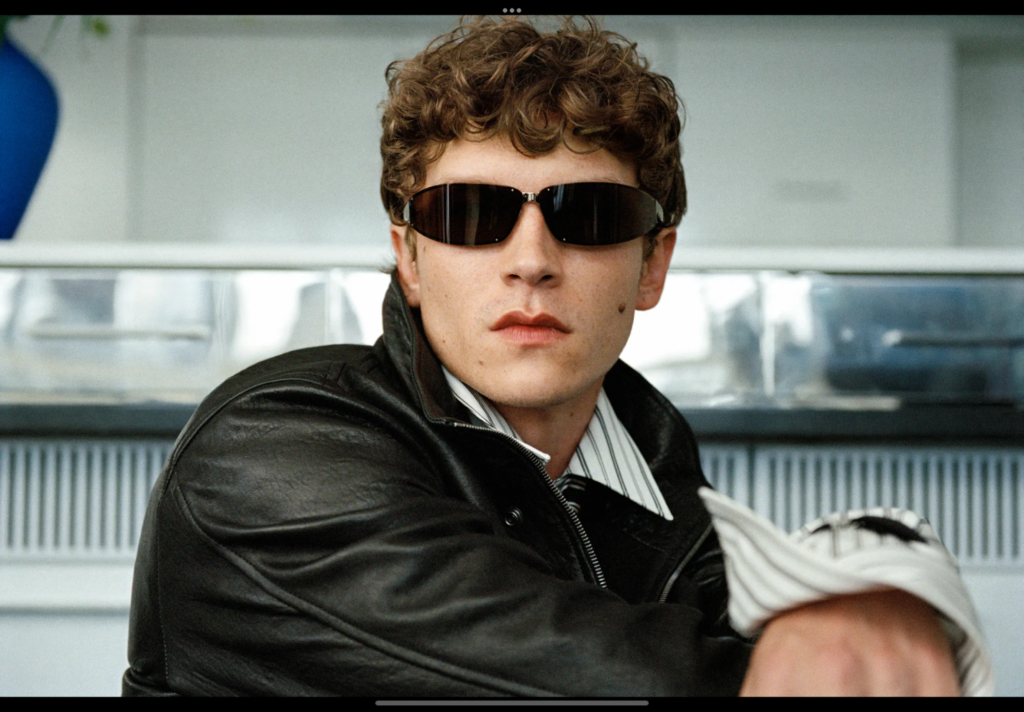
The modern state of Afghanistan was founded in 1747 in Kandahar by Ahmad Shah Durrani. The Durrani Empire ruled until 1823, followed by the Barakzai Empire, 1826 to 1973. Fast forward to 1978: the Communists seized control of the country after the assassination of President Mohammed Daoud Khan. A year later, the Soviets invaded Afghanistan, which led to the Soviet-Afghan War. In 1996, the Taliban took over, and things have never been the same. A gloomy precedent indeed. The loss of one’s freedom to a regime.
Prior to all this, there was once a time Afghanistan had colour, especially in the world of fashion. There is no doubt that the people back then had the freedom to explore different genres they fancied.
Afghanistan- Embracing the Western Fashion Lifestyle
The people of Afghanistan embraced Western clothing and personal grooming as part of their daily life since the 1920s. Something you no longer see in their society today. Fashion was one of the statements of modernisation, a leap into the future, and a way to join arms in moving forward.
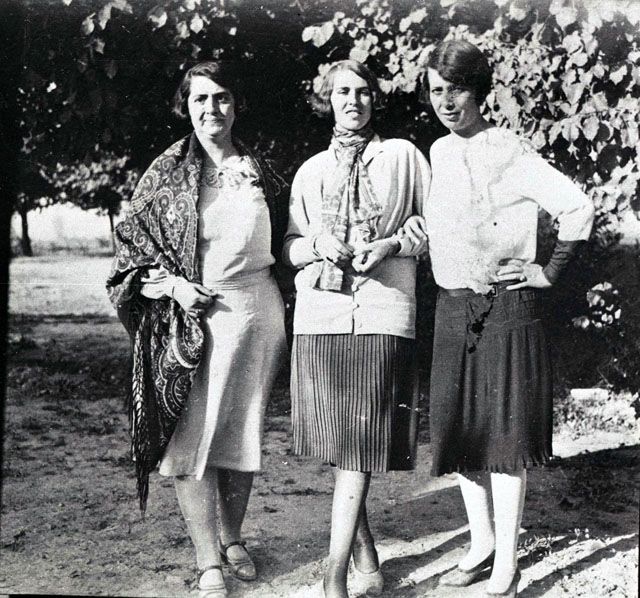
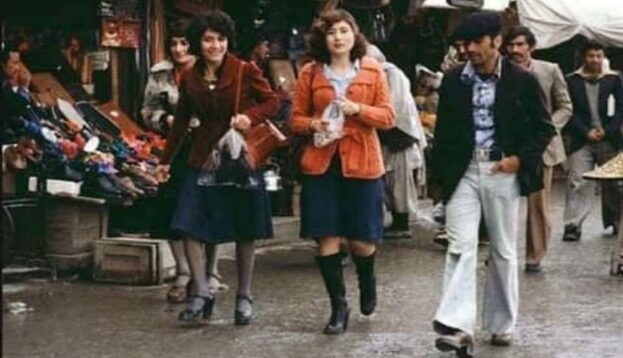
Women had options of their own. Education was encouraged, and opportunities were multiple. Fashion for women was also inspired by the cosmopolitan setting. They wore skirts of all shapes and sizes, blouses of different designs and prints, jackets and coats for multiple occasions. Hair and beauty salons were thriving during this age. The most popular hairstyle in the late 80s and early 90s was Princess Diana’s hairstyle. Head scarves were rare and only used for religious purposes.
Afghanistan in the 1960s- Safia Tarzi’s Era
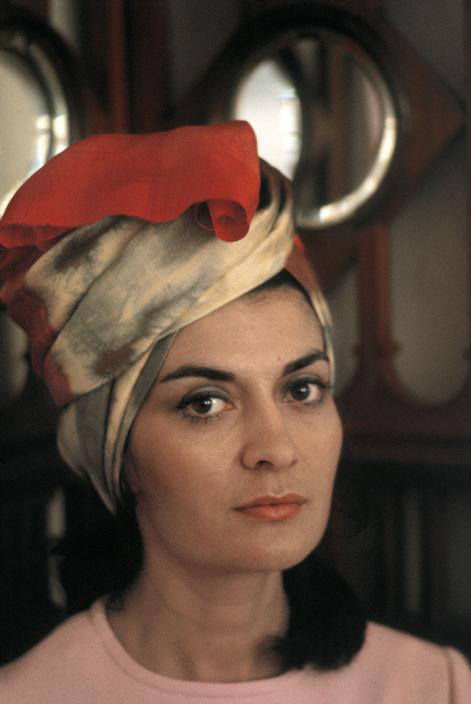
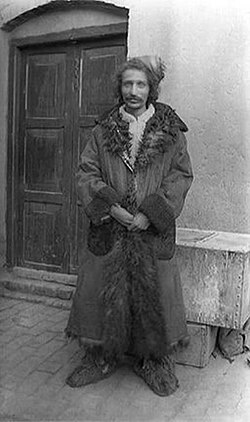
Kabul was once called the “Paris of Central Asia”, and the 1960s were the height of fashion for the people of Afghanistan, and in the heart of it all, the country birthed a young fashion designer, Safia Tarzi, who established her own Atelier in Kabul. A young woman whose style was defined by her Afghan roots, including traditional embroidery, colourful dyes and layers of various Afghan tribes. Her interpretation of fashion was to translate her traditional clothing and not just to simply mimic it. She sees geometric designs as complex artisanal crafts. Her most notable contribution to the fashion industry was popularising the Afghan coat by taking the poostin, a heavy, shearling-lined leather jacket and redefining it with the modernity of intricate floral embroidery designs.
She rewrote the lines of her heritage by incorporating her history into her fabric.
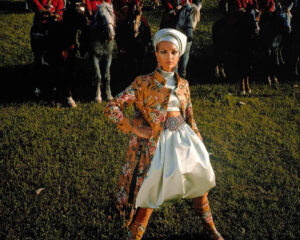
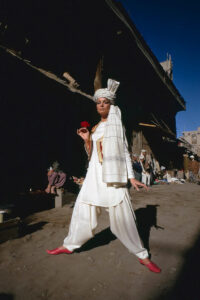
The vibrant country drew photographers and models to explore its aesthetic, and this outreach cemented Safia Tarzi’s work in the world of fashion. The most notable one was the 1969 Vogue issue for December, with photographer Fred Maroon and his team arriving at the city to shoot “Afghan Adventure.” The wonders of the country became the backdrop of an amazing issue.
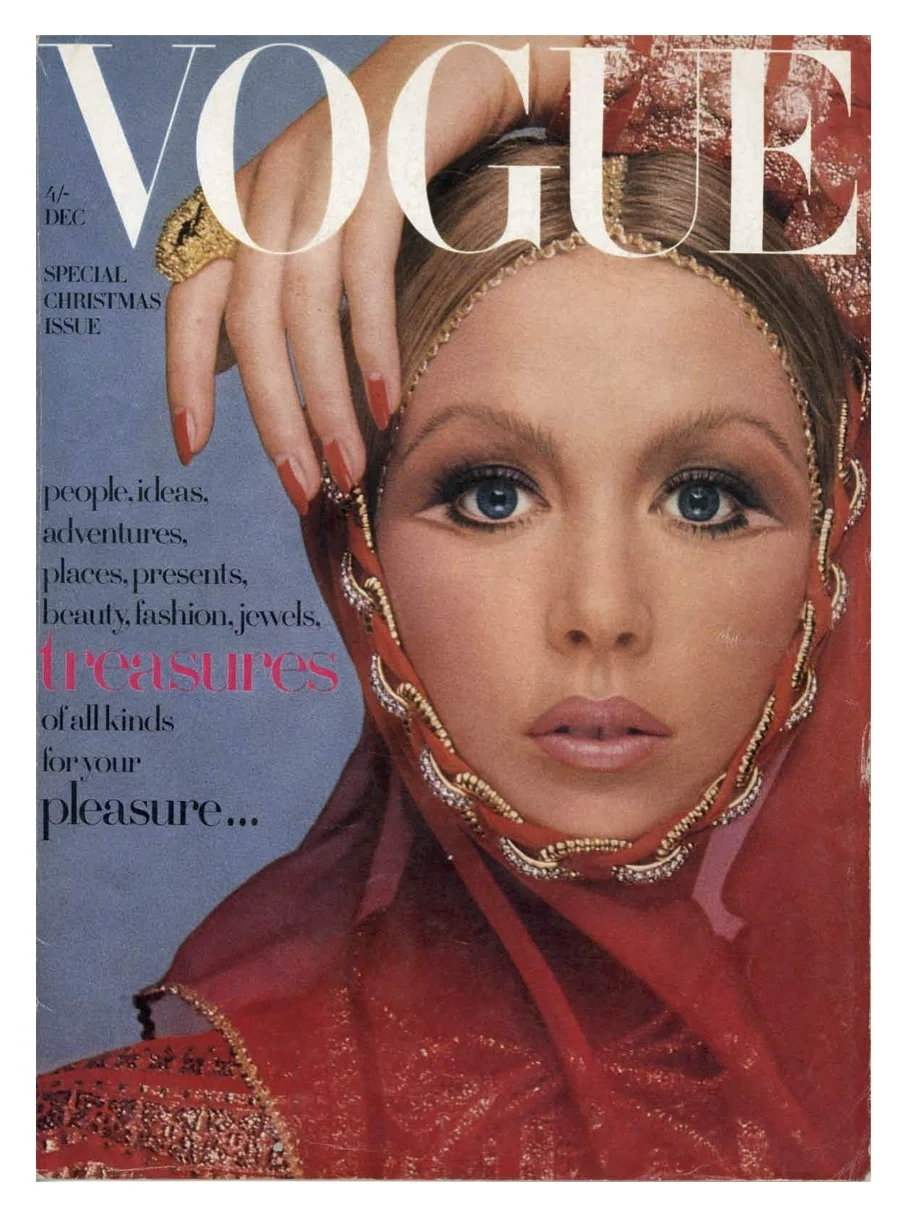
This issue proved to the world that Safia Tarzi, the woman with a vision for her career and her people, can take the world of fashion by storm and show the world how Afghanistan is more than just a country but an upcoming fashion hub.
From Afghanistan to the World
Afghanistan’s fashion statement was so prominent that it not only transformed the country and its people, but it also stirred and moved the world. The most notable ones were the Afghan coats that became a statement piece of the ‘Hippies’, with the outer coat covered in beautiful embroidered flowers and patterns, and fur inside the marvellous creation. These coats were worn by John Lennon, David Bowie, Jimi Hendrix and many more.
We mourn the loss of such an era. Will Afghanistan ever go back to being a nation that adorned fashion? Will the women and men in the country ever be allowed to explore their niches? And will this present generation ever get to experience the height of Afghan fashion? To answer these questions is both difficult and painful, for it is beyond the walls of fashion that the present situation is rooted in.
Credits:
https://www.bbc.com/news/world-south-asia-12011352
https://newlinesmag.com/first-person/afghanistans-fashions-over-three-generations/
The Taliban Effect: Evolution and Devolution of Fashion in Afghanistan
FASHION LAW JOURNAL INSIDER
Join designers, brand founders and fashion lawyers who get the biggest brand battles, IP fights and career moves in fashion law, straight to their inbox.