
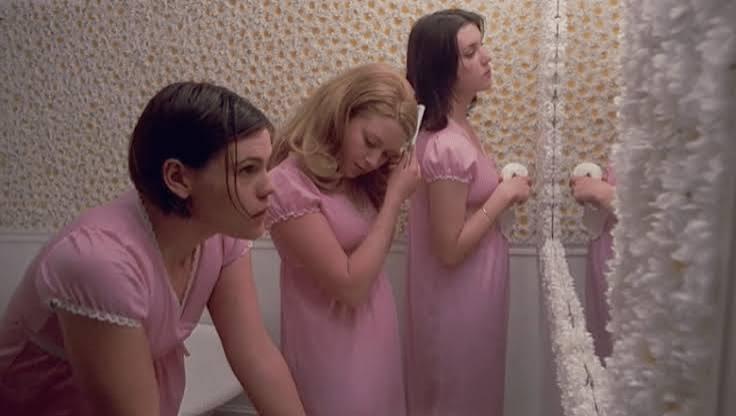
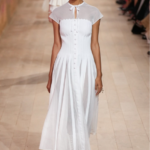
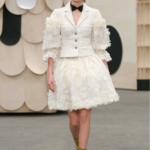
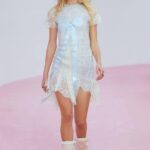
The coquette aesthetic originated in the early 2020s and gained popularity thanks to TikTok, Instagram and Pinterest. Coquettecore is a carefully constructed identity based on hyper-femininity, romanticism, and flirting with images of girlish innocence, in a modern, sometimes ironic context. It borrows elements from different eras, from the feminine glamour of the 1950s and Lolita fashion of the 1990s to the soft, ephemeral images from Lana Del Rey’s music videos. The coquette aesthetic blends innocence and seduction, gentleness and provocation.

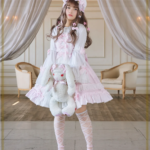
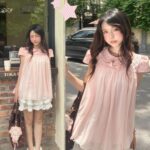
Distinctive features of the aesthetic include a soft vintage color palette evoking romance and nostalgia (pale pink, cream, white, sometimes muted red); silhouettes referring to the 1950s and 1960s in a modern interpretation (corsets, baby doll dresses, combinations, pleated skirts, puffy sleeves); satin, lace, silk, tulle, organza and cotton — often in the form of multi-layered products with frills, bows, embroidery; lots of bows, pearl necklaces, lace gloves, ribbons in her hair, Mary Jane shoes, ballet flats and miniature handbags with delicate trim. Images in this style are also characterized by special makeup — porcelain skin with a moist effect, bright blush, soft eyeliner, and cherry lips. Hair is often in curls, pigtails, and ribbons. In some ways, the aesthetic is similar to barbiecore, being just as girly but more subdued and soft.

Coquette combines references to Nabokov’s Lolita, Marie Antoinette (especially in Sofia Coppola’s reading), Japanese schoolgirls and Lana del Rey from the time of her debut album Born to Die. In other words, this “flirty” style is something emphatically feminine and slightly infantile, even frivolous. And that’s exactly what makes it so inviting and alluring.
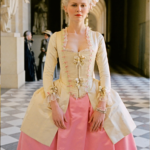

Many designers have been “practicing” this trend for years — and started doing it long before it got a specific name. Simone Rocha and her princess doll dresses made of frills and lace, Giambattista Valli and his marshmallow pieces made of layered tulle, Molly Goddard with her puffy tutu skirts, and Miuccia Prada with her satin ballet flats and references to school uniforms in Miu Miu. But in 2023-2024, Maria Grazia Chiuri from Dior, Virginie Viard from Chanel (with her own gentlemanly twist), Johnny Johansson from Acne Studios and many others joined their camp. It’s understandable: in our strange and difficult times, everyone wants something light, fun and uncomplicated. And clouds of tulle, lace and pink frills perfectly satisfy this request.
FLJ Insider Pro is open: live fashion law jobs and internships, five career guides and two roadmaps. Early bird USD 12/month. See what's inside
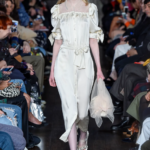
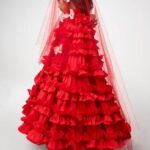
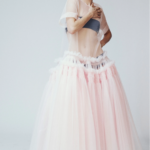
Pastoral, Reimagined: The Cottagecore Aesthetic
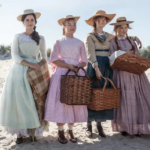

The сottagecore aesthetic is about rural life, summer in the countryside, cherry pies with a scoop of ice cream, knitted cardigans and gentle romance. It originated in the 2010s on Tumblr, and in the 2020s, during the pandemic, it gained the most popularity. It was at this time that the desire to escape from the city to a quiet village was stronger than ever. The ideal setting for this aesthetic is the English countryside of the Victorian era. In fact, it is a pastoral style that has been celebrated by writers and artists for centuries. The pastoral genre idealizes the relationship between humans and nature and romanticizes rural life.


Cottagecore favours activities related to nature and manual labor: gardening, baking, cooking, needlework, picking mushrooms and berries. A cottagecore lifestyle is an eco-friendly lifestyle. Pastel shades dominate this aesthetic: pale pink, milky, nude, sky blue, pistachio, light green. Natural tones are also popular: earthy green, diluted ochre and washed-out colours. Runway fashion and luxury campaigns adopted cottagecore by giving it an edge and adding tough rubber or leather boots and artificial fabrics such as flat tulle.
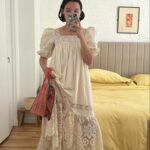
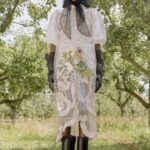
Simple dresses, aprons and capes with lacey details and flowery motifs are adored most by cottagecore lovers. Handmade cardigans, corduroy trousers, shorts, voluminous shirts, and knitted tops are also very welcome. Cottagecore is all about secondhand clothing, repurposing the old and cherishing what you already have. Materials like cotton, canvas and linen dominate the aesthetic. Vintage brooches and delicate hair clips become perfect accessories, as well as fresh or dried flowers and a wicker basket or knit bag for picking fruit. Headscarves, bandanas and woven hats are the perfect finishing touch.


Author: Yulia Trofimova
FASHION LAW JOURNAL INSIDER
Join designers, brand founders and fashion lawyers who get the biggest brand battles, IP fights and career moves in fashion law, straight to their inbox.