
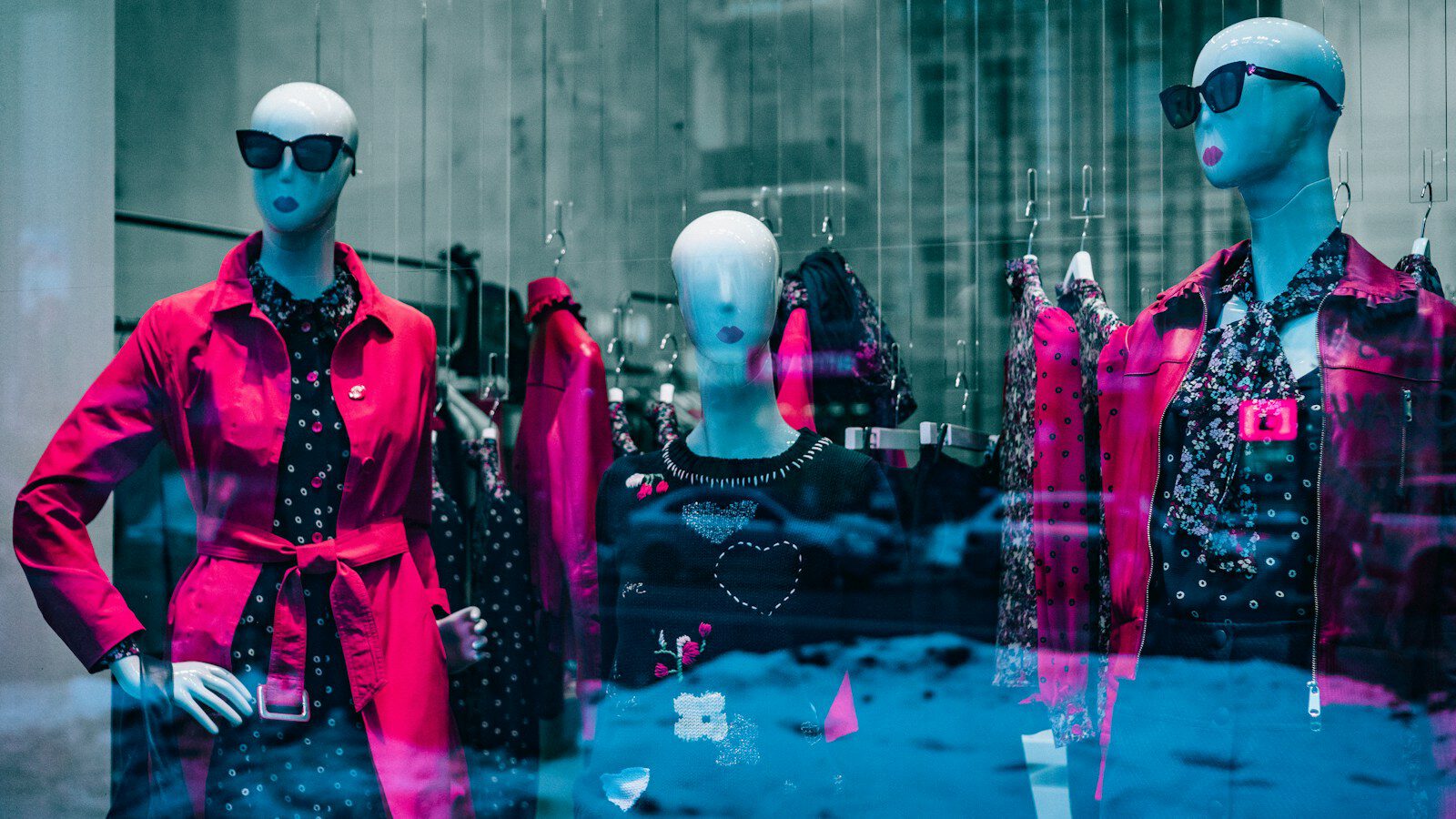
Fashion is no longer just about what you wear anymore; it’s much more dynamic. Smart clothing now has sensors, Bluetooth, health tracking and even built-in software. With all of that new technology comes some serious cybersecurity concerns.
So can your clothes be hacked? The answer is ‘Yes ’: your clothes can be hacked.
How can Smart Clothing be hacked?
Smart clothing, such as fitness shirts that sync with apps, medical monitoring wear and jackets with electronic features, can be vulnerable in a few ways:
- Data Theft: Hackers could steal sensitive health or biometric data.
- Digital Manipulation: Some technology weaknesses could allow someone to manipulate how these garments work.
- Privacy Violations: The individual’s movements and patterns in his or her daily life can be tracked and traced.
- Intellectual Property Theft: Cyberattackers can leak confidential designs and information.
These threats highlight why cybersecurity is becoming a big deal for fashion brands and tech developers alike.
European Union: Cyber Resilience Act
The Cyber Resilience Act, Regulation (EU) 2024/2847, sets out cybersecurity standards for products that have digital components.
Cybersecurity risks are to be addressed by the manufacturers of these products. They must also meet the security criteria. The Act also proposes reporting specific weaknesses that are being misused.
If an advanced-tech sports shirt has an app that puts consumers’ personal data at risk, the manufacturer may be held accountable for addressing the issue and taking action, while also meeting its reporting obligations.
The reporting requirements came into effect in 11th September 2026, and the overall application of the Act is scheduled for 11th December, 2027
European Union: General Data Protection Regulation (GDPR)
The GDPR, formally known as Regulation (EU) 2016/679, safeguards personal data and sets rules for organisations that handle it.
What should one remember?
Article 5: The principles for processing personal data
Article 9: This article puts limitations on how special category data can be processed.
Article 25: It is very important to combine data protection into the designs and default settings.
Article 32: Calls for implementing proper security measures.
Articles 33–34: Explain why we need to inform about significant data breaches.
For example, if an advanced-tech fitness shirt captures a consumer’s heart-rate information and a cyberattack compromises it, the organisation must assess its security and decide whether to inform anyone about the breach.
United States: Computer Fraud and Abuse Act
The Computer Fraud and Abuse Act (CFAA) (18 U.S.C. § 1030) addresses various types of unauthorised access to computers (for example, theft of information) and damage to computer systems.
If a hacker breaks into a fashion brand’s servers, takes over its smart-fabric technology, and gets away, that could be a CFAA violation. If it is a violation, civil lawsuits can be filed under this law, too.
But even if there’s a cybersecurity problem, that doesn’t mean this law takes effect automatically; legal requirements must be met first.
United Kingdom: Product Security and Telecommunications Infrastructure Act 2022
The Product Security and Telecommunications Infrastructure Act 2022 (often referred to as the PSTI Act) creates a system to protect some consumer products that can connect to the internet.
There are certain rules and laws in place that cover banning universal default passwords, outlining how to report security issues, and being clear about how long security updates will be provided.
If a connected piece of clothing is included under this law, its maker or relevant company might need to comply with these standards.
Intellectual Property and Fashion Tech
Cyberattacks can put a brand’s valuable fashion intellectual property at risk. Here’s how it breaks down:
- Copyright: This might cover original software code that’s created.
- Trademark: This applies to any unauthorised use of brand names or logos.
- Trade Secrets: If there are confidential manufacturing methods or technical info that meet the criteria, these can be protected.
- Design Law: Unique visual aspects of clothing can get protection too. For instance, if hackers steal a company’s secret process for making smart textiles, the company could have a strong trade secret claim if it meets the legal standards.
Who’s Accountable When Smart Clothing Gets Hacked?
It really depends on the situation. A clothing company might have to worry about product security or data protection duties, and a tech provider might have a contract and security requirements to do with their products. And the hacker could be in trouble if criminal or civil charges come along, and of course, the case could be brought up for legal action.
Just because there is a successful hack doesn’t mean the manufacturer did something illegal. But if they ignore known issues or fail to follow relevant laws, they could face regulatory or civil penalties.
That’s why fashion brands need to be very concerned about cybersecurity risks, cut back on unnecessary data collection, protect sensitive information, and have a clear plan for responding to incidents.
Smart clothing is an indication that fashion is increasingly merging with digital tech. These advancements create new opportunities but also bring their own challenges: data breaches, privacy issues, and disruptions to these connected features.
The EU Cyber Resilience Act, GDPR, the US Computer Fraud and Abuse Act, and the UK PSTI framework all have different types of legal safeguards and responsibilities that are specific to a specific area. But there is not one law that goes after all the cybersecurity risks associated with smart clothing.
Fashion law will need to focus not only on the design of a piece but also on its embedded technology and any personal data it might expose in the future.
As fashion becomes more connected, keeping things secure will become increasingly important for designers, manufacturers, tech companies, and legal experts.
FASHION LAW JOURNAL INSIDER
Join designers, brand founders and fashion lawyers who get the biggest brand battles, IP fights and career moves in fashion law, straight to their inbox.