

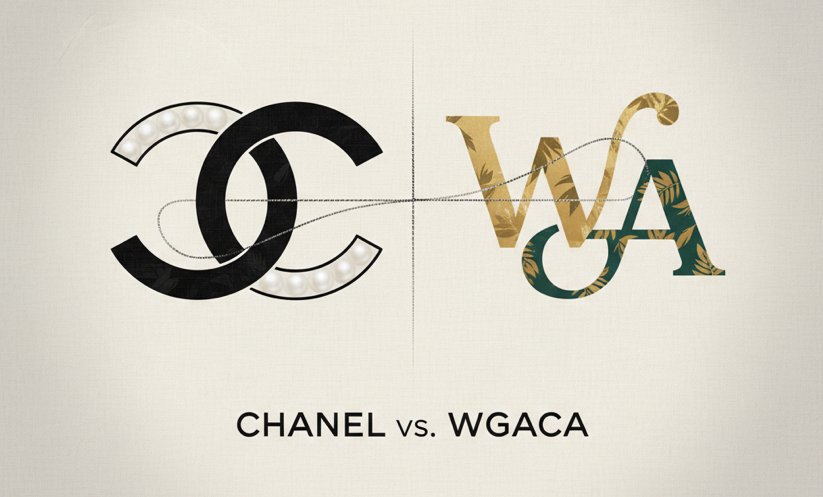
What makes something luxurious? Is it the brand’s name or the craftsmanship that attracts consumers? Authenticity combines the two, allowing consumers to own a piece of a maison’s legacy and savoir-faire. When purchasing a luxury item, consumers are investing not only in the name but also in the craftsmanship and heritage of the respective maison. This becomes particularly significant during the final stage of the production cycle: resale. Once the original consumer has finished using the item, it can begin a second life with someone who continues to value the craftsmanship and heritage of the brand. Rather than allowing the product’s life to end in landfill, resale offers an opportunity to extend its lifespan by passing it on to another owner.
The tension, and the pertinent point of the case between Chanel and WGACA, lies in the relationship between accessibility and authenticity. As the resale market makes luxury goods accessible to consumers who might not otherwise have the means or inclination to acquire a Chanel bag, the question arises as to whether the maison’s reputation is being compromised, particularly with the rise of counterfeit items. The Chanel v. What Goes Around Comes Around lawsuit, therefore, illustrates that reselling a luxury product involves more than transferring ownership; it raises questions about trademark protection, authenticity, and the commercial use of a maison’s identity.
Who is What Goes Around Comes Around?
What Goes Around Comes Around (WGACA) describes itself as “the premier purveyor of the finest luxury vintage accessories and apparel from around the world” and has established itself as a prominent name in the luxury resale market. WGACA also details its commitment to the “authenticity of all products sold”. In order to assure authenticity, “WGACA employs a team of in-house experts who authenticate all goods before they are sold”. However, consumers were led to believe that their ‘in-house’ experts were experts in Chanel, thus creating a false narrative. Due to this, in 2020, as a result of this lawsuit, WGACA implemented the following disclaimer on its website: “WHAT GOES AROUND COMES AROUND IS NOT AN AUTHORIZED RESELLER NOR AFFILIATED WITH ANY [sic] THE BRANDS WE SELL”. This illustrates how the dispute prompted changes to the way the company presented its relationship with the brands it resells. It also raises a wider question about the implications of the case for the luxury resale market and the balance between protecting a maison’s identity and allowing its products to circulate beyond the original sale. While many consumers aspire to own a piece of the maison, its exclusivity can make this difficult to attain. This is where WGACA provides an alternative, offering consumers the opportunity to acquire their dream bag through the luxury resale market.
The Lawsuit: Chanel v WGACA
In 2018, Chanel filed a lawsuit against WGACA, alleging four counts: “trade mark infringement, unfair competition, false advertising and the sale of counterfeit products”. This illustrates the question of whether the value of a designer item lies in the name alone or in the authenticity surrounding it. The former allows counterfeit products to stake their claim, as they offer consumers the name without necessarily providing the genuine product. Authenticity, however, embodies the craftsmanship and heritage that many consumers and devoted followers of a brand value.
FLJ Insider Pro is open: live fashion law jobs and internships, five career guides and two roadmaps. Early bird USD 12/month. See what's inside
Counterfeit Serial Numbers
Some of the bags appearing on WGACA’s website allegedly contained counterfeit Chanel serial numbers that had been stolen following a theft at a Chanel supplier’s factory in Italy in 2012. This added another dimension to the case: should WGACA be held liable for selling items bearing these serial numbers? This raises questions about ownership and whether WGACA was at fault for possessing and reselling these items. Furthermore, Chanel alleged that WGACA had sold other unauthorised Chanel items, including more than 750 props that were never intended or authorised for sale.
False Affiliation Claim
Alongside its trademark and authenticity claims, Chanel also alleged that WGACA had misled customers by creating an affiliation with Chanel that did not exist. Examples included the discount code “COCO10” and the use of phrases attributed to the maison’s founder, Gabrielle “Coco” Chanel, on its website. This conduct was alleged to constitute deceptive practices and false advertising under Sections 349 and 350 of New York’s General Business Law. These marketing practices allegedly suggested a false affiliation, potentially leading consumers to believe that the resale platform had joined forces with one of the most iconic luxury maisons, when no such partnership existed. This false partnership extended to advertisements such as “WGACA CHANEL – 100% Authenticity Guaranteed,” “#WGACACHANEL” and the annual “Coco Chanel Birthday Sale.” In turn, this could create a misleading impression that the products were officially associated with or endorsed by Chanel. While such marketing details might appear minor, they can influence consumers’ perceptions of a product’s authenticity and the legitimacy of the retailer selling it.
Chanel v WGACA: Case Conclusion
The case culminated in a ruling granting Chanel’s motion, holding WGACA liable for trademark infringement in WGACA’s sales of point-of-sale items, eleven non-Chanel handbags sold as having been authorized for sale by the Renato Corti factory, and one CHANEL-branded handbag with a pirated serial number. Due to this ruling, WGACA was found liable “on all counts, awarding Chanel $4 million in statutory damages”.
How This Lawsuit Affects The Resell Space
To conclude, the allure of a brand comes from the authenticity that combines craftsmanship with the name of the maison. The resale platform creates a more inclusive environment for consumers, while also allowing the reputation and heritage of the maison to endure beyond the original sale. This case demonstrates that the right to resell does not remove the obligation to comply with trademark and other applicable laws, which help protect consumers from counterfeit products and misleading commercial practices. Furthermore, with this case, brands have been urging for stronger IP rights to protect their craftsmanship. It also highlights the power that maisons have with regard to their IP and copyrights; as such, this case shows other reselling platforms the importance of careful advertising, authenticating products, and maintaining the integrity of inventory to weed out counterfeit items. This entails this question: if a luxury maison creates the product, establishes its reputation, and gives it value, how much control should it retain once that product enters a market it does not own? This entails ensuring that both the maison and the consumer have strong enough rights, and measures that proactively protect both brands and consumers. I believe that both the original and the reselling platforms can exist in harmony with one another, with “a more secure and trustworthy market benefitting both sides of the transaction.”
Author: Claudia Limaverde Costa
 Claudia is a third-year Philosophy student, studying at King’s College London, with an admiration for fashion. This is shown by her active participation in her university magazine, STRAND Magazine. Her interest in fashion law stems from her enthusiasm for brand transparency as well as laws surrounding the protection of consumers.
FASHION LAW JOURNAL INSIDER
Join designers, brand founders and fashion lawyers who get the biggest brand battles, IP fights and career moves in fashion law, straight to their inbox.