
Less than a year after its first Digital Services Act penalty, the European Commission has issued three, worth €870 million in total, and two of them hit the online marketplaces where millions of Europeans buy cheap clothes, shoes and accessories. On 17 November 2026 it went further, with fresh preliminary findings against Temu. This case study sets out every DSA fine so far, what each platform did wrong, what happens next, and what the decisions mean for fashion brands fighting counterfeits and unsafe products online.
Short answer: As of 26 November 2026, the Commission has fined three platforms under the Digital Services Act: X (€120 million, December 2025), Temu (€200 million, May 2026) and AliExpress (€550 million, July 2026). The marketplace fines concern failures to assess and reduce the risk of illegal, unsafe or counterfeit products. Fines can reach 6% of worldwide annual turnover.
Key takeaways
- The Commission has issued three DSA fines totalling €870 million, against X, Temu and AliExpress; the two marketplace fines both concern illegal products.
- Temu faces a second case: on 17 November 2026 the Commission preliminarily found its product checks, moderation and seller sanctions ineffective.
- Shein has been under formal investigation since 17 February 2026, and Zalando lost its challenge to being designated a very large online platform.
- For brands, the decisions put pressure on marketplaces to vet sellers, act on notices and punish repeat infringers, which strengthens anti-counterfeiting work.
How do Digital Services Act fines work?
The DSA, Regulation (EU) 2022/2065, sets rules for online intermediaries in the EU. The strictest duties apply to platforms with at least 45 million average monthly active users in the EU, which the Commission designates as very large online platforms (VLOPs). Fashion-heavy marketplaces on that list include AliExpress and Zalando (designated in April 2023), Shein (26 April 2024) and Temu (31 May 2024).
For VLOPs, the Commission itself investigates and enforces. The usual path is: formal proceedings, then preliminary findings, then a non-compliance decision under Article 73. According to the Commission’s DSA enforcement page, it can impose:
FLJ Insider Pro is open: live fashion law jobs and internships, five career guides and two roadmaps. Early bird USD 12/month. See what's inside
- Fines of up to 6% of the platform’s total worldwide annual turnover in the previous financial year (Article 74), or up to 1% for supplying incorrect or misleading information;
- Periodic penalty payments of up to 5% of average daily worldwide turnover for each day of delay in complying (Article 76); and
- Interim measures where there is a risk of serious damage to users, and, as a last resort, a request to a national court to suspend the service temporarily.
Where the breach concerns the VLOP risk rules, Article 75 adds “enhanced supervision”: the platform must submit an action plan, the European Board for Digital Services gives an opinion, and the Commission decides whether the plan is enough. Two VLOP duties matter most for marketplaces: Article 34, which requires platforms to “diligently identify, analyse and assess” systemic risks such as the spread of illegal content, and Article 35, which requires “reasonable, proportionate and effective” measures to reduce those risks.
Why was X the first platform fined under the DSA?
On 5 December 2025, the Commission fined X €120 million in the first DSA non-compliance decision. It found three transparency breaches:
- Deceptive design (Article 25(1)): anyone could pay for a “verified” blue checkmark without X meaningfully verifying who was behind the account, exposing users to impersonation scams.
- Advertising repository (Article 39): X’s ad library lacked key information, such as the content and topic of ads and who paid for them, and was hard to use.
- Researcher data access (Article 40(12)): X’s terms barred eligible researchers from independently accessing public data, including by scraping.
X had 60 working days to explain how it would fix the checkmark issue and 90 working days to submit an action plan on the other two. X has challenged the decision at the EU General Court. The case is not about fashion, but the deceptive design ruling matters to anyone selling online, because Article 25 applies to all online platforms, including shopping apps and marketplaces.
Why was Temu fined €200 million?
On 28 May 2026, the Commission fined Temu €200 million because it “failed to diligently identify, analyse, and assess the systemic risks of illegal products being offered on its platform”. The Commission said EU consumers are “very likely to encounter illegal items on Temu”, and that Temu’s 2024 risk assessment:
- relied on general information about e-commerce instead of evidence about Temu’s own service;
- seriously underestimated how often consumers meet illegal items, while a mystery shopping exercise found that a very high percentage of tested chargers failed basic safety tests and a high percentage of baby toys posed medium to high safety risks; and
- ignored how its recommender systems and promotion by affiliated influencers could spread illegal products.
The investigation had opened on 31 October 2024, with preliminary findings in July 2025. Temu had until 28 August 2026 to submit an action plan, which the Commission approved in October 2026.
The fine covered only the risk assessment. On 17 November 2026, the Commission preliminarily found that Temu also breaches Article 35 because its measures to reduce the risk are ineffective. The Commission’s concerns include that Temu asks sellers for test reports on only a very small share of products and often does not check them, does not prioritise high-risk categories such as toys, electronics and cosmetics for physical checks, and has not grown its human moderation team in line with listings. Its sanctions also target individual stores rather than the trader behind them, so a trader whose store is closed “can therefore keep selling through its other stores”. Temu can now respond. If the findings are confirmed, a second fine of up to 6% of worldwide turnover is possible. FLJ’s guide to whether Temu is legit covers what this means for shoppers.

Why did AliExpress receive the largest DSA fine?
AliExpress’s case went in two stages. On 18 June 2025, the Commission made commitments binding on issues including its notice and action mechanism for flagging illegal products, internal complaints, advertising and recommender transparency, the traceability of traders and researcher data access, with an independent monitoring trustee reporting annually. Any breach of those commitments is itself a breach of the DSA. On the same day, it preliminarily found that AliExpress’s risk assessment ignored the limited resources devoted to moderation, that it failed to enforce its penalty policy against traders who repeatedly post illegal content, and that its proactive moderation showed “systemic failures”.
On 20 July 2026, the Commission fined AliExpress €550 million for failing to assess and mitigate the risks of “illegal, unsafe or counterfeit products”. The Commission said the infringements ran at least until June 2025 and that it took into account mitigating circumstances such as the novelty of the DSA. AliExpress had until 20 October 2026 to submit an action plan. FLJ’s article on whether AliExpress is legit looks at the counterfeit risk in more detail.
Every Digital Services Act fine so far
| Platform | Decision date | Fine | Breach | Status |
|---|---|---|---|---|
| X | 5 December 2025 | €120 million | Deceptive blue checkmark, ad repository, researcher data access | Challenged at the General Court |
| Temu | 28 May 2026 | €200 million | Inadequate assessment of risks from illegal products | Action plan approved October 2026; separate preliminary findings on mitigation, 17 November 2026 |
| AliExpress | 20 July 2026 | €550 million | Failure to assess and mitigate risks from illegal, unsafe or counterfeit products | Action plan due 20 October 2026; commitments binding since June 2025 |
| Total | €870 million |
Sources: European Commission press releases IP/25/2934, IP/26/1178, IP/26/2463, IP/25/1551 and the AliExpress decision announcement of 20 July 2026.
Has Shein been fined under the Digital Services Act?
Not yet. On 17 February 2026, the Commission opened formal proceedings against Shein covering three areas: its systems to limit the sale of illegal products, including content that could constitute child sexual abuse material such as child-like sex dolls; the risks of addictive design, including points or rewards for engagement; and the transparency of its recommender systems. The Commission had sent Shein requests for information in June 2024, February 2025 and November 2025. Ireland’s Digital Services Coordinator, Coimisiún na Meán, is associated with the investigation. The DSA sets no deadline for ending proceedings. FLJ’s explainer on Shein’s Digital Services Act duties covers the case in depth.
Zalando took a different route and went to court over whether the strictest rules should apply to it at all. On 3 September 2025, the General Court dismissed Zalando’s challenge (Case T-348/23). It held that Zalando is an online platform where third-party sellers sell through its Partner Programme, though not for its own retail sales, and that because Zalando could not separate users exposed to partner listings from the rest, the Commission could count all of its more than 83 million monthly users. Zalando has appealed to the Court of Justice (Case C-724/25 P).
What do DSA fines mean for fashion brands and sellers?
The marketplace cases are about illegal products in general, but counterfeit clothing, shoes and accessories are a large part of that category, as FLJ’s report on why fake luxury peaks every December shows. Several points follow for brand owners:
- Notices have to work. Article 16 requires hosting services to let “any individual or entity” report illegal content electronically. A brand that files precise, well-substantiated notices with exact URLs gives the platform little room to ignore them.
- Trusted flagger status. Under Article 22, notices from trusted flaggers must be processed with priority. The status is awarded by the Digital Services Coordinator where the applicant is established, to bodies with expertise that are independent of platforms.
- Seller identity. Article 30 requires marketplaces to collect a trader’s name, address, contact details, identity document, payment account details and a self-certification of compliance before the trader can sell to EU consumers. That information supports enforcement against repeat counterfeiters.
- Repeat infringers. Both the AliExpress and Temu findings criticise weak sanctions against repeat offenders, including store-level rather than trader-level bans. Expect platforms to tighten seller suspension rules, which helps brands but also raises compliance demands on legitimate resellers.
- Product evidence. The Temu findings focus on test reports and physical checks. Brands selling through marketplaces should expect more requests for safety and compliance documentation.
The DSA is not the only pressure. FLJ’s guide to the proposed Digital Fairness Act explains the separate consumer law rules on dark patterns and fake urgency now under discussion in Brussels.
This article is general information on EU law as of 26 November 2026. It is not legal advice. Preliminary findings do not prejudge the final outcome, and decisions may be changed on appeal.
Frequently asked questions
How many companies have been fined under the Digital Services Act?
Three, as of 26 November 2026: X (€120 million, December 2025), Temu (€200 million, May 2026) and AliExpress (€550 million, July 2026). Together the fines total €870 million.
What is the maximum fine under the DSA?
Up to 6% of a provider’s total worldwide annual turnover in the previous financial year, plus periodic penalty payments of up to 5% of average daily worldwide turnover for each day of continued non-compliance.
Why was Temu fined under the DSA?
For a risk assessment that underestimated how often EU consumers meet illegal products on Temu. On 17 November 2026 the Commission also preliminarily found its measures to reduce that risk ineffective.
Why was AliExpress fined €550 million?
The Commission found that AliExpress failed to assess and mitigate the risk of illegal, unsafe or counterfeit products being sold on its platform, in breaches that ran at least until June 2025.
Has Shein been fined under the DSA?
No. The Commission opened formal proceedings on 17 February 2026 covering illegal products, addictive design and recommender transparency. No preliminary findings or fine had been announced by 26 November 2026.
Who enforces the Digital Services Act?
The European Commission enforces the rules for very large online platforms and search engines. National Digital Services Coordinators supervise other providers and help the Commission monitor the largest platforms.
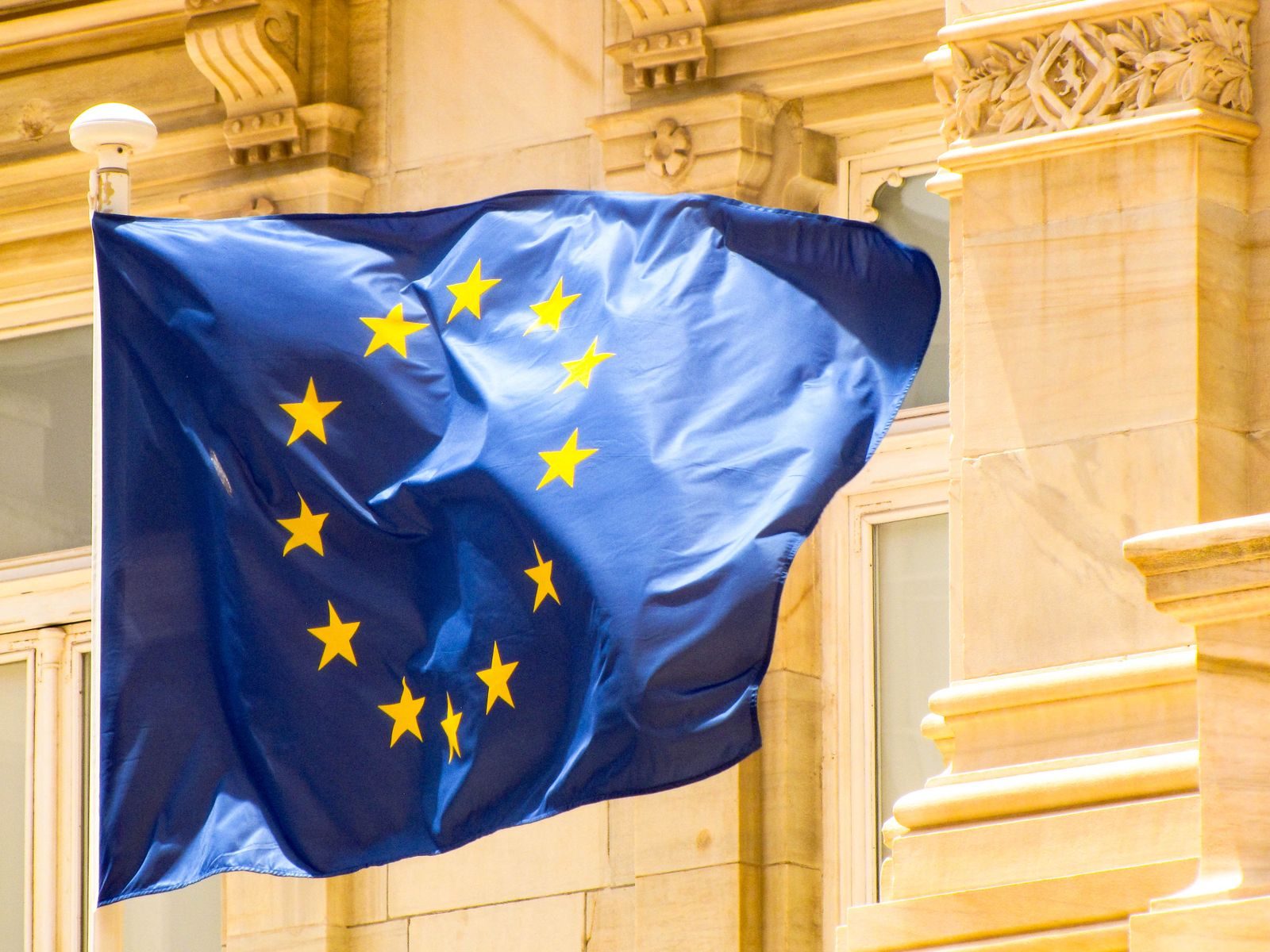
Featured image: Photo: Daniel Kružík via Pexels
FASHION LAW JOURNAL INSIDER
Join designers, brand founders and fashion lawyers who get the biggest brand battles, IP fights and career moves in fashion law, straight to their inbox.