
Many counterfeit disputes with online marketplaces follow the same script: the platform says it is a neutral host, points to its takedown system and walks away. Estée Lauder’s lawsuit against Walmart is trying a different route. Filed in Los Angeles in February 2026 and allowed to proceed in September, it argues that Walmart is effectively the seller of fake La Mer, Tom Ford, Le Labo and Clinique products listed by third parties on Walmart.com. Here is what the case claims, what the judge has decided so far, and how it connects to the wider question of who controls where a beauty or fashion brand is sold, including grey market goods.
Short answer: Estée Lauder Inc. and affiliated brand companies sued Walmart Inc. in the US District Court for the Central District of California on 9 February 2026, alleging trademark and trade dress infringement over counterfeit and other non-genuine products sold by marketplace sellers. In September 2026 Judge Hernán Vera refused Walmart’s bid to narrow the case to 17 tested products, so it moves into discovery.
Key takeaways
- The case is Estée Lauder Inc. et al. v. Walmart Inc. et al., No. 2:26-cv-01341, in the Central District of California. The brands named include Estée Lauder, Clinique, La Mer, Aveda, Tom Ford and Le Labo.
- The central theory is vicarious trademark infringement: that Walmart selects sellers and handles checkout, payment, branding and returns, so shoppers reasonably see Walmart as the seller.
- Walmart says it has “zero tolerance” for counterfeits. It asked the court to limit the case to the 17 products Estée Lauder had tested; the judge called that request “unjustified at this stage”.
- For brands, the case is a test of whether a marketplace that behaves like a retailer can be held to a retailer’s standard, beyond the notice-and-takedown model set by Tiffany v. eBay.
What is Estée Lauder v Walmart about?
The complaint was filed on 9 February 2026 against Walmart Inc. and a group of marketplace sellers sued under fictitious names. According to Retail Dive’s report of the filing, Estée Lauder alleges that counterfeit versions of its products were sold through Walmart’s third-party marketplace, that the way Walmart discloses sellers on listings leads shoppers to believe Walmart is the seller, and that because Walmart vets sellers, it “permitted and selected” the ones selling the accused goods. The complaint includes photos of the allegedly fake products.
The products at issue reach across the Estée Lauder Companies portfolio: Le Labo and Tom Ford fragrances, Estée Lauder Advanced Night Repair, Aveda hair tools, and La Mer and Clinique skincare. The trade dress claims focus on packaging, such as Tom Ford’s rectangular bottles and monochrome labels. Estée Lauder also alleges that its trade marks were used in search engine optimisation tools to drive traffic to the listings.
FLJ Insider Pro is open: live fashion law jobs and internships, five career guides and two roadmaps. Early bird USD 12/month. See what's inside
What claims has Estée Lauder brought?
An analysis in the UC Law Review sets out the counts. The table below summarises them.
| Claim | Legal basis | What Estée Lauder must show |
|---|---|---|
| Trade mark infringement | Lanham Act | Use of its marks on non-genuine goods likely to confuse buyers |
| False designation of origin | Lanham Act | Listings misrepresent where the products come from |
| Trade dress infringement | Lanham Act | Copied packaging and bottle designs that identify the brands |
| Vicarious trade mark infringement | Federal case law | Walmart and the sellers act in a partnership-like way, or Walmart controls the infringing sales |
| Common law infringement and unfair competition | State common law | Passing off and unfair trading by the defendants |
The relief sought is broad: an order stopping Walmart from importing, selling and advertising the accused products, damages, an accounting of Walmart’s profits from the sales, disclosure of the suppliers or manufacturers behind the goods, and a jury trial. The supplier disclosure request matters in practice. Marketplace counterfeit cases often stall because the real sellers are offshore and hard to identify, and an order requiring the platform to reveal its supply data can be worth more than a damages award.

Why not sue for contributory infringement under Tiffany v eBay?
Because the leading case makes that hard to win. In Tiffany (NJ) Inc. v. eBay Inc., decided by the Second Circuit on 1 April 2010, Tiffany argued that eBay knew counterfeit Tiffany jewellery was widely sold on its site. The court held that general knowledge was not enough: a service provider is contributorily liable only if it knows or has reason to know of specific infringing listings and keeps supplying its service to them. eBay removed listings when notified and suspended repeat sellers, so it escaped liability. That ruling is the foundation of notice and takedown in US marketplace law.
The UC Law Review analysis notes that Estée Lauder does not plead a standalone contributory claim. Instead it leans on vicarious liability, which does not turn on knowledge of particular listings. The argument is that Walmart is not a passive venue like eBay was in 2010. It picks its sellers, runs the checkout, takes the payment, puts its own branding around the transaction and handles returns, so to the shopper the purchase looks like a Walmart sale. If that theory works, a marketplace that chooses to behave like a retailer could be treated like one. FLJ’s guide on who is liable for fakes on resale platforms explains why the platform’s role in the sale is so often the deciding factor.
What has the court decided so far?
Walmart moved to dismiss much of the case. At a hearing on 20 August 2026, the judge said he was sceptical of the motion and described the complaint as “chock full of detail”, Law360 reported. Walmart’s main argument was scope: Estée Lauder had tested 17 products and identified them as counterfeit, and Walmart said the case should be limited to those, because there was not enough evidence linking it to untested goods listed by marketplace vendors.
Judge Hernán Vera rejected that request, calling partial dismissal “unjustified at this stage”, according to reports published on 11 September 2026. As Global Cosmetics News summarised, Estée Lauder can now seek discovery on a broader range of allegedly non-genuine goods. That is a procedural win, not a finding of liability. The case now moves into document exchange about Walmart’s seller vetting, listings and sales data, and no trial date had been reported by the end of October 2026.
How are counterfeit, grey market and non-genuine goods different?
The ruling’s reference to “non-genuine” goods is where grey market questions come in. Brands use three overlapping labels, and the law treats them differently.
- Counterfeits are fakes bearing a copy of the brand’s mark. They are unlawful almost everywhere.
- Grey market goods are real products, made by or for the brand, sold through channels the brand did not authorise, often imported from another market where they were cheaper.
- Non-genuine goods is the US legal term for products that carry the real mark but are not what the brand sells, because they differ materially from the authorised version or have escaped its quality controls.
In the US, reselling a genuine, unaltered product is generally lawful under the first sale principle. But courts treat a product as not genuine if it differs materially from the authorised one. Beauty brands have used this to fight diverted stock. In Zino Davidoff SA v. CVS Corp. (2d Cir. 2009), the court upheld an injunction against a retailer selling Cool Water fragrance with its unique production codes removed, because the codes were part of a legitimate quality control system used to detect fakes and trace defects. A grey market seller that strips batch codes, sells expired stock or changes packaging can therefore face trade mark liability even though the product inside is real.
In the EU, the rule is exhaustion. Under Article 15 of the EU Trade Mark Regulation, a brand cannot stop further sales of goods it or someone with its consent first put on the market in the European Economic Area, unless it has legitimate reasons, such as the condition of the goods being changed or impaired. Goods first sold outside the EEA can still be blocked if imported without consent. Together with selective distribution, which FLJ explains in why luxury brands can choose who sells them, this gives European brands more control over grey imports than US brands have.
What does the case mean for fashion and beauty brands?
The outcome is not yet known, but the strategy is worth studying.
- Build the evidence first. The 17 products Estée Lauder tested gave the complaint the detail the judge noticed. Documented test purchases, with lab or authentication reports, are the backbone of any marketplace case.
- Document your quality controls. Batch codes, authorised distributor lists and shelf-life rules are what turn a grey market problem into a non-genuine goods claim under the Davidoff approach.
- Look at how the platform presents the sale. Who appears as seller, who takes payment and who handles returns may decide whether a platform can be treated as more than a host.
- Use the takedown tools as well. Programmes such as Amazon Brand Registry remain the fastest fix for individual listings, and a record of ignored or slow takedowns strengthens any later claim.
- Know the line between fakes and lookalikes. Trade dress claims over bottles and packaging overlap with dupe disputes; FLJ’s guide to dupes vs counterfeits explains where that line sits.
Frequently asked questions
Why is Estée Lauder suing Walmart?
Estée Lauder alleges that counterfeit and other non-genuine versions of products from brands including La Mer, Tom Ford, Le Labo, Clinique, Aveda and Estée Lauder were sold by third-party sellers on Walmart.com, and that Walmart is liable because it selects those sellers and presents the sales as its own.
Where was the Estée Lauder v Walmart case filed?
In the US District Court for the Central District of California, on 9 February 2026. The case number is 2:26-cv-01341, and it is assigned to Judge Hernán Vera. The defendants are Walmart Inc. and a group of marketplace sellers sued under fictitious names because their identities were not yet known.
Did Walmart win its motion to dismiss?
No. Walmart asked the court to limit the case to the 17 products Estée Lauder had tested and confirmed as counterfeit. In September 2026 Judge Vera called that request unjustified at this stage, allowing Estée Lauder to pursue discovery on a broader range of allegedly non-genuine goods sold on the marketplace.
Is selling grey market beauty products illegal in the US?
Not automatically. Reselling genuine, unaltered products is generally lawful. But if the goods differ materially from the authorised version, for example because batch codes were removed or packaging changed, courts can treat them as non-genuine, which exposes the seller to trade mark infringement claims, as in Zino Davidoff v. CVS.
What did Tiffany v eBay decide?
In 2010 the Second Circuit held that eBay was not contributorily liable for counterfeit Tiffany items because it lacked knowledge of specific infringing listings and removed listings when notified. General awareness that fakes were sold was not enough. The case set the notice-and-takedown standard that most US marketplaces rely on.
What happens next in the case?
The case is in discovery, where the parties exchange documents and data, likely including Walmart’s seller vetting records and sales of the accused products. Settlement is possible at any point. As of the end of October 2026, no trial date had been publicly reported and no court had found Walmart liable.
This article is general information, not legal advice. The allegations in the complaint have not been proven, Walmart says it has zero tolerance for counterfeit products, and the case is ongoing.
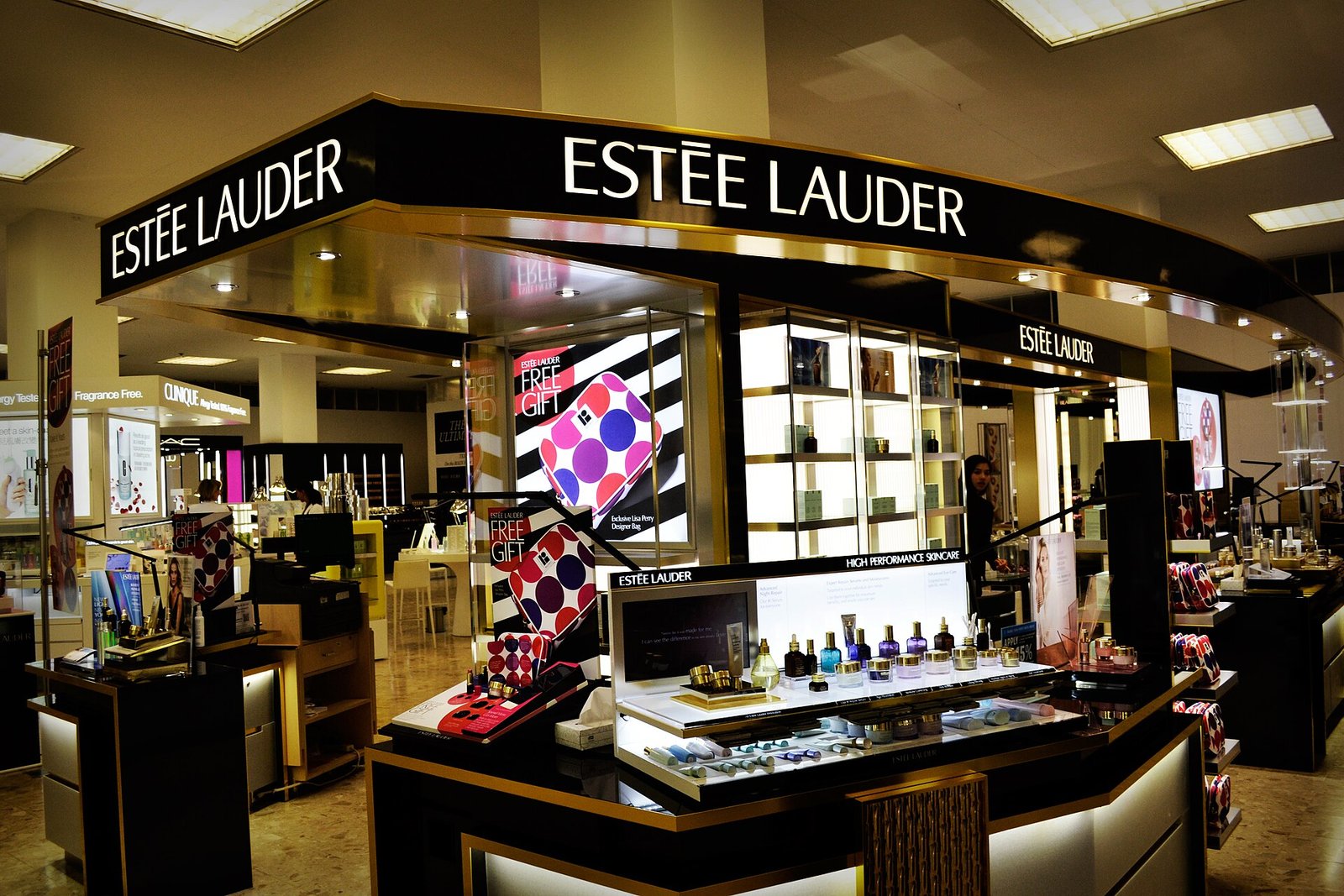
Featured image: Photo: bargainmoose via Wikimedia Commons, CC BY 2.0
FASHION LAW JOURNAL INSIDER
Join designers, brand founders and fashion lawyers who get the biggest brand battles, IP fights and career moves in fashion law, straight to their inbox.