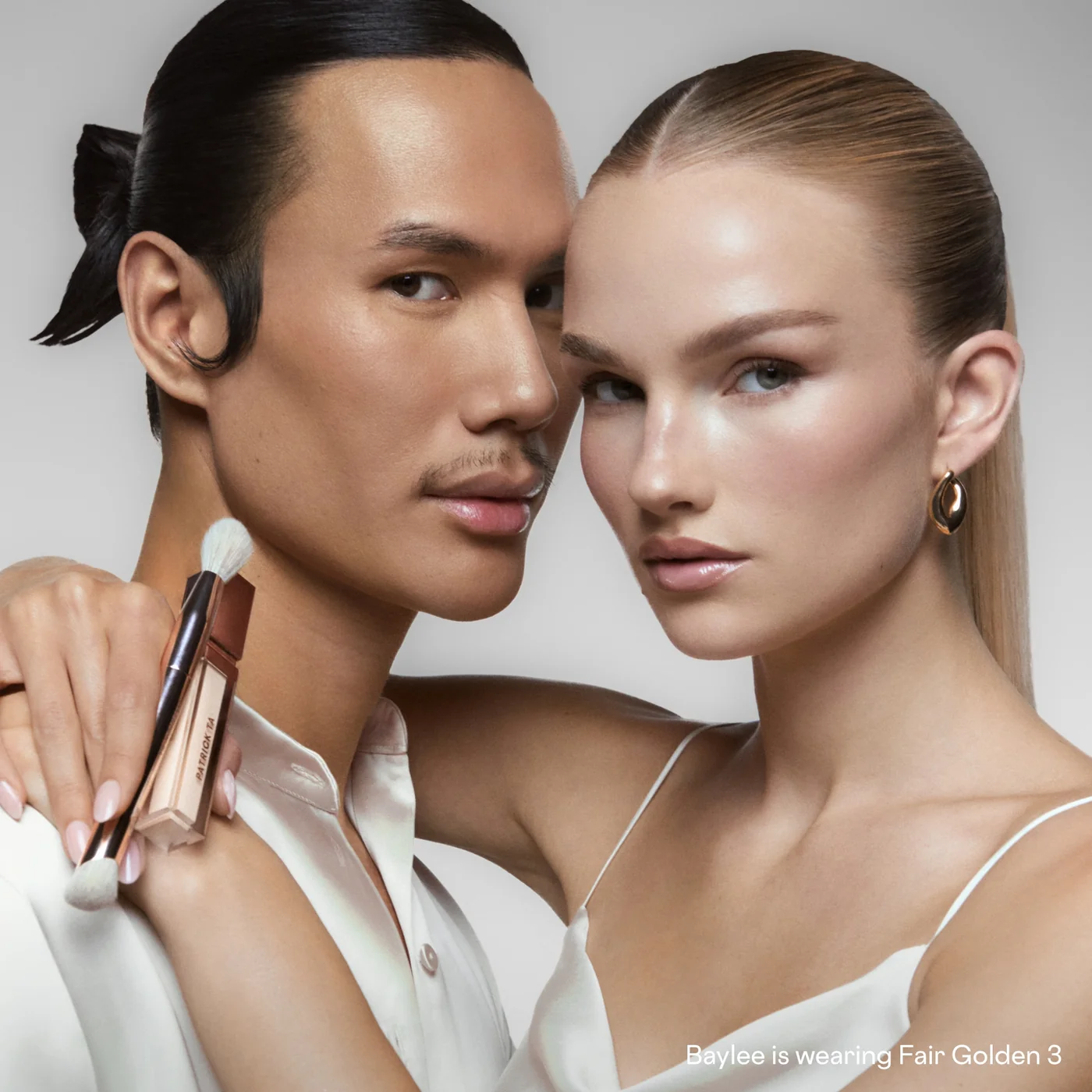
Finding prestige beauty products at a drugstore for a fraction of their usual retail price might seem like a win for shoppers. But for Patrick Ta Beauty, the appearance of its products on CVS shelves has turned into a legal dispute over distribution rights, trademark use, and brand control.
On 14 October 2026, Patrick Ta Beauty filed a lawsuit against CVS Pharmacy and distributor Akstrom Imports in the US District Court for the Southern District of California. The brand alleges that CVS sold and promoted its products without authorisation, potentially creating the impression that the retailer had an official relationship with the company. The case was first reported by Beauty Independent.
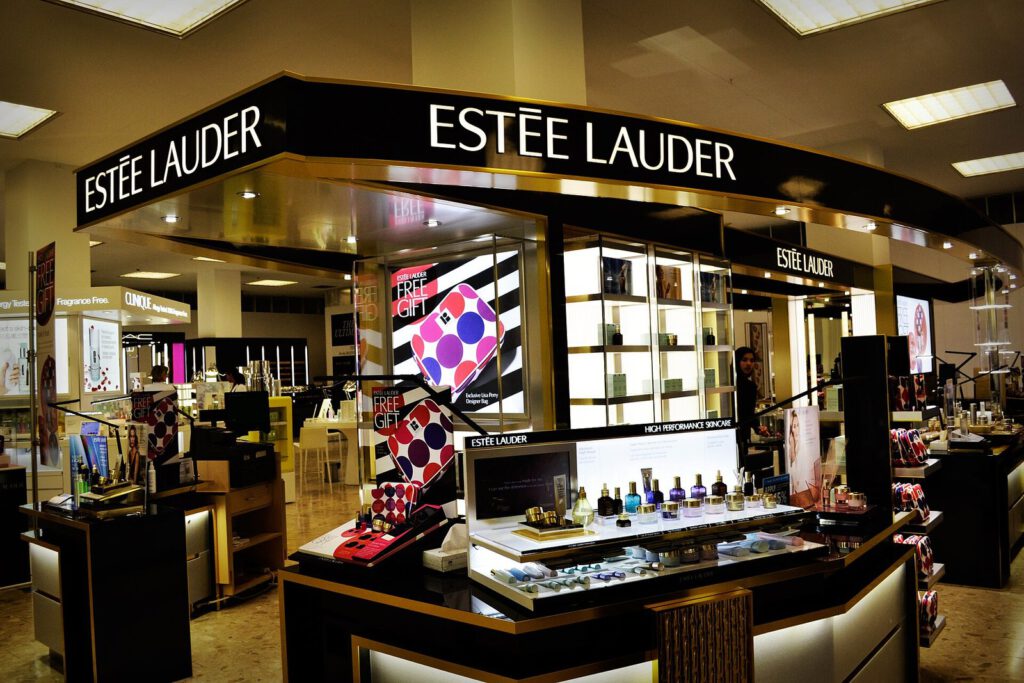
The lawsuit comes as CVS experiments with a new beauty retail concept, bringing products from premium brands into its stores at discounted prices. While the initiative offers shoppers access to products they might usually purchase through specialist retailers, it has raised questions about how prestige brands maintain control over where and how their products are sold.
How Patrick Ta Products Appeared at CVS
Patrick Ta Beauty has an exclusive retail partnership with Sephora, making the appearance of its products at CVS particularly significant for the brand. According to the complaint, the company discovered the sales in September 2026 and identified Akstrom Imports as the distributor supplying the products to CVS.
FLJ Insider Pro is open: live fashion law jobs and internships, five career guides and two roadmaps. Early bird USD 12/month. See what's inside
The retailer has been testing a program called Fresh Beauty Finds across approximately 2,000 stores. The initiative features a rotating selection of prestige beauty products, including brands such as Patrick Ta, MAC Cosmetics, Pat McGrath Labs, Laura Mercier and Drunk Elephant.
The program uses dedicated displays and promotional signage to introduce shoppers to products outside CVS’s usual beauty assortment. Its model resembles the discounted, limited-quantity shopping experience associated with off-price retailers.
The appearance of Patrick Ta products also attracted attention on social media. In one instance reported by Beauty Independent, a customer documented purchasing the brand’s Major Volume Plumping Lip Gloss for $8 after applying CVS coupons and rewards, compared with its regular $26 price at Sephora.
The brand had previously confirmed that CVS was not an authorised retailer of its products.
What Is Patrick Ta Beauty Alleging?
The lawsuit names both CVS Pharmacy and Akstrom Imports, alleging trademark infringement and unfair competition. Patrick Ta Beauty claims that the products were sold using its trademarks and that promotional materials, including in-store displays advertising its lip products, were created and supplied by Akstrom.
The company argues that the use of its branding in this retail environment could lead consumers to believe that the sales were approved or endorsed by Patrick Ta Beauty.
It also claims that products purchased through CVS are materially different from those sold through authorised channels. Its argument centres partly on the absence of the same warranty protections and customer service available to customers purchasing through authorised retailers.
According to the complaint details reported by Trademark Support, Patrick Ta Beauty sent a notice to CVS and Akstrom on 24 September 2026, asking them to stop the alleged infringement. The company claims that the defendants did not meaningfully respond.
Importantly, the lawsuit does not allege that the products sold at CVS were counterfeit. It also does not establish how Akstrom obtained the merchandise in the first place. The source of the products remains an important unanswered question.
Patrick Ta Beauty is seeking an injunction to stop the alleged infringement, monetary damages, and other relief. The complaint does not specify the amount of damages sought.
The Legal Question: Can a Retailer Resell Genuine Products?
One of the more complicated aspects of the case is the first-sale doctrine under US trademark law. Generally, a business that lawfully purchases genuine branded goods can resell them without needing separate permission from the trademark owner.
This means that an exclusive retail agreement between a brand and a retailer does not automatically prevent every third party from reselling genuine products. A distributor may be bound by contractual restrictions, but those restrictions do not necessarily extend to every retailer further down the supply chain.
However, the first-sale doctrine has limits. A resale may raise trademark concerns if the goods are materially different from those sold through authorised channels or if the retailer presents the products in a way that falsely suggests an official partnership.
Speaking to Inc. about the lawsuit, legal experts highlighted the importance of whether the alleged differences in warranty and customer service would be considered material to consumers purchasing cosmetics. The use of promotional displays that could imply brand authorisation may also become relevant.
This makes the case more complex than a straightforward disagreement over where products can be sold. The court will have to consider the nature of the merchandise, the way it was marketed and the legal relationship between the parties.
Why Other Beauty Brands Are Watching
The dispute extends beyond Patrick Ta Beauty. CVS’s Fresh Beauty Finds program includes several other prestige labels, meaning the outcome could attract attention from brands facing similar distribution challenges.
Prestige beauty companies invest heavily in controlling their retail environments, product presentation and customer experience. Where consumers purchase a product can influence their expectations around authenticity, returns, customer service and brand support.
There is also precedent for disputes involving prestige beauty products sold outside authorised channels. Beauty Independent’s legal analysis notes earlier cases involving Davidoff fragrances and Moroccanoil products, illustrating that disagreements over resale and brand control are not new to the industry.
For retailers, the case raises a different concern: the ability to source and resell genuine products without creating the impression that a brand has formally partnered with them.
A Bigger Question for the Beauty Industry
The popularity of discounted prestige beauty products has created opportunities for retailers to attract shoppers looking for familiar brands at lower prices. At the same time, it has made distribution more difficult for brands that rely on carefully managed retail partnerships.
Patrick Ta Beauty’s lawsuit places this tension before a US court. Its outcome may help clarify how trademark law applies when genuine branded products enter retail channels that the brand has not authorised, particularly when promotional displays and customer-service differences are also involved.
For now, the allegations remain to be tested in court. But the case has already raised an important question for the beauty business: how much control should a brand have over where its genuine products are resold, and where does that control end?
FASHION LAW JOURNAL INSIDER
Join designers, brand founders and fashion lawyers who get the biggest brand battles, IP fights and career moves in fashion law, straight to their inbox.