

Search for a fashion stylist salary and you will find confident numbers with no source. The honest position is messier. Neither the US nor the UK government publishes pay data for fashion stylists as such, most stylists are freelance and so fall outside the main wage surveys, and day rates are agreed job by job. This guide sets out what the official data does cover, which category actually holds stylists, the few published rates we could verify, and then the part that decides what a stylist takes home: the contract. It covers day-rate agreements, kill fees, usage, image rights and credit, payment terms and the freelancer laws in New York, California and the UK.
Short answer: There is no official fashion stylist salary. US labour data files fashion stylists under fashion designers, whose median pay was $80,960 in May 2025, but that figure leaves out the self-employed. In the UK, the National Careers Service puts photographic stylists at £23,000 to £32,000, and Prospects quotes £50 to £150 a day for freelance assistants.
Key takeaways
- In US government data, “fashion stylist” is a reported job title under Fashion Designers (SOC 27-1022), not an occupation of its own.
- US and UK wage surveys cover employees, so they miss the freelance stylists who do most editorial, commercial and celebrity work.
- Usage, kill fees and payment terms often matter more to a stylist’s income than the headline day rate.
- New York State requires a written contract for freelance work worth $800 or more, and California does so from $250.
Which official data covers fashion stylists?
In the US, the Bureau of Labor Statistics (BLS) sorts jobs by the Standard Occupational Classification, and there is no code for fashion stylists. O*NET, the Department of Labor’s occupation database, lists “Fashion Stylist” among the reported job titles for Fashion Designers, code 27-1022, next to titles such as costume designer and product developer. So a stylist employed by a brand or retailer is most likely counted there. Hair stylists sit in a separate category, Hairdressers, Hairstylists and Cosmetologists, and wardrobe staff in film and theatre usually fall under Costume Attendants, whose O*NET titles include wardrobe assistant and dresser but not stylist.
That matters because the fashion designer numbers are a proxy, not a stylist survey. The BLS Occupational Outlook Handbook says its pay figures do not include self-employed workers, and that 36% of fashion designers are self-employed. Freelance stylists are not in the median at all. In the UK, the National Careers Service has no fashion stylist profile. Its closest is the photographic stylist, who chooses clothes, props and backgrounds for shoots, works to a photographer’s or art director’s brief and dresses models. FLJ’s guide to fashion designer salary covers the designer side of the same data.
FLJ Insider Pro is open: live fashion law jobs and internships, five career guides and two roadmaps. Early bird USD 12/month. See what's inside
What is the average fashion stylist salary in the US and UK?
The table gathers every figure we could verify on 7 November 2026, with what each one actually measures. Read the “covers” column before comparing rows.
| Measure | Figure | Source | What it covers |
|---|---|---|---|
| US median pay | $80,960 a year, $38.92 an hour | BLS, May 2025 | Employed fashion designers, the category that includes fashion stylists |
| US lowest and highest 10% | Under $39,490; over $146,870 | BLS, May 2025 | Same group |
| US median by industry | Retail trade $43,020; management of companies $105,350 | BLS, May 2025 | Same group, by employer type |
| UK photographic stylist | £23,000 starter to £32,000 experienced | National Careers Service | Employed stylists on shoots |
| UK costume designer | £25,000 starter to £45,000 experienced | National Careers Service | Film, TV and theatre costume |
| UK employed stylists | About £18,000 to £20,000 junior; £23,000 to £30,000 senior | Prospects, July 2025 | All stylist types, given as a guide only |
| UK freelance assistant stylists | £50 to £150 a day, or about £11 to £15 an hour | Prospects, July 2025 | Freelance assistants |
| UK pay floor for workers aged 21 and over | £12.71 an hour from 1 April 2026 | GOV.UK | Workers, not the self-employed |
Two points stand out. Employer type moves the US figure a long way: the retail trade median is about half the overall median, and the median at management companies is higher still. And in the UK, Prospects gives the lower end of its hourly range for assistants as £11, which is below the £12.71 National Living Wage. That floor applies to employees and “workers”, not to people truly running their own business, so the status of an assistant who works set days under a lead stylist’s direction is worth checking. We found no credible published day rates for senior stylists in either country, so we have not quoted any.
Why do stylists earn so differently?
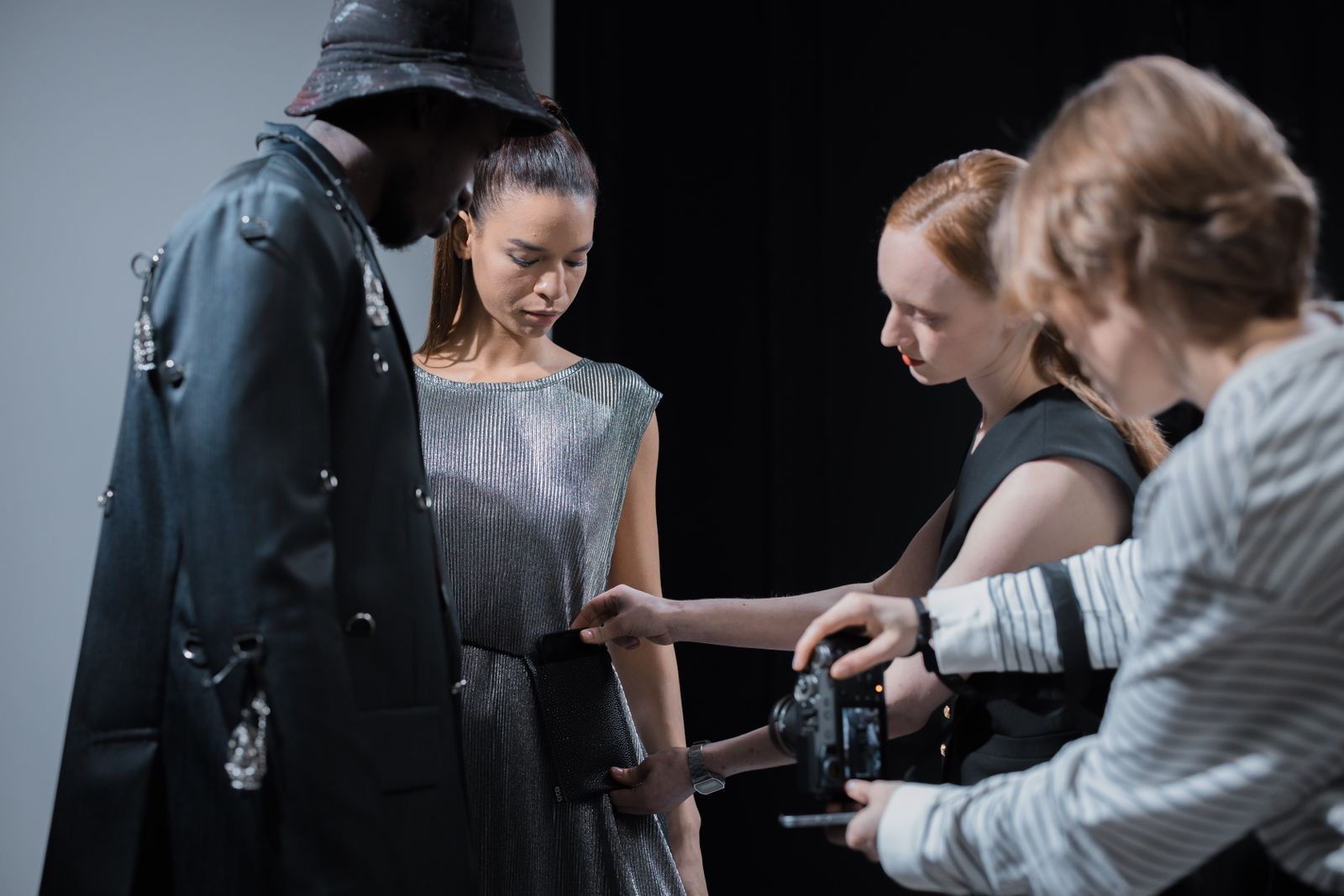
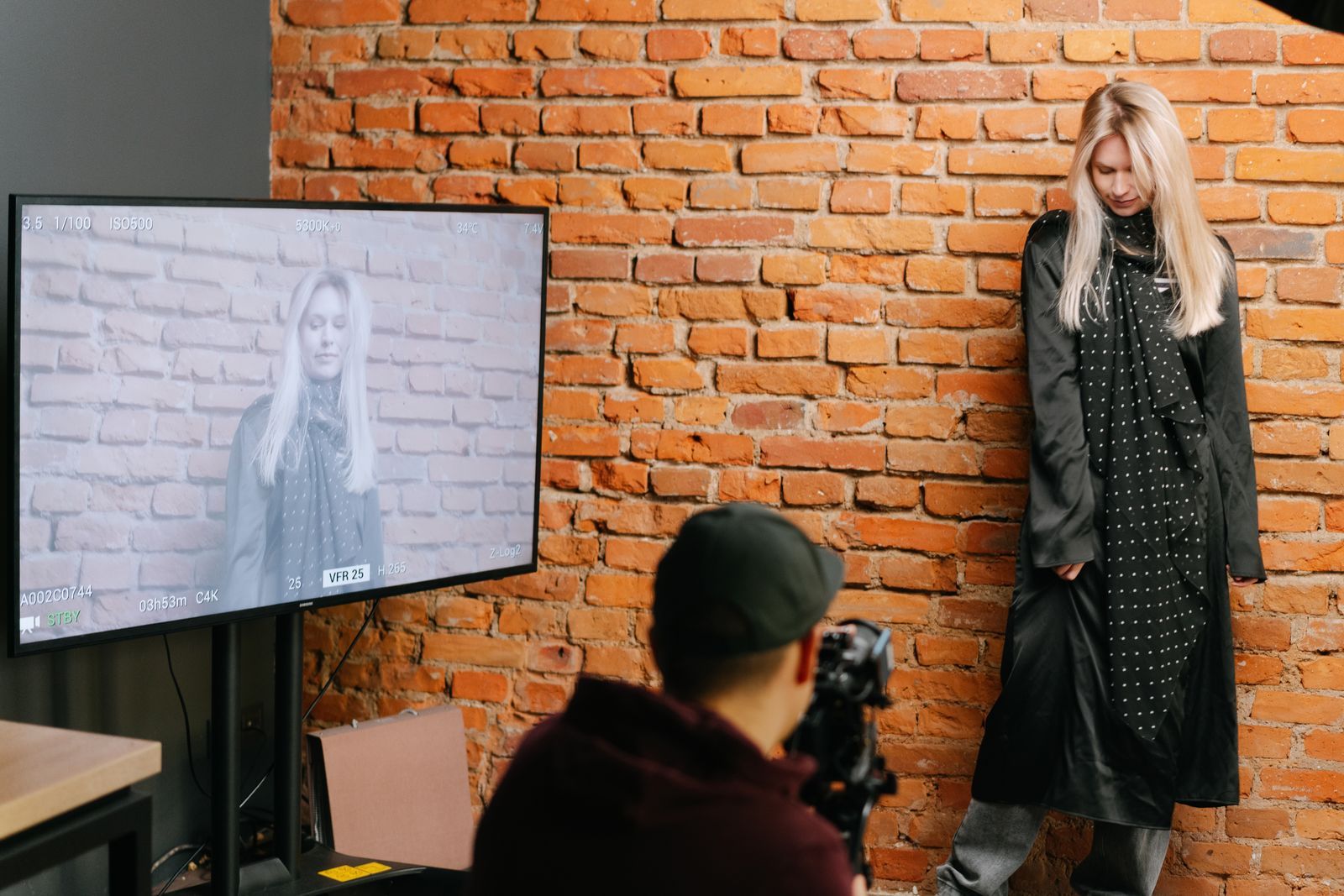
Styling covers very different jobs: personal shopping in a department store, e-commerce shoots that produce hundreds of images a day, editorial work for magazines, advertising campaigns, red-carpet dressing and wardrobe for film and television. Prospects lists catwalk, celebrity, e-commerce, personal, photographic, product, social media, still life and TV and film wardrobe styling as separate tracks. What a client plans to do with the pictures matters as much as the day itself, because commercial clients are buying the right to use images, which is where usage fees come in. Employer type matters too, as the BLS industry split shows.
The freelance model also means income is lumpy. A day rate covers the shoot, but styling needs prep days for pulling and shopping, a return day for sending samples back, and time to chase invoices. A stylist who bills only shoot days is working for free on the others. The pricing logic is similar to the one in FLJ’s influencer rate card calculator: count every day the job takes, then add usage on top.
What should a stylist’s day-rate agreement say?
A short written agreement, or a detailed booking confirmation, should cover these terms before the first sample is pulled.
- Scope and days: shoot days, prep days and return days, each priced, plus the length of a day and the overtime rate after it.
- Kit and expenses: any kit fee, couriers, travel and shopping budgets, and whether the client pays suppliers directly or reimburses the stylist within a fixed time.
- Samples and loss: who is responsible for loaned or bought clothing that is lost or damaged on set, and who insures it. A stylist should not carry that risk by default.
- Cancellation and kill fees: a percentage of the fee if the client cancels late, rising as the shoot gets closer, and full payment for days already worked.
- Usage: what the client may do with the images, in which media, territory and period, with a further fee for wider or longer use.
- Credit: how the stylist is credited in print, online and on social media, and what happens if the credit is left off.
- Payment: the amount, the invoice process and a due date, with interest for late payment.
Many of these clauses mirror those in FLJ’s guide to freelance designer contracts, and the pay and booking structure is close to the one models work under, set out in our comparison of commercial and fashion modelling.
Who owns the images, and what about the stylist’s name?
A stylist shapes the look, but copyright in the photographs usually belongs to the photographer or, by contract, to the brand that commissioned them. A stylist rarely owns the images, which is why usage is negotiated as a fee and not as a licence the stylist grants. Two rights are still worth writing in. The first is portfolio use: the right to show the published images on the stylist’s own website and social accounts, which some brand contracts restrict. The second is the use of the stylist’s own name and image. If a brand wants to name the stylist in a campaign, feature them in behind-the-scenes content or present them as an ambassador, that is a separate endorsement and should be paid and approved as one. FLJ’s guides to who owns shoot photos and personality rights cover the underlying law.
Which freelancer laws protect stylists?
Several laws now require the paperwork that protects a freelance stylist. They apply to people in business on their own account, and none of them sets a minimum rate.
- New York State: the Freelance Isn’t Free Act took effect on 28 August 2024. Where a freelancer earns $800 or more over 120 days, the hiring party must give a written contract with the services, rate and payment date. Payment is due on that date or within 30 days of completion, and remedies include double damages, according to Vedder Price. New York City’s own version has applied since 15 May 2017.
- California: SB 988, the Freelance Worker Protection Act, has applied since 1 January 2025 to freelancers paid $250 or more over 120 days. It requires a written contract, payment by the agreed date or within 30 days of completion, and four years of record keeping, Littler explains. It also bars making timely payment conditional on accepting less.
- UK late payment: between businesses, a bill with no agreed date is late 30 days after the invoice or the work, whichever is later. A stylist can then claim statutory interest of 8% plus the Bank of England base rate and fixed recovery costs of £40, £70 or £100, by debt size, under the government’s late payment rules.
- UK IR35: the off-payroll rules matter only if a stylist works through their own limited company. A medium or large client must then decide whether the stylist would be an employee if engaged directly, and issue a status determination statement, under HMRC’s guidance. A small client leaves that decision to the stylist’s company. Most stylists trade as sole traders, where the question is simply employment status for tax, which HMRC’s CEST tool assesses.
The size test for IR35 in that guidance, as read on 7 November 2026, treats a client as medium or large if it meets two of: turnover over £10.2 million, balance sheet over £5.1 million, or more than 50 employees. Check the current thresholds before relying on them.
How can a stylist raise their rate?
Price the whole job, not the shoot day, and send a written quote that lists prep, shoot and return days, expenses and usage. Separate editorial from commercial work, so that portfolio jobs do not set the rate brands expect. Ask for usage terms on every commercial booking and charge again when the brand extends them. Keep the contract, invoice and correspondence for each job, since the New York and California laws turn on written terms. And watch who is hiring: brand and retailer roles are listed on FLJ’s fashion law jobs page, and our profile of brands and their stylists shows how influential the role can become.
Frequently asked questions
What is the average fashion stylist salary in the US?
There is no official figure. The nearest is the BLS median for fashion designers, the category that includes fashion stylists: $80,960 a year in May 2025. It excludes the self-employed, and the median in retail trade was $43,020.
How much does a fashion stylist earn in the UK?
The National Careers Service puts photographic stylists at £23,000 as a starter and £32,000 when experienced. Prospects gives about £18,000 to £20,000 for junior employed stylists and £23,000 to £30,000 for senior ones. Freelance earnings vary and are not covered by those figures.
What is a typical day rate for a fashion stylist?
The only published rate we could verify is from Prospects: £50 to £150 a day for freelance assistant stylists in the UK. Lead stylists’ day rates depend on the client, usage and experience, and we found no credible public survey of them in either country.
What is a kill fee for a stylist?
A kill fee is a payment the client agrees to make if it cancels a booking after it is confirmed. It usually rises as the shoot date gets closer. Without one in writing, a stylist who has turned down other work for a cancelled job may have nothing to claim.
Do stylists own the photos from a shoot?
Usually not. Copyright normally sits with the photographer or with the brand under the shoot contract. Stylists should negotiate a usage fee for commercial images, a credit, and the right to show published images in their own portfolio.
Does IR35 apply to freelance stylists?
Only if the stylist works through their own limited company. A medium or large client must then decide the stylist’s status and issue a status determination statement. Most stylists are sole traders, so the usual question is simply whether they are self-employed for tax.
This article is general career and legal information, not legal, tax or financial advice. Pay figures were read on 7 November 2026 from the sources named and measure different groups, so compare them with care. Laws and thresholds change, and contracts should be reviewed by a lawyer where the sums are significant.
FASHION LAW JOURNAL INSIDER
Join designers, brand founders and fashion lawyers who get the biggest brand battles, IP fights and career moves in fashion law, straight to their inbox.