
Fast fashion depends on speed and volume, and the environmental bill for both has grown faster than most consumers realise. Between 2000 and 2015, clothing production doubled while the duration of garment use fell 36 percent, according to the Ellen MacArthur Foundation, as UNEP reports. Lawmakers in Europe and elsewhere now respond to the environmental damage that followed. The data explains why those laws target production, waste, water and chemicals, rather than fashion as a whole.
Carbon: A Sector That Sits Among the Largest Emitters
The fashion and textiles sector produces between 2 and 8 percent of global greenhouse gas emissions, according to UNEP. The range reflects how analysts define the sector and which stages of production they include. The lower end covers direct emissions, while the higher end counts the full life cycle, from fibre production to the energy used in shipping and retail.
Fast fashion pushes that figure upward because short product cycles mean more collections and more shipments, and each step adds emissions. Regulators have therefore begun to address volume alongside the efficiency of individual garments.
Water: A Heavy and Polluting Footprint
The textile value chain uses 215 trillion litres of water a year, enough to fill 86 million Olympic-sized swimming pools, UNEP reports. Dyeing and finishing add pollution to the water that returns to rivers and groundwater. Widely repeated statistics place the dyeing sector’s share of industrial water pollution at around one fifth. That figure draws on older estimates, so brands and journalists should cite it with the source attached.
FLJ Insider Pro is open: live fashion law jobs and internships, five career guides and two roadmaps. Early bird USD 12/month. See what's inside
Fast fashion adds to that pressure because high volumes of dyeing and finishing draw heavily on local water systems.
Waste: Ninety-Two Million Tonnes a Year
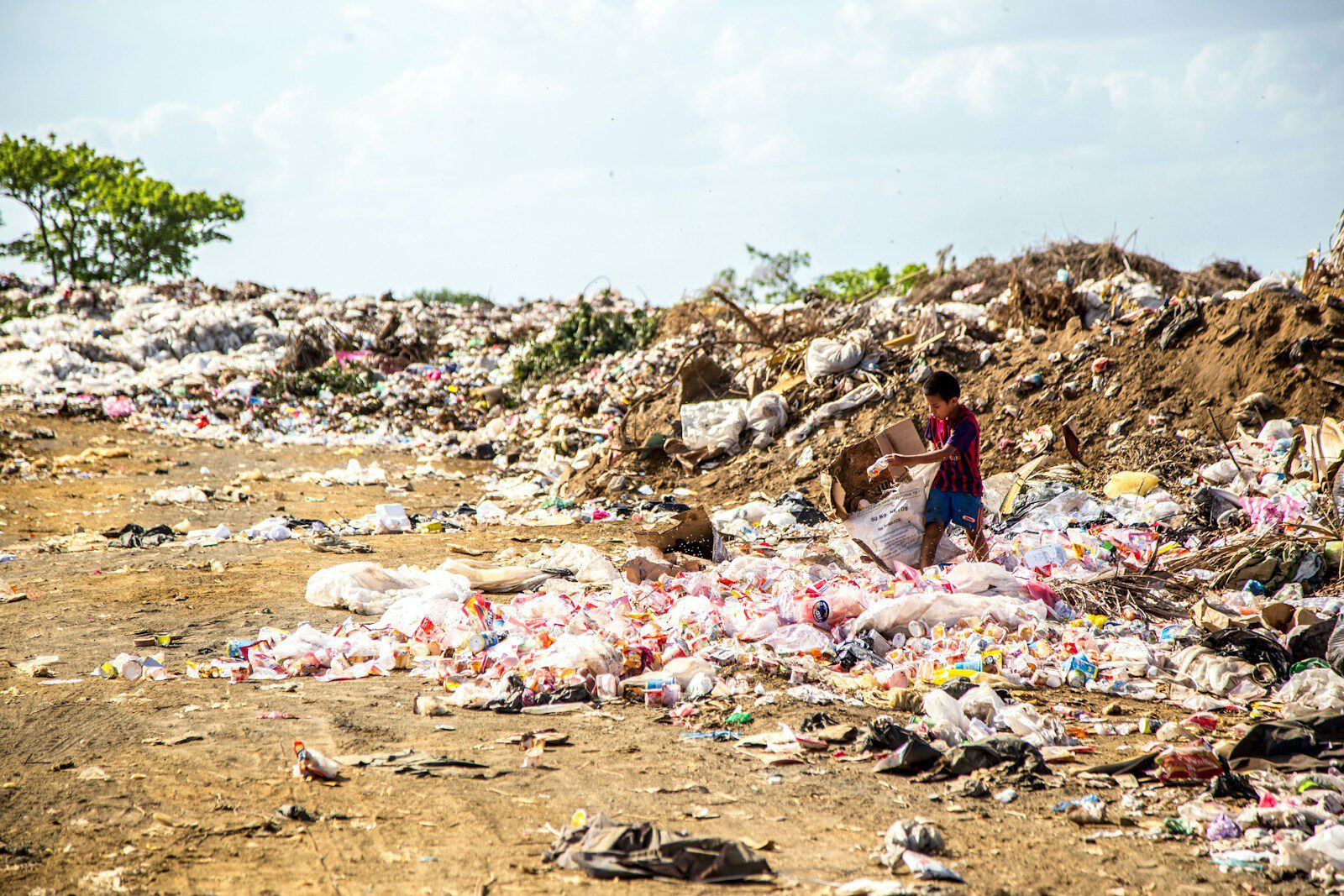
UNEP estimates that the industry generates 92 million tonnes of textile waste each year, and it describes the volume as the equivalent of a garbage truck full of clothing burned or landfilled every second. That number includes unsold stock, returned goods and garments discarded after a short life. A collection that sells poorly in one season becomes surplus in the next.
The waste problem has direct legal consequences in the European Union. Since 19 July 2026, large companies cannot destroy unsold clothing, accessories or footwear in the EU, and medium-sized companies follow in 2030. The Commission estimates that companies destroy between 4 and 9 percent of the textile products placed on the European market before anyone uses them, which equals between 264,000 and 594,000 tonnes a year. The ban responds to a business model that treats surplus stock as a cost to dispose of.
Microplastics: Synthetic Fibres in the Ocean
Synthetic fibres, which fast fashion relies on for low prices and quick turnaround, shed microplastics every time a garment is washed. UNEP reports that the textile value chain accounts for 9 percent of microfibre pollution reaching the oceans each year. That share matters because microfibres persist in marine environments and carry chemicals along the food chain. The FLJ analysis of the EU greenwashing ban explains why brands that market fibres as sustainable must now substantiate those claims with evidence.
Chemicals: Thousands of Substances in Circulation
UNEP estimates that around 15,000 chemicals are used in textile manufacturing, and some accumulate in the environment for decades. Fast fashion uses many of them, because finishes that repel water and resist stains help a garment look new for longer. Some of those finishes rely on per- and polyfluoroalkyl substances, commonly known as PFAS.
The regulatory response to chemicals has accelerated. The EU’s restriction on PFHxA, a PFAS chemical, applies to clothing and footwear from 10 October 2026 and sets limits of 25 parts per billion for the substance and its salts. France and several US states have added their own bans. Each rule measures the chemicals differently, so brands need to check every market they serve.
The Laws That Follow the Data
Each dataset maps onto a regulatory response. Carbon data supports the EU’s rules on environmental claims, which since 27 September 2026 bar generic statements such as “eco-friendly” unless a brand can prove them. Chemical data supports restrictions on hazardous substances. Waste data underlies the ban on destroying unsold stock and the EU’s revised Waste Framework Directive, which entered into force on 16 October 2025 and makes textile producers pay for the collection and recycling of used clothing.
France has gone further by targeting the business model itself. Its ultra-fast fashion law, Law No. 2026-602, applies to companies that place high volumes of new products on the market while offering weak incentives to repair. The law sets per-item environmental charges that rise between 2026 and 2030, and it restricts advertising by the brands it covers. Those measures treat volume as an environmental variable in its own right, a shift from earlier rules that focused on the materials in each garment.
What the Data Means for Brands
The numbers show that fast fashion’s footprint comes from the scale and speed of production as much as from any single material. A brand that reduces environmental impact must therefore examine how much it produces, how quickly it moves stock and what happens to unsold goods, alongside the fibres it uses. Regulators have already asked those questions, and the data suggests they will keep asking.
Brands should track their own figures for production volume, unsold stock, water use and chemical restrictions, and they should keep those records in a form that supports any claim they make publicly. Environmental statistics will keep changing as new studies appear, but the legal direction is clear. Fast fashion’s impact is measurable, and the law now expects that measurement to appear in the business plan.
FASHION LAW JOURNAL INSIDER
Join designers, brand founders and fashion lawyers who get the biggest brand battles, IP fights and career moves in fashion law, straight to their inbox.