
When Mariah Saad appears on my screen, it is 8 pm in New York City. I am dialling in from Melbourne, Australia, some 16,000 kilometres away.
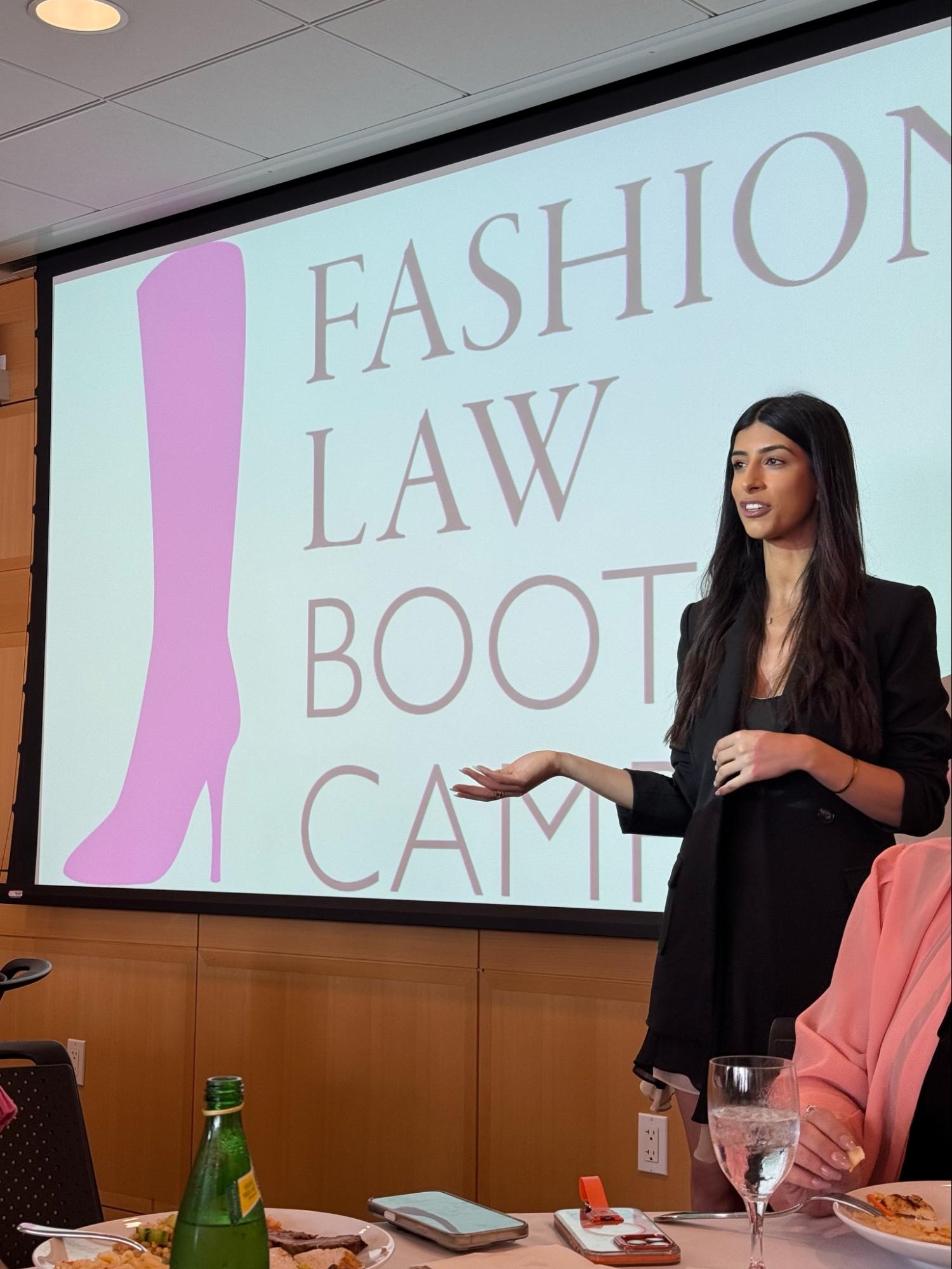
For the better part of the past year, Saad has been flying between Australia and New York, returning to Fordham University’s Fashion Law Institute as a guest lecturer after first arriving there as a student herself.
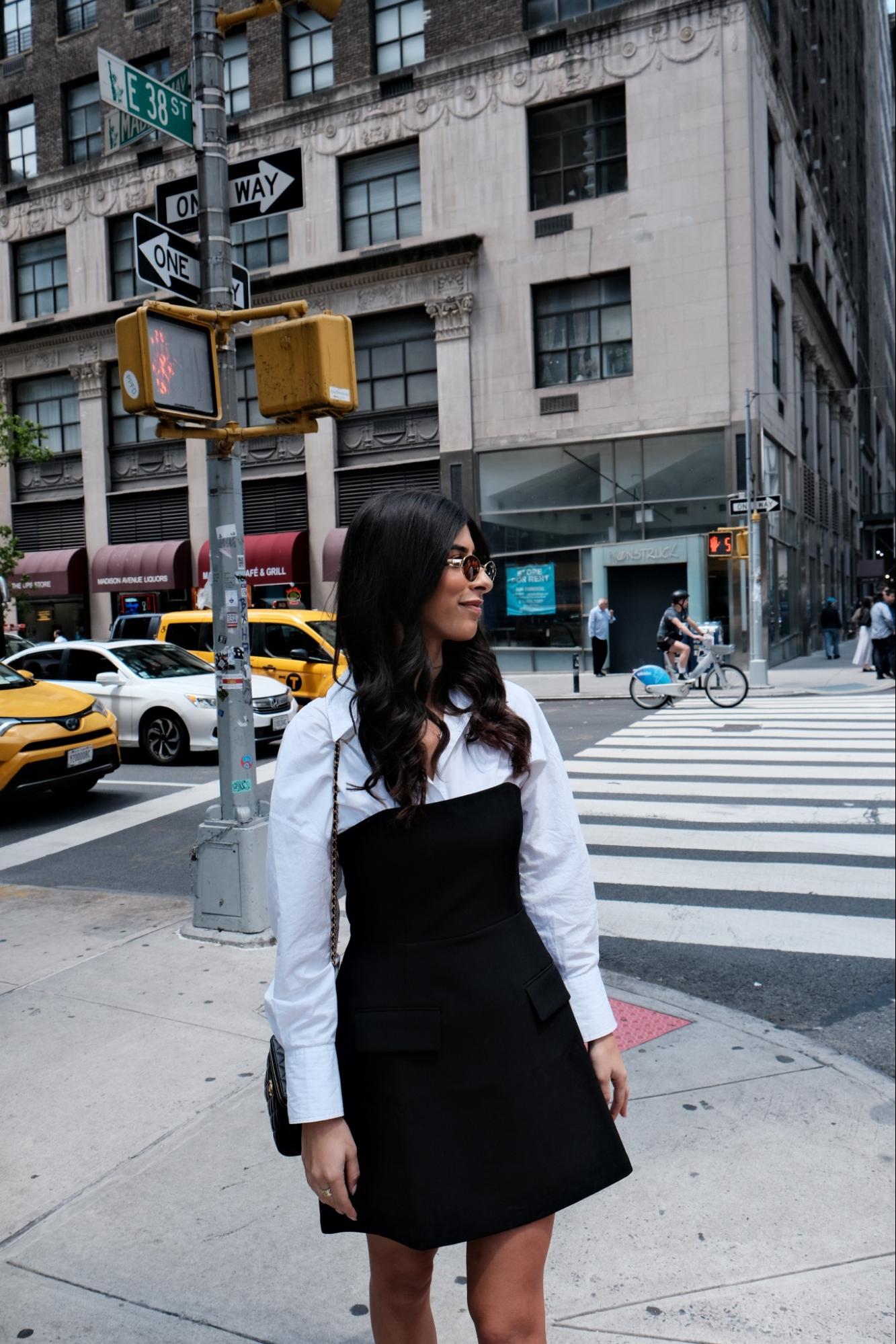
In New York, fashion and law have long shared the same address. The city is not only one of the world’s fashion capitals, but an established hive for the global luxury industry. LVMH has maintained its New York headquarters in Manhattan since 1999, while Chanel’s US operation sits on West 57th Street and Dior, Louis Vuitton, Gucci, and Prada are among the international houses with a significant presence in the city.
The city is also home to Fordham University’s Fashion Law Institute, founded in 2010 by Professor Susan Scafidi, the legal scholar who pioneered fashion law as an academic discipline. Scafidi taught the first dedicated fashion law course at Fordham in 2006, before establishing the Institute with the support and advice of the Council of Fashion Designers of America and its then-president, Diane von Furstenberg. What began as a niche proposition has since developed into an internationally recognised field, with Fordham later launching the world’s first academic degrees in fashion law.

In Australia, the pathway is far less established. Fashion law is rarely taught at universities, there are few dedicated practices, and for young lawyers interested in the field, there is no obvious roadmap in.
One Australian lawyer is trying to close that distance.
Mariah Saad did not wait for a fashion law career to appear in front of her. She built one. After discovering the field while studying law, she launched her own fashion brand, travelled to New York to study at Fordham’s Fashion Law Institute, began building a fashion-focused practice from the ground up and later returned to Fordham as a guest lecturer.
Now, she is bringing what she learned home through the Fashion Law Lab, an education platform designed to make fashion law more accessible to Australian lawyers, law students, designers and founders, without requiring them to cross the world to find it.
I caught up with Saad to talk about getting herself to New York, building a fashion law practice while still a junior lawyer, and why she believes Australia is ready for a fashion law industry of its own.
On Finding Fashion Law


What initially drew you to fashion law?
I always liked fashion, and I was studying law at the time, but I never knew there was a way to combine the two.
During COVID, I was a paralegal and a law student, and I had a bit more time to start something creative. I decided to start my own fashion brand, Lonely Is My Happy, a loungewear brand focused on being comfortable in your own company. It launched and sold out in two hours. It started growing much quicker than I expected.
But I was still working as a paralegal and studying law, and I didn’t know there was a way to do both.
One day, I was listening to a podcast and a lawyer mentioned that she was doing fashion law. That was the first time I had really heard the phrase. Instantly, a light bulb clicked. I knew this was exactly what I had been waiting for.
I wanted to learn about it, but I didn’t know how. Australia didn’t have any courses. There was nothing online. Then I found the Fashion Law Institute at Fordham University School of Law in New York. So I decided to bite the bullet and just went.
On New York
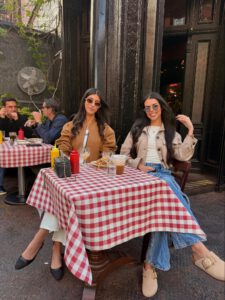
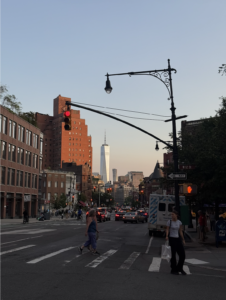
You became the first Australian to attend the program in person. What did you find when you got there?
There was a really good mix of people, from law students to attorneys who had travelled from around the world. We were lectured by counsel from companies like LVMH and Chanel. We went to the Metropolitan Museum of Art and met the Met’s legal counsel. It was just an absolutely magical experience.
It ignited this excitement in me that this world existed that I had imagined in my head, but it just wasn’t in Australia yet.
I met some of my best friends through it. I still see them today. I kept coming back for conferences like the Luxury Law Summit, for Fashion Week, and to meet firms that specialised in this practice area.
It’s a small world. Once you go to a few of these events, you start seeing the same faces. Everyone really is passionate about it. We live and breathe it.
It’s amazing to be surrounded by people who understand that you really love this area, and you’re all connected through it.
On Building a Fashion Law Practice
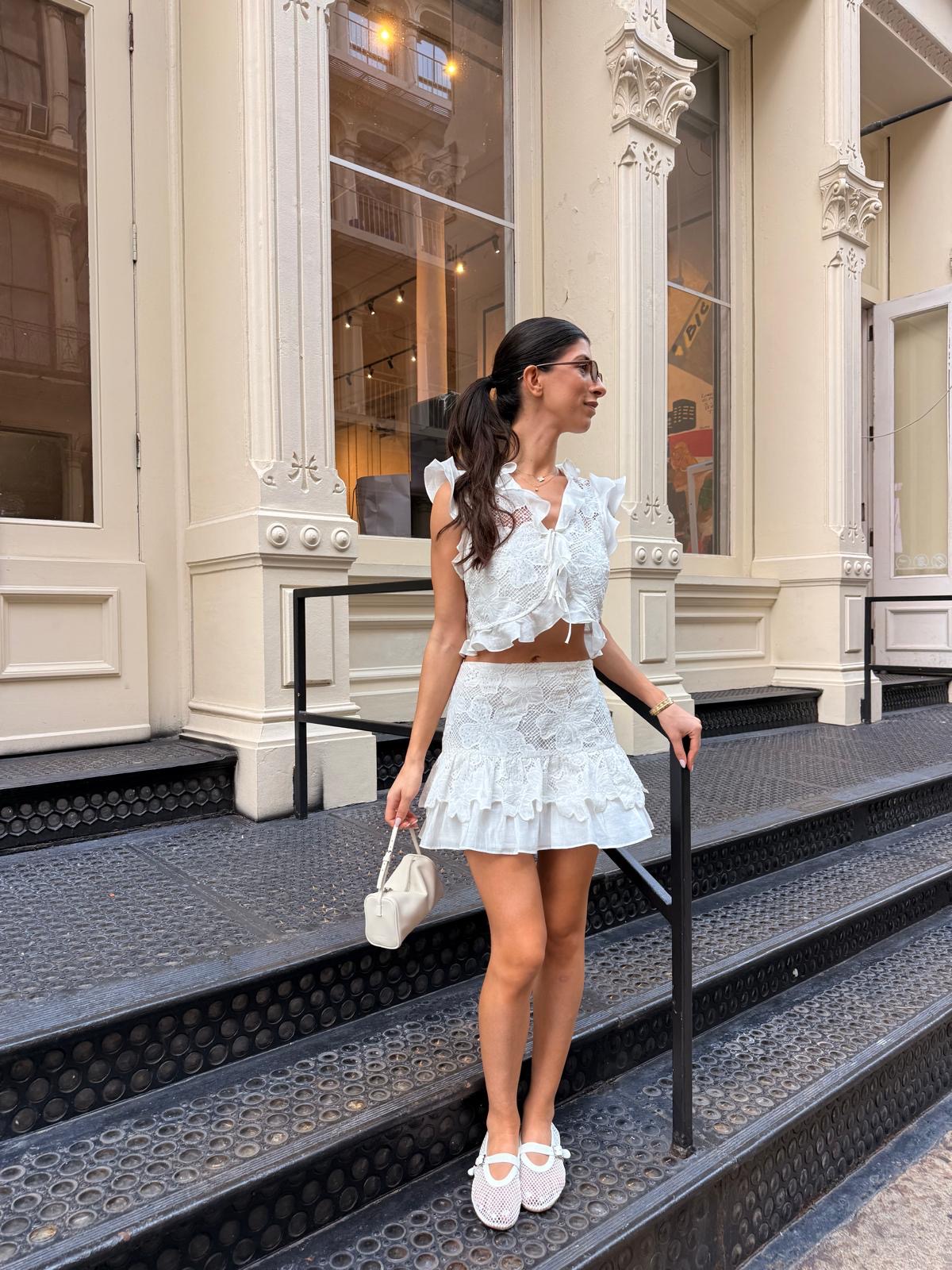
You didn’t join a firm with an established fashion law practice. How did you build one?
It wasn’t a linear story of working at a firm that ultimately offered this.
I remember the day I started there. I was like, “Fashion law is what I wanna do. I’m gonna work in IP. I’m gonna work in trademarks and commercial law, but I believe in this practice area.”
And they were like, “You’re gonna have to prove yourself before we think about that.”
And then I guess I did.
I started bringing in clients and tailoring my experience towards the types of brands I wanted to work with.
Having a fashion brand helped me be a better lawyer because I could actually resonate with them. They were speaking with someone who wasn’t just a lawyer, but more like a business partner. Eventually, they saw the value in it, and I just kept growing it.
What would you tell a junior lawyer who wants to specialise in fashion law?
Say yes to everything. On my third day as a law grad, I got thrown in the deep end, and I just had to sink or swim. I was obsessed with knowing everything about trade marks, intellectual property and contracts, and I didn’t mind if the work wasn’t fashion.
Don’t hone in on fashion law being exactly what you want to do. Focus on your skills and your learning.
I’ve worked with start-ups, construction companies, retailers and consumer brands. I didn’t care. I just wanted to learn.
Taking the time to learn is what is going to set you apart and make it easier for a fashion brand to want to work with you.
On Practising Fashion Law

So, what does a fashion lawyer actually need to know?
Intellectual property is a big part of the fashion law world. We’re in a creative industry, and with that there are counterfeits and duplicates, so we need to make sure we’re protecting trade marks and designs.
I would also recommend commercial contracts and getting a very good understanding of how contracts operate, knowing indemnities and licensing. Trade mark licensing is a very big part of collaborative agreements between brands.
Real estate is another one people might not think about. A lot of fashion brands have particular in-house real estate counsel. Why are all the fashion brands next to each other at Westfield? What’s in their lease?
Employment law is another.
There’s no one size. Follow what you actually enjoy because naturally you’ll become good at it. You’ll be surprised at the needs of fashion brands. There are so many.
How does advising an emerging label differ from working with a global fashion business?
Larger brands know exactly what they want, whereas smaller brands are looking for someone to be more of a business lawyer, almost a quasi in-house lead.
With a smaller brand, typically we’ll roadmap where they are. If they haven’t got any trade marks, I prioritise brand protection, supplier contracts and getting their website policies and terms of service correct as a base.
Then it becomes: what are your goals? Do you want to go international? What does that timeline look like? Are you getting influencers to promote your brand? We need contracts for that. Do you need NDAs?
It’s much more collaborative.
A global fashion brand might come to you for a very specific trade mark or contract. If they’re doing a sponsorship with another brand or launching at Fashion Week, you might be managing one specific project and all the facets that come with that.
On Australian Fashion Going Global
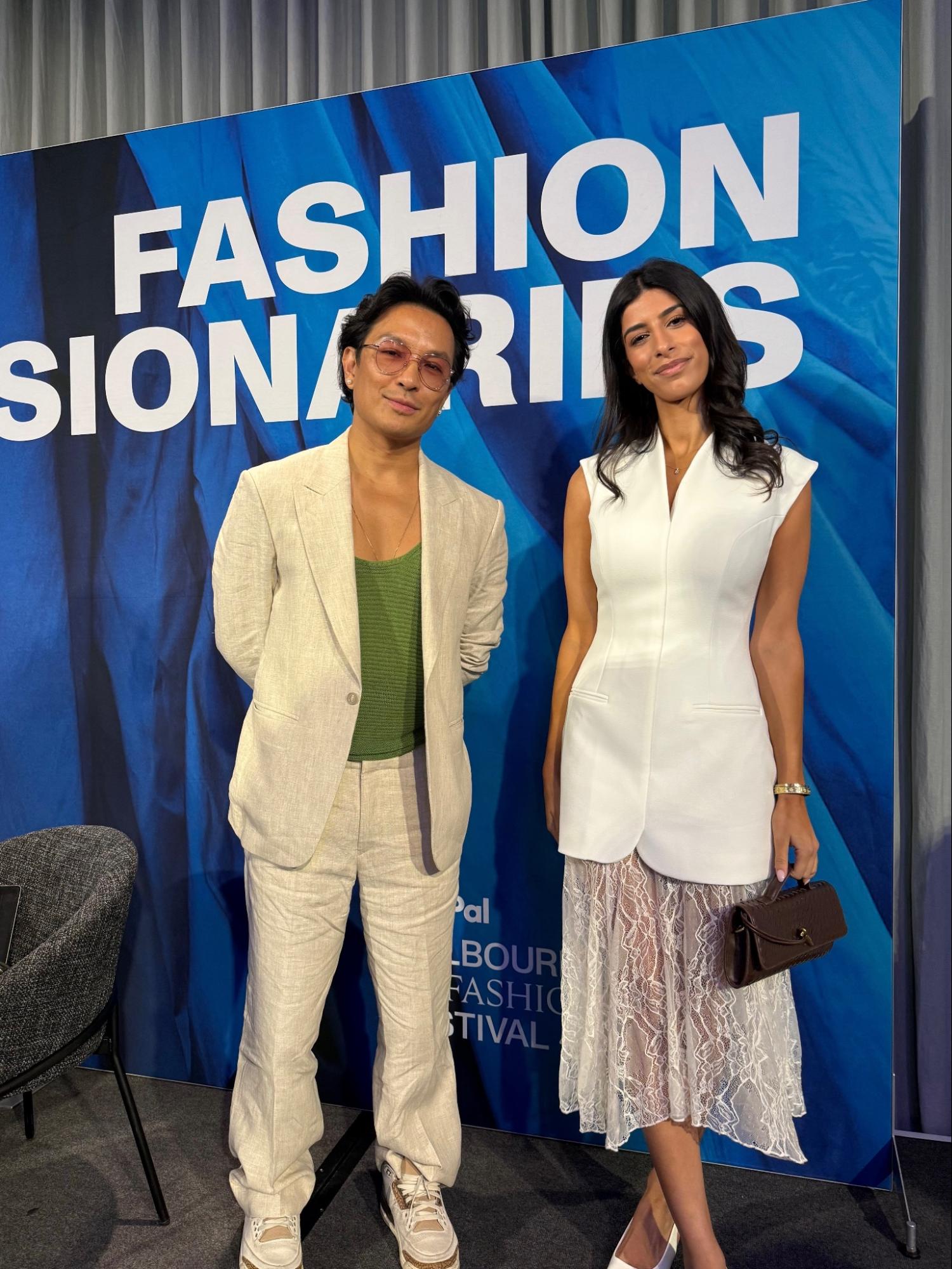
Do you think Australia underestimates its own fashion industry?
Absolutely. Our brands are taking the world by storm.
In New York, I walk past Zimmermann and Scanlan Theodore. Our brands are loved by people all around the world.
We may not house Louis Vuitton, but we’re housing brands like Zimmermann that are so unique and sought after that they’ve put us in international waters.
There is a really big need in Australia because a lot of our brands are becoming global. They might start online, but they’re growing rapidly, and there are a lot of legal needs that come with that growth.
In order to be at New York Fashion Week, you need multiple contracts with Fashion Week itself, marketing teams, PR agencies, photographers and models.
People really underestimate the power of the Australian market and how much it is loved. That in itself produces a lot of work.
People need to not underestimate us Aussies because we’re popping up everywhere.
I think this is only the beginning.
On Bringing Fashion Law Home

You travelled to New York because this education wasn’t readily available in Australia. Is that what ultimately led to FASHION LAW LAB™?
Yes. FASHION LAW LAB™ is Australia’s first education hub for fashion law. It’s geared towards law students, lawyers, designers, founders, academics, anyone who wants to learn more about fashion law.
We’re launching our Foundations of Fashion Law course, covering everything from IP protection and contracts to employment and international law across the US, EU and UK.
I want law students to get familiar with this because universities don’t teach it. For designers, it’s also a way to access education for themselves.
I’ve invested so much of my time and money travelling to New York and pitching people cold to sit down with me just so I could talk to them about this area. I was a law student working as a paralegal when I paid for it.
I want people to feel like they don’t have to get on a flight all the way over here. I want them to have an option closer to home, about Australian brands and Australian cases.
It’s in New York. It’s in the UK. But it’s not in Australia.
And you see FASHION LAW LAB™ becoming something broader than an online course?
I want it to be a community.
We want to do in-person roundtables where lawyers, designers and law students can build their own networks and continue those relationships throughout their careers.
There’ll be career forums where people working in fashion brands can come to the community when there’s a recruitment need. Eventually, we’ll do more in-person lecturing and bring in global brand legal counsel and international speakers.
A lot of these places require you to physically be there to access the education. You can’t get it online. I feel like we’re challenging that and making people less secretive about this. I don’t think there’s anything really crazy about it that needs hiding.
I think it’s just making people feel like they belong somewhere.
I get emails and LinkedIn messages from law students who really didn’t like the law until they heard about fashion law. They just want to learn more about it.
If I can help one person with that, then I’ll be happy.
On What Comes Next
Where do you see yourself in five years? What are you ultimately trying to build?
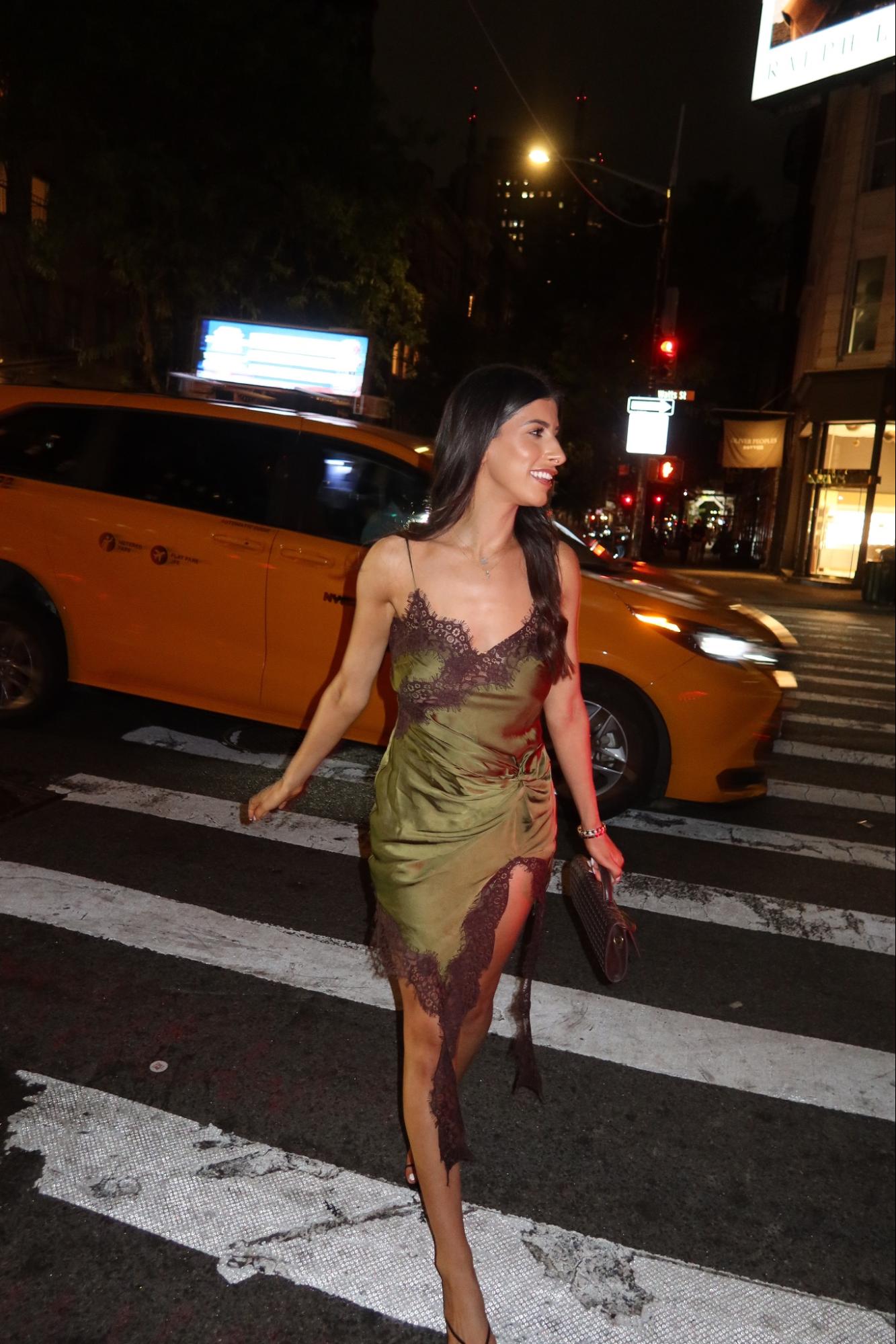
There’s always going to be New York in my life. My ultimate thing is that I want to help Aussie brands come here.
I want to be that conduit. I want them to have an Australian in the US who is going to help them grow and launch here.
I want FASHION LAW LAB™ to go global. I want us to hopefully be in universities and teaching. We’ve got a few connections around LVMH, and they can come in and talk to our students.
I think there’ll be a part of me that always does more than one thing. I don’t think I’ll ever just be a lawyer. I want to be an educator. I want to be a lawyer. I want to be pioneering this space.
You just have to keep going and say yes to everything because you never know what can happen.
Behind the Seamsis a series by Chloe Lei that explores the paths of those who began in law before finding their way into fashion.
Through conversations with fashion founders, designers and creatives, the series offers a glimpse into what it really takes to step away from the conventional path and follow the pull of fashion.
FASHION LAW JOURNAL INSIDER
Join designers, brand founders and fashion lawyers who get the biggest brand battles, IP fights and career moves in fashion law, straight to their inbox.