
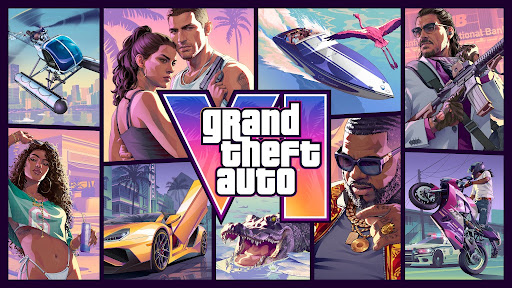
With the release of Grand Theft Auto VI, fashion has become more than a character-customisation feature. Rockstar Games has built an elaborate clothing ecosystem into the fictional state of Leonida, where shopping, personal style and even changing outfits can influence how players navigate the game.
From streetwear and vintage clothing to swimwear, formal dressing and accessories, the wardrobe available to protagonists Jason Duval and Lucia Caminos reflects the different social environments of Vice City. The attention to fashion is also part of Rockstar’s larger approach to world-building, creating fictional labels, retail stores and character-specific styles that make the game’s setting feel like a functioning consumer culture.
A Fashion Ecosystem Built Around Fictional Labels
Rather than relying on real-world fashion partnerships, Rockstar has developed its own network of clothing brands. Labels including Stock 305, Nola, Ferruccio Tucci, Calibre, This/That and Blagueurs appear across character outfits and promotional material, each contributing to the visual identity of the game’s fictional world.
The brands were given a particularly unconventional introduction through Dazed’s Autumn 2026 fashion editorial featuring Jason and Lucia. The protagonists and supporting characters were photographed in outfits credited to fictional designers, complete with clothing, eyewear, watches and jewellery details.
FLJ Insider Pro is open: live fashion law jobs and internships, five career guides and two roadmaps. Early bird USD 12/month. See what's inside
Miami-based stylist Jillian Carr, who has worked with Rockstar on the game’s fashion since 2023, helped develop the clothing ecosystem. The labels reflect the different lifestyles and subcultures of Leonida, from casual streetwear to luxury-inspired dressing.
The approach also allows Rockstar to parody real-world consumer culture without directly incorporating actual fashion houses into the game’s retail environment.
Lucia and Jason Have Distinct Fashion Identities
The wardrobe choices for the game’s protagonists are designed to reflect their personalities and surroundings. Lucia’s looks range from fitted cropped jackets and casual streetwear to glamorous dresses, including a red sequined mini dress featured in official promotional material. Jason’s wardrobe leans towards relaxed coastal dressing, vintage-inspired pieces, casual shirts, accessories and tailored looks.
The characters’ appearances can also be altered through hairstyles, facial hair, makeup, nails and other customisation options, giving players greater control over how they present them throughout the game.
As VGC’s guide to changing outfits in GTA VI explains, clothing collected through stores and missions can be stored at the characters’ safehouses, allowing players to revisit and combine different pieces.
Shopping Across Leonida
The game’s retail landscape extends beyond a handful of luxury boutiques. Clothing stores, footwear shops, thrift stores, salons and other locations offer different options depending on where players are exploring.
The variety includes tops, bottoms, footwear, swimwear, hats, sunglasses, jewellery and other accessories. Players can also visit salons to change hairstyles and facial hair, adding another layer to character customisation.
The shopping experience has become a subject of interest beyond gaming publications. British GQ’s first impressions of GTA VI’s menswear explored the game’s clothing stores, vintage selections and casual styles, highlighting how shopping can become an activity in itself rather than simply a break between missions.
When What You Wear Affects Gameplay
One of the more interesting additions is the relationship between clothing and the game’s police pursuit system. Fashion is not entirely cosmetic: law enforcement can remember what a character was wearing during a crime, making outfit changes relevant when attempting to escape detection.
Players can keep spare outfits in their vehicles and change their appearance after a pursuit. Simply switching accessories may not be enough if the police have already identified the clothing worn during the crime.
In an interview with IGN, Rockstar’s development team explained how the expanded wanted system takes a character’s appearance and clothing into account. The mechanic adds another layer to the game’s crime and escape sequences, turning wardrobe management into a practical decision.
The connection between fashion and gameplay gives clothing a function that extends beyond visual customisation. Players can use different looks to suit particular environments, activities or situations.
Fashion as Part of Rockstar’s World-Building
The level of detail invested in GTA VI’s clothing reflects a wider shift in how open-world games approach character identity. Rather than treating wardrobes as collections of interchangeable costumes, Rockstar has created a fashion environment with its own labels, stores, styling conventions and cultural references.
The fictional brands also serve as a form of environmental storytelling. Their names, products and visual identities help distinguish different neighbourhoods and social settings, while the range of clothing available allows players to shape the protagonists’ identities throughout the story.
As gaming increasingly intersects with fashion, entertainment and digital culture, GTA VI offers an example of how clothing can contribute to both narrative immersion and player engagement. In Leonida, what Jason and Lucia wear is not simply a matter of aesthetics. It becomes part of how they move through, interact with and survive in the world.
FASHION LAW JOURNAL INSIDER
Join designers, brand founders and fashion lawyers who get the biggest brand battles, IP fights and career moves in fashion law, straight to their inbox.