
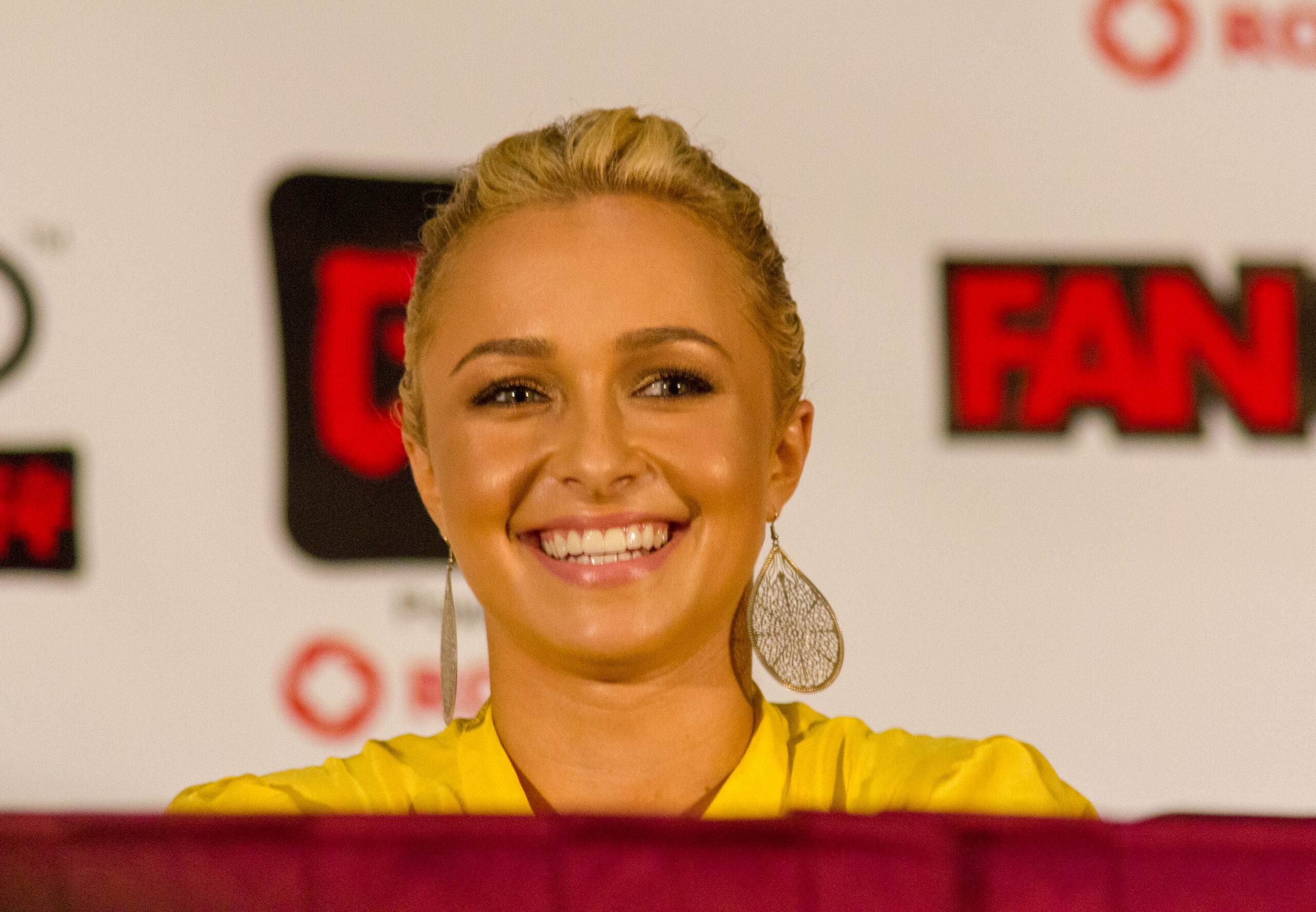
Hayden Panettiere, the actress known for playing cheerleader Claire Bennet on “Heroes” and country star Juliette Barnes on “Nashville,” died on August 16, 2026, in Greenville, South Carolina, according to her representative. She was 36. Her family confirmed the news in a statement: “It is with profound sadness that we share the tragic passing of our beloved Hayden. She was an incredible light and a force of nature who brought immeasurable love and joy to all who knew her, and to the millions who watched her onscreen.” No cause of death has been released, and this remains a developing story.
The short version:
- Panettiere died on August 16, 2026, at age 36. Her representative confirmed the death to reporters that evening.
- She is survived by her parents and her 11-year-old daughter, Kaya, whose father is former boxing champion Wladimir Klitschko.
- No official cause of death has been made public.
- She published a memoir, “This Is Me: A Reckoning,” in 2026, in which she wrote candidly about postpartum depression and addiction.
- Her passing has revived attention to remarks she made in past interviews claiming a major beauty brand, Neutrogena, ended her endorsement deal after she went public with her postpartum depression diagnosis, a claim that raises real questions about how morals and wellness clauses in beauty contracts actually work.
Who was Hayden Panettiere?
Panettiere started acting as an infant in commercials and built a three-decade career from there, including roles in “Remember the Titans,” “Ally McBeal,” “A Bug’s Life,” and “Racing Stripes” as a child, then “Heroes” and “Scream 4” as a young adult. She earned two consecutive Golden Globe nominations for Best Supporting Actress in a Series (2013 and 2014) for her role as Juliette Barnes on “Nashville,” a part that also had her recording and releasing original music. She returned to the “Scream” franchise for “Scream VI” and appeared in the 2024 video-game adaptation “Until Dawn.”
Off screen, Panettiere spent years speaking publicly about postpartum depression after the birth of her daughter Kaya in 2014, and about her later struggles with addiction, entering treatment on more than one occasion. Earlier this year she published “This Is Me: A Reckoning,” a memoir that expanded on those struggles along with the pressures of growing up inside the entertainment industry.
FLJ Insider Pro is open: live fashion law jobs and internships, five career guides and two roadmaps. Early bird USD 12/month. See what's inside
What did Hayden Panettiere say about Neutrogena?
Panettiere was one of the faces of Neutrogena during the peak of her early fame, appearing in campaigns built around the brand’s signature skincare imagery. In interviews given after her postpartum depression became public, she said the openness cost her that endorsement relationship, telling audiences that corporate partners, Neutrogena among them, moved on from her once she disclosed her diagnosis and entered treatment. Neither Panettiere nor Neutrogena has laid out the contractual terms behind that decision in public, and it isn’t clear from her remarks alone whether the deal lapsed on its own schedule, was terminated for cause, or ended by mutual agreement. But the claim itself, that a beauty brand quietly stepped away from a spokesperson over a mental health disclosure, is worth examining on its own terms, because it points to a contract mechanism that shapes a lot of the fashion and beauty endorsement world: the morals clause.
What is a morals clause, and how much power does it actually give a brand?
A morals clause (sometimes called a morality clause or, in gentler modern drafting, a “reputation” or “image” clause) is a provision in an endorsement or brand-ambassador agreement that lets a company end the relationship, withhold payment, or claw back fees if the talent’s conduct or public image falls short of a standard the contract defines, often broadly. These clauses became standard practice after a string of celebrity-endorsement scandals going back decades, and they’ve only gotten broader as brands try to move fast on reputational risk in the social media era.
The legal reality is that morals clauses are usually written to favor the brand. Many give the company sole discretion to decide what counts as damaging to its image, and some are worded widely enough to reach personal conduct that has nothing to do with the product being sold. That structure is exactly why talent-side entertainment lawyers spend real negotiating time narrowing these provisions before a contract is signed, tying termination rights to specific, objective triggers like a criminal conviction rather than to a vague standard the brand alone gets to define after the fact.
Where a mental health disclosure fits into that structure is murkier. A morals clause is built to police conduct the brand considers embarrassing or damaging, not medical history. If a company quietly declines to renew or extend a deal after a spokesperson discloses a health condition, that typically isn’t framed internally as a morals clause termination at all, it’s usually handled as a simple non-renewal, which requires no public justification and is far harder to challenge than an explicit for-cause termination would be.
Would this kind of move violate disability or medical-privacy law?
Not necessarily, and this is the part that surprises people outside the industry. Employment protections like the Americans with Disabilities Act, which bars employers from firing or demoting workers because of a disability or treating a medical disclosure as grounds for termination, generally apply to employees. A brand ambassador or spokesperson is almost always retained as an independent contractor under a services or licensing agreement, not hired as an employee, which is one reason how a person’s working relationship with a brand gets classified matters so much in fashion and beauty law. Independent contractor status strips away most of the statutory protections a W-2 employee would have, leaving talent largely dependent on whatever specific language their own contract happens to include.
That’s why the entertainment lawyers who negotiate these deals build in their own protections where they can: carve-outs that exclude medical conditions and mental health disclosures from morals-clause triggers, minimum notice periods before non-renewal, and severance or pro-rated payment if a partnership ends early. None of that is required by statute. It has to be negotiated into the agreement up front, and it’s most likely to happen when the talent has strong representation and enough leverage to insist on it.
What happens to a public figure’s endorsement history and estate after death?
Separately from the Neutrogena question, Panettiere’s death raises the more general issue of what happens to a well-known figure’s name, image and existing contracts after they pass away. Postmortem right of publicity, the legal right to control commercial use of a person’s name and likeness after death, exists in some form in a majority of U.S. states, though the length of protection and exactly what it covers varies widely by state law. Any active endorsement or licensing agreements a person held at the time of death are typically handled according to the contract’s own terms and by the executor of their estate, alongside royalties from creative work like Panettiere’s memoir, which continue to be owned and administered as part of the estate.
Frequently asked questions
Has a cause of death been released for Hayden Panettiere?
No. As of this writing, no official cause of death has been made public, and outlets covering the story continue to describe it as developing.
Did Neutrogena ever respond to Hayden Panettiere’s comments about the brand dropping her?
Not publicly, at least not in a way that has been widely reported. The claim rests on Panettiere’s own past remarks in interviews rather than a confirmed statement from Neutrogena about why the partnership ended.
Can a beauty brand legally end an endorsement deal over a health disclosure?
In most cases, yes, if the contract structure allows it, precisely because brand ambassadors are typically independent contractors rather than employees, and most of the legal protections that would block a health-based termination apply to employment relationships, not services agreements. Whether a specific termination was lawful always depends on the exact language of that contract.
What is the difference between a morals clause and a simple non-renewal?
A morals clause is an explicit contract provision that lets a brand terminate for defined (or broadly discretionary) reasons tied to conduct or reputation. A non-renewal is just a decision not to extend or repeat a deal once its term ends, and it generally doesn’t require the brand to state a reason at all, which makes it a much lower-friction way to quietly step back from a spokesperson.
What happens to Hayden Panettiere’s memoir now?
Royalties and rights connected to “This Is Me: A Reckoning” become part of her estate, administered by her executor like any other asset, alongside whatever active licensing or endorsement agreements she held at the time of her death.
This article discusses a recent death and references the subject’s public statements about mental health and addiction. It is for general informational purposes about entertainment and endorsement contract law and does not constitute legal advice. If you or someone you know is struggling, the 988 Suicide and Crisis Lifeline is available by call or text at 988 in the United States.
FASHION LAW JOURNAL INSIDER
Join designers, brand founders and fashion lawyers who get the biggest brand battles, IP fights and career moves in fashion law, straight to their inbox.