
What a fashion show actually costs, line by line, and the economic reason a rational business would ever spend it
There is a calculation circulating in the industry that nobody enjoys repeating in public. Take the total cost of a major runway show, divide it by its running time, and you arrive at roughly one hundred thousand dollars per minute. Divided again, that is about one thousand six hundred and sixty-seven dollars per second.
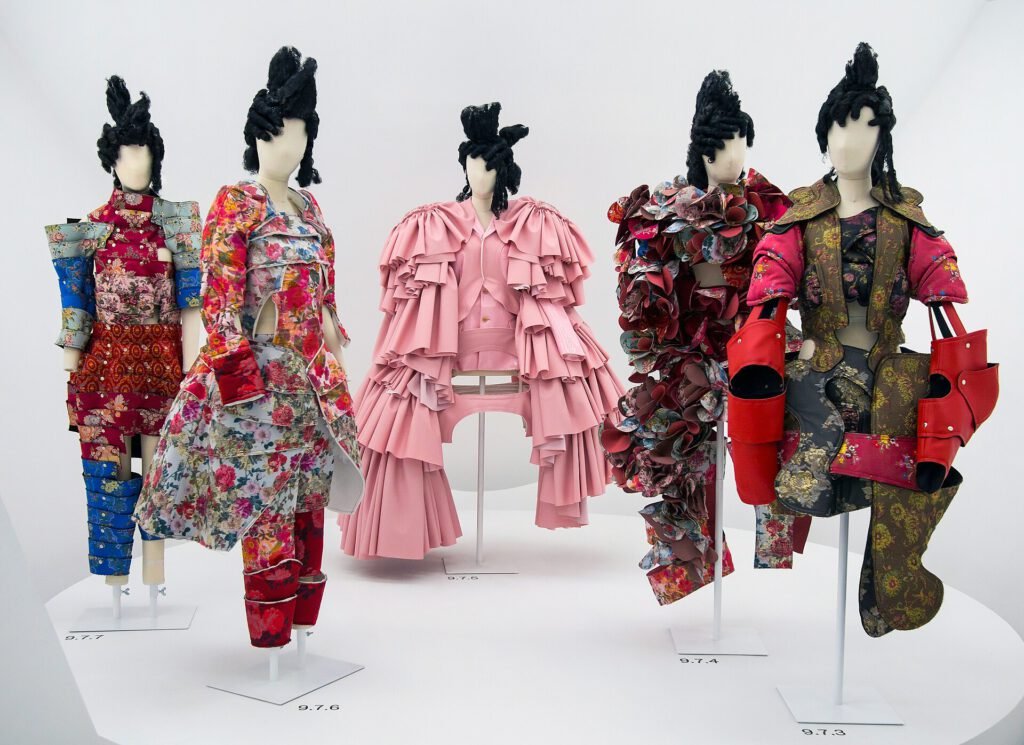
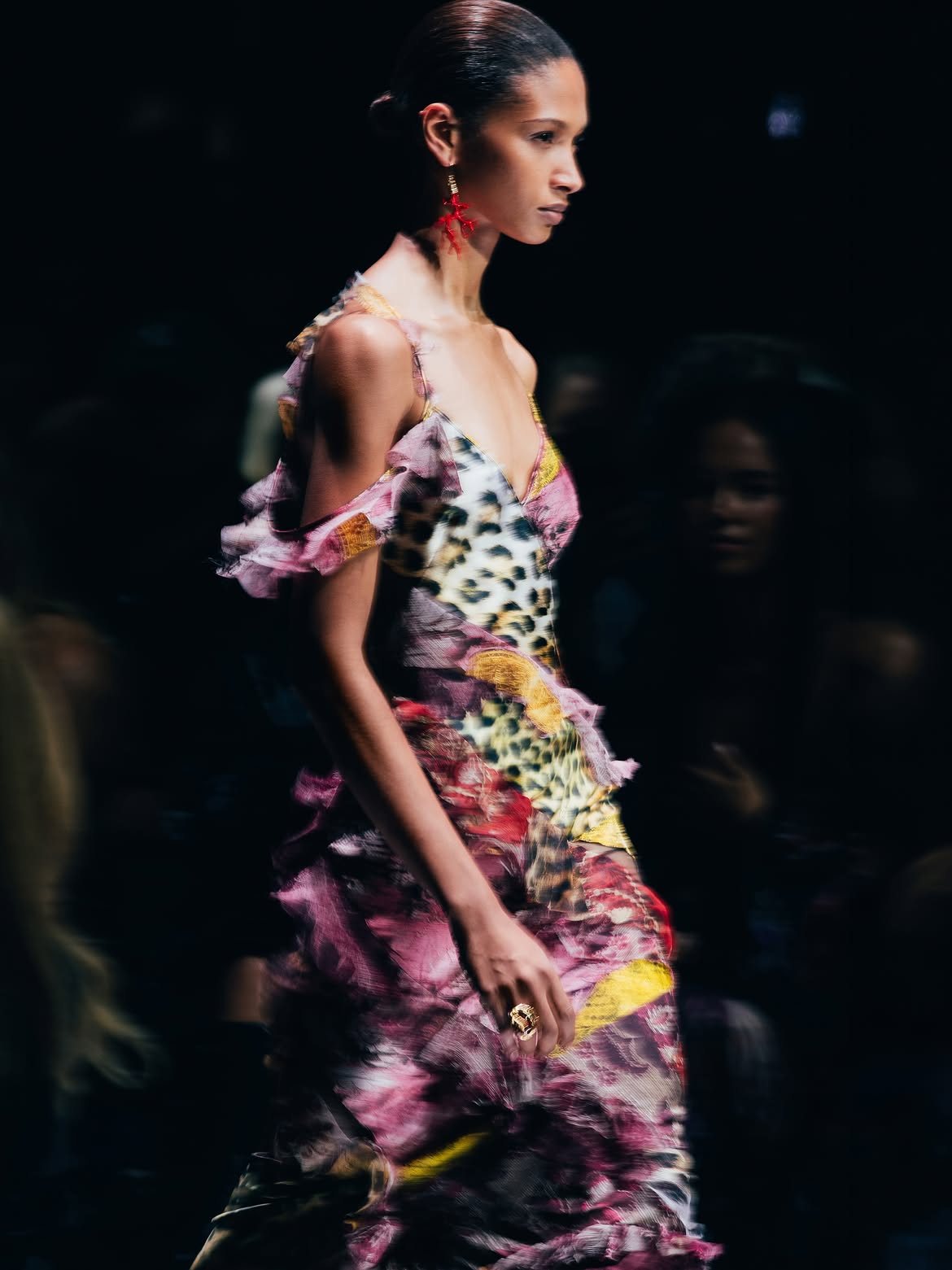
A show lasts twelve minutes. Some last ten. The clothes on the runway are frequently not for sale for another six months, many of the pieces shown will never be produced at all, and the audience physically present numbers in the hundreds.
This week, as Milan closed and Paris prepared, Reuters reported that a runway show can cost as much as ten million euros, close to twelve million dollars, to produce.
FLJ Insider Pro is open: live fashion law jobs and internships, five career guides and two roadmaps. Early bird USD 12/month. See what's inside
The obvious question is how any finance director signs that off. The answer turns out to be considerably more interesting than vanity.
How Much Does a Fashion Show Actually Cost, Tier by Tier? First, The Actual Bill
Costs vary enormously by tier, and the honest version looks like this.
A small independent show runs from around ten to fifty thousand dollars. A mid-level brand sits between fifty and two hundred thousand. A show on a major fashion week schedule starts at around two hundred thousand and passes a million without difficulty. And a flagship show from a top house runs from two million to ten million, with outliers above that.
The American designer Christian Siriano has been unusually open about his numbers, telling Vogue Business that a New York show costs him between roughly one hundred and twenty-seven thousand and three hundred and twelve thousand dollars, excluding the cost of making the clothes. His breakdown is worth reading as a shape rather than as a total: casting up to sixty thousand, venue up to fifty thousand, lighting up to forty thousand, production up to thirty thousand, sound up to ten thousand, seating up to ten thousand, set design up to ten thousand, car service up to seven thousand, catering up to five thousand, and hair and makeup covered by sponsorship.
At the top of the market, the proportions shift,t but the categories do not. Venue typically takes twenty to thirty percent of a budget, production fifteen to twenty-five, models and casting fifteen to twenty, hair and makeup eight to twelve, and press and media ten to fifteen. Venue and production together routinely account for half the total.
Venue is where the largest single number usually hides. The Grand Palais in Paris commands fees above two hundred thousand dollars for a single day, and that figure buys raw space only, before anything is built inside it. A warehouse in the eleventh arrondissement costs a fraction of that, and the difference in prestige is entirely real, which is precisely what the extra money is buying.
And then there are the shows that exist to break the scale. Fendi staged a show on the Great Wall of China in 2008 at a reported cost of ten million dollars. The Victoria’s Secret show of 2016 reportedly cost twenty-six point seven million, which remains the record.
Why Brands Spend Millions on a 12-Minute Runway Show: The Economics, Which is Where it Stops Being Absurd
Standard advertising logic cannot justify these numbers. Twelve minutes in front of six hundred people is a terrible media buy.
The justification comes from a different branch of economics entirely, and it is the one that makes sense of nearly everything strange about luxury.
In signalling theory, a signal is credible in proportion to how costly it is to produce. Anybody can claim to be strong; only the genuinely strong can afford to do something wasteful and survive it. The waste is not a side effect of the message. The waste is the message.
Applied here: a house that can burn ten million euros in twelve minutes, twice a year, is demonstrating something no advertising campaign can state directly. It is demonstrating that it can afford to. A brand in trouble cannot do this. A brand that is merely competent cannot do it either. The expenditure is a solvency claim made in public, addressed to buyers, investors, competitors and the small number of clients who spend enough to care whether the house will still exist in a decade.
There is a related result in economics concerning advertising that carries no information at all. Conspicuous, expensive, content-free advertising signals a firm’s confidence that customers will come back, because only a firm expecting repeat business would rationally sink money it cannot recover. A runway show is the purest version of this in any industry. It contains almost no product information; it cannot be clicked, and most of what it displays is unavailable for months.
Which is exactly why it works.
Fashion Show ROI: Does the money come back?
Partly, and the measurement is contested.
The industry’s preferred metric is media impact value, which assigns a monetary figure to earned coverage. A well-produced show is typically held to generate ten to fifty times its cost in earned media. Ralph Lauren’s fiftieth anniversary show reportedly produced thirty-eight million dollars of media impact value. Across a whole season, Paris men’s week generated fifty point six million in one recent edition, with Louis Vuitton alone accounting for sixteen million of it.
Treat those figures with appropriate scepticism. Media impact value counts attention, not purchases, and the relationship between the two is far weaker than the industry likes to pretend. A show can dominate every feed on earth and move no inventory whatsoever, and everyone who works in the business knows it.
But attention is not the only return. A show is simultaneously a sales meeting for buyers, a retention exercise for the clients seated in the front row, a recruitment tool for talent, a proof of life for investors, and the source of a year’s worth of imagery for campaigns, stores and licensing partners. Charged against all of those functions rather than against marketing alone, ten million euros looks less like extravagance and more like a line item with an unusually large number of jobs.
The Hidden Cost of Rising Fashion Show Budgets & The Part That Should Worry the Industry
The problem with a costly signal is that it only works while it is genuinely costly for some and impossible for others.
As show budgets climb, the calendar increasingly sorts by capital rather than by talent. A designer with an extraordinary collection and two hundred thousand dollars is competing for attention against a house spending forty times that on the room. Both are judged on the same feed, by the same audience, in the same week.
That is not a moral complaint; it is a structural one. When the cost of signalling rises faster than the returns, the signal stops distinguishing quality and starts distinguishing funding, and an industry that believes it is running a meritocracy of taste is in fact running an auction.
Twelve minutes. A hundred thousand dollars a minute. Sixteen hundred and sixty-seven dollars a second.
The clothes, you will notice, are not included in that figure.
FASHION LAW JOURNAL INSIDER
Join designers, brand founders and fashion lawyers who get the biggest brand battles, IP fights and career moves in fashion law, straight to their inbox.