

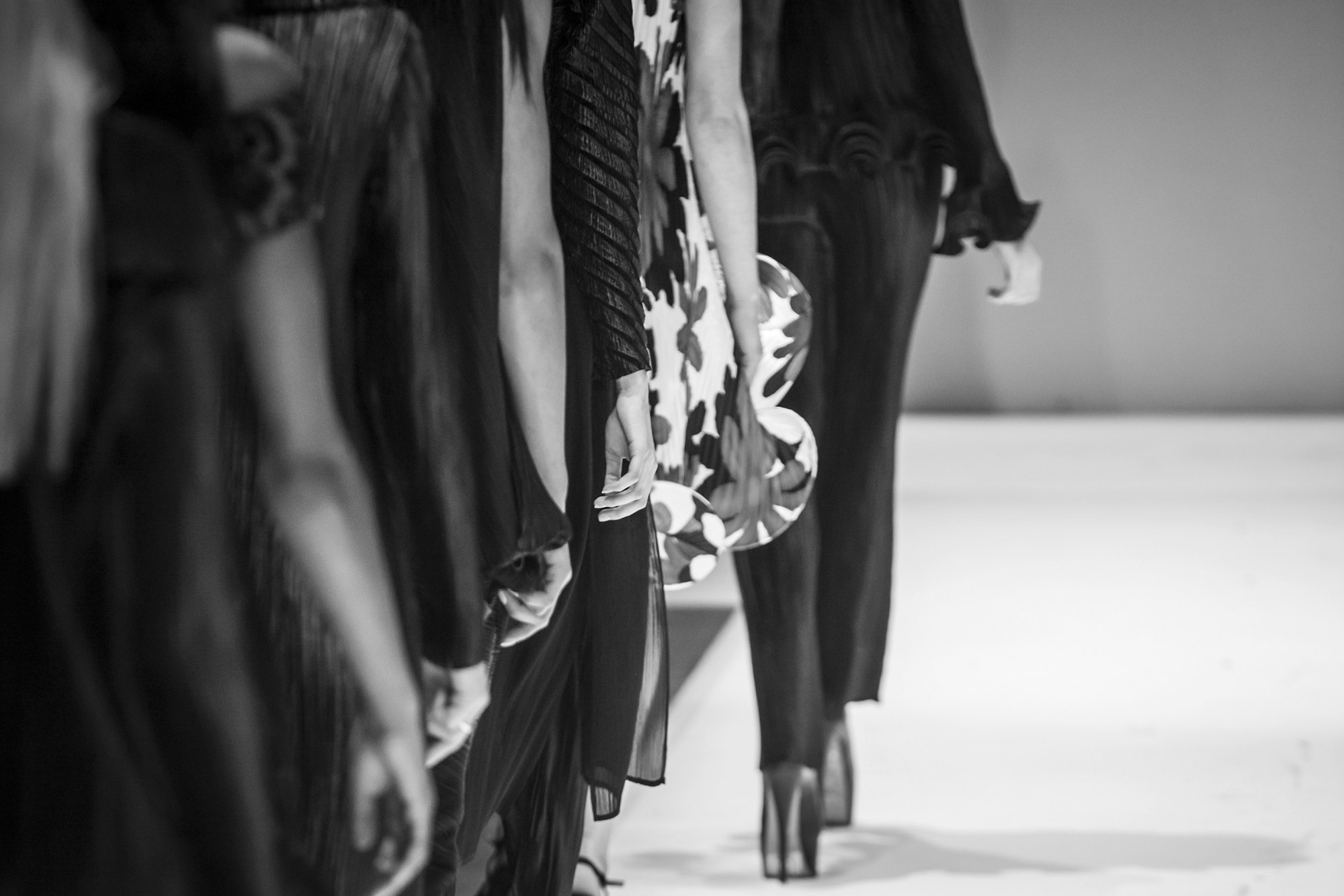
New York Fashion Week’s Spring/Summer 2027 season wrapped on September 15, but this year’s edition felt like more than a six-day run of shows. From a major Indian designer returning to the official calendar to first-time runway participants finding new ways to make the format work, NYFW 2026 reflected an industry that is changing the way it presents fashion, spends money and reaches audiences.
The official calendar ran from September 10 to 15, with 70 runway shows and designer presentations, according to the CFDA’s official schedule. Here are seven things that made this season worth paying attention to.
1. Sabyasachi Made His NYFW Return
One of the biggest moments of the week came from Sabyasachi Mukherjee, who returned to New York Fashion Week after an 18-year absence. The Kolkata-born designer was officially added to the CFDA calendar for the Spring 2027 season, marking a significant return to the New York runway.
His collection, titled “Bengal Byzantine Broadway,” brought together Indian craftsmanship with references to American fashion, particularly denim and Western dressing. WWD’s review described the collection as a meeting point between denim, couture-level Indian craft and elaborate ornament. The timing was significant too. Sabyasachi’s return comes as the brand continues to expand internationally, including through its New York presence and its broader move into jewellery, accessories and lifestyle.
2. Seventy Shows, But Not Everyone Showed the Same Way
The official calendar included 70 runway shows and designer presentations, but “showing at NYFW” no longer necessarily means staging a traditional runway.
That was particularly evident among smaller and emerging labels. Aisling Camps, Heirlome and 6397 all presented runway shows for the first time this season after previously using presentations, appointments or lookbooks. As Vogue Business reported, the designers were conscious of the cost of producing a conventional show and found smaller, more controlled ways to make the format work.
It is a useful reminder that the runway is being reconsidered rather than simply abandoned. For smaller brands, a show can still create visibility and communicate a collection in a way that photographs cannot, but there is growing freedom around how that show needs to look.
3. Fashion Week Became More Public
Another notable change was the return of NYFW Live at Rockefeller Center. For the third edition, the CFDA and Rockefeller Center made runway shows available to the public on a 27-by-28-foot screen at the Rink from September 10 to 15. According to the CFDA, the programme featured shows from designers including Ralph Lauren, Coach, Carolina Herrera, Michael Kors, Khaite, Thom Browne and Sabyasachi.
That matters because fashion week has traditionally been an invitation-heavy environment. The Rockefeller Center initiative does not make the industry completely open, but it does create a literal public front row, allowing people outside the traditional fashion audience to experience the collections in the middle of New York.
4. Diane von Furstenberg Started a New Chapter
The week opened with Henry Zankov’s debut collection as artistic director for Diane von Furstenberg. The appointment gave the historic American label a new creative direction while keeping it firmly within the NYFW conversation.
It was also one of several signs this season that New York is balancing established names with designers entering new chapters. The official calendar included returning labels such as Monse, threeASFOUR and Tommy Hilfiger alongside newcomers including Conner Ives, Magda Butrym, Zaldy and Sabyasachi.
Rather than presenting one single idea of American fashion, the schedule reflected how broad that category has become.
5. The CFDA’s Fur-Free Policy Was in Effect
There was also a significant policy change behind the scenes this season. The CFDA’s fur-free policy, announced in September 2025, came into effect for brands showing on the official NYFW schedule. The policy is worth noting because it places animal materials directly within the fashion week framework rather than leaving the question entirely to individual designers. It also comes at a time when brands are increasingly being asked to be more transparent about sourcing and materials.
The policy applies specifically to fur and does not mean that all animal-derived materials are excluded from NYFW.
6. Even the Fashion Week Format Is Being Rethought
One of the more interesting stories from this season was not a particular collection, but the growing uncertainty around the traditional fashion-week formula itself.
For years, staging a runway show was treated almost as a requirement once a brand reached a certain level. That expectation is becoming less rigid. Designers are moving between runway shows, presentations, appointments and digital formats depending on what makes sense for their business.
For 6397, for example, designer Stella Ishii told Vogue Business that the sheer amount of fashion imagery now available online had made the physical experience of a show more meaningful. The point was not necessarily to produce the biggest spectacle, but to create something that could not be reduced to another series of photographs.
That may be one of the more important shifts happening at NYFW: the runway is becoming less of a fixed formula and more of a choice.
7. New York Still Knows How to Make Fashion Feel Like an Event
And then there is the thing that is difficult to quantify: New York itself.
The city remained as much a part of the week as the clothes. Shows, parties, presentations and public installations spread across Manhattan and beyond, while the fashion crowd moved between venues throughout the six-day schedule.
Even with all the discussion about budgets, digital content and changing consumer behaviour, the appeal of physically being at fashion week has not disappeared. If anything, the season suggested that when there is more fashion available through screens than ever before, the rare moments that can only be experienced in person become more valuable.
NYFW 2026 did not reinvent fashion week. It did something perhaps more useful: it showed how much the institution is already changing. Sabyasachi’s return brought Indian luxury into the centre of the New York conversation, smaller designers challenged the economics of the runway, and public streaming made the event a little less exclusive.
The clothes may change every season, but the bigger story is how fashion chooses to show them.
FASHION LAW JOURNAL INSIDER
Join designers, brand founders and fashion lawyers who get the biggest brand battles, IP fights and career moves in fashion law, straight to their inbox.