


Northeastern Indian designers have demonstrated that sustainability is not a novel concept but rather an integral aspect of their culture in response to growing concerns about the fashion industry’s environmental effects. Kynïan is one such clothing brand that uses its creations to promote Meghalayan textile culture.
Fashion has always been seen as a creative and innovative industry, while being one of the most resource-hungry in the world. The United Nations Environment Programme (UNEP) reports that the fashion industry utilises a lot of fresh water, generates a sizable portion of carbon emissions, and produces tonnes of textile waste annually. Fast fashion’s widespread appeal has exacerbated the situation by encouraging excessive consumption and the usage of clothing made with hazardous chemicals and intended for disposal. As a result, one of the main concerns in fashion today is sustainability.
There is much more to sustainable fashion than just using recycled or organic materials in apparel. Sustainable fashion encompasses all aspects of production, from the fabric’s source to its eventual demise. This includes creating clothing with a longer lifespan, fair labour practices, sustainable fabric sourcing, sustainable production methods, and waste minimisation. In the end, sustainable design raises an important query: how can clothing benefit both consumers and producers without endangering the environment?
Conversely, this way of living and working is by no means new to indigenous groups. Weaving and textile production have long been practised in Northeast India. Handwoven apparel, the use of natural materials, natural dyeing, craftsmanship, and small-scale production are some of the characteristics that have always defined it.
FLJ Insider Pro is open: live fashion law jobs and internships, five career guides and two roadmaps. Early bird USD 12/month. See what's inside
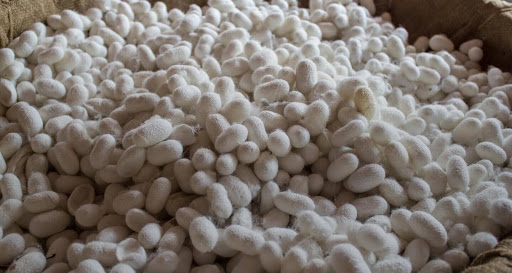
Eri Silk, sometimes called Peace Silk, is one of Meghalaya’s most prized gifts to sustainable textiles. Eri silk is only extracted when the moth emerges from its cocoon on its own, as opposed to silk made using conventional techniques that kill the silkworms while harvesting the fibre. This cloth has gained recognition as one of the world’s most environmentally friendly silks owing to its eco-friendly methodology. In addition to being cruelty-free, this cloth uses sustainable production methods and is long-lasting, breathable, naturally insulating, and eco-friendly.
However, sustainability encompasses both human and material sustainability. Only when crafters are given equal opportunities, their abilities are valued, and they see a future for themselves in their careers can crafts be sustained. A growing number of designers now understand that social and environmental sustainability are inextricably linked.
This is the setting in which Kynïan, the brand, is developed. The founder has employed sustainability as a comprehensive strategy that influences everything he does, rather than just as a marketing tactic. Kynïan’s label began with an act of kindness, in contrast to most labels that begin with a business plan or marketing strategy.
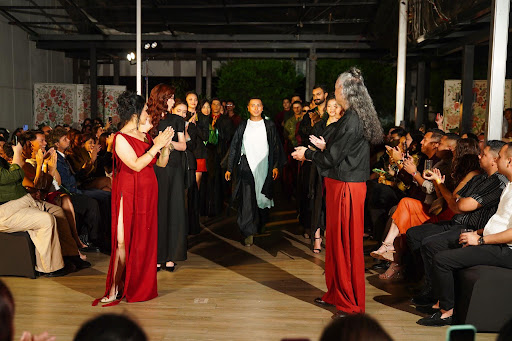
When the designer behind Kynïan, Naveen Kharmawphlang returned to Shillong during the COVID-19 pandemic to restore his late grandmother’s home, he encountered a single mother living across the street who only needed a job that would allow her to make enough money to support herself and her child. Rather than hiring skilled workers, Naveen chose to hire those with promise but few prospects. He has personally coached numerous people, beginning with her. Before the business began to turn a profit, he had been paying for their training out of his own pocket for about a year.
For Kynïan, these investments were essential to the label’s mission rather than just expenses. He said that “it wasn’t about me; it was all about them.” Every decision the label takes is motivated by this attitude. Rather than pursuing rapid expansion and chasing fashion trends, he chooses to hone talents, boost self-esteem, and create jobs. His belief that fashion can empower people just as much as it can protect the environment is shown by the fact that the company has now expanded to become a source of employment, particularly for women.



During our conversation, he would repeatedly emphasise that conscious fashion begins with making thoughtful choices about what you wear, such as selecting the best natural materials, purchasing directly from artisans rather than through intermediaries, cutting down on plastics by using coconut shell buttons, dyeing all fabrics naturally, and purchasing clothing that will never go out of style.




Kynïan’s explanation of success is the most noteworthy aspect of this discussion. Many designers discuss growth, intellectual property, and exclusive clientele. Although Kynïan does bring up these topics, his priorities are clear. Even when he discusses someone stealing his concept, his response is still fairly unexpected. He doesn’t mind at all if someone uses his designs as inspiration to create jobs in the neighbourhood. He feels that ideas should not be a barrier to creation; rather, they should be shared. The motivation behind the production of a work of art is crucial in this situation. It displays an atypical degree of confidence that is more related to contribution than property.


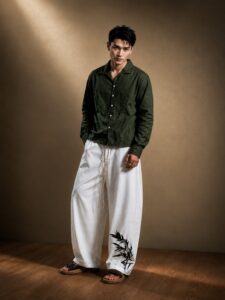
Every stitch conveys the story of someone given the opportunity to study; every article of clothing shows respect for the craft, and every achievement supports the idea that fashion can actually improve society.



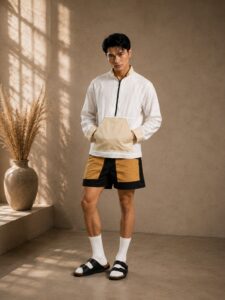
According to Kynïan, creating more is not the future of fashion, and creating one with purpose is.
FASHION LAW JOURNAL INSIDER
Join designers, brand founders and fashion lawyers who get the biggest brand battles, IP fights and career moves in fashion law, straight to their inbox.