
Last updated: July 2026
The psychology of buying dupes centers on the tension between aspiration and affordability. Consumers purchase dupes to access the aesthetic and social signals of luxury fashion without the price tag, driven by a mix of status seeking, financial pragmatism, and moral justifications that minimize guilt. Brain imaging studies show that wearing a dupe can trigger similar reward responses as owning an authentic item, while social media has normalized dupe culture as savvy shopping rather than deception.
Why Do Consumers Buy Dupes Instead of Originals?
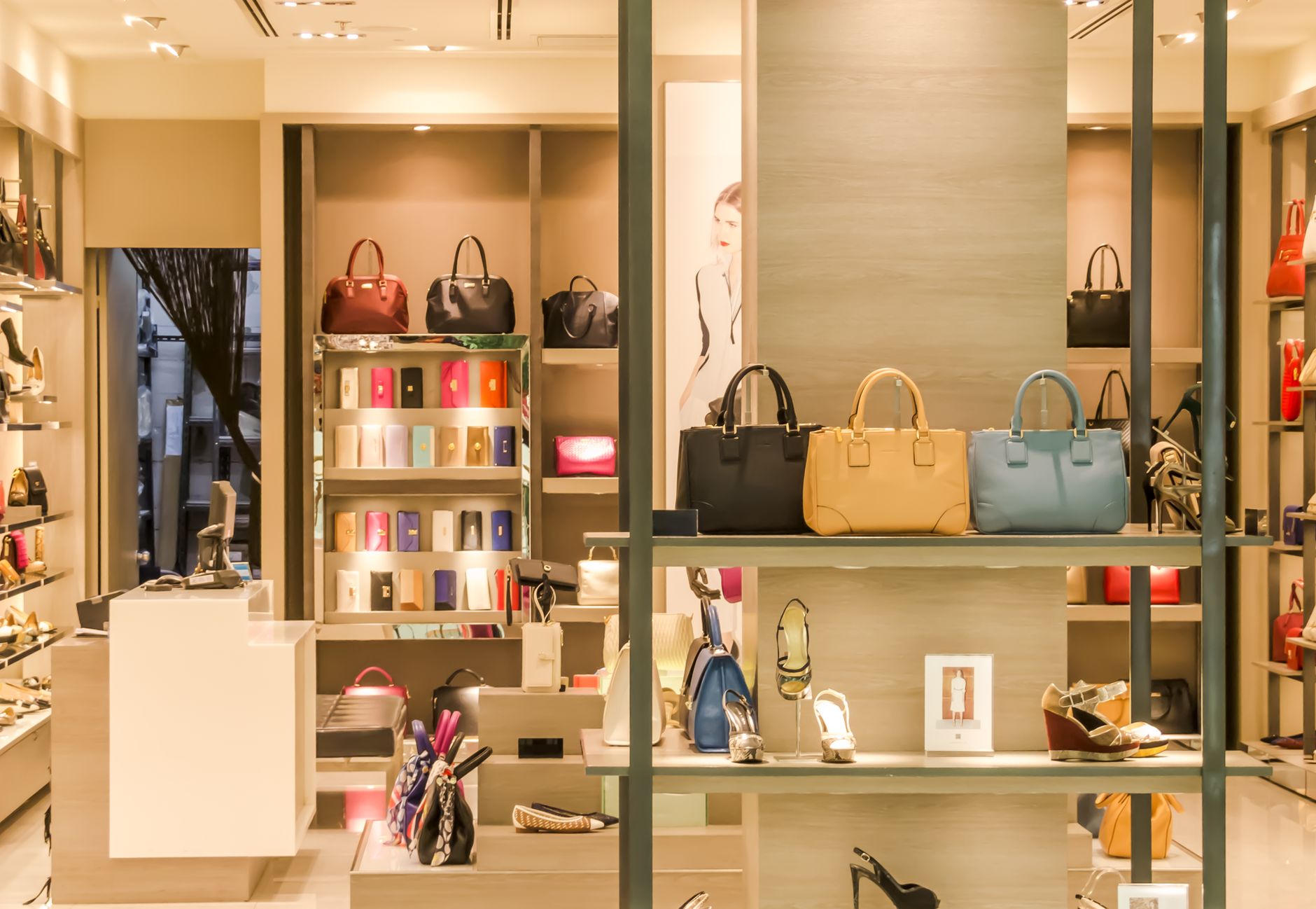
The decision to buy a dupe involves multiple psychological drivers. Status signaling ranks first. Luxury goods communicate wealth, taste, and social belonging. When a $3,000 handbag is financially out of reach, a $90 lookalike offers the same visual cues at a fraction of the cost.
Research in consumer psychology identifies this as “aspirational consumption.” Buyers seek the identity and group membership associated with luxury brands. A dupe grants temporary or partial access to that identity. The Hermes Birkin remains unattainable for most shoppers, but a well-made lookalike allows participation in the visual language of luxury.
Financial pragmatism plays an equal role. Many dupe buyers articulate clear cost-benefit logic. They recognize that a designer item may offer superior materials or craftsmanship but question whether those qualities justify a 20x or 30x price difference. This calculation becomes easier when the dupe satisfies the primary use case, whether that is completing an outfit or posting a photo online.
Social media amplifies both drivers. Platforms reward aesthetic presentation over provenance. A well-styled dupe photograph performs identically to an authentic piece in algorithmic feeds. Influencers openly share “dupes” and “affordable alternatives,” removing the stigma once attached to knockoffs. The shift in language matters: calling something a “dupe” frames the purchase as clever rather than counterfeit.
What Psychological Mechanisms Help Buyers Justify Dupe Purchases?
Moral disengagement allows consumers to purchase dupes without experiencing cognitive dissonance. Psychologists identify several techniques buyers use to neutralize ethical concerns.
Moral justification reframes the behavior as righteous. Buyers argue that luxury pricing is exploitative or that brands overproduce in sweatshops, making dupe purchases a form of protest. They cast themselves as savvy consumers resisting corporate greed rather than as infringers on intellectual property.
Advantageous comparison shifts the benchmark. Dupe buyers distinguish their behavior from purchasing outright counterfeits. A dupe does not claim to be authentic. It simply resembles a designer item. This distinction feels meaningful to consumers, even when the legal line between inspiration and infringement remains thin.
Displacement of responsibility transfers blame. Shoppers argue that if dupes were truly illegal, platforms would not allow their sale. The availability of lookalikes on major e-commerce sites signals tacit permission. Consumers assume that regulatory bodies or the platforms themselves would intervene if the products crossed legal boundaries.
Diffusion of responsibility spreads culpability. When millions of consumers buy dupes, individual guilt dilutes. One purchase feels inconsequential in a massive market. Social proof from peers and influencers reinforces the behavior as normal and acceptable.
How Does the Brain Respond to Wearing or Using a Dupe?
Neuroscience research on luxury consumption reveals that context and perception shape neural responses more than authenticity. When participants believed they were using a premium product, their brains showed increased activity in reward centers, even when the product was actually a cheaper alternative [VERIFY specific study citations].
The placebo effect extends to fashion. If a consumer believes their dupe is indistinguishable from the original, they may experience similar confidence boosts and satisfaction. The psychological benefit derives from the appearance and the story they tell themselves, not the item’s provenance.
This effect has limits. Research also shows that disclosure reduces satisfaction. When buyers are reminded that their item is a dupe, or when they fear detection by knowledgeable observers, anxiety can override the positive feelings. The dupe must pass social scrutiny to deliver psychological rewards.
Self-perception theory explains why some dupe buyers eventually feel compelled to upgrade to authentic pieces. Repeated reliance on lookalikes can create dissonance between one’s self-image and consumption behavior. Buyers who see themselves as discerning or successful may eventually invest in originals to align their purchases with their identity.
What Role Does Social Media Play in Normalizing Dupe Culture?
TikTok, Instagram, and YouTube have industrialized dupe discovery. Hashtags like #dupe and #amazonfinds generate billions of views. Content creators build entire channels around finding affordable alternatives to designer goods, framing the practice as a public service.
This visibility shifts cultural norms. Previous generations might have hidden knockoff purchases out of shame. Today’s consumers celebrate them as smart financial decisions. Transparency about buying dupes signals savvy rather than dishonesty, at least within certain communities.
Algorithmic recommendation engines accelerate adoption. Once a user engages with dupe content, platforms serve more of it. This creates filter bubbles where dupe purchasing appears universal and uncontroversial. Users underestimate how much their perception is shaped by curated feeds.
Influencer economics further normalize dupes. Mid-tier creators often cannot afford to feature only authentic luxury goods. Dupes allow them to participate in trend cycles and maintain content velocity. When trusted voices endorse lookalikes, followers perceive implicit permission.
The comment sections on dupe videos reveal community dynamics. Users share links, quality comparisons, and tips for finding the best versions. This collaborative knowledge-building resembles hobbyist communities more than underground counterfeit networks. The social reinforcement makes dupe buying feel like membership in an informed in-group.
Dupe Buyers vs. Luxury Buyers: A Psychological Comparison
| Psychological Factor | Dupe Buyers | Luxury Buyers |
|---|---|---|
| Primary Motivation | Access to aesthetic at low cost | Quality, heritage, exclusivity |
| Status Seeking | External validation through appearance | Internal satisfaction and peer recognition among elites |
| Risk Tolerance | Willing to accept quality variability | Prefer guaranteed quality and service |
| Time Horizon | Trend-focused, short-term ownership | Investment mindset, long-term value |
| Moral Framework | Utilitarian (outcome justifies means) | Deontological (rules and authenticity matter) |
| Information Source | Social media, peer recommendations | Brand heritage, expert reviews, personal experience |
Do Dupe Buyers Eventually Transition to Authentic Luxury Goods?
Consumer journey data suggests mixed pathways. Some dupe buyers use lookalikes as trial runs before investing in originals. They test whether a silhouette or style suits them before committing thousands of dollars. In this model, dupes serve as low-risk experimentation.
Others remain permanent dupe consumers. Their value systems prioritize efficiency and reject luxury pricing as irrational. These buyers may increase income over time but continue choosing affordable alternatives on principle. They view luxury consumption as wasteful signaling rather than meaningful investment.
A third group oscillates between categories. They purchase authentic pieces for signature items or special occasions while filling out their wardrobes with dupes. This hybrid strategy allows participation in luxury culture without full financial commitment. It also reflects nuanced thinking about which items deserve investment.
Generational differences shape these patterns. Younger consumers, particularly Gen Z, show less brand loyalty and more willingness to mix high and low. They grew up with fast fashion and accessible dupes, making authenticity feel less essential. Older millennials and Gen X consumers more often express guilt about dupe purchases or aspire to “graduate” to all-authentic wardrobes.
What Are the Legal and Ethical Blind Spots in Dupe Psychology?
Most dupe buyers lack clear understanding of intellectual property law. They do not distinguish between design patents, trade dress, and copyright. The assumption that “if it’s for sale, it must be legal” ignores the complex enforcement landscape where brands selectively pursue violators.
Ethical reasoning often remains shallow. Buyers focus on their individual transaction without considering aggregate effects. When millions of consumers choose dupes, the impact on designer employment, innovation incentives, and brand viability becomes significant. Few dupe purchasers engage with these systemic questions.
The language shift from “knockoff” to “dupe” obscures legal realities. A dupe that copies protected trade dress or design patents is still an infringing product, regardless of what consumers call it. The friendly terminology creates psychological distance from counterfeiting, even when the legal distinctions are minor.
Platform liability remains underexamined by consumers. Buyers assume that Amazon, Shein, or Temu have vetted products for legality. In reality, these platforms often operate under safe harbor provisions that shift responsibility to sellers. The cognitive shortcut, trusting the platform, leads to unintentional participation in IP infringement.
How Brands Are Responding to Dupe Psychology
Luxury houses face a strategic dilemma. Aggressive legal action against dupe sellers can appear bullying and out-of-touch, alienating aspirational consumers who might eventually buy authentic goods. Inaction allows lookalikes to proliferate and potentially dilute brand equity.
Some brands lean into accessibility. They launch diffusion lines or entry-price-point products to capture dupe buyers before they exit the ecosystem. This strategy acknowledges the psychological drive for affordable access while keeping consumers within the brand family.
Others emphasize craftsmanship and heritage in marketing. They target the subset of consumers for whom provenance and quality matter more than appearance. This approach accepts that some shoppers will always prioritize price but focuses on retaining those who value authenticity.
A few brands experiment with transparency about pricing. They break down cost structures to justify retail prices, hoping that educated consumers will appreciate margins that fund artisan wages and sustainable materials. Early results suggest this works for mission-driven shoppers but has limited impact on price-sensitive dupe buyers.
Emerging technologies like blockchain authentication and NFC tags aim to make authenticity verifiable and valuable. If resale markets increasingly demand proof of origin, dupe purchases lose long-term value. This shifts the cost-benefit calculation for consumers who think beyond immediate use.
Conclusion: Understanding the Psychology of Buying Dupes
The psychology of buying dupes reflects broader tensions in consumer culture between aspiration and access, authenticity and pragmatism. Dupe buyers are not irrational or unethical by default. They respond to economic constraints, social pressures, and marketing messages in predictable ways. Social media has normalized lookalike purchases while moral disengagement techniques allow consumers to bypass guilt.
For fashion brands, understanding these psychological drivers is essential. Legal enforcement alone cannot change consumer behavior rooted in identity needs and financial realities. For consumers, greater awareness of the justifications they employ and the collective impact of their choices might prompt more intentional decision-making.
The dupe economy will likely persist as long as luxury pricing creates accessibility gaps and social media rewards aesthetic presentation over provenance. The psychology that drives it is deeply human: the desire to belong, to signal status, and to optimize resources. Recognizing these motivations is the first step toward a more honest conversation about fashion, value, and consumption.
Frequently Asked Questions
Is buying dupes illegal?
Buying dupes for personal use is generally legal. Selling dupes may violate intellectual property laws if the product copies protected design elements, trade dress, or trademarks. Enforcement varies by jurisdiction and brand. Counterfeits that fraudulently claim to be authentic are always illegal to buy or sell.
Why do people feel less guilty about dupes than counterfeits?
Dupes are marketed as inspired alternatives rather than fraudulent copies. This framing allows buyers to distinguish their behavior from counterfeiting. The transparency that a dupe is not authentic reduces psychological guilt, even when legal distinctions between dupes and counterfeits are minimal in some cases.
Do dupes hurt luxury brands financially?
The impact is debated. Some research suggests dupes expand brand awareness and create aspirational consumers who eventually buy authentic goods. Other studies indicate dupes cannibalize entry-level luxury sales and dilute brand exclusivity. The effect likely varies by brand positioning, product category, and dupe quality.
Can wearing a dupe provide the same confidence boost as authentic luxury?
Psychological research suggests that if the wearer believes the dupe is indistinguishable and feels no detection anxiety, they can experience similar confidence. The boost diminishes if the person fears being called out or feels internal conflict about authenticity. Perception and context matter more than the item’s actual origin.
Why has social media made dupe buying more acceptable?
Social media platforms reward visual aesthetics over provenance. Influencers openly share dupes as smart shopping, normalizing the behavior. Algorithmic feeds create communities where dupe purchasing appears universal. The collaborative, transparent culture around finding dupes reframes the practice as resourcefulness rather than deception.
FASHION LAW JOURNAL INSIDER
Join designers, brand founders and fashion lawyers who get the biggest brand battles, IP fights and career moves in fashion law, straight to their inbox.