

In a world where creativity converges with commerce, trademarks act as guardian of brand identity. Brands stand for not just garments and accessories but narrate the aspirations and distinctive ideas behind the formation. However, such vibrant landscape does not continue to last long as at the forefront stands the complex and often contentious issue of trademark infringement unless they have legal backups. Trademark Infringement goes beyond the unauthorized use of logos, it touches the very identity of the brand and affects its market position, consumer perception and overall integrity. This issue is widespread from high-profile luxury houses to emerging designers and the battles over Intellectual Property Rights have become an integral part of the industry’s narrative.
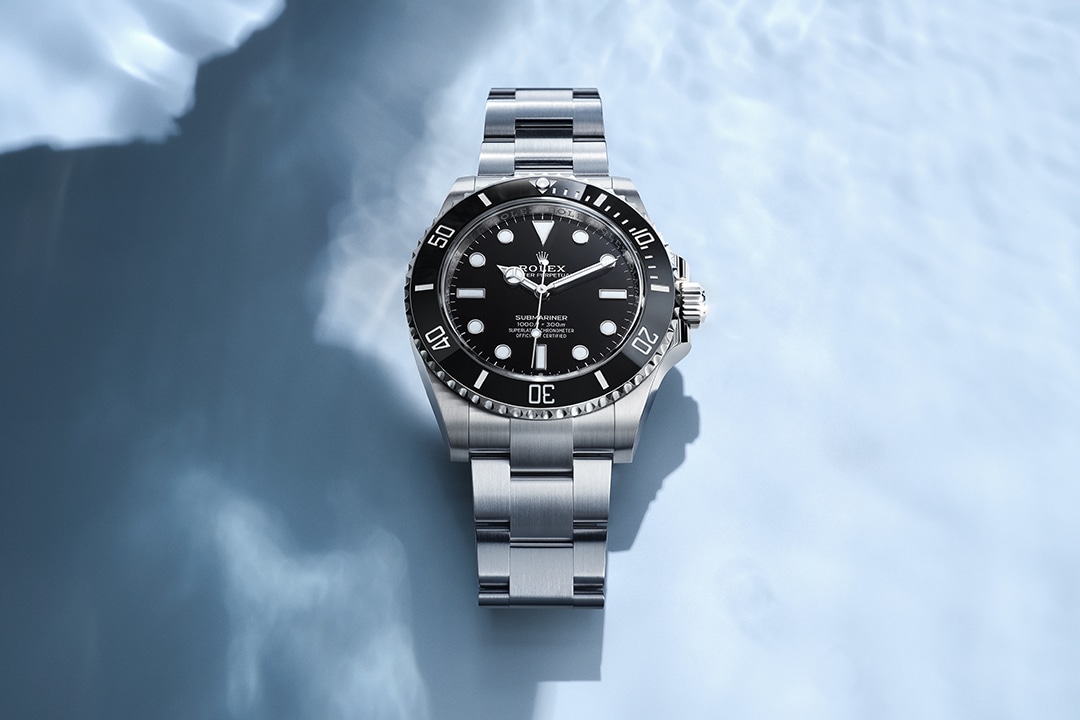
In this realm there are few names that resonate with the same level of prestige, one of the most sophisticated, timeless allure is Rolex. It is renowned for its unparalleled commitments to precision, innovation, and craftsmanship as it is not merely transcended the status of a watchmaker, it has become a symbol of excellence and refined taste. But despite such unquietness the brand has faced a lot of complexes precisely related to Trademark Infringement. Recently there was a legal battle initiated by Rolex against BeckerTime which offers a compelling narrative that delves into the heart of trademark infringement that concerns the modified luxury watches.
In September 2020, Rolex filed suit against BeckerTime[1], a seller of mostly vintage pre-owned watches. Rolex alleged that BeckerTime counterfeited and infringed its trademarks by advertising, servicing and selling watches and watch parts that Rolex had not authorized and that were not genuine Rolex products. The case was tried without a jury in the Northern District of Texas in October 2021. The district court sided with Rolex on infringement, finding that BeckerTime’s modified watches were likely to confuse customers, but it applied the defense of laches, accepting that Rolex had waited too long to sue, and so refused to order BeckerTime to hand over its profits. Both sides appealed: Rolex wanted a broader injunction, treble profits and attorney’s fees, while BeckerTime challenged the legal test the lower court had used to find infringement.
On January 26, 2024, the Fifth Circuit issued its opinion. BeckerTime argued that the case should have been decided under the Supreme Court’s ruling in Champion Spark Plug Co. v. Sanders, while Rolex defended the district court’s use of the usual likelihood-of-confusion factors and its reliance on the Fifth Circuit’s earlier decision in Rolex Watch USA, Inc. v. Meece. Under Champion, a reseller may keep another company’s mark on goods it has repaired or reconditioned, provided the work only restores the product to its original condition rather than creating a new design, and the reseller discloses what was done. The Supreme Court carved out what is often called the “misnomer” exception for repairs so extensive or so basic that it would be misleading to call the product by its original name. The Fifth Circuit held that BeckerTime’s watches fell within that exception. BeckerTime had not simply restored old Rolexes; it added diamonds, aftermarket bezels and non-Rolex bracelets, producing watches the district court found were materially different from anything Rolex sold. In the appeals court’s view, these were watches of another make that could not properly be sold as genuine Rolexes, so the ordinary confusion analysis was the right one.
Beyond infringement, the Fifth Circuit also dealt with Rolex’s challenge to the relief the district court had granted. It upheld the refusal to strip BeckerTime of its profits: Rolex had let BeckerTime sell altered watches for around ten years before suing, and BeckerTime had built its business in that time, which the court treated as clear prejudice supporting laches. The panel also held that Rolex was not entitled under 15 U.S.C. § 1117(b) to treble profits or attorney’s fees[2], because there were no profits to treble, the district court had made no finding of intentional wrongdoing, and Rolex had never asked the lower court for fees. On the injunction, Rolex fared better. The district court had barred BeckerTime from using “Genuine Rolex” in disclosures for watches fitted with bezels not made by Rolex, yet still let those watches be sold bearing Rolex marks. The Fifth Circuit found this hard to reconcile with the lower court’s own findings that advertising such watches as Rolexes was likely to confuse buyers and that bezels, like dials and bracelets, are integral to the watch, so it extended the injunction to cover non-genuine bezels. The panel upheld the requirement that BeckerTime engrave “Customized by BeckerTime”[3] on the back of its watches, rejecting Rolex’s objection and treating the extra disclosure as a reasonable way to deal with any remaining confusion. On dials, the January opinion turned down Rolex’s request, drawing a line between customizing a dial (for example, by adding diamonds) and restoring it. In a substituted opinion issued on rehearing in March 2024, however, the court agreed that one part of the injunction should cover all non-genuine dials, while keeping the carve-out for customization that customers specifically request.
The decision of fifth circuit’s suggested that if they become successful in their request to disgorge profits then the rights holders should pursue infringement charges without a delay and with evidence of malicious intent. Also, it stated that the brand owners should understand the differences between restoration and customisation.
The Rolex trademark case is one of the significant lawsuits that focus on the importance of transparency and maintaining the integrity of trademark rights. The Court’s decision highlights the importance of adequate disclosures when marketing and selling pre-owned goods, thereby modifying them can confuse the customers regarding the authenticity of the products. Additionally, the decision highlights the importance of balancing trademark rights and legitimizing the customization of products by third parties. It acknowledges the distinction between restoration and customization, while also emphasizing the importance of clear disclosures to mitigate confusion among consumers.
[1] Rolex Watch USA, Inc. v. Beckertime, L.L.C., No. 22-10866 (5th Cir. Jan. 26, 2024), substituted opinion on panel rehearing filed Mar. 21, 2024, https://www.ca5.uscourts.gov/opinions/pub/22/22-10866-CV1.pdf (last visited Oct. 7, 2026).
[2] Kluwer Trademark Blog, https://trademarkblog.kluweriplaw.com/2024/02/08/trademark-case-rolex-watch-usa-inc-v-beckertime-llc-usa/#:~:text=As%20for%20the%20injunction%2C%20the,%2C%20Douglas%2C%20D.) (last visited Feb. 26, 2024).
[3] World Trademark Review, https://www.worldtrademarkreview.com/article/rolex-loses-out-disgorgement-of-profits-laches-defence-in-fifth-circuit-ruling (last visited Feb. 26, 2024).
Author:

Anchit Bharti
She is a third-year Law student at the University of Petroleum and Energy Studies, Dehradun Uttarakhand.
FASHION LAW JOURNAL INSIDER
Join designers, brand founders and fashion lawyers who get the biggest brand battles, IP fights and career moves in fashion law, straight to their inbox.