In April 2022, the art collective MSCHF sold 4,306 pairs of a warped Vans Old Skool lookalike in about an hour. Twenty months later, the Second Circuit upheld an injunction that stopped the sales, and in August 2024 MSCHF agreed to a permanent ban. The case answered a question many designers ask: does calling a product a parody protect it from a trademark claim? For a sneaker sold as footwear, the answer was no.
The Shoe and the Launch
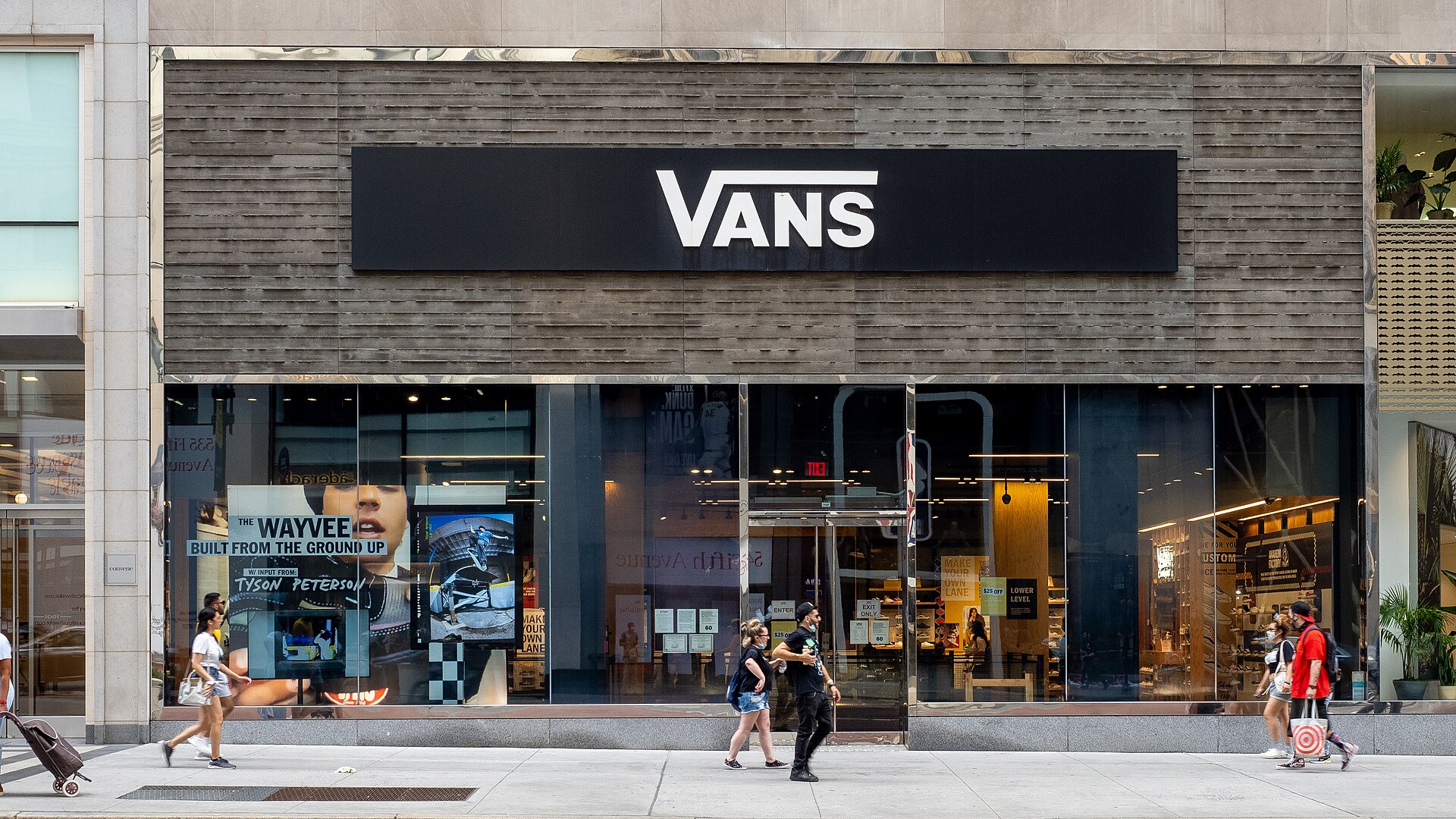
Vans, founded in 1966, has made the Old Skool one of its most popular lines. MSCHF, a Brooklyn collective that satirises consumer culture, designed the Wavy Baby with the rapper Tyga as a distorted version of it. According to the court record, MSCHF’s co-chief creative officer said the concept started with a Vans Old Skool sneaker. Vans sent a cease and desist letter on 6 April 2022, and MSCHF launched anyway on 18 April. Vans had already sued in the Eastern District of New York, three days before the drop, and asked for a restraining order.
The dispute differed from MSCHF’s earlier run-in with Nike over its “Satan Shoes.” In that case, MSCHF reached a quick settlement that included a voluntary recall and a buy-back programme. Against Vans, MSCHF chose to fight.
The District Court: An Injunction in Weeks
Judge William F. Kuntz II granted the restraining order and later a preliminary injunction. He concluded that Vans would likely show a likelihood of consumer confusion, and he rejected MSCHF’s argument that the shoe deserved special First Amendment protection as an artistic parody. Vans had asked the court to stop MSCHF from selling the shoes and from using Vans’ trade dress and trademarks in its advertising and promotion, and the court granted the injunction. The Second Circuit later supported the order requiring MSCHF to escrow its Wavy Baby revenue.
The Supreme Court Changes the Ground Rules
MSCHF’s appeal rested on the Rogers test, a doctrine that gives expressive works extra First Amendment protection from trademark claims. While the appeal was pending, the Supreme Court decided Jack Daniel’s v. VIP Products in June 2023. The Court held unanimously that Rogers does not apply when a trademark is used as a source indicator, meaning as a mark. That ruling undercut MSCHF’s strongest argument while its appeal was pending.
The Second Circuit’s Reasoning
The decision in Vans, Inc. v. MSCHF Product Studio, Inc., No. 22-1006, issued on 5 December 2023, was the first appellate opinion to apply Jack Daniel’s. The panel said MSCHF used Vans’ marks in much the same way VIP Products used Jack Daniel’s marks, as source identifiers, so the Rogers argument was foreclosed. The shoe’s parodic message did not change that result.
The court then applied the traditional Polaroid factors, and nearly all of them pointed toward confusion. The panel disagreed with the district court on only one factor, the quality of MSCHF’s product compared with Vans’. Several findings carried weight. The court noted MSCHF’s broad advertising to the general public and evidence that consumers believed Vans had collaborated on the shoe, and it observed that Vans has a history of collaborating with artists. It also found that MSCHF marketed the Wavy Baby as wearable footwear, which placed it close to the Old Skool in the market. MSCHF argued the shoes were never meant to be worn, and the court pointed to evidence suggesting otherwise.
The panel did not treat parody as irrelevant. It considered the parodic message inside the Polaroid analysis, as Jack Daniel’s allows, and concluded that a parody which leaves buyers confused about who made the product has not succeeded as a parody.
How the Case Ended
On 20 August 2024, Vans told the court it had settled. The parties filed a consent judgment with a permanent injunction, and MSCHF acknowledged the validity of Vans’ trademarks. The order bars MSCHF from selling any version of the Wavy Baby or using the Old Skool elements, including the side stripe mark. The other terms stayed confidential.
What Brands and Parodists Should Take From It
The case sets a plain test for anyone planning a parody product: ask whether the borrowed marks identify your own goods. A shoe that carries a famous side stripe and a recognisable silhouette, and that sells as footwear to the same buyers, uses the brand as a source identifier, and the Rogers shield falls away. The artistic intent behind a product matters far less than how the maker advertises and sells it.
Brand owners can draw a second lesson. Vans sued before the launch and won at each stage. FLJ’s recent column on brand parody frames the working question as whether a joke would survive without the famous logo, and the Wavy Baby ruling shows how courts answer it when the borrowed design is doing the selling.
FASHION LAW JOURNAL INSIDER
Join designers, brand founders and fashion lawyers who get the biggest brand battles, IP fights and career moves in fashion law, straight to their inbox.