
Buy a dress for a party, wear it once with the tags tucked in, send it back for a refund. Retailers call it wardrobing, and Black Friday opens the season for it, with Christmas parties and January returns to follow. Plenty of shoppers think it is harmless. Retailers increasingly treat it as fraud: they charge for returns, run customers through risk-scoring software and close the accounts of people who send too much back. So is returning worn clothes actually illegal, what can a shop do about it, and where is the line between using your legal rights and abusing them? Here is the law in the UK, the EU and the US.
Short answer: Wardrobing is not a named crime, but lying about an item’s condition to get a refund can be fraud in the UK or theft by false pretences in US states. For online orders in the UK and EU you can still cancel within 14 days after wearing something, but the retailer can deduct the loss in value. Retailers may refuse future sales and close accounts.
Key takeaways
- Wardrobing means buying clothes, wearing them and returning them as if unworn; US retailers estimate that 9% of all returns are fraudulent.
- UK and EU law lets online shoppers try clothes on as they would in a shop, not wear them, and makes them liable for any loss in value up to the full price.
- Falsely claiming an item is unworn to obtain a refund can meet the definition of fraud by false representation in England and Wales, or theft by false pretences in states such as California.
- Retailers can lawfully charge for returns, refuse returns outside the law and close accounts; ASOS shut accounts for returns behaviour in June 2025.
What is wardrobing, and how common is it?
Wardrobing is buying an item to use once or for a short time and then returning it for a full refund as though it had never been used. In fashion it usually means occasion wear, holiday clothes, coats and shoes. It is different from bracketing, where a shopper orders several sizes and returns the ones that do not fit, which is wasteful for retailers but not dishonest.
The scale is large. In its October 2025 report with Happy Returns, the National Retail Federation said US retailers expected returns of $849.9bn in 2025, 15.8% of sales, and 17% of holiday sales. Retailers estimated that 9% of all returns were fraudulent. Close to two thirds of consumers admitted at least one costly returns behaviour, including wardrobing and bracketing, and 45% said they considered “bending the truth” acceptable when returning an item.
FLJ Insider Pro is open: live fashion law jobs and internships, five career guides and two roadmaps. Early bird USD 12/month. See what's inside
That is why the returns policies you meet this weekend are tighter than they were a few years ago.
Is returning worn clothes fraud?
Wearing something and then changing your mind is not a crime. Lying to get money back can be.
In England and Wales, section 2 of the Fraud Act 2006 makes it an offence to make a false representation, knowing it is or might be untrue or misleading, with dishonest intent and intending to make a gain or cause a loss. A representation “may be express or implied”, and it counts even if it is made to a system or device, such as an online returns form. Ticking “unworn” or “faulty” on a returns form for a dress you wore to a party, so as to get a full refund under a store’s goodwill policy, could meet that definition. Dishonesty is the key element, which is why the honest use of a statutory cancellation right, described below, is not fraud.
In the US, there is no federal wardrobing offence, and the position depends on state law. California’s Penal Code section 484, for example, treats as theft obtaining money or property “by any false or fraudulent representation or pretense”. A false claim that clothing is unused, made to get a refund, can fall within that kind of provision. Whether anyone is prosecuted depends on the facts, the amount and local practice.
The practical consequence is usually commercial rather than criminal: a refused refund, a fee or a closed account.
Can you return worn clothes bought online in the UK and EU?
You can cancel, but you may not get all your money back.
In the UK, the Consumer Contracts Regulations 2013 give a 14-day cancellation period for goods bought online, running from the day the goods arrive. Under regulation 34(9), if the value of the goods is diminished “as a result of handling of the goods by the consumer beyond what is necessary to establish the nature, characteristics and functioning of the goods”, the trader may recover that amount “up to the contract price”, usually by deducting it from the refund. Regulation 34(12) sets the test: handling is excessive if it “goes beyond the sort of handling that might reasonably be allowed in a shop”. The deduction is not available if the trader failed to tell you about the right to cancel.
EU law is the same in substance. Article 9 of the Consumer Rights Directive 2011/83/EU gives 14 days to withdraw, and Article 14(2) makes the consumer liable for diminished value caused by excess handling. Recital 47 uses clothing as its example: “the consumer should only try on a garment and should not be allowed to wear it.”
So a worn dress can go back within the cancellation period, but the retailer can reduce the refund to reflect wear, perfume, make-up marks or a removed tag, potentially to nothing. FLJ’s guide to online returns law for fashion brands covers the trader’s side, and its explainer on Christmas return rights covers gifts and in-store purchases, where a no-wear rule is simply store policy.

What does US law say about returning used clothes?
There is no general legal right to return non-faulty goods in the US. A store’s return policy is part of the deal, and the store can set conditions such as “unworn, with tags attached”.
Some states regulate how policies are shown. California Civil Code section 1723 requires a retailer that does not give full refunds, credit or exchanges for at least seven days to display its policy conspicuously; if it fails to, a buyer can return goods within 30 days for the purchase price. But the rule expressly does not apply to “goods used or damaged after purchase”. A worn and returned dress gets no help from it.
Can retailers ban you for returning too much?
Generally, yes. A retailer can usually decide not to sell to someone in future and can close an online account under its terms, as long as it does not discriminate unlawfully.
The best-known example is ASOS. In June 2025 shoppers told the BBC their accounts had been closed. ASOS said it had “recently closed the accounts of a small group of customers whose shopping activity has consistently fallen outside our fair use policy”. According to the BBC, that policy allows ASOS to close accounts showing “unusual patterns of returns activity” and items returned that look worn. ASOS had first warned of this in 2019.
Charging is the softer tool. When Which? checked 20 of the largest online fashion retailers in 2024, 12 did not offer free postal returns. Fees included £1.99 at H&M for non-members, £2.50 at Next and £2.95 at Zara, and ASOS added a £3.95 fee from 8 October 2024 for frequent returners who keep less than £40 of an order. Charging for a change-of-mind return is lawful in the UK if the customer is told before buying; a trader cannot charge for returning goods that are faulty.
Do retailers share your returns history?
Some US retailers use outside services to score returns. The best known is The Retail Equation, now part of Appriss Retail, which a federal court described as producing “risk scores” for customers at the returns counter and recommending whether to accept or decline the return.
Shoppers have challenged this in class actions since 2020, with mixed results. In Hayden v. The Retail Equation, the federal court in the Central District of California dismissed claims under the Fair Credit Reporting Act in 2022, finding the risk scores were not “consumer reports” because they did not bear on credit, and dismissed a California Consumer Privacy Act claim, but let an invasion of privacy claim continue, as reported by Inside Class Actions. In a separate New Jersey case, a federal judge dismissed two plaintiffs’ claims against the company in December 2022 for lack of personal jurisdiction, without ruling on the merits.
In the UK and EU, data protection law gives you the right to ask a retailer what personal data it holds about you, including returns records, through a subject access request.
How do the US, UK and EU rules compare?
| Question | United States | United Kingdom | European Union |
|---|---|---|---|
| Legal right to return non-faulty online orders | None at federal level; store policy applies | 14 days from delivery to cancel | 14 days to withdraw |
| Worn items | Store can refuse under its policy | Can cancel, but trader can deduct loss in value up to the full price | Same: liable for diminished value; recital 47 says try on, do not wear |
| Lying about condition | Can be theft by false pretences under state law (for example California PC 484) | Can be fraud by false representation (Fraud Act 2006, s 2) | National criminal law applies |
| Return fees and account closures | Allowed under store terms | Allowed if disclosed; no fee for faulty goods | Allowed if disclosed; no fee for faulty goods |
Sources: Consumer Contracts Regulations 2013, regs 29, 30 and 34; Directive 2011/83/EU, Arts 9 and 14 and recital 47; Fraud Act 2006, s 2; California Penal Code s 484 and Civil Code s 1723.
How do you return clothes without crossing the line?
- Try on, do not wear. Check fit and fabric as you would in a fitting room, and keep the tags attached until you are sure.
- Tell the truth on the returns form. If you wore something, say so and accept a reduced refund rather than ticking “unworn”.
- Use the right route for faults. A seam that splits on first wear is a fault, which carries separate rights and no return fee.
- Read the returns policy before Black Friday orders. Check fees, time limits and any fair use terms, and whether a deal is genuine using FLJ’s guide to Black Friday fake discounts.
- Keep proof. Save the order email, photos of the item as returned and the courier receipt, which also helps if a parcel goes missing, as FLJ’s guide to undelivered parcels explains.
Returns also have an environmental cost. Large companies selling in the EU now face limits on destroying unsold goods, and FLJ’s guide to the EU ban on destroying unsold clothes explains how returned items are caught by it.
This article is general information on the law of England and Wales, the EU and US states as of 27 November 2026. It is not legal advice. Criminal law varies by jurisdiction, and each retailer’s terms apply.
Frequently asked questions
Is wardrobing illegal?
There is no specific wardrobing offence, but knowingly and falsely claiming that worn clothing is unworn to get a refund can amount to fraud in England and Wales or theft by false pretences in US states.
Can I return clothes I wore once?
In a shop, only if its policy allows. For UK and EU online orders you can cancel within 14 days, but the retailer can deduct the loss in value caused by wearing, up to the full price.
Can a shop refuse a return if the tags are removed?
For change-of-mind returns in store, yes, if that is its policy. Online in the UK and EU, it cannot refuse the cancellation, but a missing tag may justify a deduction. Faulty goods must be dealt with whatever the tags.
Can ASOS ban you for returning too much?
Yes. ASOS confirmed to the BBC in June 2025 that it had closed a small group of accounts under its fair use policy, which covers unusual returns patterns and items that look worn.
Do stores track how often I return things?
Many do. Some US retailers use services such as The Retail Equation to give each return a risk score. In the UK and EU you can make a subject access request to see your data.
Is bracketing the same as wardrobing?
No. Bracketing means ordering several sizes and returning those that do not fit, which is lawful. Wardrobing means wearing an item and returning it as though unused.
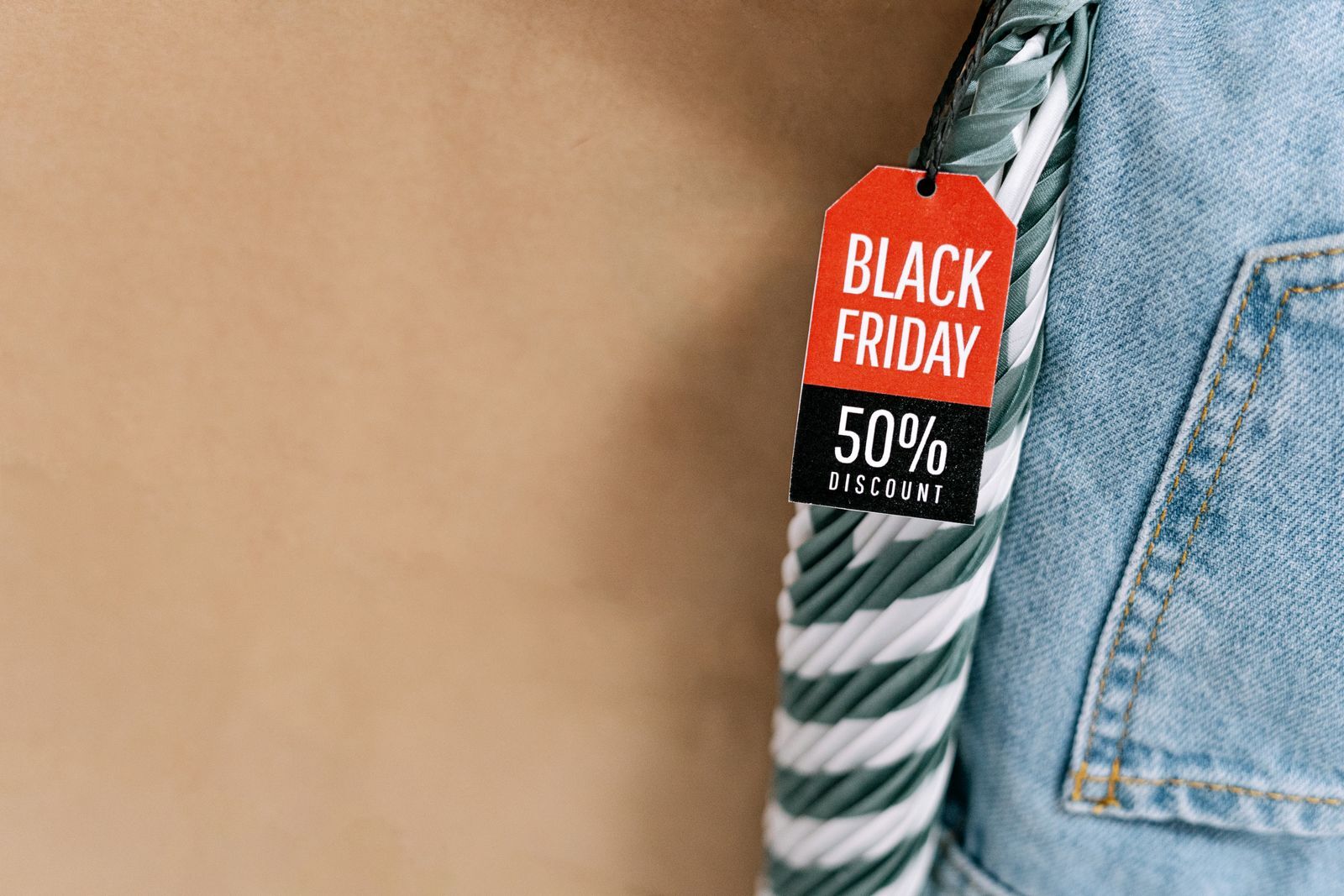
Featured image: Photo: Ivan S via Pexels
FASHION LAW JOURNAL INSIDER
Join designers, brand founders and fashion lawyers who get the biggest brand battles, IP fights and career moves in fashion law, straight to their inbox.