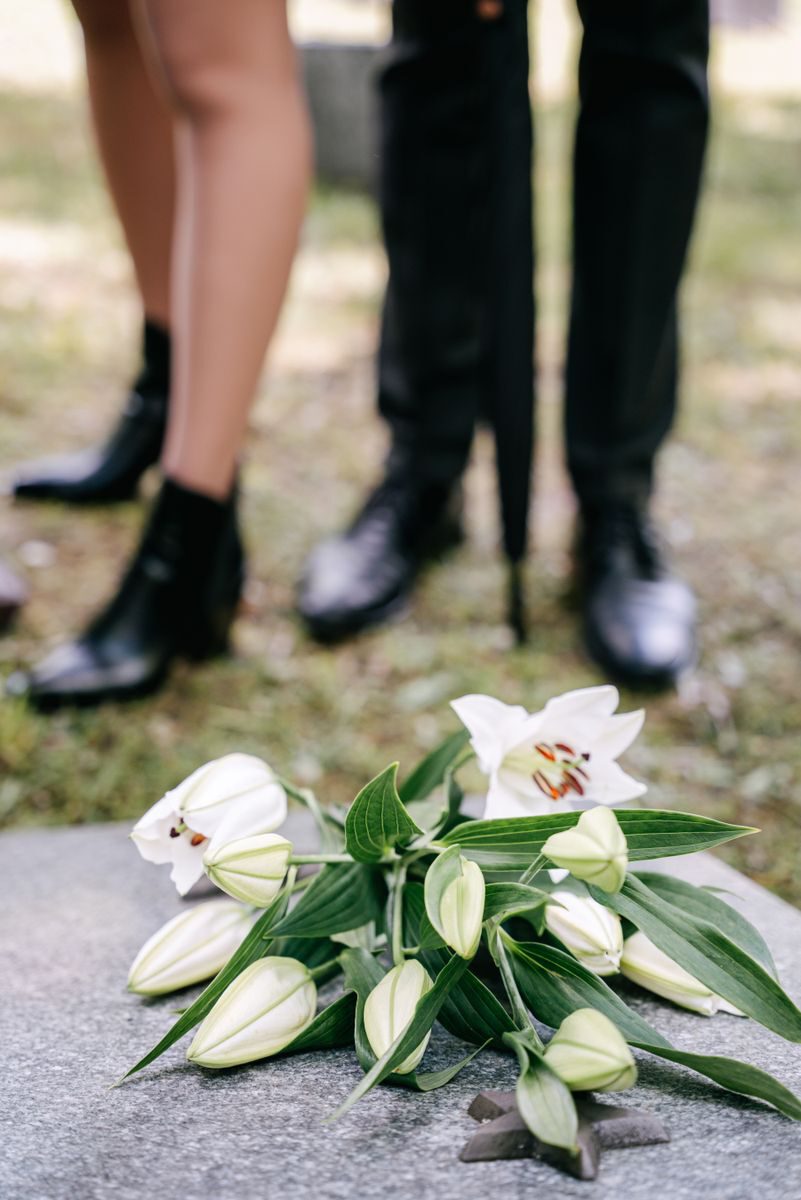
Where I am from, we do not have a specific colour scheme for funerals. We wear what feels comfortable to us, because funerals mean work, and I mean a lot of work. As the years passed, people started wearing a specific shade of colour, and by people I mean the families and not the others who attended the funeral.
As a child, I have always wondered why black is always associated with death. Was it always this way, or did a certain place or person in the past or present dictate its relevance?
Death, as painful as it sounds, was and will always be a part of life. Different cultures and tribes have their own rituals and prayers for the dead. Unless someone decides to make the ‘elixir of life’, then death is a no-go.
But even with its gloomy silhouette and the stench of the cemetery, it has a silver lining.
FLJ Insider Pro is open: live fashion law jobs and internships, five career guides and two roadmaps. Early bird USD 12/month. See what's inside
Call me weird for saying that death has a silver lining. But it does, if that helps. The silver lining is that with death comes rich history, rich fashion history.
Cultures and How They Mourn Their Dead
3000 years ago, the Egyptians chose yellow as the colour to mourn the loss of their dead. They also shaved their eyebrows when a relative had died. But when a dog or cat died, the people were required to shave every hair on their body as well. This was because dogs and cats were regarded as divine beings in their culture.
The Hindus and the Sikhs in India wore white during their mourning period. For the Sikhs, white symbolises peace, and it takes away the focus from loss and death and shifts it to a celebration of the souls reuniting with Waheguru, who is the Supreme being of their faith. Colorful attire was discouraged. The Hindus wear white as a sign that the deceased lived a long, fulfilling life. It also symbolises purity, that the departed soul has left all material possessions, and spiritual rebirth.
In Brazil, the catholics wear purple. It represents the suffering of Jesus’ crucifixion; it is also the colour of spirituality. Not wearing purple during a funeral was considered offensive
The ‘Black’ in Mourning
‘Black’ in mourning dates back to Roman times. Their toga, or the pulla, was made of dark wool and worn during their mourning period. However, it was not as popular as white fabric.
The aristocrats during the Renaissance wore black during their mourning period. The St. Bartholomew’s Day Massacre, a tragic period in history, drove the people to wear black, signifying grief and loss. Women and widows wore black caps and veils, which were standard and a requirement of the time. Ornaments and embellishments were stripped off from their usual attire.
With the rise of the Industrial Revolution came the rise of the middle-class section of society. Their growth in society also led them to mimic the actions of the aristocrats, and this would also include their fashion sentiments as well.
‘Black’ in Mourning- The Queen who popularised it
The woman, the legend that popularised the ‘Black’ in mourning, was none other than Queen Victoria herself. She was the daughter of Prince Edward, the Duke of Kent and Strathearn, and Princess Victoria of Saxe-Coburg-Saalfeld. She took to the throne at the age of 18, after her predecessors failed to produce legitimate heirs of their own.
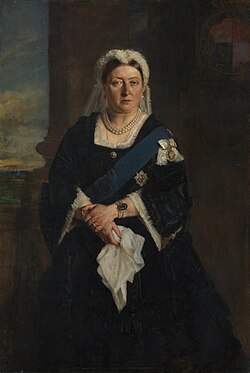
She married Prince Albert in 1840, and there was no doubt that she loved him, and she loved him deeply. It seemed like she lived to breathe the very air he breathed. She also commissioned a scandalous portrait of herself to her husband, and that portrait was the talk of the town among historians, though to the common eye, it looked like a normal portrait.
After her beloved husband died from typhoid at the age of 42, something in her moved. She embodied mourning for the next 40 years. It was a great loss for the nation and her children. For the next 40 years of her reign, she embodied mourning and wore it majestically. Ever wondered how charm bracelets came into fashion? Well, Queen Victoria herself wore a sentimental bracelet in memory of her beloved Prince Consort. She wore the bracelet until her death.
Victoria was not only a queen, but she was a 19th-century trendsetter. Her personification of mourning inspired the people of her kingdom to also dress in black during their mourning period.
The Rules of the ‘Black’ Wardrobe
Mourning during the Victorian era had three categories: the Deep or High Mourning, Second Mourning, and Half Mourning. Deep mourning, as the name stated, was the longest stage of mourning. The Second Mourning was considered a transitional stage, while the Half Mourning was a shorter period before the end of mourning.
Fashion for women was rigid, with strict rules. During the Deep mourning, women were expected to wear black from head to toe. There were restrictions in the choice of black as well; it could not have a tinge of shine on it. A black crepe, wool, or silk was preferred. A veil was a must for all women.
The Second mourning had a little colour in it. Grey, white and lilac were often embellished in their trimmings
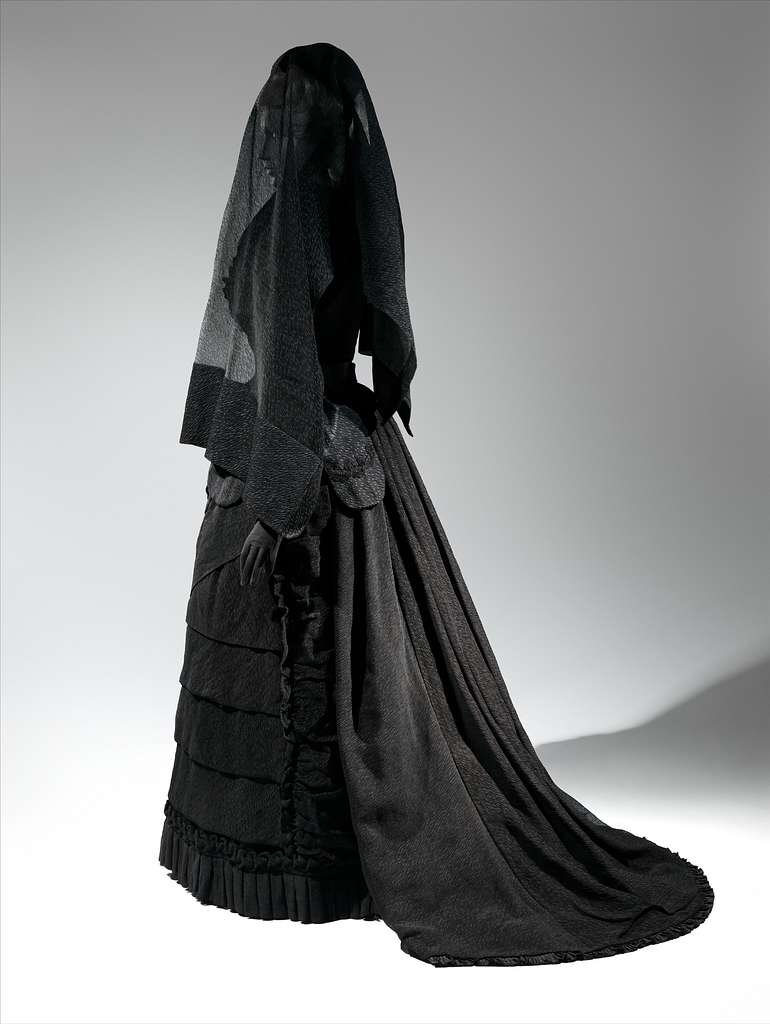
The men of the time had fewer restrictions than the women. They wore a black coat and a black armband, which was optional; they could also add a black fabric to their top hat, which was referred to as a weeper. Children, on the other hand, were not expected to follow rigid guidelines. Other essentials included a mourning bonnet, jewellery, gloves and umbrellas. Jewellery was made from onyx and jet.
People in mourning were restricted from social events and public life.
The ‘Black’ Legacy
Black is still relevant and still a colour of mourning in the West, but it has crawled its way into certain societies in the East as well, though with less restriction than it was during the time of Queen Victoria. Though some might argue otherwise. Themes and other kinds of wardrobes have been incorporated into the likes of the mourning family.
Black in mourning is an example of one thing: emotion and fashion work alongside each other to create a whole new genre of beauty. Designers across the globe draped mourning so elegantly that it echoed throughout the fashion industry. Alexander McQueen did that with his 1996 collection “Dante”, where he blended dark, gothic pieces with ecclesiastical tailoring and mourning wear. The common folk have also dressed ‘black’ mourning fabulously, which in itself is an expression of style and emotion.
Grief has been worn in many shades, but black is by far the most regal of all.
FASHION LAW JOURNAL INSIDER
Join designers, brand founders and fashion lawyers who get the biggest brand battles, IP fights and career moves in fashion law, straight to their inbox.